Coating of Powders: The Technology Behind Modern Powder Coating
TL;DR
• Coating of powders refers to both the science behind powder formulation and the powder coating process itself
• Powder coating uses electrostatic application and oven curing to create a durable, corrosion resistant finish
• Proper media blasting is critical for adhesion and long term performance
• Advanced coating powders are engineered for flow, durability, UV stability, and impact resistance
• Powder coating outperforms traditional paint in strength, consistency, and environmental impact
When people hear the term coating of powders, they often think of the powder coating process used to finish metal parts. However, coating of powders has a deeper meaning within materials science and industrial finishing. It refers both to the engineering of coating powders themselves and to the application of those powders onto metal surfaces through electrostatic powder coating systems.
For anyone researching powder coating services, media blasting, or industrial metal finishing, understanding the coating of powders provides insight into why modern powder coating technology delivers superior durability and corrosion resistance compared to traditional liquid paint.
What Does Coating of Powders Really Mean
Two Perspectives in Industry
In the metal finishing world, coating of powders typically refers to the powder coating process. This involves applying a dry powder to a grounded metal surface using an electrostatic spray system, followed by oven curing to form a hard, continuous protective layer.
In materials science, coating of powders can also refer to modifying the surface of powder particles themselves. Coating powders are engineered with specific resins, pigments, and additives that control flow, adhesion, and performance.
Both meanings work together. The chemistry of the powder influences how well it sprays, melts, levels, and bonds to metal. The application process determines whether that chemistry performs as intended.
The Science Behind Advanced Powder Coating Technology
Engineering the Powder Particles
Modern coating powders are carefully formulated systems. They typically contain:
• Resin systems such as epoxy, polyester, or hybrid blends
• Pigments for color and opacity
• Flow modifiers for smooth finishes
• UV stabilizers for outdoor durability
• Corrosion inhibitors for added protection
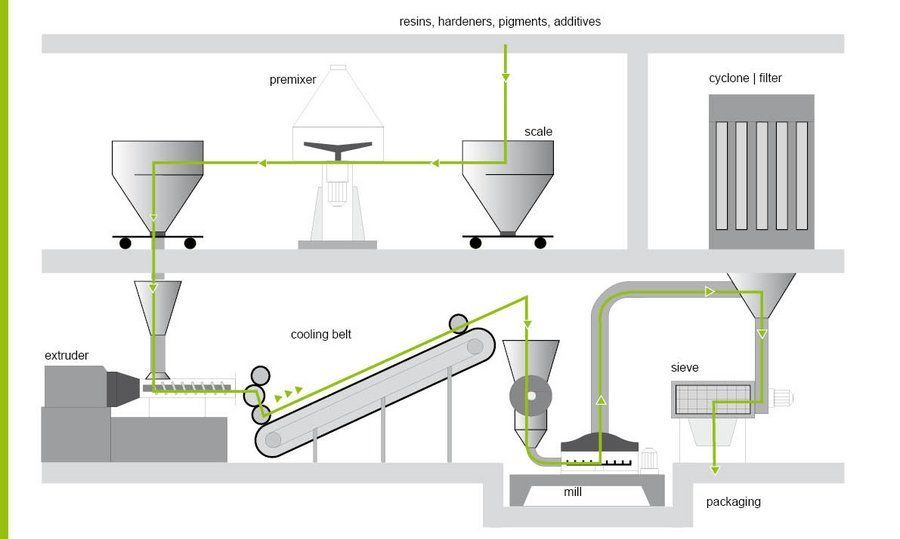
These components are blended, extruded, cooled, and ground into a fine powder. The particle size distribution is tightly controlled because it affects electrostatic charging and final film thickness.
Surface Energy and Adhesion
One critical concept in coating science is surface energy. For a coating to bond properly, it must wet and adhere to the substrate. If oil, rust, or mill scale is present, adhesion is compromised.
This is where media blasting becomes essential. By removing contaminants and creating a uniform anchor profile, abrasive blasting improves mechanical bonding. At Full Blown Coatings, we have seen projects where improper prep caused premature coating failure. After proper grit blasting and reapplication, the durability improved dramatically. The difference lies in understanding both powder chemistry and surface preparation.
Why Media Blasting Is Critical Before Powder Coating
Mechanical Surface Preparation
Sandblasting service and grit blasting remove corrosion, old paint, oxidation, and surface debris. This creates a clean, textured surface that allows powder to adhere effectively.
Without proper blasting, even the best corrosion resistant coating can peel or chip. Powder coating relies on both electrostatic attraction and mechanical bonding. Surface contamination weakens both.
Anchor Profile and Long Term Performance
Blasting creates microscopic roughness on the metal surface. This anchor profile increases adhesion and reduces the risk of delamination. For structural steel, automotive components, and industrial equipment, this step determines how well the coating withstands impact and environmental exposure.
The Electrostatic Powder Coating Process
Powder Application
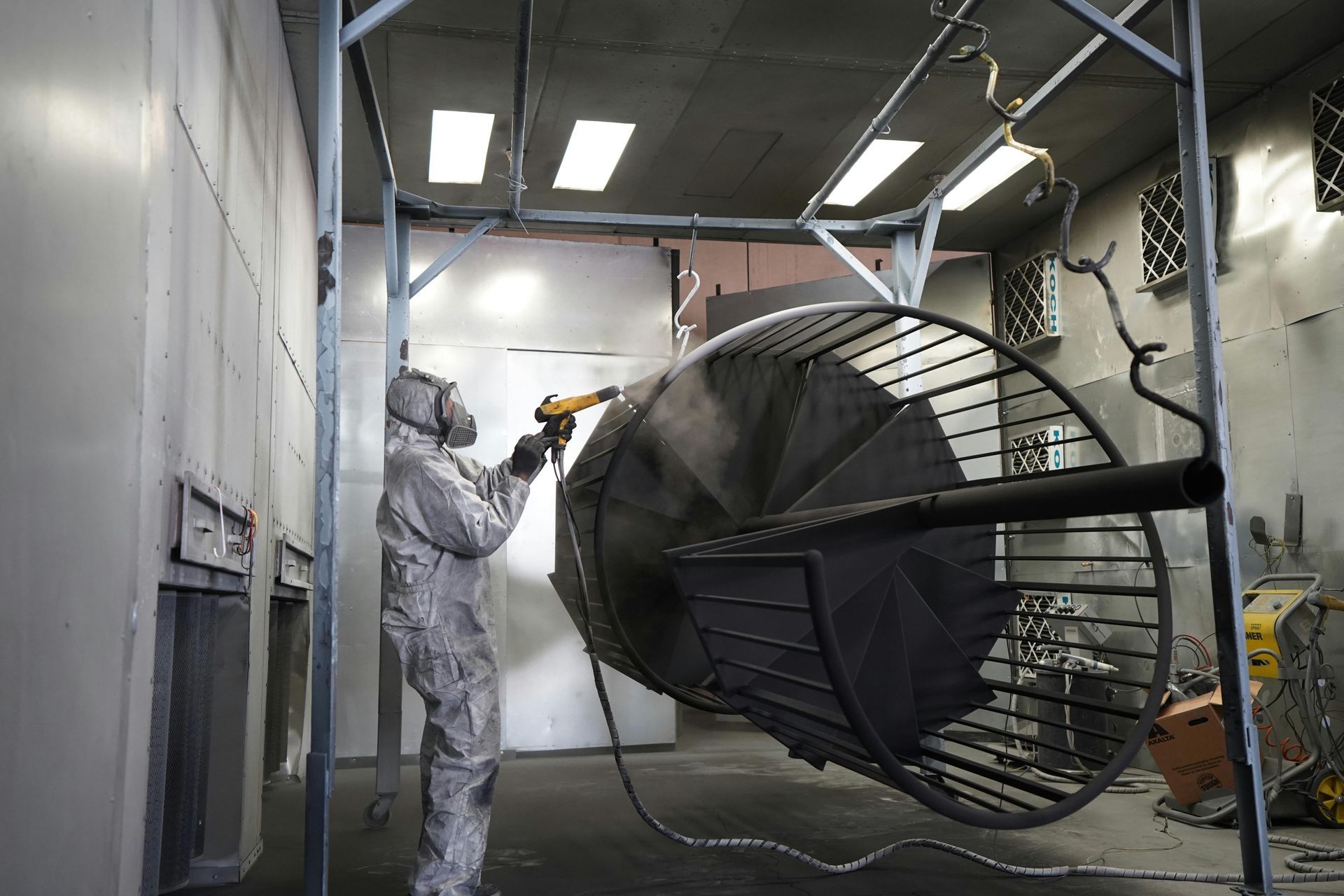
During application, coating powders are sprayed using an electrostatic gun. The powder particles receive a charge and are attracted to the grounded metal surface. This allows even coverage, including complex geometries.
Professional powder coating shops carefully control voltage settings, spray distance, and part grounding to ensure consistent thickness.
Oven Curing and Film Formation
After application, parts are cured in an oven at a specified temperature. The powder melts, flows, and chemically cross links into a solid film.
This curing stage transforms loose powder into a durable coating that resists corrosion, chemicals, and impact. Proper time and temperature control are critical. Undercuring reduces durability, while overcuring can discolor or degrade the finish.
Benefits of Advanced Coating of Powders
Superior Corrosion Protection
Powder coating creates a continuous barrier that blocks moisture and oxygen from reaching the metal surface. For outdoor applications such as railings, gates, and structural components, this significantly extends service life.
Impact and Abrasion Resistance
Compared to liquid paint, powder coating forms a thicker and more uniform film. This improves resistance to chips and scratches, especially on automotive parts and industrial equipment.
Environmental Advantages
Powder coating contains no solvents and emits minimal volatile organic compounds. Overspray can often be reclaimed, reducing waste and improving efficiency.
Long Term Cost Efficiency
Although powder coating price may be higher upfront than simple paint, the long term savings are substantial. Reduced maintenance and extended lifespan improve overall return on investment.
Applications Across Industries
Automotive Powder Coating
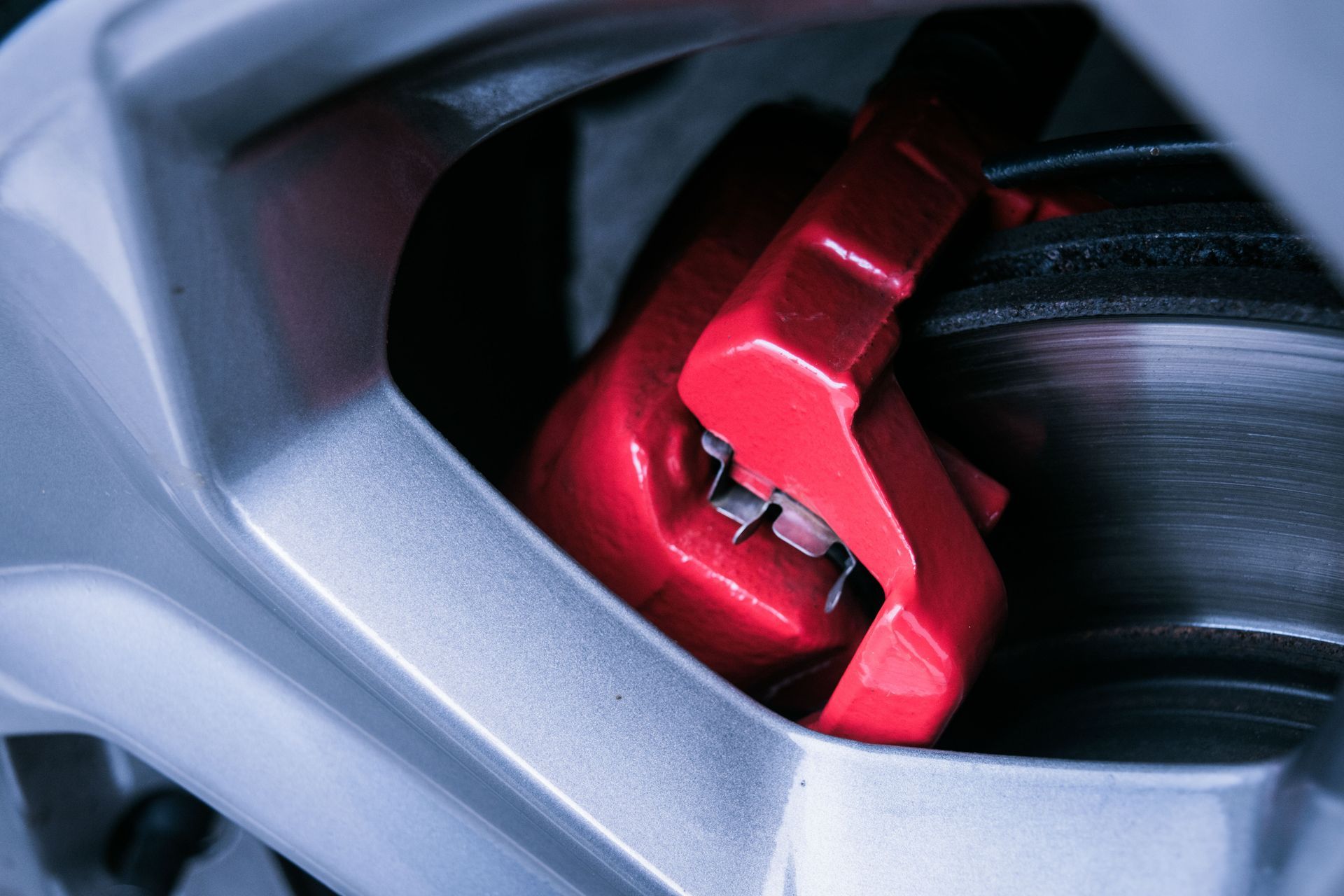
Wheel powder coating remains one of the most popular applications. The combination of corrosion resistance and impact durability makes it ideal for daily drivers and performance vehicles.
Architectural and Structural Steel
Powder coating protects railings, fencing, and commercial steel against harsh weather. In areas with seasonal moisture and temperature fluctuations, corrosion protection coating systems are essential.
Industrial Equipment
Machinery and fabricated steel components benefit from the mechanical strength of powder coatings. The coating withstands heavy use while maintaining professional appearance.
Powder Coating Versus Traditional Liquid Coatings
Traditional paint systems rely on solvents and often require multiple layers. They are more prone to chipping and fading over time.
Powder coating offers:
• Greater film thickness consistency
• Improved durability
• Better edge coverage
• Reduced environmental impact
For most metal finishing applications, powder coating provides superior long term performance.
What to Look for in a Professional Powder Coating Service
Choosing a powder coating company involves more than selecting a color. Look for:
• In house media blasting capability
• Controlled curing ovens
• Knowledge of coating powders and resin systems
• Experience with corrosion resistant coating applications
• Quality inspection procedures
Understanding coating of powders at both the material and process level separates professional shops from basic applicators.
Final Thoughts
The coating of powders represents the intersection of chemistry, engineering, and skilled application. Advanced powder coating technology depends on properly formulated powders, thorough surface preparation, and controlled curing processes.
For anyone seeking durable metal finishing solutions, powder coating offers a proven combination of corrosion resistance, impact strength, and long term value. When applied correctly with proper media blasting and process control, powder coating remains one of the most reliable protective systems available in modern manufacturing and fabrication.
Share This Post!