Coating of Powders | What You Need to Know Before Powder Coating
TL;DR
• The average
cost to powder coat ranges from 50 to 200 dollars per part, with wheels typically 100 to 200 dollars each
• One pound of powder coat covers about 100 to 130 square feet at standard thickness
• Powder coating lasts 10 to 20 years when properly prepped and cured
• Media blasting is critical to long term adhesion and corrosion resistance
• Powder coating
outperforms paint in durability but has higher upfront cost
• The 7 step powder coating process ensures consistent professional results
Coating of Powders: Cost, Coverage, Process.
If you are researching coating of powders, you are likely trying to understand the real world cost, durability, and performance of powder coating. Coating of powders refers both to the science behind engineered coating powders and to the powder coating process used in metal finishing. Whether you are comparing powder coating vs paint, wondering about lifespan, or searching for powder coating services near you, this guide answers the most common questions clearly and professionally.
This article is especially helpful for customers in Maricopa County Arizona, Salt Lake County Utah, Dallas Fort Worth Texas, Orange County California, and Cook County Illinois who are evaluating powder coating for automotive, residential, or industrial projects.
What Is the Average Cost to Powder Coat
The average powder coating price depends on size, preparation requirements, and complexity.
Typical Pricing Ranges
• Small brackets or parts: 50 to 150 dollars
•
Automotive wheels: 100 to 200 dollars per wheel
• Railings and gates: priced per linear foot
• Structural steel or large components: custom quote
At Full Blown Coatings, one of the biggest cost variables we see is surface preparation. A part that requires extensive media blasting to remove rust, paint, or mill scale will naturally cost more than a clean, new fabrication.
What Affects Powder Coating Price
• Size and geometry of the part
• Surface condition and blasting needs
• Powder color and specialty finishes
• Quantity of parts
• Turnaround time
Industrial powder coating projects are often priced per square foot or per job depending on scale.
How Much Will 1 Pound of Powder Coat Cover
Under standard conditions, one pound of powder coat will cover approximately 100 to 130 square feet at one mil thickness.
However, real world coverage varies based on:
• Desired film thickness
• Part geometry
• Transfer efficiency
• Overspray recovery systems
Complex parts require more powder due to edge build and wraparound. Professional powder coating shops use controlled spray techniques and reclaim systems to maximize efficiency.
How Long Will Powder Coat Last
Powder coating typically lasts 10 to 45 years depending on environmental exposure and proper preparation.
In dry climates such as parts of Arizona or Utah, properly applied corrosion resistant coating systems can last decades. In coastal or high humidity areas, longevity depends heavily on thorough media blasting and correct curing.
We have seen improperly prepped parts fail within a few years. After proper grit blasting and controlled curing, the same components can perform reliably for well over a decade.
Is It Cheaper to Paint or Powder Coat
Upfront Cost
Liquid paint is usually less expensive upfront. It requires minimal equipment and no curing oven.
Long Term Cost
Powder coating is more durable, chip resistant, and corrosion resistant. Over time, it reduces maintenance, repainting, and labor costs.
When comparing powder coating vs paint, the long term return on investment often favors powder coating for metal surfaces exposed to weather or heavy use.
Environmental Advantages of Powder Coating
Powder coating is widely recognized as a more environmentally responsible finishing method compared to many liquid coating systems. It contains little to no volatile organic compounds and produces minimal hazardous waste.
As industry expert PPG notes, “The U.S. Environmental Protection Agency and other government organizations around the world consider powder coating to be a sustainably advantaged finishing solution.”
Because overspray powder can often be reclaimed and reused, waste is significantly reduced. For commercial projects and environmentally conscious customers, this sustainability factor is an added benefit alongside durability.
What Are the Disadvantages of Powder Coating
While powder coating offers many benefits, it does have limitations.
• Higher initial cost than paint
• Requires oven curing, which limits size
• Difficult to repair seamlessly in the field
• Not ideal for ultra thin coatings
That said, for most automotive, structural, and industrial applications, the durability outweighs these disadvantages.
What Cannot Be Powder Coated
Powder coating requires conductive substrates and oven curing.
Materials that typically cannot be powder coated include:
• Heat sensitive plastics
• Certain composite materials
• Wood without specialized conductive prep
• Extremely large structures that cannot fit in curing ovens
In these cases, alternative coating systems may be more appropriate.
Does Sherwin Williams Have Powder Coat
Yes. Sherwin Williams manufactures industrial powder coatings used in commercial and industrial applications.
Other major coating powder suppliers include global industrial brands that provide polyester, epoxy, and hybrid systems.
However, brand selection alone does not guarantee performance. Surface preparation and proper application are equally important.
What Is the 7 Step Process in Powder Coating
Professional powder coating services typically follow a structured process.
Step 1 Inspection
Evaluate substrate condition and identify contamination.
Step 2 Cleaning and Degreasing
Remove oils and surface contaminants.
Step 3 Media Blasting
Perform sandblasting service or grit blasting to create proper anchor profile.
Step 4 Rinsing and Drying
Ensure a clean, dry surface prior to coating.
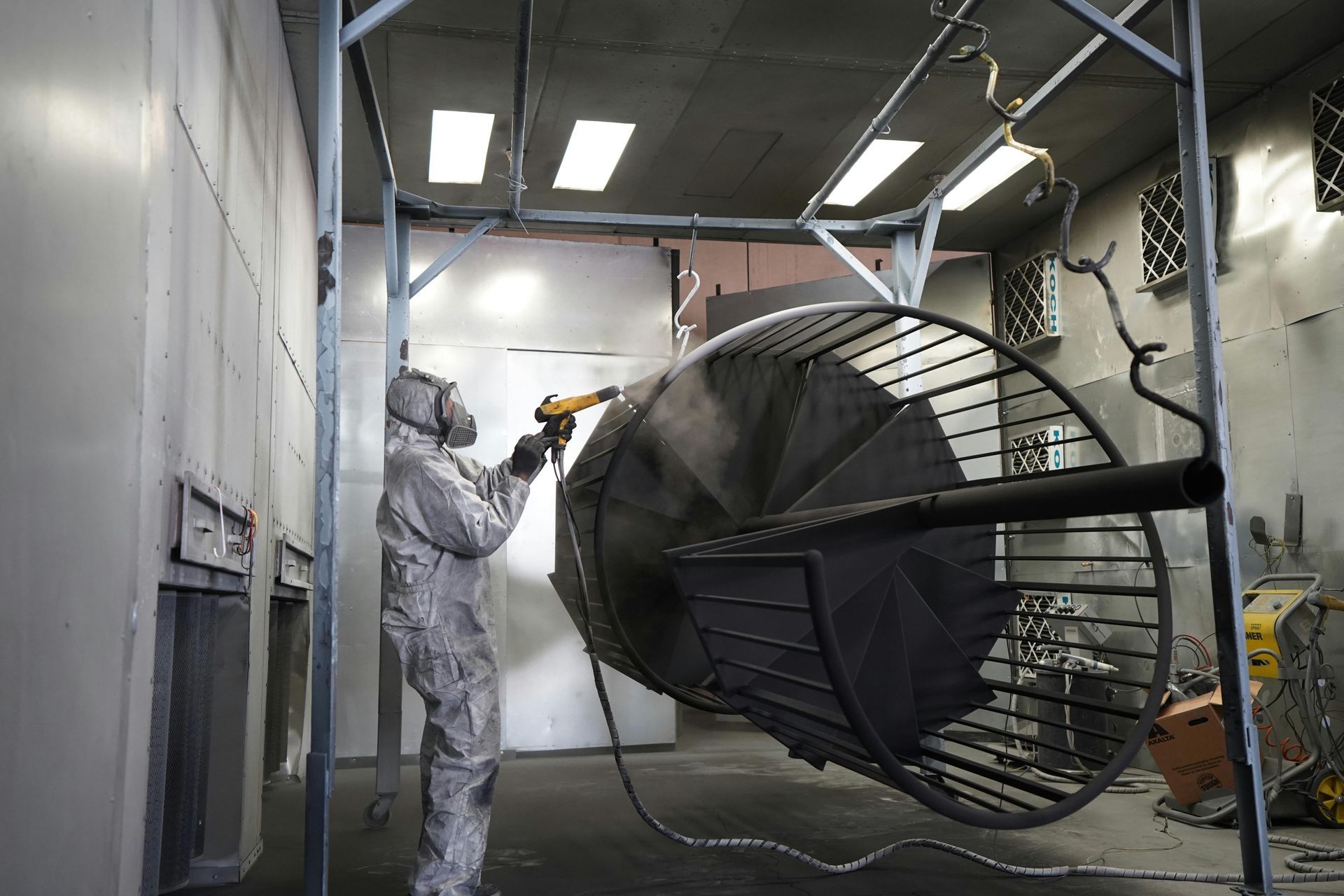
Step 5 Powder Application
Apply powder using electrostatic spray equipment.
Step 6 Oven Curing
Heat parts to specified temperature to melt and cross link the coating.
Step 7 Quality Control
Measure thickness, inspect coverage, and verify finish consistency.
Following these steps ensures a durable powder coating finish.
What Is Better Than Powder Coating
For most metal finishing applications, powder coating offers an excellent balance of cost, durability, and environmental performance.
However, alternatives may be appropriate in specific cases.
• Anodizing for aluminum applications
• Galvanizing for extreme corrosion environments
• Ceramic coatings for high heat components
Each coating system has its place, but powder coating remains one of the most versatile and cost effective protective finishes available.
Final Thoughts
Coating of powders combines advanced material science with professional surface preparation and controlled application. Understanding powder coating price, coverage rates, durability, and limitations allows you to make an informed decision.
If you are searching for powder coating services near me or comparing industrial powder coating options, focus on quality surface preparation, proper curing, and experienced application. These factors determine whether your finish lasts for years or fails prematurely.
When done correctly, powder coating provides a long lasting, corrosion resistant, and professional finish that outperforms traditional paint in most applications.
Share This Post!