Ceramic Coating: How Much Does It Cost, How Does It Work, and Uses
TL;DR:
- Ceramic Coating on high-heat parts is a thin-film protective finish for components like headers, manifolds, turbo housings, and exhaust tubes, not a paint-detailing product. Cerakote identifies these as core automotive applications for its high-temperature ceramic coatings.
- High-heat ceramic coating is useful because it is built for thermal cycling, corrosion resistance, and harsh service conditions, including winter road salts and repeated heat exposure.
- The biggest drivers of cost are usually prep, blasting, part complexity, masking, and the number of parts, not just the coating material itself. This is an inference from the coating’s thin-film nature, substrate requirements, and high-temp application context described by Cerakote.
- If you are coating exhaust headers or similar parts, the process only works well when the metal is properly cleaned, blasted, and prepared first. Poor prep undermines adhesion and long-term performance.
- High-heat ceramic coating is different from powder coating. Cerakote explicitly positions its automotive high-temp coatings as an alternative that can replace paint and powder coating in certain high-heat applications.
- If your part lives in heat, moisture, corrosion, and repeated thermal shock, a properly applied high-temp ceramic coating can be a very practical upgrade rather than just a cosmetic one.
- The general cost of ceramic coating depends on multiple factors such as
Ceramic Coating for Exhaust Headers and High-Heat Parts: How It Works, What It Costs, and Why It Is Useful
When you look into Ceramic Coating for high-heat parts, you are not looking at a detailing add-on for paint. You are looking at a functional metal-finishing system for parts like exhaust headers, manifolds, turbo housings, and exhaust tubes that live in a much harsher environment than most finished surfaces ever will.
If you are considering cerakote ceramic coating or ceramic coating for exhaust headers, the main questions are usually simple: how does it work, what goes into the process, what affects the cost, and what do you actually gain from doing it. Cerakote’s automotive materials describe its high-temperature coatings as solutions for parts such as headers, manifolds, exhaust tubes, and turbo housings, built to handle extreme temperatures while still providing a durable finish.
That matters because headers and exhaust parts do not fail in the same way painted body panels do. They deal with repeated heat cycles, road moisture, salt, grime, and constant thermal stress. Cerakote says its high-temperature coatings are designed to provide long-lasting corrosion protection during thermal cycling and thermal shock, including exposure to winter road salts and deicing solutions. That makes high-heat ceramic coating useful not just for appearance, but for real service-life reasons.
An expert quote that fits this topic well comes directly from Cerakote’s automotive materials: “The first coatings Cerakote ever manufactured were high-temperature automotive coatings.” That is relevant because it shows this category was not treated as an afterthought. It was developed around high-heat automotive needs from the beginning.
What High-Heat Ceramic Coating Actually Is
If you are coating headers or exhaust parts, high-heat ceramic coating is best understood as a thin protective ceramic film engineered for metal components exposed to extreme temperature swings and corrosive conditions. Cerakote describes itself as a leader in thin-film ceramic coatings and emphasizes thin-film performance in automotive applications, especially where parts face harsh and violent environments.
That thin-film nature is important. On high-heat parts, you often do not want a bulky finish that interferes with tolerances, traps problems, or behaves poorly under repeated heating and cooling. Cerakote specifically highlights thin-film properties as a strength for automotive applications and lists a wide range of metal substrates, including mild steel, cast metal, stainless steel, titanium, magnesium, and aluminum.
So if you are wondering whether high-heat ceramic coating is “just paint for hot parts,” the answer is no. It is a more specialized coating system built around a harsher service environment and a different set of performance demands.
What Parts It Is Usually Used On
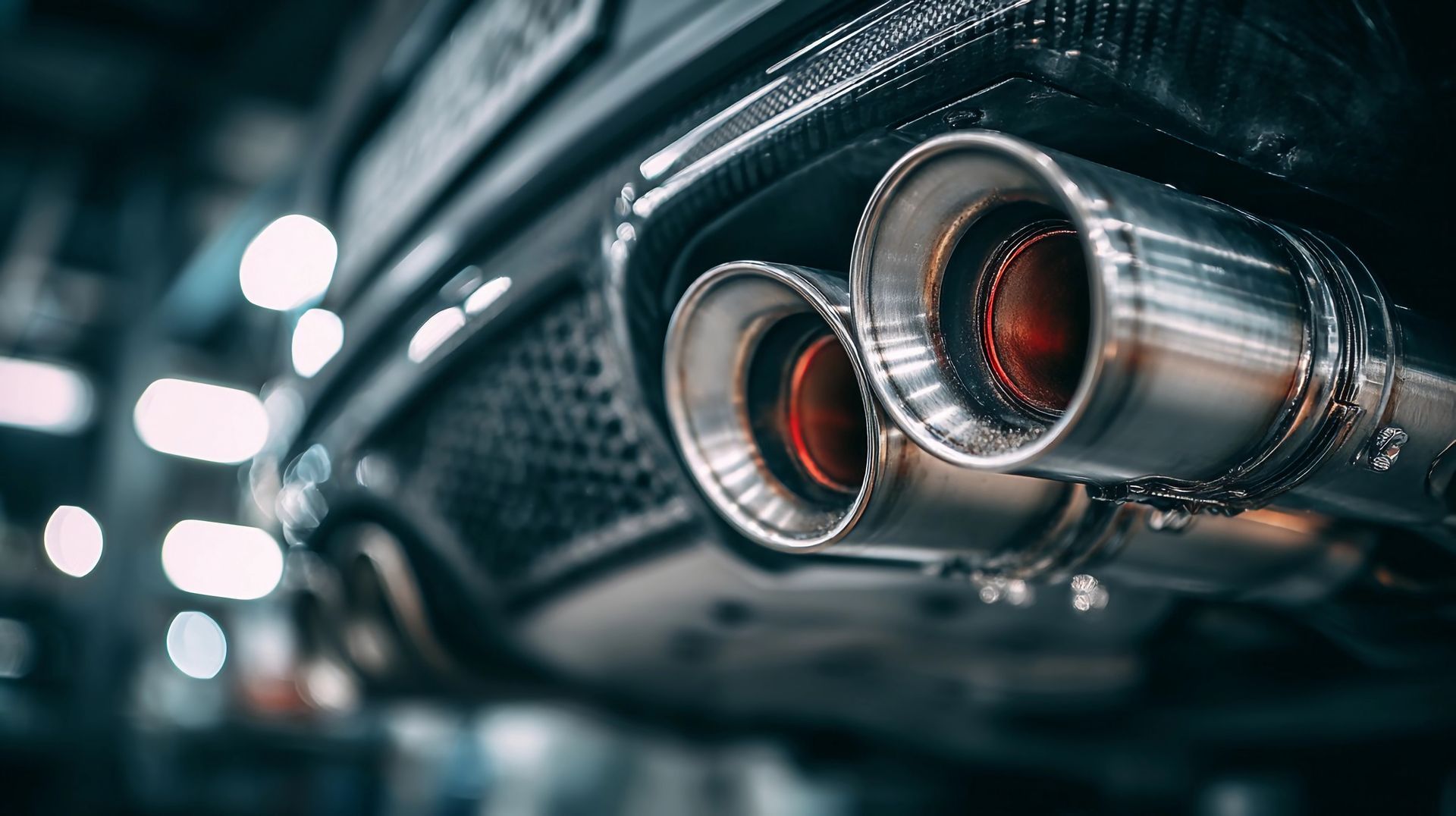
Cerakote’s automotive application page is very direct about where these coatings belong. Common high-temperature uses include:
- headers and manifolds
- exhaust tubes
- exhaust tips
- turbo housings
- intercooler-related components
- other powertrain parts exposed to harsh environments.
For you, that means this coating makes the most sense when the part is regularly exposed to:
- serious heat
- repeated heat cycling
- moisture and road grime
- underhood contamination
- corrosion risk
- appearance loss from untreated metal aging.
At Full Blown Coatings, this is often where the conversation becomes more technical than people expect. A customer may come in focused on color, but on headers and manifolds, the bigger discussion usually becomes substrate condition, heat exposure, and whether the part is being coated for durability, appearance, or both. On high-temp parts, those choices matter more than they do on simpler cosmetic parts.
How High-Heat Ceramic Coating Works
The basic job of high-heat ceramic coating is to create a protective barrier on metal that can survive repeated exhaust-like temperature conditions. Cerakote’s exhaust simulator materials explain that it tests coatings using heat generated from the inside out, specifically to simulate real-world exhaust-system conditions. It also notes that those tests can reproduce exhaust gas temperature conditions ranging from about 1200°F to 2100°F in fluctuating scenarios.
That gives you a very practical picture of what the coating is trying to survive. It is not just sitting on a warm bracket. It is being asked to live on parts that heat up hard, cool down, and repeat that cycle over and over. In that environment, the coating needs to resist:
- oxidation
- corrosion
- thermal cycling stress
- surface degradation
- finish breakdown from repeated exposure.
Cerakote also says its high-temperature coatings can handle temperatures up to 1,800°F in certain automotive applications while still maintaining finish quality. Some of its C Series product listings reinforce this, such as Black Velvet C-7300, which Cerakote says will perform at temperatures up to 1800°F and is popular on motorcycle pipes and automotive headers.
Why Surface Prep and Blasting Matter So Much
If you are trying to figure out what really goes into this process, prep is one of the biggest pieces. High-heat ceramic coating is not the kind of finish that works best when applied over questionable surface conditions. These parts usually need to be:
- cleaned thoroughly
- stripped of contamination
- blasted to the right surface condition
- masked where necessary
- coated only after the substrate is truly ready.
Cerakote’s automotive positioning emphasizes performance on real metal substrates and in real harsh environments, which strongly implies the need for controlled prep before application. Its emphasis on corrosion resistance and long-term durability only makes sense when the surface is properly prepared first.
In practical terms, blasting matters because exhaust parts often arrive with:
- oxidation
- heat discoloration
- old residue
- carbon contamination
- scale
- surface corrosion
- previous failed coatings.
At Full Blown Coatings, this is one of the places where customers often underestimate the work. They may see a set of used headers and think they only need “a quick coat.” In reality, a lot of the value is in getting the metal back to a condition that gives the coating a real chance to bond and perform.
What the Process Usually Involves
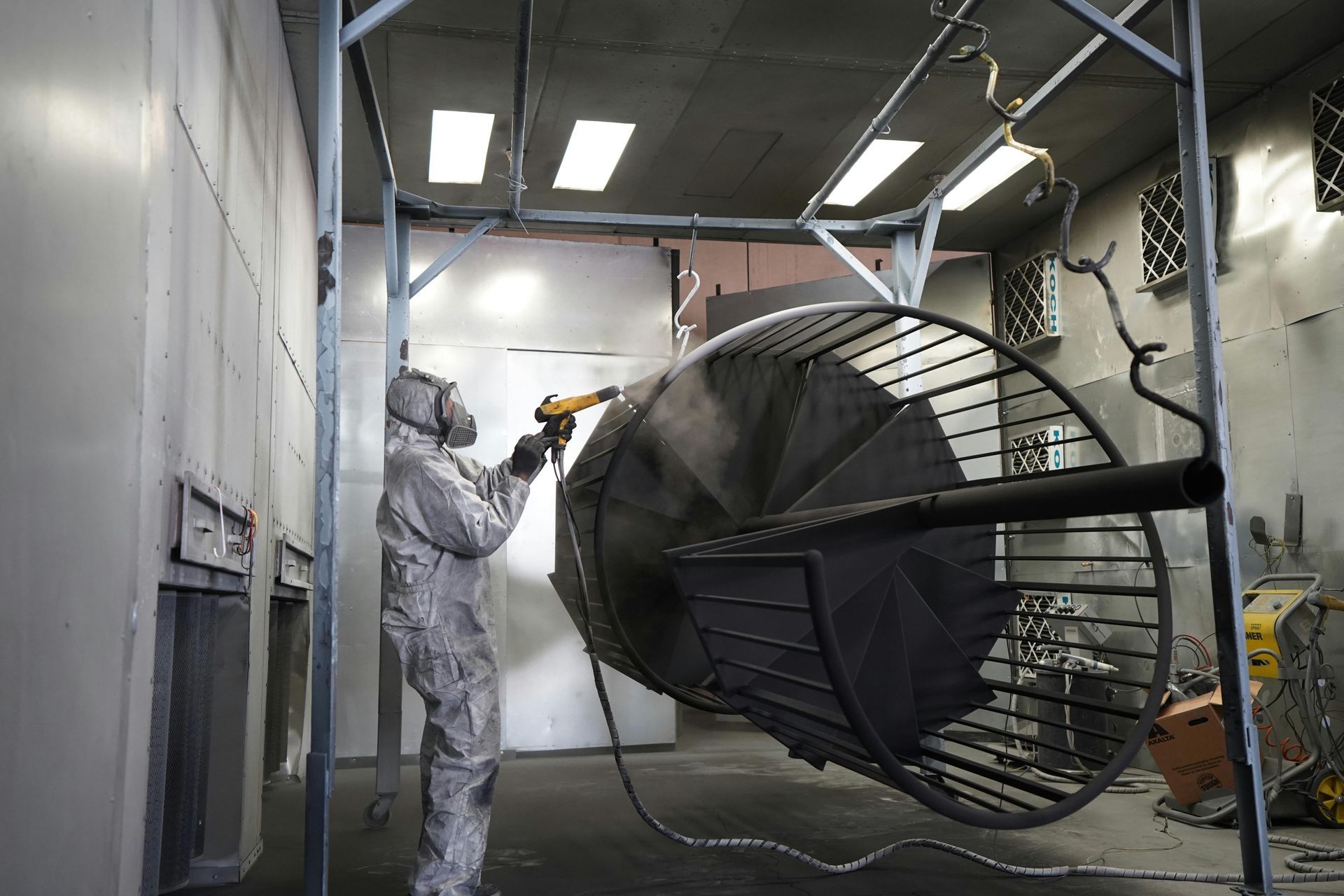
A strong high-heat ceramic coating job usually includes several stages, even if the customer only notices the finished look at the end.
Inspection and part evaluation
The first step is figuring out what the part is made of, what condition it is in, and what it will be exposed to. Cerakote lists multiple common substrates for automotive use, from mild steel and cast metal to stainless and titanium, and substrate type can change how the part is handled.
Cleaning and decontamination
Before blasting or coating, contamination has to be addressed. Exhaust parts tend to collect oil, soot, road grime, and heat-related residue. If that stays in the system, it works against the coating.
Blasting and surface preparation
Blasting helps remove residue, corrosion, and old finish while establishing the right surface for the coating. On high-temp parts, this step is often one of the most important for both adhesion and final consistency.
Masking and controlled application
Not every surface on a part may need to be coated the same way, and some areas may need to be protected depending on fitment or function.
Cure or dry schedule depending on the product line
Cerakote notes that some C Series coatings are air cured, ready-to-spray ceramic coatings, which is different from finishes that require a full oven cure. That affects how the shop handles the process and what the coating system expects after application.
What Affects the Cost
If you are asking how much high-heat ceramic coating costs, the short answer is that price is driven more by labor and prep complexity than by the idea of “one coating equals one price.”
The biggest cost drivers are usually:
- the number of parts
- part size
- geometry complexity
- whether the parts are new or used
- how much blasting and decontamination are required
- masking time
- product line and heat-performance requirements
- whether the customer wants a standard finish or a more premium appearance option.
This cost logic is an inference from Cerakote’s application context, thin-film performance positioning, and the reality that these parts often require significant surface prep and handling before coating.
A new set of clean headers is a very different job from an older set with corrosion, old finish remnants, and heavy contamination. The finished color may look similar, but the path to get there is not the same.
Why It Is Actually Useful
The value of high-heat ceramic coating comes down to what it helps you avoid and what it helps you preserve.
Corrosion resistance
Cerakote explicitly emphasizes long-lasting corrosion protection on high-temperature parts, including under winter road salt and deicing exposure. That matters in Utah, where seasonal road treatment and changing temperatures can be hard on undercar and exhaust components.
Better durability under heat cycling
This is one of the biggest functional benefits. Repeated heat-up and cool-down cycles are hard on untreated metal finishes. High-temp ceramic coating is designed around that problem. Cerakote’s exhaust simulator testing materials are useful here because they show the brand is evaluating these coatings under real exhaust-style thermal conditions rather than just static oven heat.
Better long-term appearance than bare metal
Even if your main concern is durability, appearance still matters. Bare or untreated exhaust parts often lose their finish quality quickly. A properly applied ceramic coating helps the part stay more finished-looking while also protecting it.
Thin-film performance where powder coating is not ideal
Cerakote specifically says its coatings often replace paint and powder coating in automotive applications. That is relevant because headers and similar parts are exactly the kind of components where high heat can make powder coating the wrong fit.
When It Makes Sense and When It Does Not
High-heat ceramic coating makes the most sense when:
- the part sees serious heat
- corrosion resistance matters
- the finish needs to survive thermal cycling
- you want a thin, performance-oriented coating
- the part is a header, manifold, turbo housing, or similar component.
It makes less sense when:
- the part is not actually exposed to high heat
- the job would be better served by a standard powder coating finish
- the customer expects it to solve problems caused by poor prep or damaged metal
- the wrong type of coating is being chosen for the wrong type of part.
That last point is important. If your real goal is durable color and corrosion protection on a lower-heat fabricated part, powder coating may still be the better fit. High-heat ceramic coating is most useful when the environment justifies it.
Final Thoughts
If you are looking at Ceramic Coating only in the high-heat sense, the real value is not hype. It is in what the process is built to do: protect headers, exhaust components, manifolds, and similar parts from heat-related finish breakdown, corrosion, and long-term abuse. Cerakote’s automotive materials make that use case very clear, especially around headers & manifolds, exhaust tubes, turbo housings, and the need for durability under thermal cycling and thermal shock.
For you, the smartest way to evaluate the service is to focus on three things:
- what the part is actually exposed to
- how well the shop prepares the surface
- whether the coating system is truly meant for that level of heat and use.
Once you frame it that way, the coating becomes much easier to understand. It is not just a cosmetic upgrade. It is a technical finish system for parts that live in one of the harshest environments on your vehicle.
Share This Post!