How to Clean the Rust on Your Metal: What Works, What Does Not.
TL;DR:
- When you ask how to clean the rust on metal, the right answer depends on whether you are dealing with light surface rust, moderate corrosion, or deeper pitting. Light rust can sometimes be handled with household methods, while heavier rust often needs sanding, grinding, or blasting.
- Removing rust baking soda can work well on smaller items and lighter rust, especially when you let the paste sit and then scrub it off thoroughly.
- Vinegar-based methods can also work on removable items, but they are not the best answer for every metal or every level of corrosion.
- If the part is heavily rusted, pitted, scaled, or headed for paint or powder coating, hand cleanup is often not enough. Mechanical prep like sanding, grinding, or media blasting usually produces a better result.
- Good rust removal is not just about making metal look cleaner. It is about getting it clean enough to stop corrosion from spreading and to support whatever finish comes next.
- If you want the part to stay rust-free, you need to protect it after cleanup. Bare metal can flash rust quickly if left exposed.
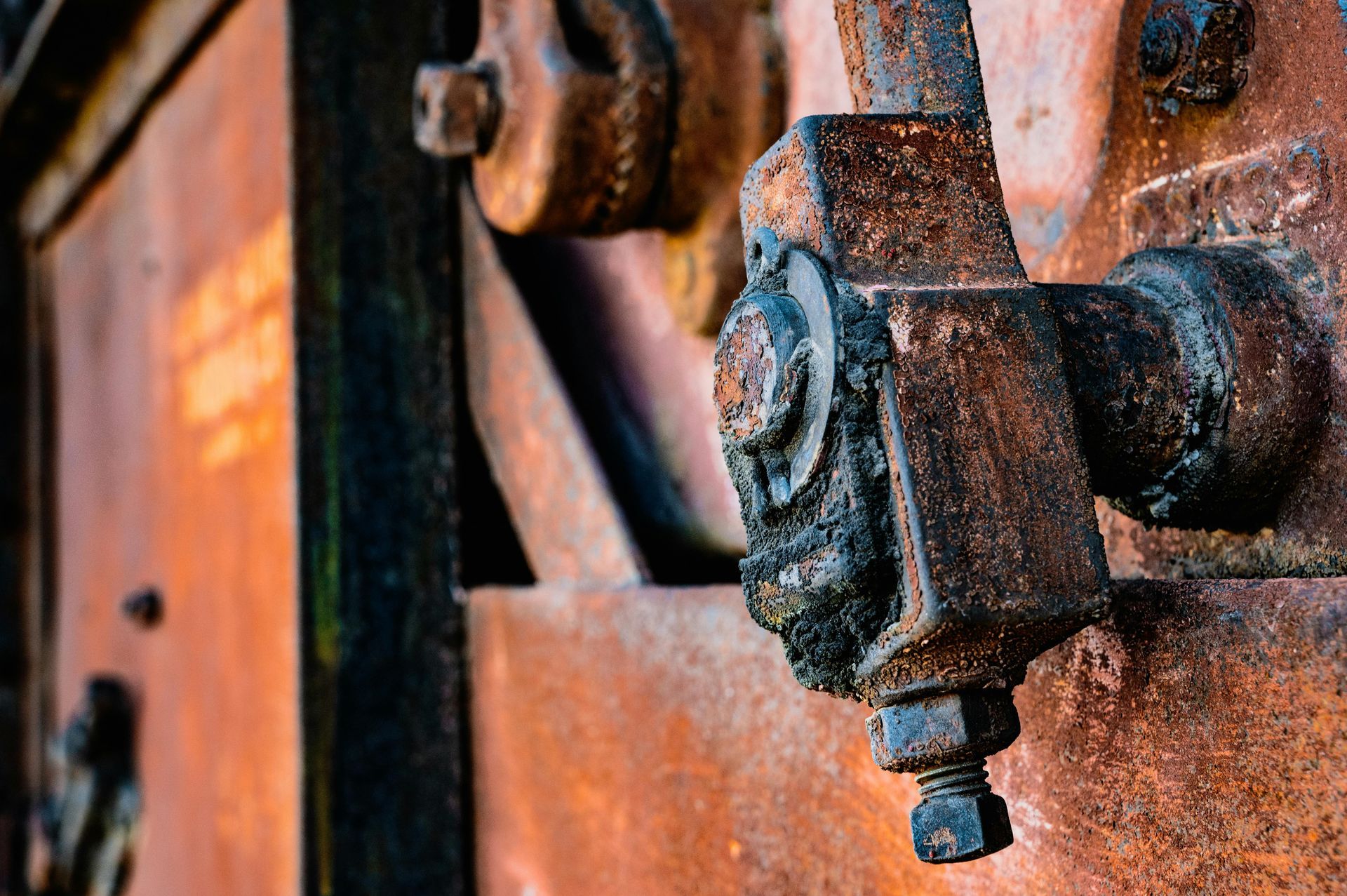
When you start asking how to clean the rust on your metal, the first thing to understand is that rust removal is not one single job. If you are dealing with a light orange film on a hand tool, one method may work well. If you are dealing with flaking rust on a bracket, railing, or part you want to powder coat later, that same method may not be enough. The right answer depends on how severe the corrosion is, what the metal is made of, and what you want the part to do after it is cleaned. Household methods like removing rust baking soda can be effective in the right situation, but heavier corrosion often needs a more aggressive approach.
That distinction matters because a lot of people think rust removal is just about appearance. It is not. If you leave active corrosion behind, it can keep spreading under paint, under powder coating, or across the surface of the part. If you plan to coat the part afterward, rust removal has to be good enough for real adhesion, not just good enough to look cleaner from a few feet away.
What Kind of Rust Are You Actually Looking At?
Light surface rust
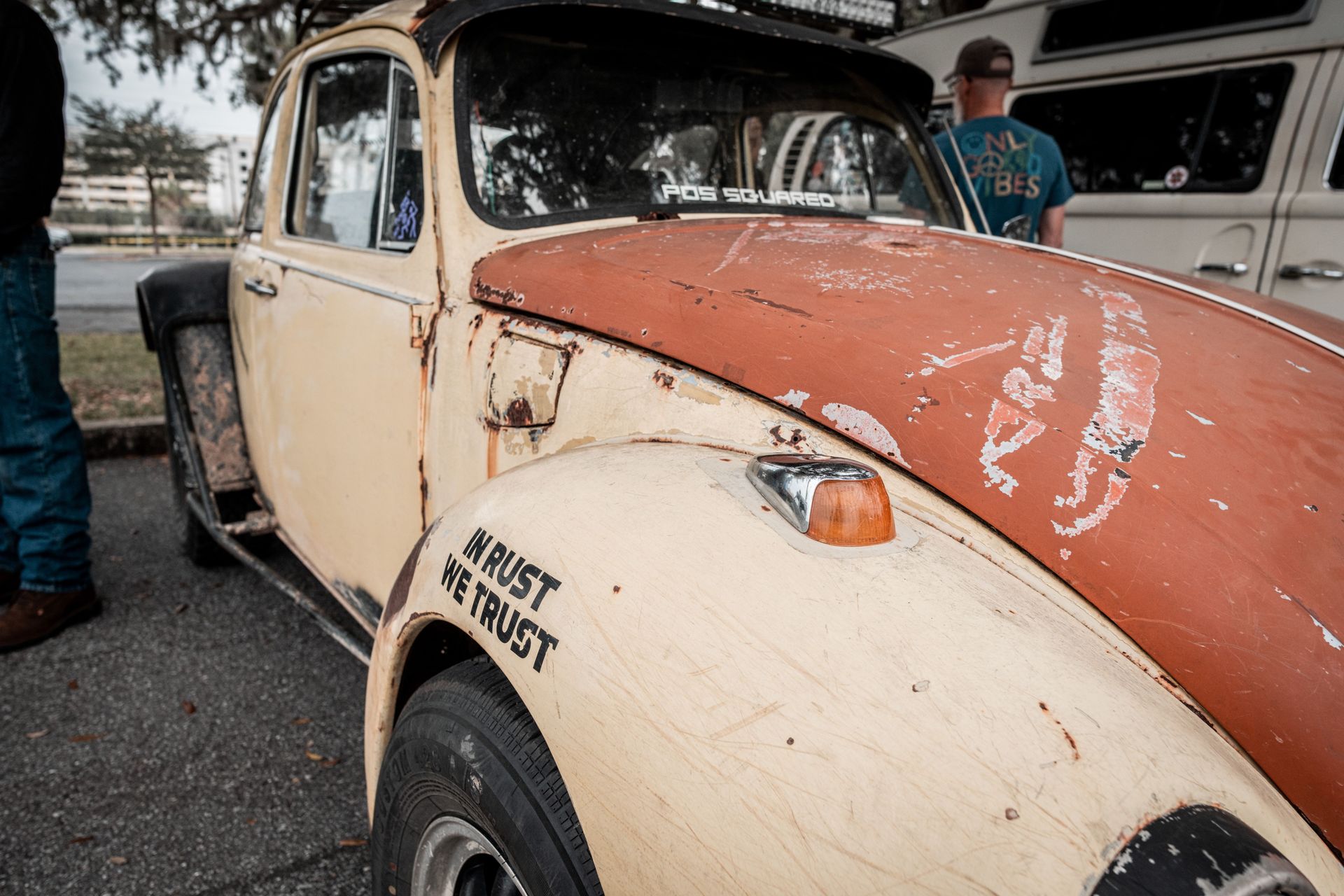
Light surface rust is usually the easiest category to deal with. It often looks like a thin orange or reddish-brown film that sits on top of the metal without much flaking or deep pitting. If that is what you are seeing, gentler methods can sometimes work well.
This is where removing rust baking soda can genuinely be useful. If the rust is light, the item is small, and you can scrub and dry it well afterward, baking soda is a reasonable first step. It is especially practical on household tools, hardware, and other parts you can handle easily at a bench or sink.
Moderate rust
Moderate rust is where things start getting more serious. At this stage, the surface often feels rougher, the corrosion is more stubborn, and you may begin to see small pits or darker areas that do not wipe away easily. This is where simple scrubbing may help, but it often stops being the whole answer.
If you are at this stage, it helps to think less like you are “washing rust off” and more like you are actually preparing a surface. Once corrosion gets past the light-orange stage, your goal is usually not just removal. It is getting the metal back to a more stable and more uniform condition.
Heavy rust, scale, and pitting
Heavy rust is a different category entirely. If you see flaking, layered corrosion, scale, or deeper pitting, DIY paste methods and light scrubbing are usually no longer enough.
TIGER’s pretreatment guide explicitly points to grinding as ideal for heavy rust and major imperfections, and its powder coating process materials also describe mechanical pretreatment as the preferred approach when rust, mill scale, and similar inorganic contaminants need removal.
At this point, the project is less about “cleaning” and more about restoration or preparation. If the part is valuable, structural, or headed for refinishing, heavier rust is often the point where professional blasting or more serious mechanical prep starts to make more sense.
DIY Rust Removal Methods That Actually Work
Removing rust baking soda
Baking soda works best when you are dealing with lighter rust and smaller parts. The DIY method is straightforward: clean the item first, make a thick baking soda and water paste, apply it to the rusted area, let it sit, scrub it off, rinse, and dry the item completely. It also notes that baking soda is a mild abrasive, which is why it can lift lighter rust without being as harsh as more aggressive abrasives.
For you, the main benefit of this method is that it is accessible and low-risk on smaller objects. The limitation is that it is slow and not especially powerful when corrosion is more advanced. If the rust is thick, flaky, or buried in pits, baking soda usually becomes a partial cleanup step rather than a full solution.
Vinegar for rust removal
Vinegar is another method that can work well on removable parts, especially small tools and hardware. Bob Vila’s rust-removal guide describes soaking rusted items in a distilled white vinegar and salt mixture, then rinsing and scrubbing them after the soak. On cast iron, it also notes that vinegar-and-water soaking can be effective but should be timed carefully because vinegar can keep working after the rust lifts.
For you, vinegar is most practical when the part is small enough to soak and when you can dry it completely afterward. It is less useful for large fixed parts, fabricated assemblies, or anything where full immersion is unrealistic.
Hand scrubbing and wire brushing
Manual abrasion is often what bridges the gap between chemical loosening and true rust removal. After baking soda or vinegar has loosened lighter corrosion, brushes, scouring pads, and hand abrasives often help finish the job. This method is useful because it gives you direct control, but it also has limits. If the rust is embedded in pits, under failed coating, or spread across a larger surface, hand tools can become inefficient quickly. That is why heavier rust often moves the project toward sanding, grinding, or blasting.
Sanding for better control
Sanding is one of the more useful middle-ground methods. It gives you more bite than a household scouring pad but usually more control than grinding.
If your part is moderately rusted and you want a cleaner, more even surface for paint or further prep, sanding is often the point where the work starts producing more professional results. It is especially useful on flat or accessible areas where you can control pressure and finish quality.
Grinding for heavier corrosion
Grinding is more aggressive and more appropriate when rust is severe or when the surface has larger imperfections.
If you are grinding rust off a part, you are usually already beyond household cleanup territory. You are trying to reshape or restore the surface enough for the part to be usable or coatable again. That can be effective, but it also means you need to think about surface consistency, not just raw removal.
Which Methods Work Best on Different Parts?
If you are cleaning a tool, a small bracket, or household hardware, baking soda, vinegar, and hand scrubbing may be perfectly reasonable first steps.
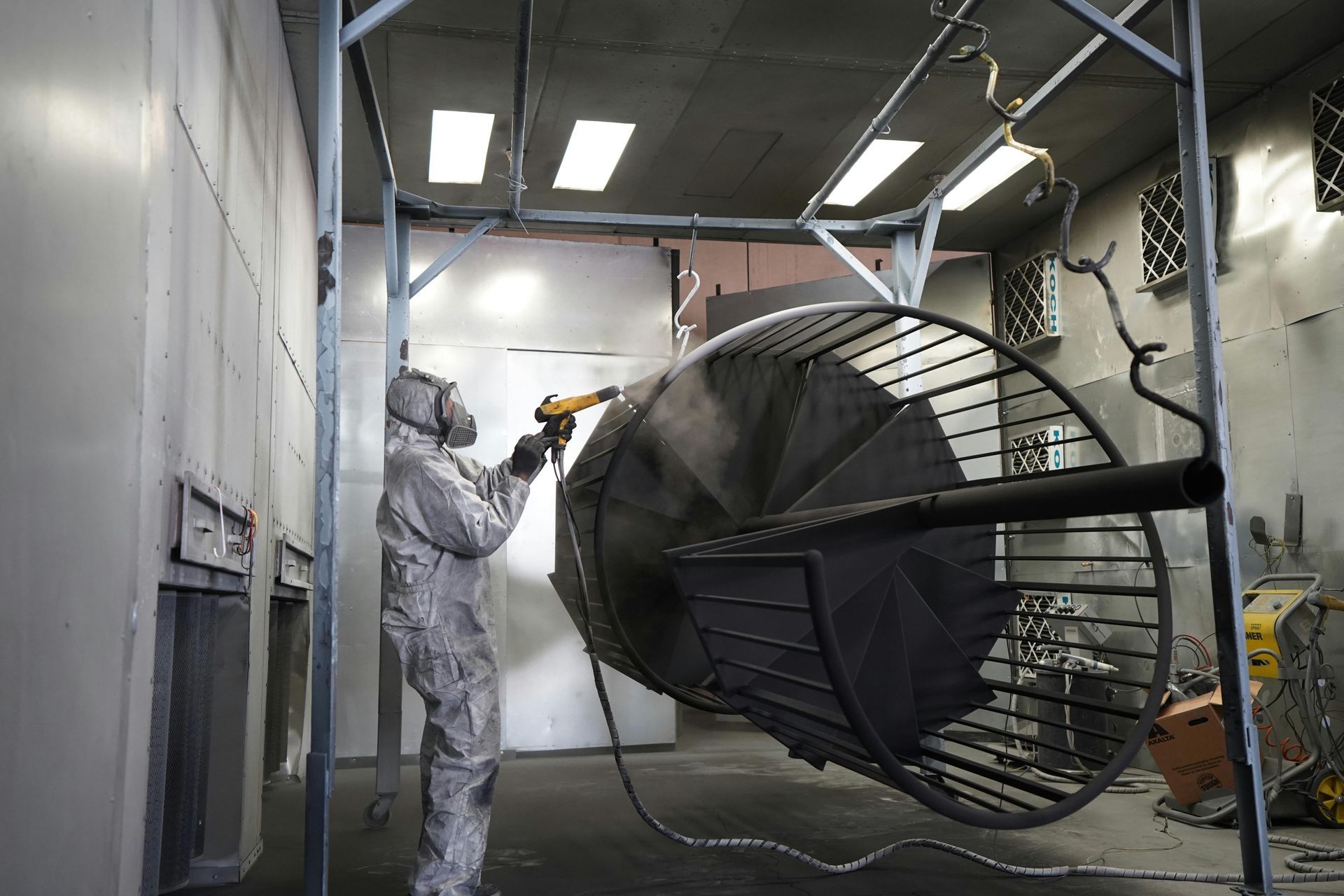
If you are cleaning an automotive part, fabricated metal, or anything you want to powder coat later, your standard should be higher. That kind of metal usually needs to be more than just “less rusty.” It often needs to be uniformly clean and mechanically ready for the next finish. This is where sanding, grinding, or professional blasting become much more realistic options.
If you are dealing with stainless steel, gentler methods are often smarter. Trying milder methods like baking soda first, then moving to stronger cleaners like oxalic-acid-based products only if needed. It also stresses gentle scrubbing in the direction of the grain.
When DIY Stops Being the Best Option
There is a point where DIY rust removal stops being the efficient answer. That usually happens when:
- the rust is deep or widespread
- the part has scale or pitting
- the geometry is hard to reach
- old coating is failing along with the rust
- the part needs a uniform surface profile for paint or powder coating
That is one of the clearest dividing lines between cleanup and real surface preparation. If your goal is simply to improve the appearance of an old hand tool, DIY may be fine. If your goal is to refinish a part and have the next coating last, the metal usually needs more controlled prep.
Why Media Blasting Often Works Better for Serious Rust
Media blasting is often the better answer when you need:
- faster rust removal
- better reach into corners and pits
- more even prep across a whole part
- a consistent profile for a new finish
Abrasive blasting as a preferred mechanical pretreatment when rust, mill scale, and laser oxide need removal. Blasting also creates the consistent profile many coatings need for good adhesion.
This is also where the right blasting media matters. Media such as aluminum oxide or garnet for heavy corrosion and coating removal. That is important because not every rusted part should be blasted the same way, and not every substrate responds the same way to aggressive prep.
At Full Blown Coatings, this is often where customers realize the difference between “good enough to look better” and “good enough to last.” A part may come in after someone has already wire-brushed it at home, and it does look improved. But once it is evaluated for coating, it becomes obvious that rust is still hiding in pits, seams, or old finish remnants. That is usually the moment where blasting becomes the smarter move.
What to Do After You Remove the Rust
Removing rust is only half the job. Once the corrosion is off, the cleaned metal needs to be dried thoroughly and protected quickly. Most methods consistently end with rinsing and drying, which is not a small detail. Bare metal can flash rust quickly if moisture remains or if the part is left exposed too long.
If the part is headed for paint or powder coating, that protection step becomes even more important. The cleaned surface must be stabilized and made ready for adhesion.
This is why the real success test is not just “Did the rust come off?” It is “Is the metal now clean, stable, dry, and ready for what comes next?”
Final Thoughts
If you want the best answer to how to clean the rust on your metal, start by being honest about how bad the rust is and what the part needs afterward. Removing rust baking soda can work well for light rust on smaller items. Vinegar can work for soakable pieces. Sanding and grinding make more sense as corrosion gets heavier. And when the part needs to be truly coating-ready, media blasting is often the better long-term answer.
The goal is not just to make the rust disappear for a moment. The goal is to remove it effectively enough that the metal can either stay clean or support a finish that will last. Once you think about rust removal that way, the right method becomes much easier to choose.
Share This Post!