Powder Coating and SandBlasting in Davis County Utah
TL;DR:
- In Davis County, a search for Sandblasting Near Me usually means the customer needs more than just coating removal. They often need the right Media Blasting process, the right surface profile, and a coating system that can hold up to Utah weather, road exposure, and daily use.
- Davis County has a strong manufacturing and defense-linked economy, anchored in part by Hill Air Force Base and a broader aerospace and industrial base, so durable metal finishing has real local relevance for both businesses and residents.
- The right blasting media depends on the substrate and the goal. Rounded media are typically better for gentler cleaning or finishing, while angular media such as aluminum oxide blast media are used when stronger cutting action and a more aggressive profile are needed.
- Powder coating works best when blasting and prep are treated as part of one full system. TIGER puts it clearly: “Cutting corners in pretreatment can lead to downstream production disasters such as peeling, corrosion and scrap.”
- Utah road conditions matter. Full Blown Coatings’ own Utah Powder Coating content points to winter road salt and seasonal exposure as major reasons customers choose more durable finishing systems for automotive and metal parts.
- The most helpful local coating shop is not just the closest one. It is the one that can explain what kind of sand blast media, profile, prep, and powder system your part actually needs. That conclusion is an inference based on the technical blasting and pretreatment guidance cited here.
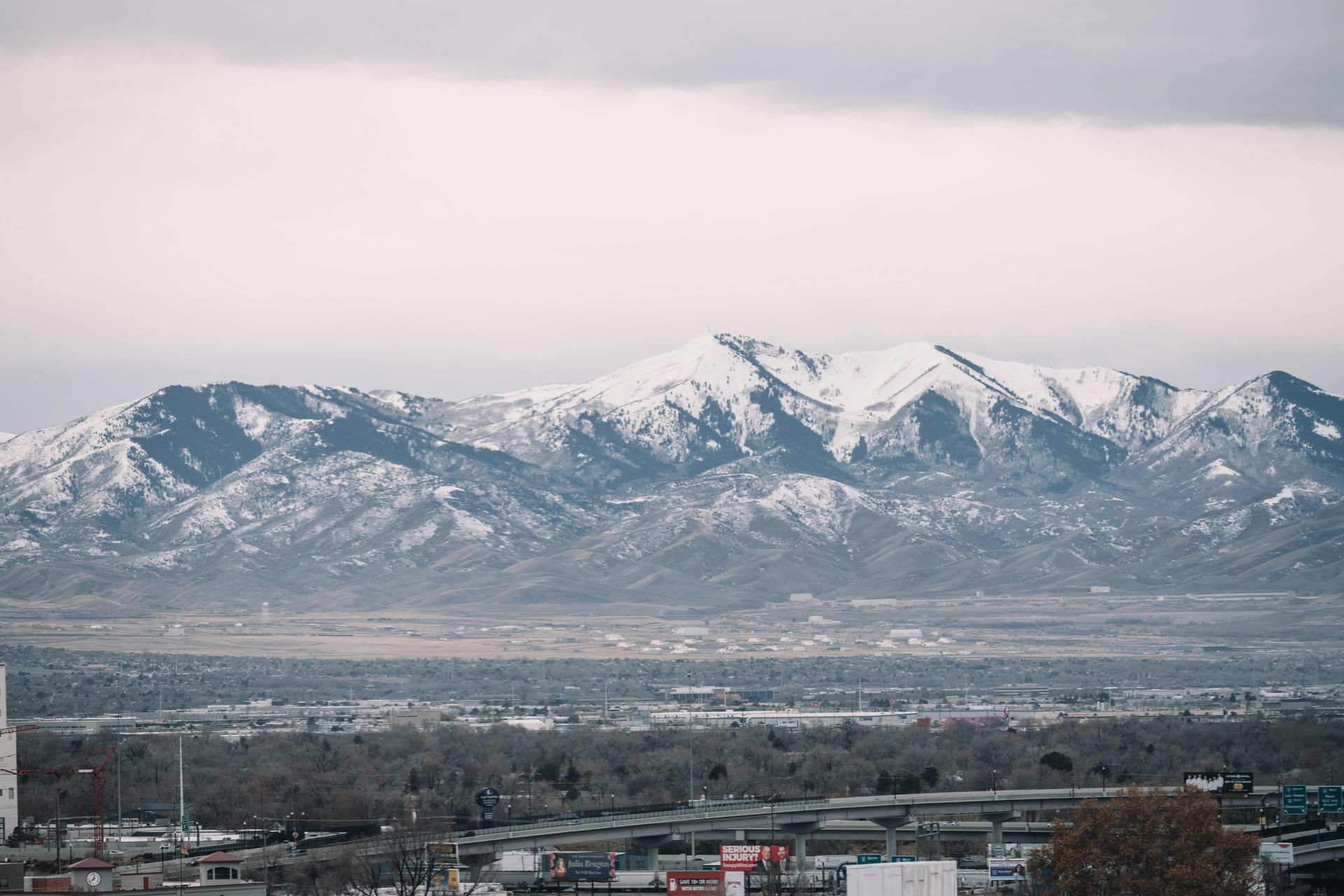
Sandblasting Near Me | Media Blasting and Powder Coating in Davis County Utah
When people in Davis County search Sandblasting Near Me, they are usually trying to solve a real surface problem, not just find the nearest shop with a blasting cabinet. They may need Media Blasting to remove rust, strip old coatings, clean a fabricated part, or build the right surface profile before powder coating. They may also be trying to figure out which blasting media, sand blast media, aluminum oxide blast media, or other abrasive blasting media will actually give them the result they want. In a county shaped by manufacturing, aerospace, defense, commuting, and year-round metal use, that choice matters more than most people think.
This is especially true in northern Utah, where metal parts can face dry summer conditions, winter road exposure, frequent handling, and long-term outdoor wear. Full Blown Coatings’ Utah-focused wheel content specifically points to winter road salt and seasonal exposure as real stressors for coated metal parts in this region. That means blasting and powder coating are not just cosmetic services here. They are often part of how customers protect the parts they rely on.
Why Powder Coating and Sandblasting Matter in Davis County
Davis County is not just a bedroom community. Official county materials describe a diverse economy with a strong defense presence centered around Hill Air Force Base, along with numerous aerospace, healthcare, and manufacturing companies. Hill’s own economic impact materials reinforce how important the base is to the surrounding region. That industrial backbone matters because it creates real demand for durable finishing on fabricated parts, enclosures, equipment, fixtures, brackets, and other metal components.
That same local need also extends beyond industrial work. Residents in Davis County use powder coating and sandblasting for:
- wheels and suspension parts
- railings and gates
- patio furniture
- trailers and utility parts
- shop fixtures and storage
- hobby and custom fabrication projects
The local economy supports both kinds of work at once: higher-performance industrial needs and practical day-to-day consumer needs. That makes it especially important for coating shops to understand both the technical side of prep and the visual side of finishing.
What Media Blasting Actually Does
A lot of customers think blasting is just a rough cleaning process. It can be that, but it can also do much more. Depending on the setup and media, blasting can:
- remove rust and oxidation
- strip paint or failed powder coating
- remove mill scale
- clean contamination from the surface
- create a profile for coating adhesion
- refine the appearance of certain metals
That last point is important. Blasting is not always about being as aggressive as possible. Sometimes the goal is heavy removal. Sometimes the goal is controlled profile. Sometimes the goal is cosmetic refinement. The right process depends on the part and what comes next.
This is why “sandblasting” and “media blasting” are not always interchangeable in practice. The public tends to say sandblasting. Shops often think in terms of media selection, particle shape, profile, and substrate compatibility. The customer may ask for blasting. The shop should be asking what outcome the blasting needs to create.
Why Surface Treatment Matters Before Powder Coating
Blasting is one of the most important parts of the finish system because coating performance starts before the powder is ever applied. TIGER says it directly: “Cutting corners in pretreatment can lead to downstream production disasters such as peeling, corrosion and scrap.” TIGER also explains that any foreign substance between the coating and the substrate can interfere with adhesion.
That is the reason surface treatment matters so much. A part may look cleaner after a quick pass with the wrong media, but still not be properly prepared for powder coating. Adhesion problems, premature chipping, or corrosion under the finish often trace back to what happened before coating, not just the coating itself. In practical terms, blasting and powder coating should be treated as one continuous finish system, not as two unrelated services.
Understanding Blasting Media in Real Terms
One of the biggest differences between a basic blast job and a good one is media selection.
Gentler or rounded media
Rounded or less aggressive media are more appropriate when the goal is lighter cleaning, peening, or a refined surface rather than deep profile. BlastOne’s guidance notes that round abrasives are used for peening, while particle shape has a major effect on cutting speed and profile shape.
For customers, this usually matters on:
- softer metals
- appearance-sensitive parts
- stainless or aluminum pieces
- parts where heavy profile is not desirable
Angular and more aggressive media
Angular abrasives are used when more cutting action is needed. BlastOne’s selection materials explain that angularity changes both coating removal speed and the type of profile left behind. It also notes that certain sharply angular abrasives, including aluminum oxide, are chosen when a strong profile is needed.
This is where aluminum oxide blast media often comes into the conversation. It is a strong choice when the job requires more aggressive removal or a sharper profile for adhesion. It is not the right answer for every part, but on certain steels and industrial prep jobs it can be exactly the right tool.
Why the right sand blast media matters
The biggest practical point for customers is this: the media should match the metal and the goal. A shop that cannot explain why it is using a particular blasting media is usually not giving you the most confidence-inspiring process. A part that needs cosmetic refinement should not be treated like a rusted structural bracket. A part that needs strong adhesion should not be cleaned with a process that leaves too little profile. That conclusion follows directly from the blasting guidance on particle shape, profile, and adhesion behavior.
What Powder Coating Adds After Blasting
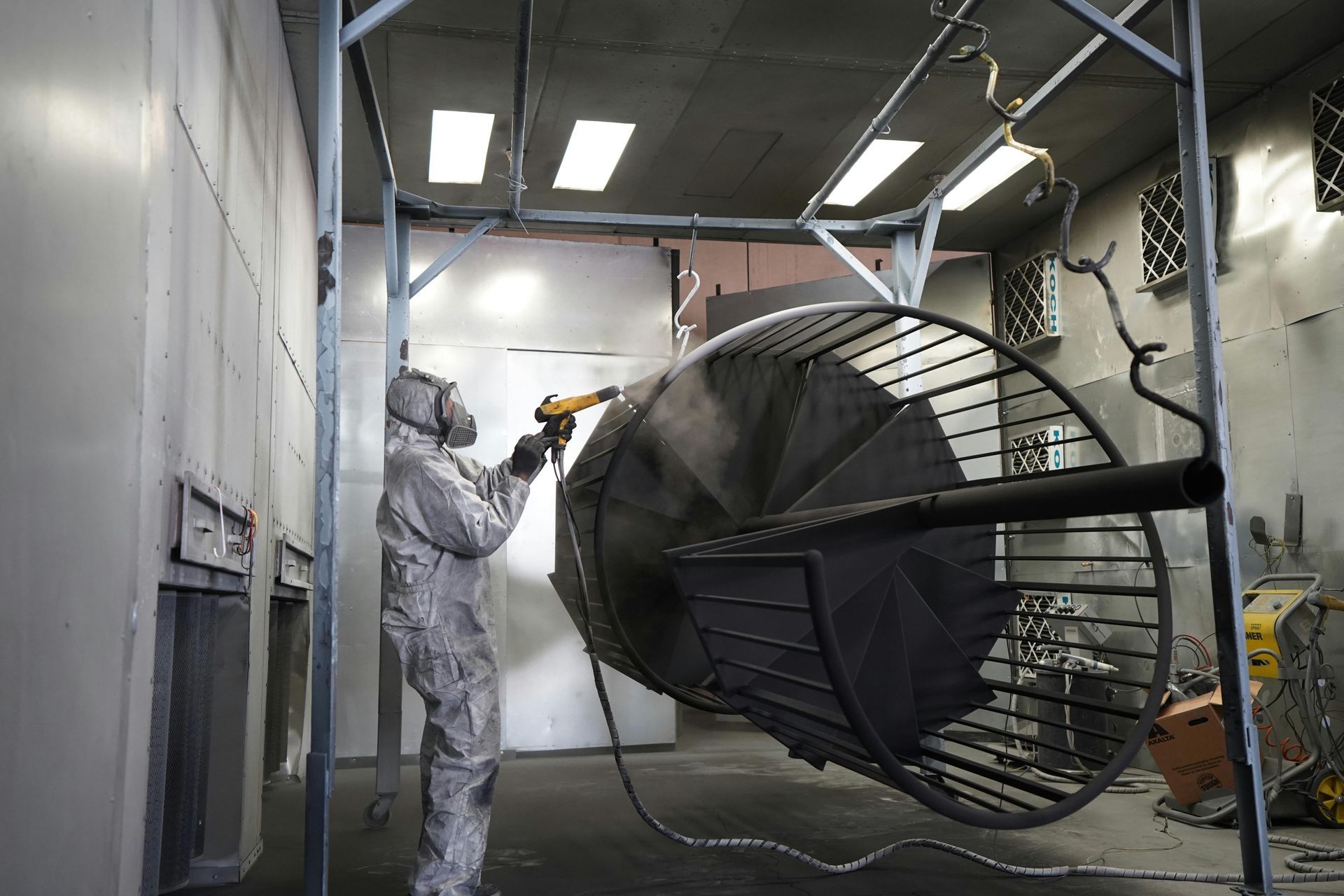
Once the part is properly prepared, powder coating adds the protective and visual layer most customers actually notice. In practical terms, powder coating helps by:
- improving corrosion resistance
- improving long-term appearance
- creating a more uniform finish
- reducing maintenance on many metal parts
- making fabricated work look more complete and intentional
In Davis County, this matters because many coated parts live hard lives. Commuters drive through winter road conditions. Contractors and fabricators use equipment outdoors. Homeowners want railings, patio furniture, and decorative metal that can hold up through seasonal changes. Full Blown Coatings’ own Utah-focused content on wheel powder coating emphasizes that road salt and local weather exposure make finish protection especially relevant in this state.
Powder Coating and Media Blasting Use Cases in Davis County
Automotive and wheel work
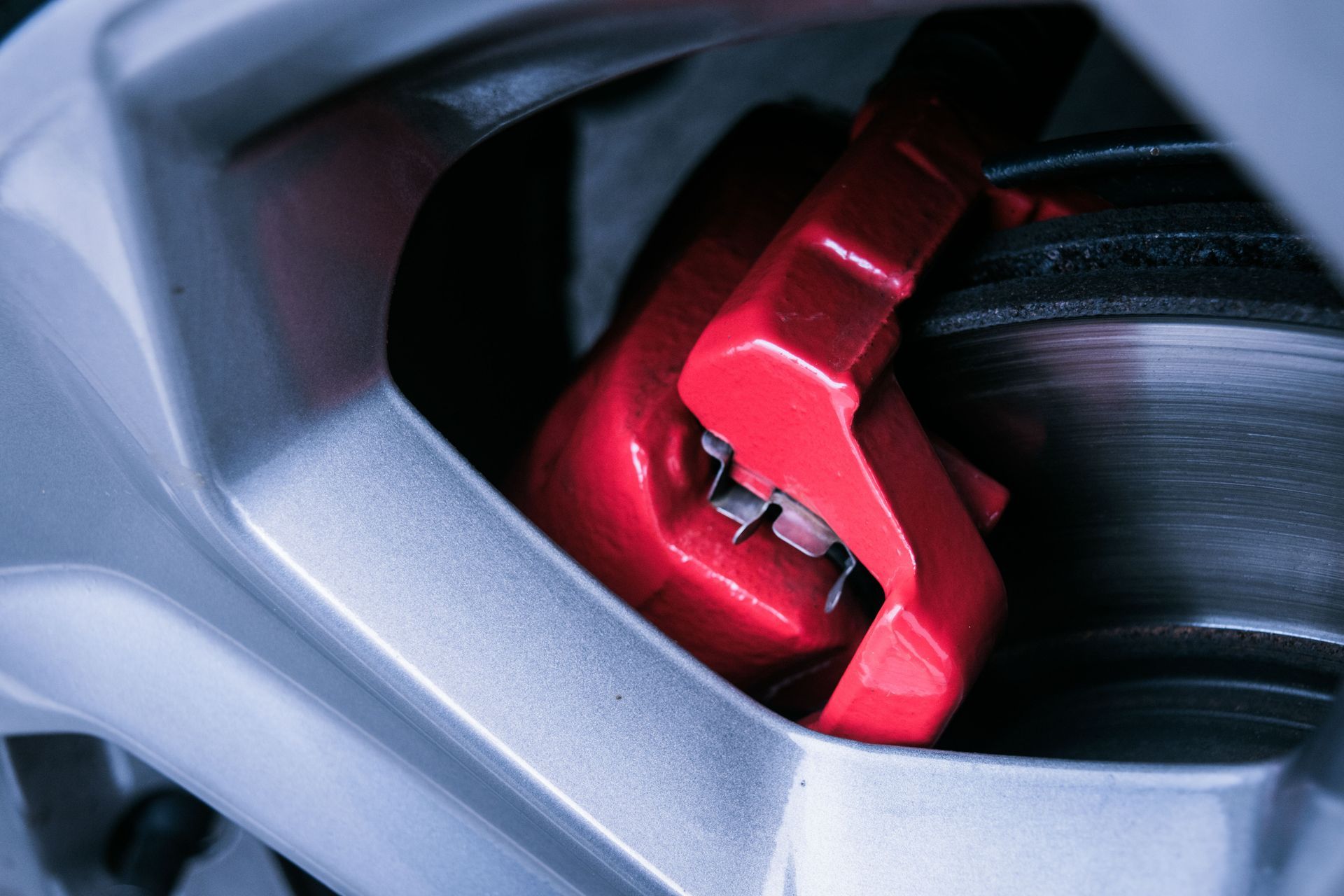
Wheels, brackets, suspension parts, and restoration components are common local use cases because daily driving and winter road conditions can be hard on exposed metal. A durable coating system is often as much about preservation as appearance in these applications.
Fabricated metal and contractor work
Railings, gates, fences, stair parts, and custom fabricated steel all benefit from blasting and coating because these parts often begin with mill scale, weld discoloration, rust, or rough surfaces that need real prep before coating.
Industrial and commercial equipment
Given Davis County’s manufacturing and defense-linked economic base, it makes sense that shops in the region may see demand for:
- carts and racks
- enclosures
- fixtures
- machine components
- fabricated supports
- shelving and storage systems
Residential and lifestyle projects
Powder coating and blasting are also highly relevant for patio pieces, bike parts, hobby fabrication, and decorative metalwork. These jobs may be smaller, but they still depend on the same principles of correct prep and correct finish selection.
How to Choose the Right Media Blasting Near Me Service
The best local shop is not always the one that is closest. It is the one that can answer the right questions.
Start by asking:
- Are you cleaning, stripping, profiling, or all three?
- What sand blast media do you recommend for this part?
- Is the goal appearance, adhesion, or both?
- Do you powder coat in-house after blasting?
- How does the part’s use environment change your recommendation?
Those questions matter because blasting is not a generic service. It is a decision about surface treatment, substrate compatibility, and finish performance. A good shop should be able to explain the tradeoffs clearly.
At Full Blown Coatings, that is often where the conversation becomes more useful for the customer. Many people start by asking for a process. The better conversation is about the result. Once the goal is clear, the right media and coating system usually become much easier to choose.
Why Full-Service Blasting and Coating Can Be Better
There is a real advantage to working with one shop that handles both blasting and powder coating. It usually means:
- less handling between vendors
- less risk of contamination between steps
- better continuity between profile and coating system
- clearer accountability for the final result
That matters because prep and coating are connected. If one shop does the blasting and another handles the coating without full alignment on profile and cleanliness, it can introduce avoidable risk. The more coordinated the system is, the better the chance of a durable result. That is an inference supported by TIGER’s emphasis on pretreatment and contamination control.
Final Thoughts on Powder Coating and Media Blasting in Davis County Utah
For people in Davis County, Sandblasting Near Me should not just be a search for the nearest building with a blast nozzle. It should be a search for the right Media Blasting process, the right blasting media, and the right coating system for the part you actually have. In a county with strong manufacturing, defense, fabrication, and year-round metal use, those choices matter.
The best result usually comes from treating blasting, prep, and powder coating as one complete finish system. That is what helps the part not just look better when it leaves the shop, but perform better after it goes back into real use.
Share This Post!