Advantages and Disadvantages of Powder Coat: What Powder Coating Does
TL;DR:
- Powder coat is popular because it can deliver strong durability, good corrosion and weather resistance, low maintenance, a uniform finish, and a wide range of colors and textures when the right system is chosen.
- The biggest disadvantages of powder coating are that it requires specialized equipment and oven cure, it is harder to touch up invisibly than liquid paint, it is not ideal for some heat-sensitive substrates, and surface prep is critical to success.
- Powder coating is often an excellent choice for metal furniture, railings, fencing, automotive parts, industrial equipment, toolboxes, enclosures, and many outdoor metal products.
- Powder coating is not automatically the best answer for every part. The right decision depends on the substrate, how the part will be used, whether future touch-up matters, and whether blasting and cure are appropriate for that application.
- Good media blasting and prep are not optional details. If the surface is not cleaned, blasted, and degreased properly, problems like peeling, bubbling, and poor adhesion become much more likely.
- Many of the “advantages and disadvantages” of powder coating actually depend on powder chemistry. The source article distinguishes among epoxy, polyester, TGIC polyester, hybrids, polyurethane, and acrylic, each with different strengths and weaknesses.
What Powder Coating Does Well, Where It Falls Short, and How to Decide
When people hear the term powder coat, it is usually in a positive context. They hear that powder coating is tougher than paint, better for outdoor use, easier to maintain, and more professional-looking on metal parts. In many cases, that is absolutely true. But the more useful question is not whether powder coating is “good.” The better question is whether it is the right finish for your specific part, your budget, your environment, and your long-term expectations.
That distinction matters because powder coating is one of the most versatile finishing options used on metal parts today, but it is not universal. The same qualities that make it excellent for railings, wheels, outdoor furniture, industrial equipment, and fabricated metal can make it less convenient for parts that need frequent touch-up, cannot handle cure temperatures, or are better served by a thinner liquid-applied finish. The most helpful way to understand powder coating is to look at both its strengths and its tradeoffs, then apply those to real-world use.
What Is Powder Coating and Why Do So Many People Choose It?
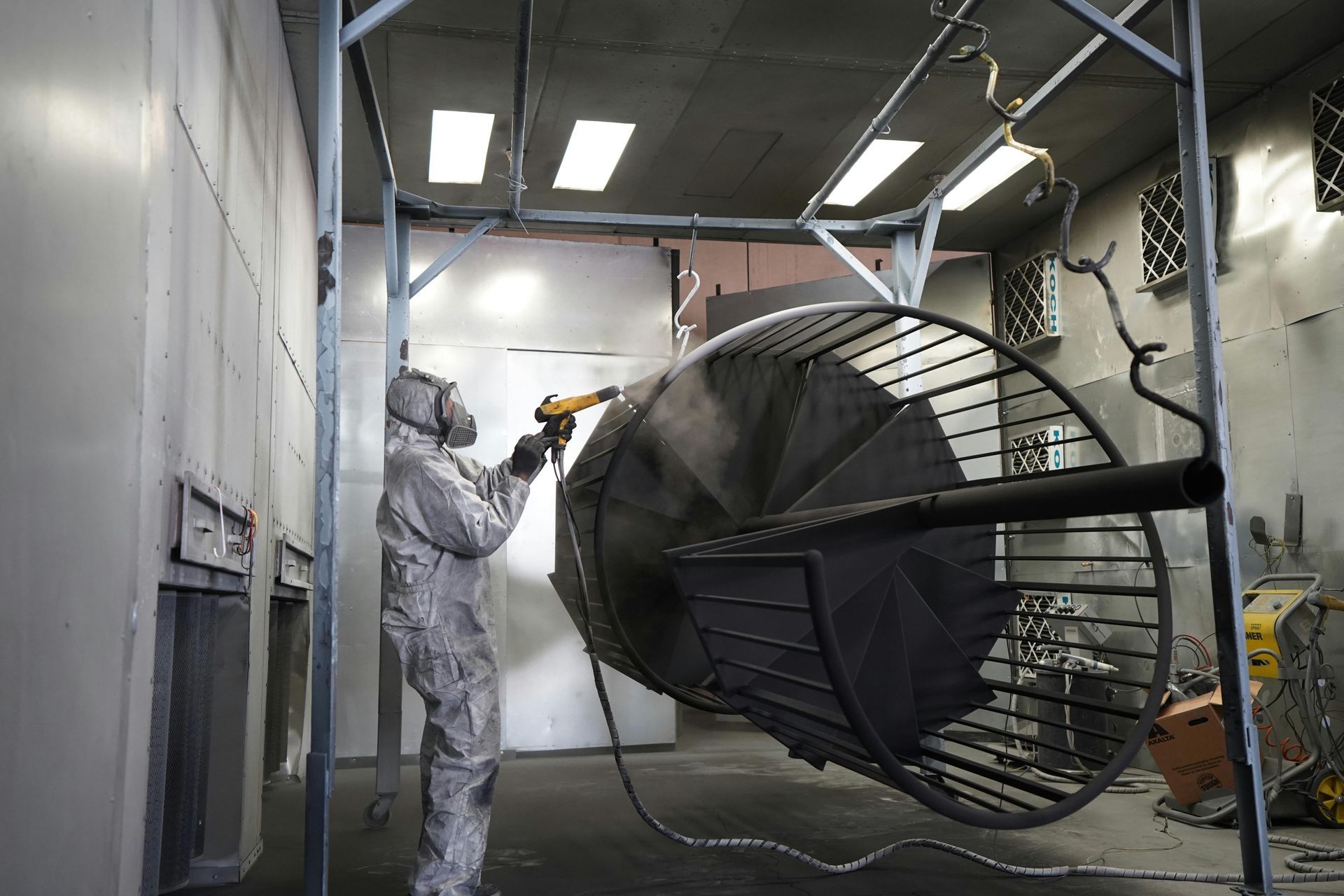
Powder coating is a dry finishing process that is applied electrostatically and then cured into a continuous film. A finishing method used mainly on metal, and sometimes on wood or plastic, to provide a durable, attractive, and long-lasting protective layer.
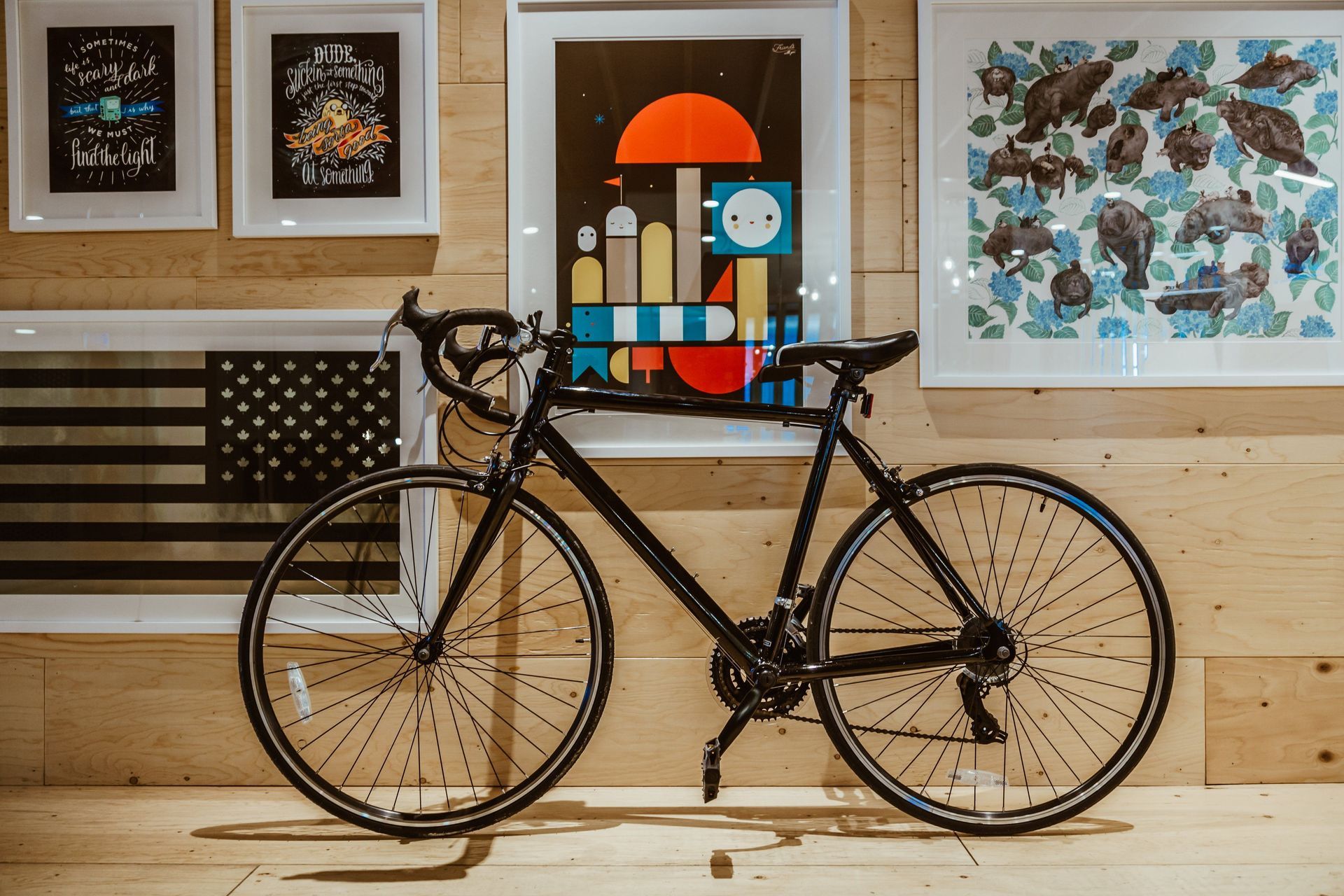
That definition is useful, but what makes powder coating so popular is what it does in practice. It gives metal parts a finish that can be decorative and protective at the same time. A railing, wheel, bracket, bike frame, or piece of shop equipment can come out looking cleaner and more intentional while also gaining a tougher outer layer than many basic paint systems provide.
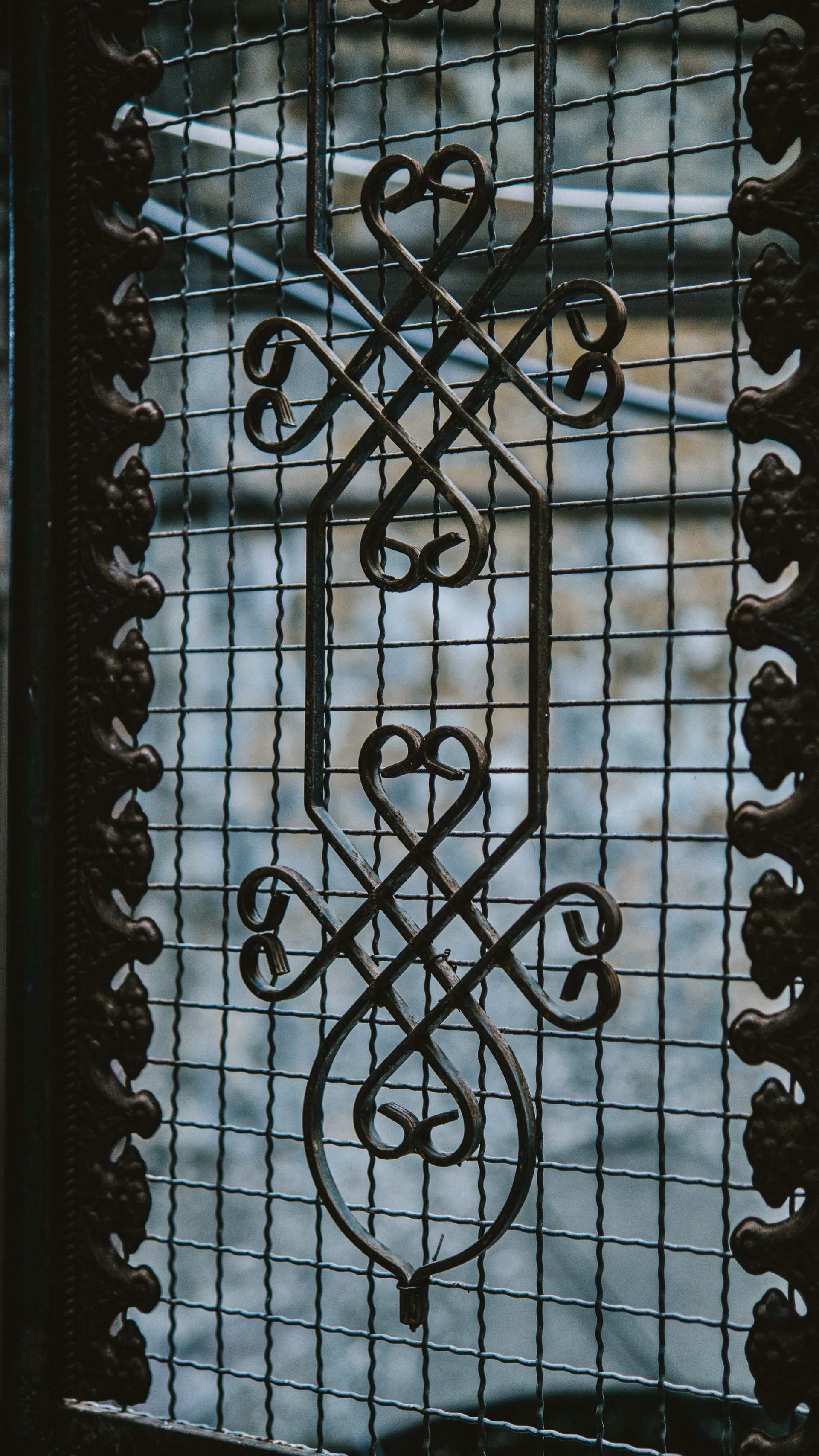
How broad its applications are, listing industrial and commercial equipment, architectural and structural metal, street fixtures, automotive parts, furniture, appliances, tool storage, lifestyle products, marine hardware, electronics, and specialized uses such as antimicrobial or heat-resistant systems. That wide application range is a big clue: powder coating works across many industries because it balances protection, appearance, and repeatability well.
The Biggest Advantages of Powder Coating
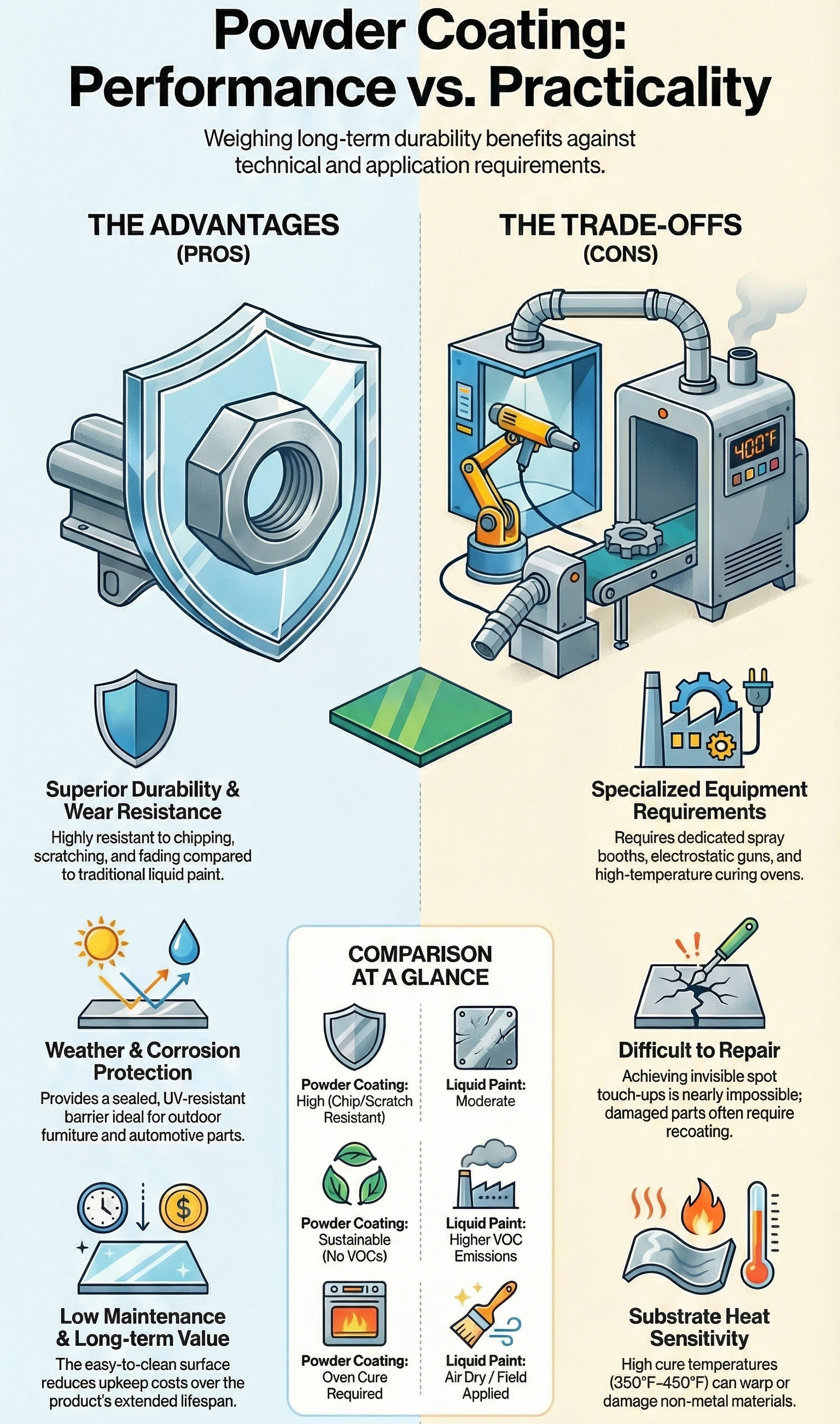
Strong durability and wear resistance
Durability is one of powder coating’s main strengths, noting resistance to chipping, scratching, fading, and wear, and saying it often outperforms traditional paint in harsher environments.
For buyers, “durable” needs to mean something practical. On a railing, it means better resistance to everyday contact, weather, and cleaning. On an off-road bracket or wheel, it means more resilience against general wear. On a toolbox or utility cart, it means the finish usually holds its look longer under repeated handling.
That said, durable does not mean indestructible. Powder coating is very good at handling normal use and exposure when matched to the right part and prep, but impact zones, dragging, tool strikes, metal-to-metal contact, and severe abrasion can still damage it. Understanding that difference helps set realistic expectations.
Better weather and corrosion resistance in the right system
Powder coating offers excellent protection against UV rays, moisture, and chemicals and points to outdoor furniture, vehicles, fencing, and appliances as strong fits.
That is one of the biggest reasons customers choose it for outdoor metalwork. Powder coating can be a strong long-term option where painted finishes may wear out faster or need more maintenance. But there is an important nuance here: not all powder systems perform the same way. The same article later notes that epoxy, polyester, TGIC polyester, hybrid, polyurethane, and acrylic powders all have different strengths and weaknesses.
So the real advantage is not just “powder coating.” It is choosing the right powder chemistry for the environment the part will actually face.
Low maintenance
Powder coating has a smooth, sealed surface that is easy to clean and usually does not need reapplication or touch-ups for many years.
That matters more than many customers expect. A finish that is easy to wash down and does not need frequent upkeep saves time and money over the life of the part. This is especially useful on exterior railings, patio furniture, shop equipment, and hard-working fabricated metal where convenience matters just as much as appearance.
Uniform finish quality
Because powder is applied electrostatically, the source article notes that it produces even coverage without brush marks or drips.
This is a major advantage on visible metalwork. On production parts, repeated components, or decorative fabricated metal, a uniform finish makes the entire job look more professional. It also helps when multiple parts need to match visually as part of one larger assembly.
Color, texture, and finish variety
Powder coating is available in glossy, matte, metallic, textured, and custom shades.
That flexibility is one reason powder coating works so well for both industrial and custom jobs. Texture can make a part feel tougher and hide wear. Satin can make a finish feel more premium. Gloss can make a custom build stand out. The point is that powder coating is not just a protection system. It is also a design choice.
Sustainability and waste advantages
Powder coating contains no harmful solvents or VOCs and that overspray can be recycled, reducing waste.
For some customers, that matters because they are comparing processes not just on looks and durability, but also on environmental handling and shop cleanliness. For others, it is simply a bonus. Either way, it is one of the reasons powder coating remains attractive in modern finishing operations.
Better value over time
Powder coating often has a higher upfront cost but lower maintenance and longer life, leading to better long-term value.
This is one of the most important buyer perspectives. If a finish lasts longer, looks better longer, and needs less upkeep, then the higher starting price may actually be the cheaper decision across the life of the part. This is especially true for commercial, industrial, and exterior applications where refinishing later is costly or inconvenient.
The Real Disadvantages of Powder Coating
It requires specialized equipment
Powder coating needs a spray booth, electrostatic gun, and curing oven, and is not ideal for most small DIY projects.
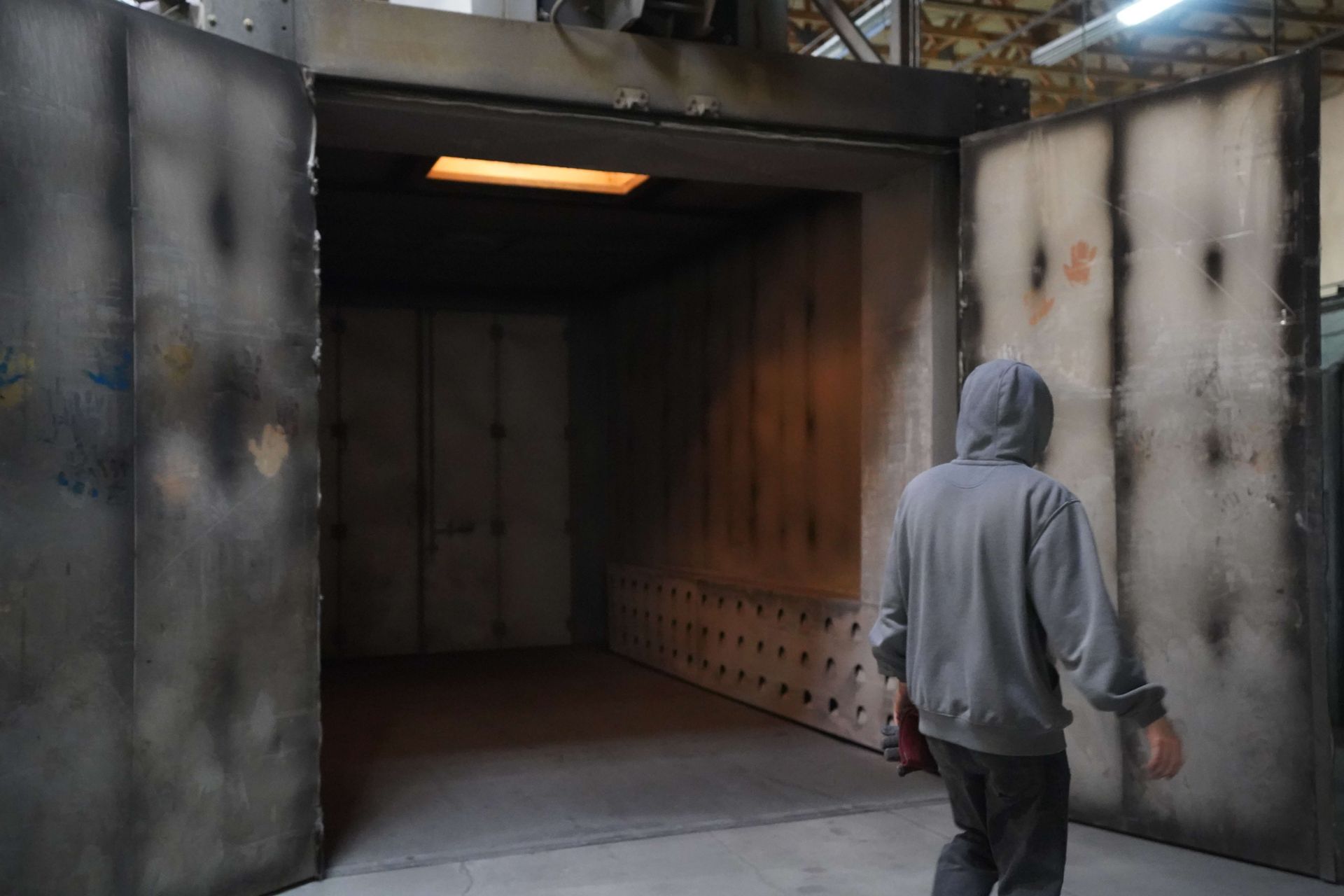
For some customers, that is a disadvantage because it limits casual at-home use. But in another sense, this is also part of why professional powder coating can produce such strong results. It is a process that depends on controlled equipment, controlled prep, and controlled cure.
Heat-sensitive substrates can be a problem
Most powders cure around 350°F to 450°F, which can warp plastics and some woods.
This means powder coating is naturally best suited to metal in most everyday applications. If a part cannot safely tolerate the oven cycle, powder may not be the right answer.
It is harder to touch up invisibly
One of the biggest tradeoffs is touch-up difficulty. If powder coating gets chipped, matching the damaged area perfectly is hard, and full recoating often gives the best result.
This is a real disadvantage compared with liquid paint. If you know a part will likely need small field repairs or invisible spot touch-ups later, that should be part of the decision upfront.
It is not ideal for very thin coats or some intricate parts
Powder requires a minimum thickness for proper coverage and that thin or highly detailed parts can be tricky to coat evenly.
That matters in two ways. First, powder coating is not always the best fit when ultra-thin film build is important. Second, very intricate geometry can create challenges with even coverage, detail retention, and edge behavior.
Prep is critical
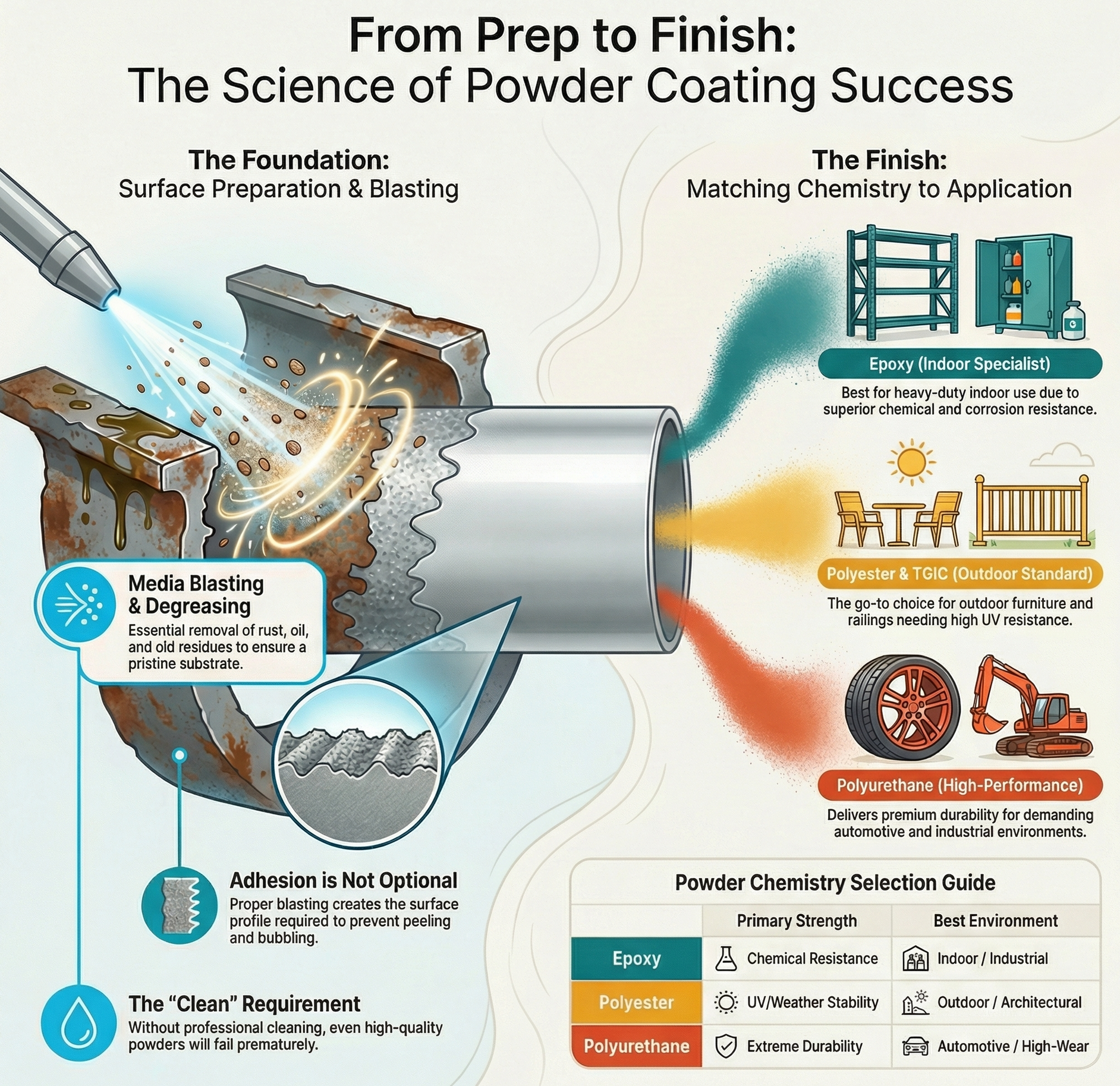
This may be the most important disadvantage in practical terms. Surfaces must be properly cleaned, blasted, and degreased, and that poor prep leads to peeling, bubbling, or poor adhesion.
This is why good media blasting and prep are not side tasks. They are the foundation of the finish. If rust, oil, old coating residue, or poor surface profile are left behind, even a high-quality powder job can fail early.
At Full Blown Coatings, this is one of the biggest differences between a finish that merely looks good at pickup and a finish that still performs well months or years later. Good prep is not glamorous, but it is what gives the coating its chance to succeed.
Powder Coating vs Paint
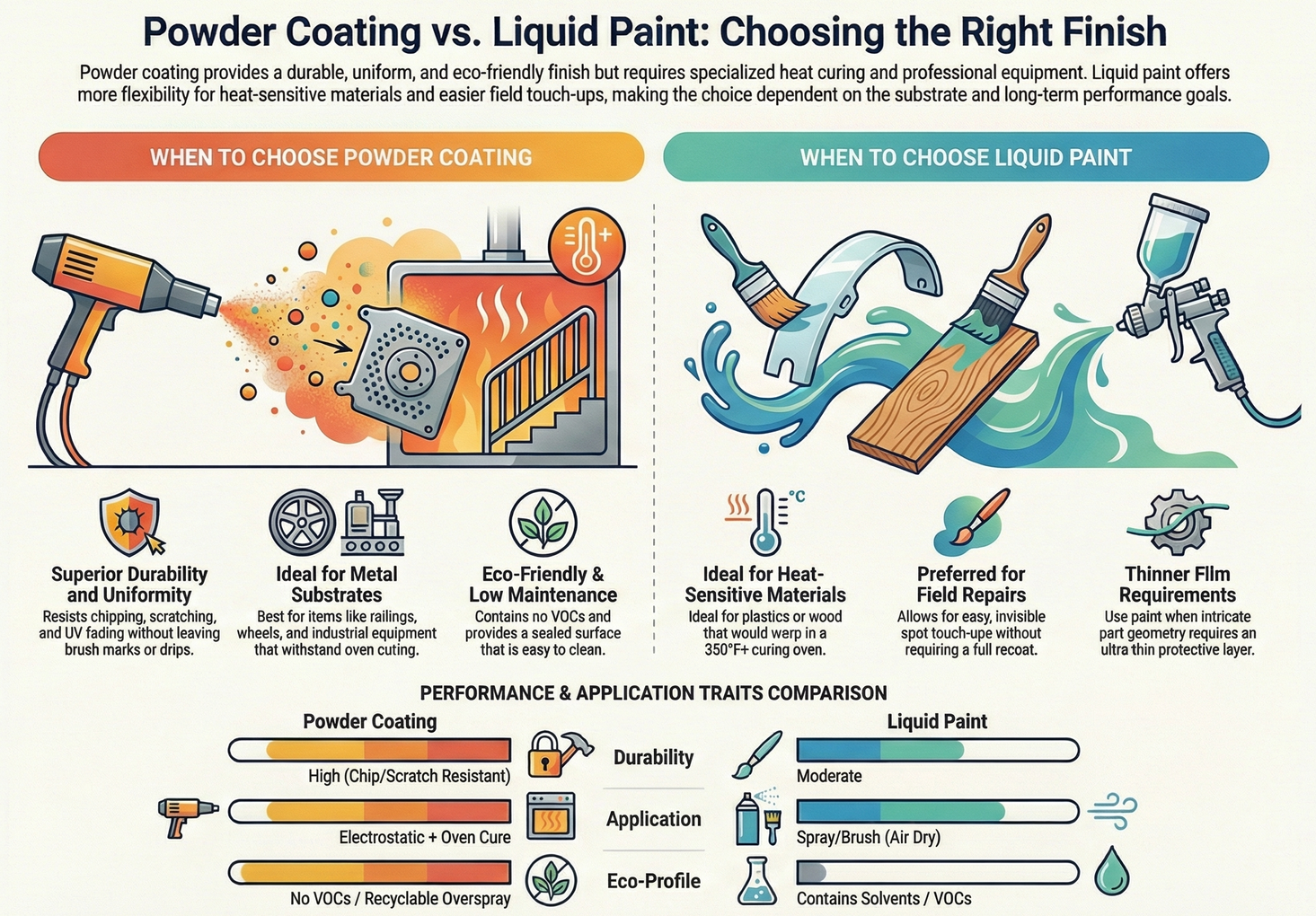
Quick comparison showing powder coating as stronger on durability, finish uniformity, and eco profile, while liquid paint is easier to apply and touch up and often cheaper upfront.
That is a helpful summary, but the smarter comparison is not “which is better overall.” It is “which is better for this part?”
Powder coating usually makes more sense when:
- the part is metal
- durability matters
- the finish will see weather or repeated handling
- a professional, uniform look is important
- long-term value matters more than the cheapest initial cost
Liquid paint may make more sense when:
- the substrate cannot handle cure heat
- field touch-up will be important
- the geometry or spec calls for very thin film
- the finish must be applied on site rather than in an oven-cure shop environment
When Powder Coating Is an Excellent Choice
Strong application areas, including industrial equipment, HVAC units, fencing, handrails, structural metal, wheels, chassis parts, fuel tanks, furniture, appliances, toolboxes, bikes, grills, server racks, and enclosures.
That list reflects where powder coating tends to shine:
- outdoor metalwork
- fabricated metal
- consumer goods that need a clean finish
- automotive and off-road parts
- commercial fixtures
- shop and industrial equipment
These are all categories where durability, appearance, and consistency matter together.
When Powder Coating May Not Be the Best Choice
Disadvantages point clearly to the wrong-fit scenarios:
- heat-sensitive materials
- parts needing easy, invisible touch-up
- applications requiring very thin coats
- jobs where prep is poor or uncontrolled
- situations where specialized equipment is impractical
These are not reasons to avoid powder coating altogether. They are reasons to be honest about what the process is best at.
The Hidden Factor: Surface Preparation and Media Blasting
Many of powder coating’s biggest strengths only become real when prep is done correctly. The source says surfaces must be cleaned, blasted, and degreased properly or failure can follow.
That means the best finish system is usually not just “powder coating.” It is:
- correct evaluation of the part
- proper blasting and cleaning
- correct powder selection
- controlled application
- correct cure
Customers searching both media blasting and powder coating services are often already thinking in the right direction. The prep and the coating should work as one system.
Powder Types Matter Too
distinguishing powder types among:
- epoxy for indoor corrosion and chemical resistance
- polyester for outdoor and automotive use
- TGIC polyester for strong exterior performance
- hybrid systems for balanced indoor uses
- polyurethane for high-performance automotive or industrial uses
- acrylic for high gloss and faster cure, but with lower durability
This is a major point many buyers miss. A lot of the pros and cons people assign to “powder coating” are really the pros and cons of a specific powder chemistry. Outdoor durability, UV stability, chemical resistance, gloss retention, and flexibility all depend on the system chosen.
Final Verdict
The advantages and disadvantages of powder coat are real, but they make the most sense when tied to the actual application. Powder coating is excellent when durability, weather resistance, uniform finish, and long-term value matter. It is less ideal when easy touch-up, low-heat substrates, very thin coats, or field-applied repair matter more.
So the best answer is not “powder coating is always better than paint.” The best answer is this: powder coating is often the better choice for metal parts that need a durable, attractive, low-maintenance finish, especially when supported by proper blasting and prep.
That is where the process stops being just a finish option and starts becoming a real long-term solution.
Share This Post!