If you're looking for Wheel Powder Coating Near Me | Powder Coating Rims Near Me
TL;DR — Wheel Powder Coating Near Me
- Powder coating rims delivers a tougher, more chip-resistant, corrosion-resistant finish than typical paint, handles heat and brake dust better, and provides a uniform, professional look.
- A proper process includes inspection, disassembly and masking, media blasting, outgassing and pretreatment, then primer, color, and clear, followed by controlled curing and quality checks.
- Popular finishes include satin or gloss black, graphite, gunmetal, and bronze, with premium options like candies, metallic silvers with clear, and smoked clears; choose matte, satin, or gloss for sheen control.
- Price and turnaround depend on diameter, spoke complexity, corrosion level, color system, the need for primer and clear, and tire or TPMS services.
- Tires and sensors should be handled by technicians who can dismount, remount, and road-force balance; allow wheels to cool before mounting and use correct torque.
- Aftercare: use pH-neutral soap, avoid harsh chemicals, rinse often in winter, and consider a ceramic topper on fully cured powder for easier cleaning.
- Selecting a shop: ask about blasting media and profile, outgassing for cast aluminum, pretreatment, cure verification, film-thickness targets, equipment, warranty, and aftercare guidance; review portfolio work.
- Northern Utah coverage commonly includes Salt Lake, Utah, Davis, Weber, and Summit Counties, with pickup and delivery available by arrangement.
- Ready to proceed or compare finishes and timelines? Request a quote from Full Blown Coatings.
Why Powder Coat Your Wheels
If you are searching for wheel powder coating near me or powder coating rims near me, this guide will help you understand the process, the benefits, what quality looks like, and how to choose the right shop in Northern Utah. The details below reflect best practices used by leading coaters serving Salt Lake County, Utah County, Davis County, Weber County, and Summit County.
some of the BENEFITS
Durability and chip resistance
Powder coating forms a tough thermoset film that is thicker than typical liquid paint. That added film build and proper curing create meaningful resistance to rock chips, parking curb rash, and daily highway wear.
Corrosion protection
Winter brings salt, brine, and slush to Utah roads. Powder coating, paired with correct pretreatment, seals aluminum and steel surfaces to slow oxidation and staining. With the right primer and clear, you can expect years of protection.
Heat and brake dust tolerance
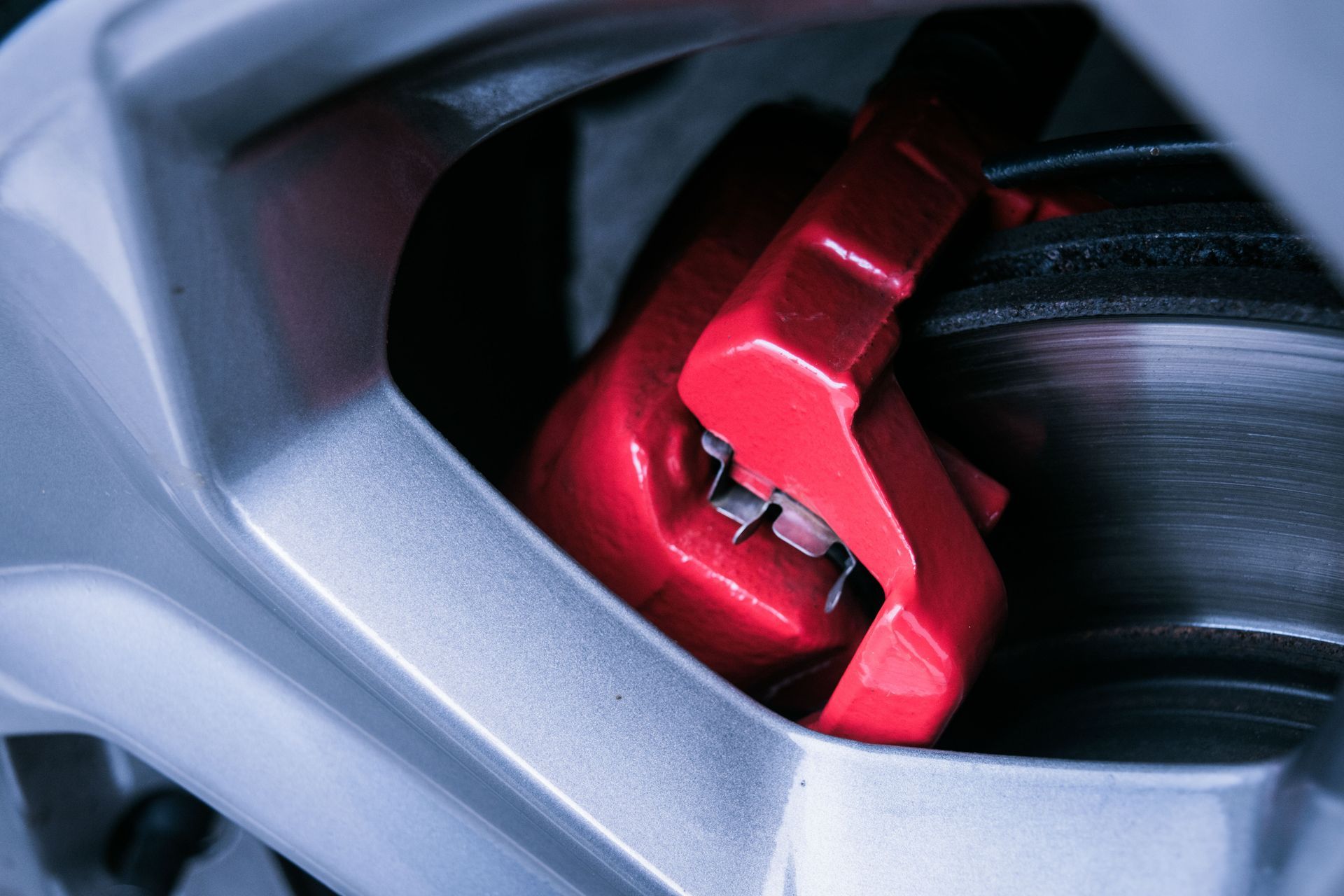
Wheels live beside brakes. Quality powder systems tolerate elevated temperatures better than many DIY coatings, and their slick surface makes brake dust easier to rinse away.
Consistent finish
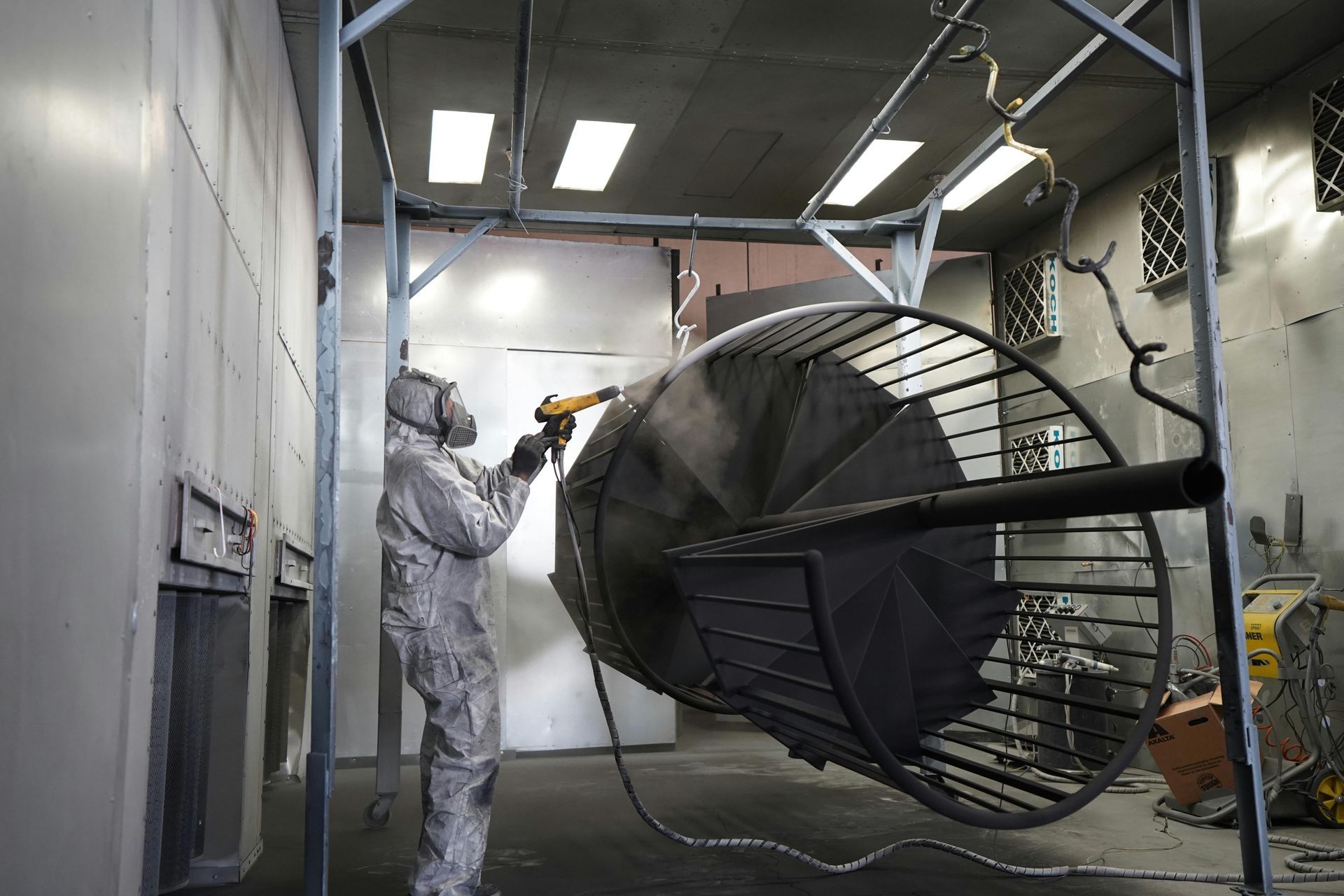
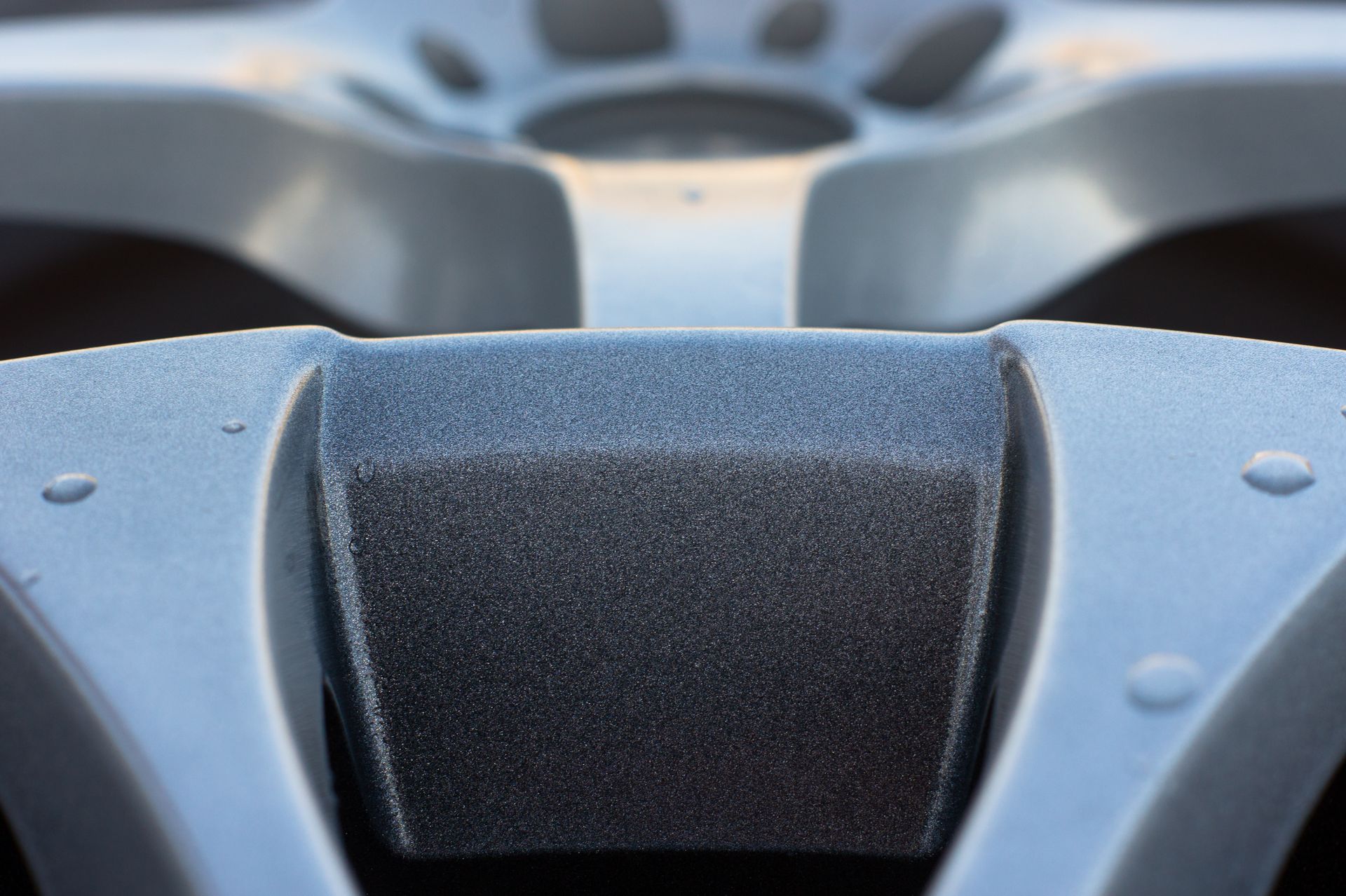
Electrostatic application and controlled curing produce even coverage around spokes, pockets, and edges. You get a uniform sheen and color that looks professional up close and at a distance.
Eco and cleanup advantages
Powder contains no solvents and produces minimal waste. Overspray can often be reclaimed in professional booths, which keeps the workspace cleaner and helps maintain color consistency across sets.
What a Professional Process Looks Like
Intake and inspection
Each wheel is checked for bends, cracks, previous repairs, and coating history. If structural issues appear, the shop will recommend repair or replacement before finishing begins.
Disassembly and masking
Valve stems, TPMS sensors, weights, and hardware are removed. Critical interfaces are masked with high temperature tape and silicone plugs. Hub bores, mating faces, lug seats, and threads are protected so the wheel mounts safely and balances correctly later.
Media blasting
Old coatings, oxidation, and contaminants are removed by blasting to clean metal. The goal is a uniform anchor profile that promotes adhesion. A skilled technician selects the media and pressure that match the alloy and condition of the wheel.
Outgassing and pretreatment
Cast aluminum can trap oils and moisture. Outgassing in the oven drives out volatiles before coating. A conversion coating or phosphate step may follow to increase corrosion resistance and bond strength.
Primer, color, and clear
For harsh winter service, a corrosion resistant primer improves durability. Many colors are applied as a single stage. Premium looks use a color plus clear system, for example candy colors, metallics, or a smoked clear over silver. Film thickness is measured with a gauge to keep the finish within the manufacturer’s specification.
Cure and quality control
Parts are cured to part temperature, not just oven air temperature. After cool down, a good shop inspects coverage, checks film build, verifies adhesion, and compares color to approved control panels. Any dust nibs or minor defects are addressed before reassembly.
Practical note from a recent Full Blown Coatings project: A driver from Kaysville brought in a set of cast aluminum wheels that had lived through several winters. After outgassing and a zinc rich primer, the team applied a satin graphite color and a protective clear. The wheels returned to the car with a factory level look and have been easy to clean through two snow seasons.
Powder vs Paint vs Plasti Dip and Ceramic Toppers
Film build and toughness
Powder offers a thicker, harder film than typical liquid paint systems used for wheels. Plasti Dip style rubberized coatings are easy to peel but are not designed for long term curb, chip, and chemical resistance.
Refinish and repair
Both powder and paint can be repaired, but powder usually requires a controlled bake cycle, which is why an experienced shop is useful. If you prefer a temporary color change for a show vehicle, a peelable coating has a place, but the total cost of ownership is higher once frequent touch ups are considered.
UV stability and gloss retention
Modern powders show strong UV stability, especially when a high quality clear is used. Ceramic toppers can be applied after cure to help with gloss retention and cleaning. Think of ceramic as a maintenance layer that rides on top of a sound powder base.
Popular Wheel Colors and Finishes in Utah
Best sellers
Satin black, gloss black, graphite, gunmetal, and bronze continue to lead demand. These tones complement trucks, SUVs, and performance sedans, and they hide everyday dust better than bright silvers.
Premium looks
Two stage candies, metallic silvers with a clear, smoked clears, and micro flake silvers offer depth and sparkle. On lifted trucks and off road builds, dark bronze with a satin clear remains a strong trend.
Texture and sheen
Matte lowers glare and hides minor scuffs, satin strikes a balanced modern look, and gloss brings maximum pop for show builds. Light texture can help disguise older castings that show porosity.
Pricing and Turnaround
What drives cost
Wheel diameter, spoke complexity, corrosion level, color system choice, and the need for primer and clear all influence price. Removing stubborn previous coatings, filling curb rash, and addressing pitting add labor. TPMS handling, tire dismount and remount, and balancing also affect the total.
Typical ranges and timing
Refinishing all four wheels with a single stage color often sits in a moderate price range $400-$800+. Upgrading to a color plus clear, adding primer for winter durability, or selecting a two stage candy increases cost. Turnaround usually includes intake day, preparation, coating and cure, and a cool down prior to remounting tires. Many shops can coordinate tire work on site or through a tire partner.
Tires, TPMS, and Balancing
Tire handling
Dismounting, remounting, and balancing are best handled by a technician who understands coated wheels. New stems are installed, and TPMS sensors are transferred or replaced as needed.
Mounting and torque
Allow wheels to cool to room temperature before mounting. Use clean, non marring clamps and correct torque values with a calibrated wrench. Road force balancing can help eliminate vibration on sensitive chassis.
Aftercare window
Avoid harsh chemicals during the first week while the coating completes post cure. Normal washing with pH neutral soap and a soft mitt is safe.
Maintenance for Long Lasting Color
Safe cleaning
Use pH neutral soaps and soft brushes. Rinse thoroughly, especially during winter, to remove salts. Avoid aggressive acids and strong alkaline wheel cleaners that can haze clears and dull metallics.
Winter care
Frequent rinses extend the life of the finish. Applying a ceramic topper to a fully cured powder surface improves beading and makes spring cleanup simple.
Avoiding damage
Be careful with automated touchless washes that use strong chemistry. Clean behind spokes to prevent brake dust buildup that can bake on during hot summer driving.
How to Choose the Right Shop
Must ask questions
Ask about the blasting media and profile used on wheels. Confirm pretreatment steps, outgassing for cast aluminum, and whether a corrosion resistant primer is recommended. Request details on cure verification and film thickness targets.
Warranty and aftercare
A written warranty shows the shop stands behind its work. Read what is covered and what is excluded, such as curb strikes and chemical damage. Ask for a written aftercare guide.
Equipment and capacity
Professional results require a clean spray booth, a calibrated oven large enough for full sets, proper racking, and accurate temperature controls. Shops that measure and document quality checks deliver repeatable outcomes.
Portfolio and references
Review before and after photos of similar wheels. Fleet and performance examples indicate the shop can handle both daily drivers and specialty projects.
Service Areas in Northern Utah
Full Blown Coatings serves all of Utah, including Salt Lake City, Ogden, Logan, Spanish Fork, and Provo, we often coordinate pickup and delivery for full sets. If you plan a same day tire swap, schedule ahead so the team can stage blasting, coating, and cure timelines around your arrival.
Frequently Asked Questions
Do I need a primer under powder on wheels
Primer is recommended for winter duty, frequent canyon drives, and any wheel that showed oxidation or pitting during prep. It adds an important barrier layer.
Can you match OEM colors
Close matches are common when you bring a sample or code. Lighting conditions matter, so finalize choices in daylight, and ask to see color chips under the sun.
Is a clear coat necessary
A clear is highly recommended for candies, metallics, silvers, and bright hues. It adds gloss control, UV stability, and extra protection during winter.
A Brief Success Story
A Weber County commuter with a daily driver sedan arrived with wheels that showed brake dust staining and curb rash. The team documented the damage, repaired light edge rash, blasted to clean metal, outgassed, primed, and applied a satin bronze color plus clear. After two months of winter driving, the owner reported that a simple rinse restored the original look.
Next Steps
If you are ready to refinish wheels, gather the wheel size, vehicle model, desired color or sheen, and a few photos that show the current condition. Ask for a written estimate that lists pretreatment, color system, primer or clear, tire handling, balancing, and the expected timeline.
For local support in Northern Utah, request a quote from a reputable shop and schedule a color consult so you can view chips in natural light. If you want a professional team that follows the process described here, contact Full Blown Coatings for an estimate and availability. They can coordinate tire work, manage TPMS, and guide you to a finish that fits your vehicle and your budget.
Share This Post!