Media Blasting and Sandblasting Service: Why Your Next Project Needs Both
TL;DR Media Blasting vs Sandblasting Guide
- Media blasting is the umbrella process that uses different abrasives to clean and texture surfaces. Sandblasting is the more aggressive subset used for heavy rust, mill scale, and thick coatings.
- Proper prep creates the anchor profile that coatings need to bond, removes contamination, and limits outgassing on cast parts so powder lays smooth and lasts longer.
- Match media to the job. Aluminum oxide or garnet for steel. Crushed glass or glass bead for aluminum. Glass bead for stainless. Soda or plastic media for delicate parts.
- Use sandblasting when you need fast removal on frames, gates, trailers, and structural steel.
- A quality workflow includes inspection, degrease, masking, test blast, blasting, bake out for porous castings, final clean, coating, cure, and checks for adhesion and film thickness.
- Cost depends on size, condition, media choice, masking, and logistics, including pickup and delivery.
- For consistent results and guidance on media selection, contact Full Blown Coatings for a quick photo quote.
Media Blasting and Sandblasting Service
If you are searching for a media blasting or sandblasting service in Northern Utah, the surface prep you choose will determine how long your coating lasts and how good it looks. This applies whether you are refreshing patio furniture, bringing wheels back to life, or preparing structural steel. We regularly hear the same question from customers across Salt Lake County, Utah County, Davis County, Weber County, and Cache County. Do I need media blasting, sandblasting, or both. The short answer is that the right abrasive and the correct profile set your finish up for success, especially if you plan to powder coat.
What You Need to Know at a Glance
- Media blasting and sandblasting remove rust, coatings, and contamination, and they create a texture that helps new finishes bond.
- The correct abrasive creates the target “anchor profile,” which is the microscopic roughness that coatings grab onto.
- Using the wrong approach can lead to premature peeling, orange peel texture, fisheyes, and color inconsistency.
Media Blasting vs Sandblasting
What is media blasting
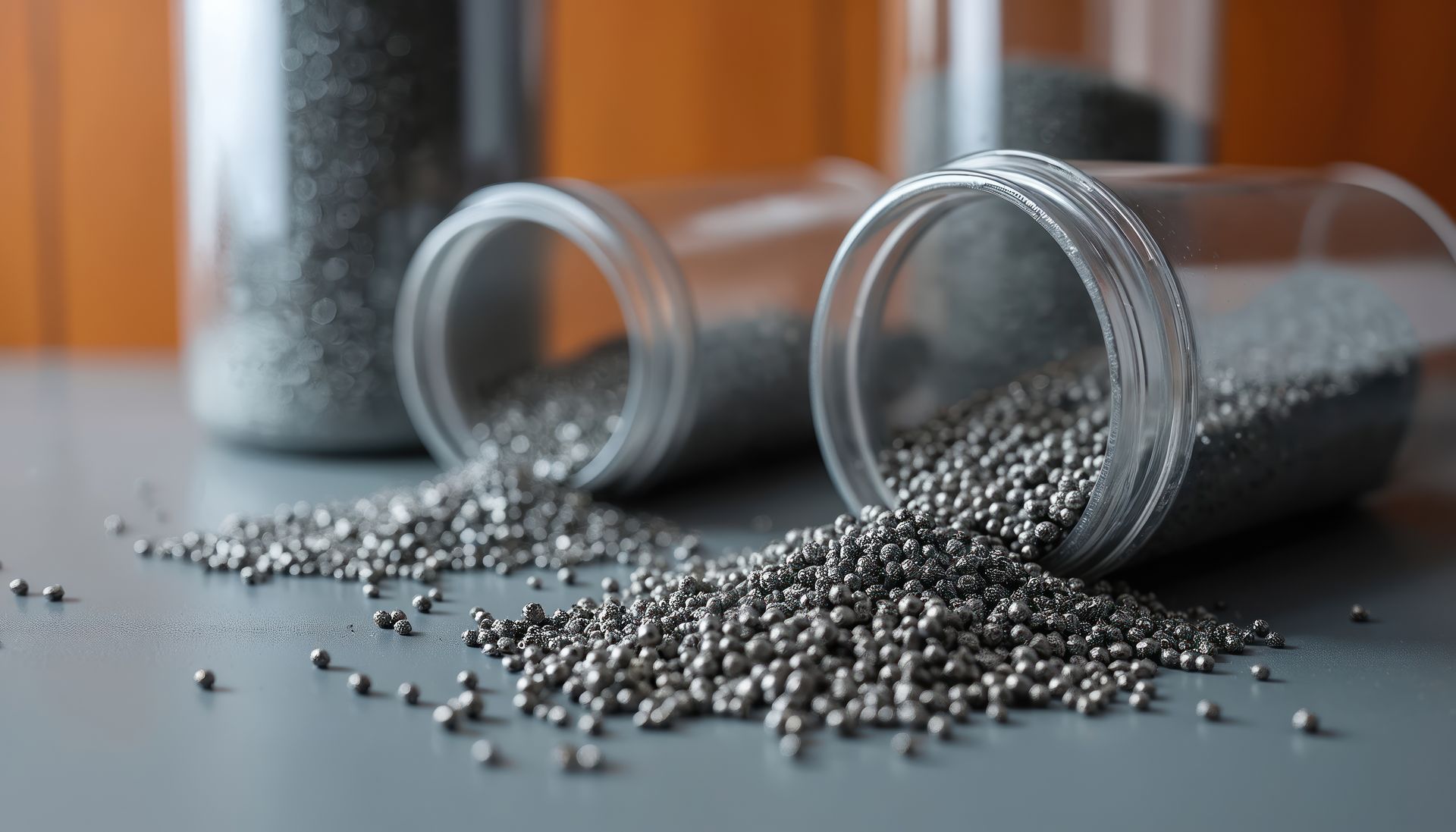
Media blasting is the umbrella term for propelling an abrasive toward a surface to clean and texture it. The abrasive might be glass bead, aluminum oxide, crushed glass, garnet, walnut shell, soda, or plastic media. Each media cuts, peens, or polishes at different rates, and each leaves a different profile depth and surface character.
What is sandblasting
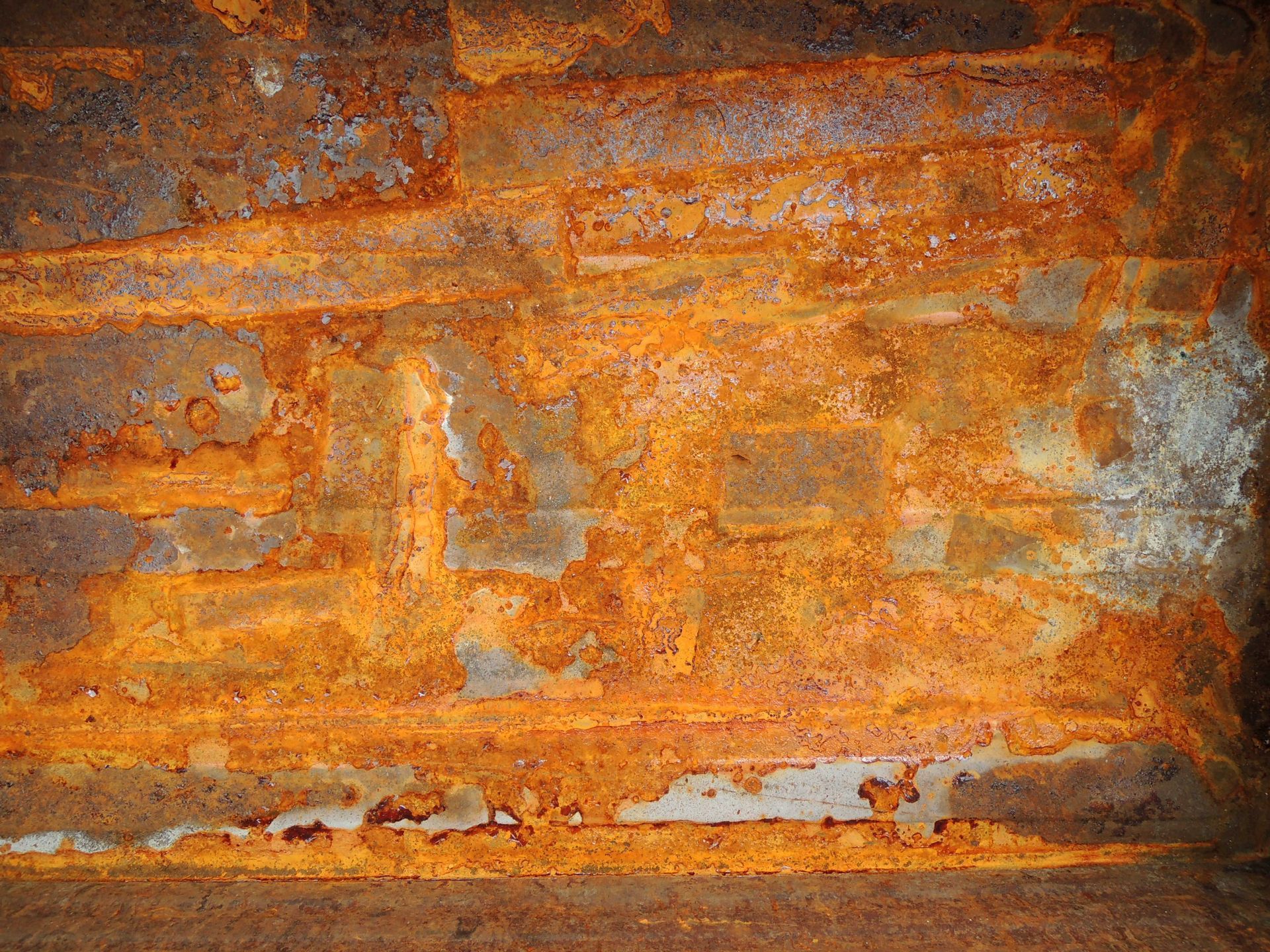
Sandblasting traditionally refers to blasting with silica sand, although modern shops often use substitutes that are safer and more effective. In practice, most people use “sandblasting” to mean aggressive blasting on steel or heavy corrosion. It is very efficient for removing thick coatings, mill scale, and deep rust.
How they differ in practice
- Cut vs peen. Angular media like aluminum oxide cuts quickly, spherical media like glass bead peens the surface for a smoother look.
- Profile depth. Coatings specify a range for profile depth. Aggressive media produces deeper profiles for heavy duty primers and outdoor powder systems. Fine media keeps profiles shallow for cosmetic work.
- Substrate sensitivity. Thin aluminum and delicate parts prefer fine glass bead or soda, while heavy steel tolerates aluminum oxide or garnet.
Why Surface Prep Matters
Coating adhesion is a mechanical and chemical process. The anchor profile increases surface area and gives the coating something to bite into. Proper blasting also removes oils, salts, old paint, and corrosion products that interfere with bonding.
Cast aluminum wheels and some cast iron parts can trap gases. If you coat them without addressing porosity, you may see pinholes or bubbles. A controlled bake out before coating, combined with the right blast, reduces outgassing and produces a more uniform finish.
Selecting the Right Media
Steel and iron
Aluminum oxide or garnet cuts fast, removes scale, and builds a profile that suits outdoor powder systems and zinc rich primers.
Aluminum and softer alloys
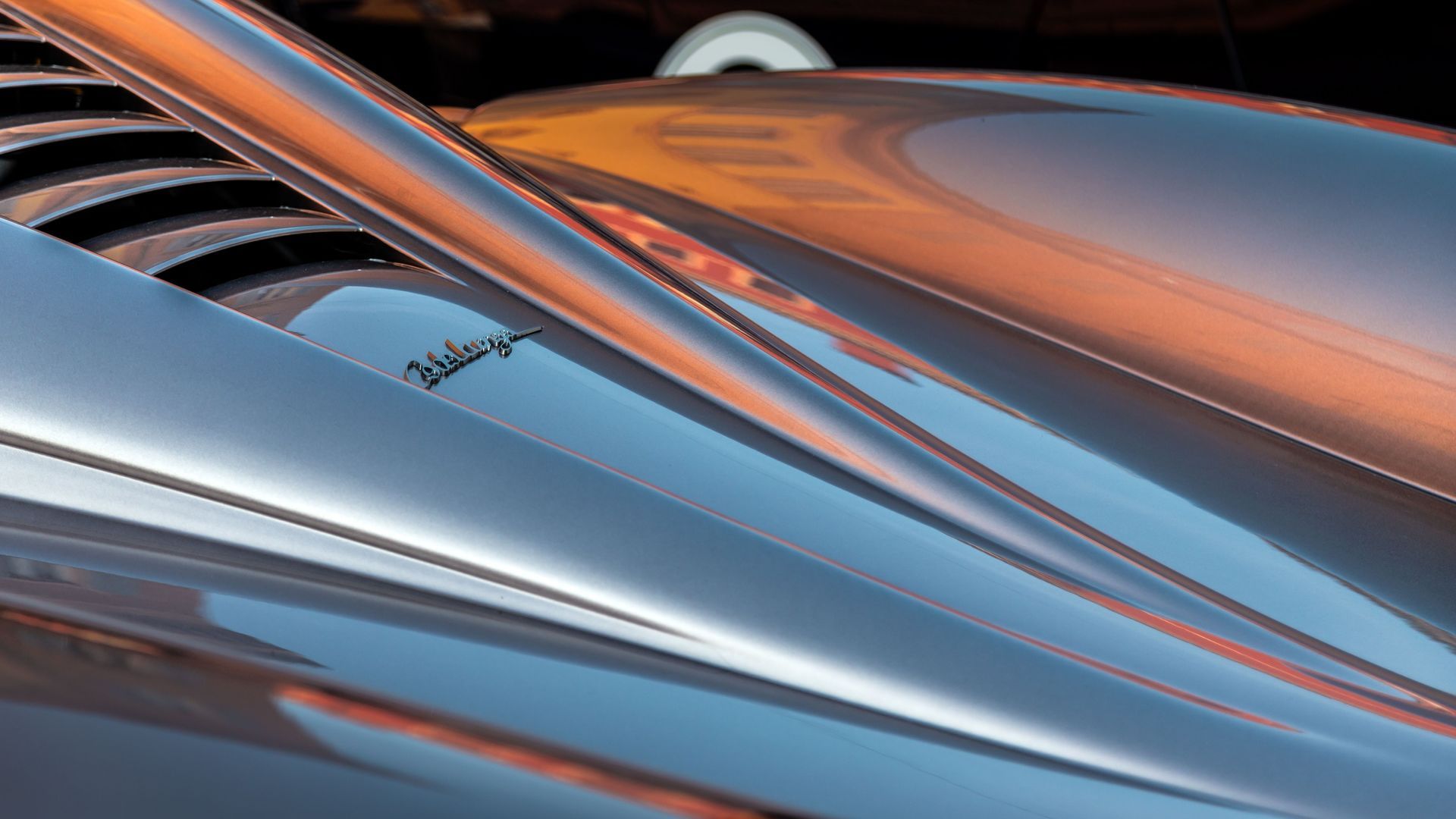
Fine crushed glass or glass bead cleans without over profiling. You get a bright, even surface that is ideal for powders where you want a smooth cosmetic finish.
Stainless steel
Glass bead is common for a satin, non directional cosmetic finish. It also avoids embedding free iron that could interfere with corrosion resistance.
Heat sensitive or delicate parts
Soda or plastic media removes coatings with minimal base metal loss. This is helpful for thin panels, some plastics, and assemblies that cannot tolerate aggressive cut.
Full Blown Coatings. A client from Farmington brought us a set of cast aluminum wheels with old paint and corrosion under the clear. We cut with a fine crushed glass to strip the bulk, then finished with glass bead for a uniform texture. After a bake out and a two coat powder, the surface laid out smooth and the color matched across all four wheels.
When Sandblasting is the Right Choice
Sandblasting techniques shine when you need heavy removal. Think truck frames, gates, trailers, structural members, and industrial machinery. Thick rust, multiple paint layers, and fabrication scale all come off efficiently. If you plan to use a zinc rich primer or a high build outdoor powder, the deeper profile from aggressive blasting helps you reach the specified adhesion targets.
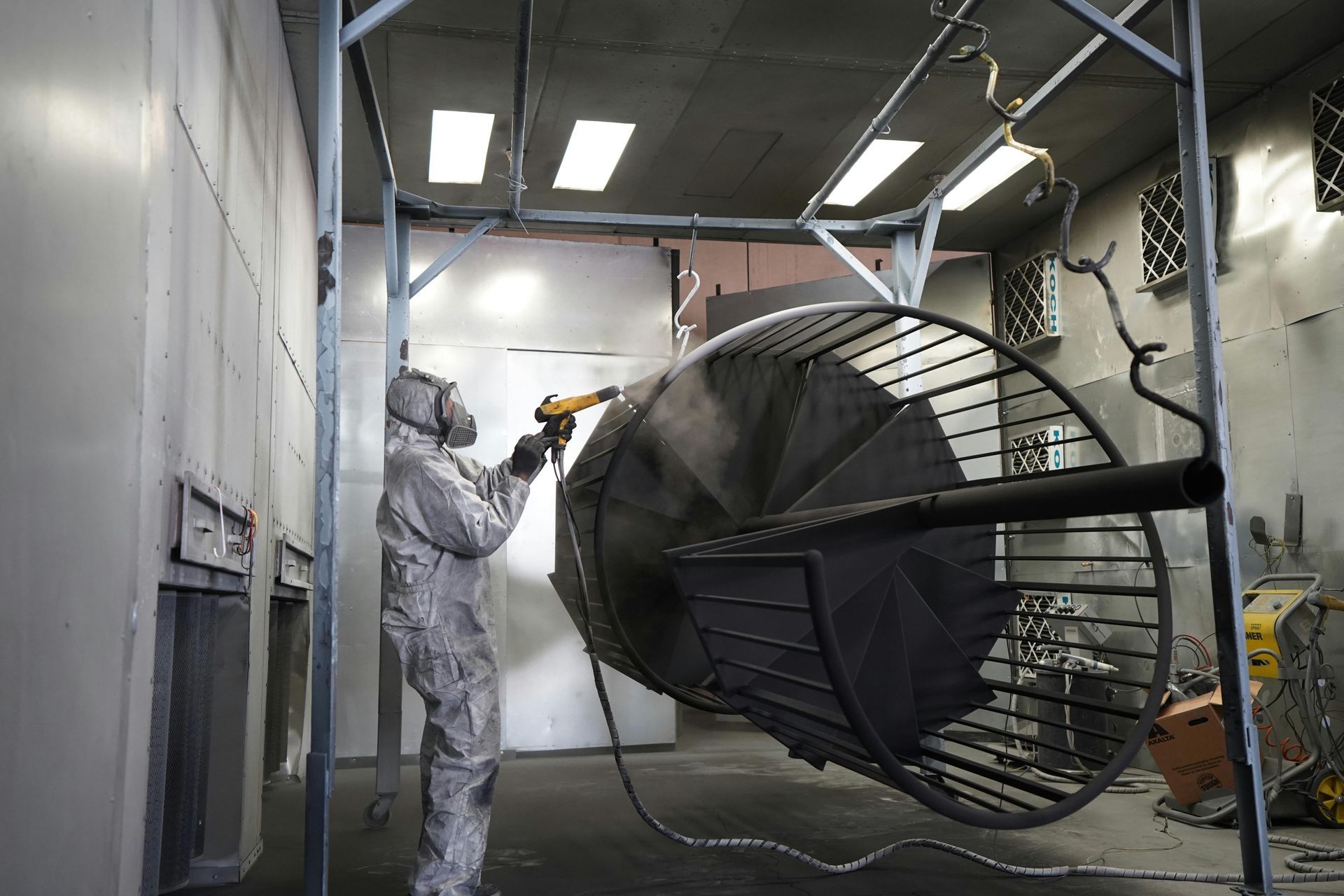
Shop example. A commercial railing package from Salt Lake City arrived with weld discoloration and shop grime. We blasted with aluminum oxide to a near white metal condition, wiped to pass a water break test, and applied a durable outdoor powder system. The contractor appreciated that the texture felt consistent from run to run, which kept the project looking uniform across several buildings.
Combining Methods for Best Results
You can improve finish and efficiency by sequencing media. A common approach for cosmetic parts, such as wheels or decorative hardware, is a two step workflow. Start with a faster cut to remove coatings and corrosion, then shift to glass bead to refine the texture. The result is a clean surface that hides minor casting variation and helps powders lay smooth.
For patio furniture, a shop might open with crushed glass to remove flaking paint and rust, then use a lighter pass to even the surface before coating. This split keeps costs and profile under control yet gives you a clean, even canvas.
From Drop Off to Finished Part
- Intake and inspection. Photo documentation, coating goals, color selection, and lead time are captured up front.
- Degrease and pre clean. Oils and road film must go before blasting to keep media cleaner and results more predictable.
- Masking. Threads, bearing fits, and critical sealing lands are masked to preserve tolerances.
- Media selection and test. On complex or high value parts, a small test area or coupon confirms profile and appearance.
- Blasting. The operator watches coverage and measures profile when required.
- Bake out for castings. Porous parts are baked to drive off trapped gases, then re cleaned.
- Final clean. Blow down, tack cloth, and solvent wipe as appropriate.
- Coating and cure. Powder application, cure schedule, and film build are controlled to the powder’s technical data sheet.
- Quality checks. Visual inspection, adhesion checks when specified, and color confirmation under consistent lighting.
A homeowner from Logan dropped off a patio set with multiple paint layers and rust scars. After a careful strip and a textured bronze powder, the set looked new. The texture hid minor pitting from past corrosion, which gave the client a better than expected cosmetic result.
Equipment and Safety Essentials
Blasting efficiency depends on air volume. A typical blast nozzle may require dozens of cubic feet per minute at the working pressure. Undersized compressors starve the nozzle, which lengthens jobs and lowers finish quality. Dust collection protects workers and keeps visibility clear so the blaster does not miss areas.
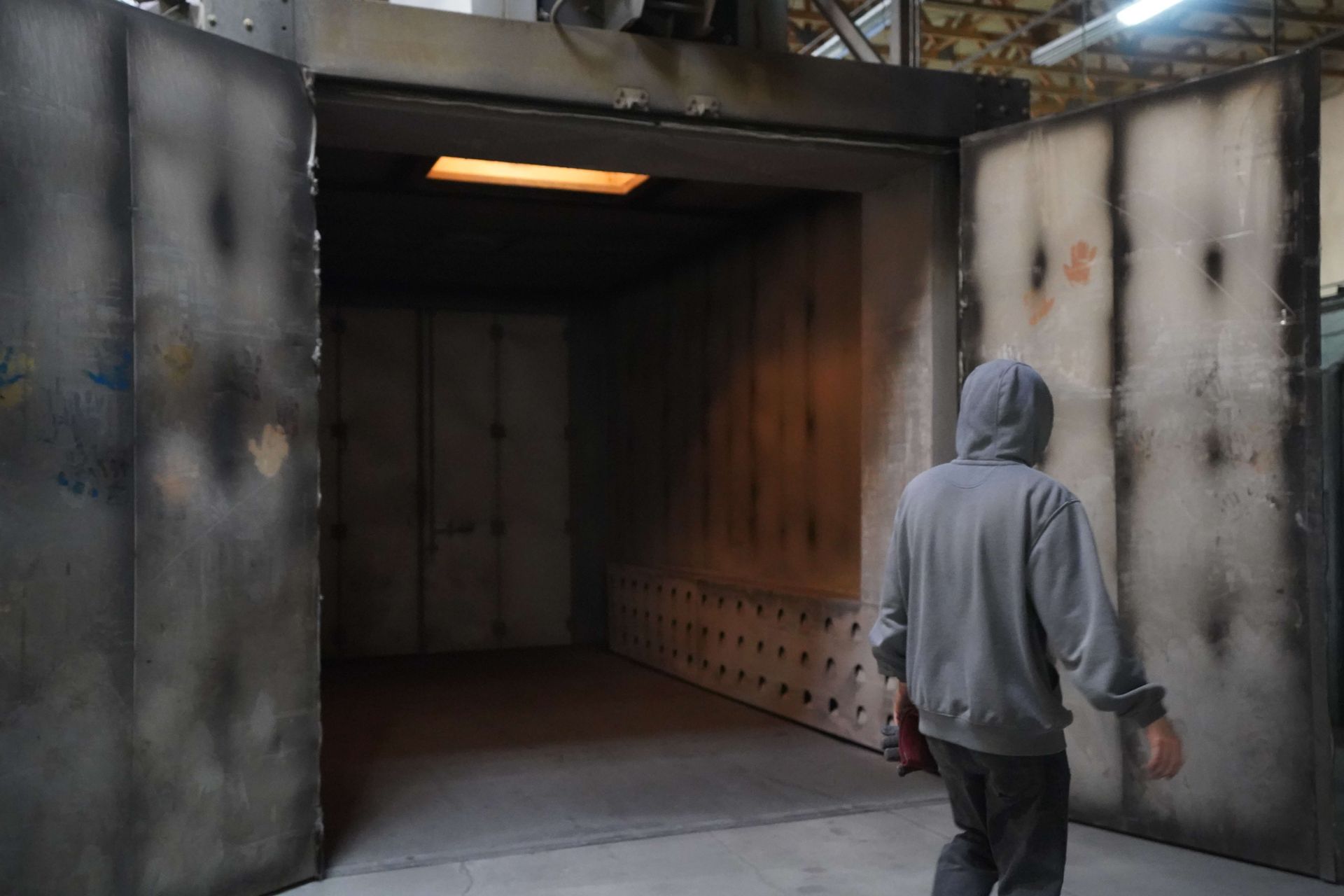
Cabinets work for smaller parts and precision work. Blast rooms handle larger items like railings, frames, and furniture sets. Operators wear proper PPE, including respirators, gloves, eye protection, and hearing protection. Spent media is recycled or disposed of according to the type and contamination level.
What Affects Cost
- Part size and geometry. Bigger parts and complex shapes take more time.
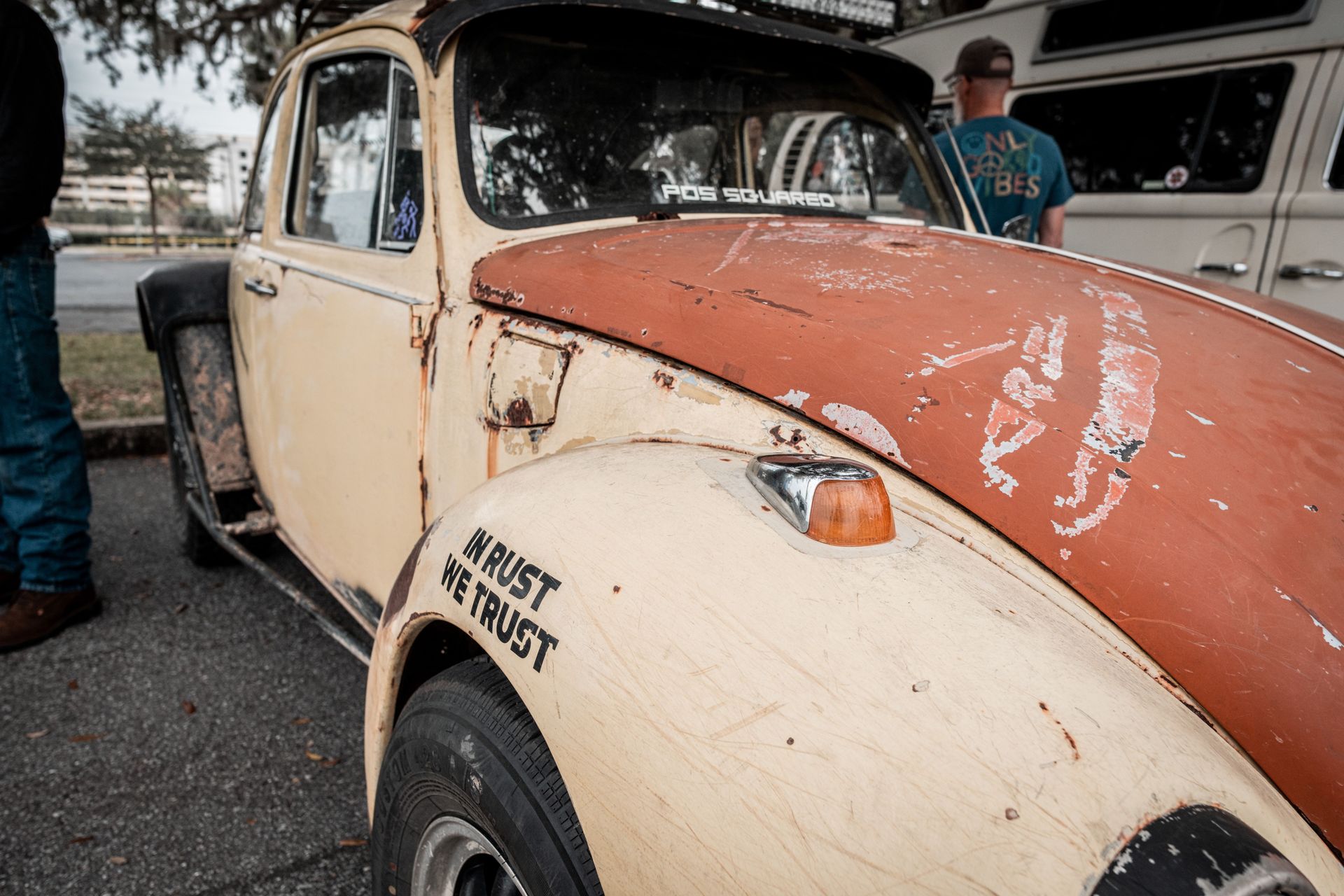
- Condition. Heavy rust, thick paint, and grease add steps and media consumption.
- Media type. Some abrasives cost more per pound but cut faster, which can reduce labor.
- Masking. Tapped holes and precise fits add setup time.
- Logistics. Pickup and delivery save you time and can keep a project moving, especially for multi piece jobs.
Transparent estimates help you compare apples to apples. A good provider explains why a certain media is specified and how it supports your target finish, whether that is a fine cosmetic surface or a heavy duty profile under an outdoor powder.
Quality Standards and How to Verify
Reputable shops document cleanliness levels and, when applicable, profile measurements. For critical steel work, you may see terms like “near white metal.” For coated parts, cross hatch adhesion checks and film thickness readings confirm you are within the powder manufacturer’s specifications. Photo records and batch tracking help with repeat orders and warranty support.
Common Use Cases in Northern Utah
- Automotive. Wheels, brake calipers, frames, suspension components, and underbody brackets.
- Residential. Patio furniture, gates, fencing, handrails, and decor.
- Commercial and industrial. Machinery bases, piping, structural steel, architectural railings, and signage.
A local fabrication shop brought in a run of architectural panels for a project in Weber County. By locking in a consistent blast spec and using the same powder lot for the entire batch, we delivered a uniform look across multiple deliveries, which kept the GC and the building owner happy.
How to Choose a Provider
Look for a shop that keeps blasting and coating under one roof. Control over the handoff between steps reduces contamination risk and keeps quality consistent. Ask about media inventory, sample panels, oven size, and color library. Confirm whether they offer pickup and delivery for large or awkward parts. Read local reviews in the five counties listed above and look for consistent comments about communication, on time delivery, and finish quality.
Will blasting warp thin panels
With correct media, pressure, and technique, warping is preventable. Experienced operators control heat input and stand off distance.
What media is best for aluminum wheels
Fine crushed glass or glass bead is common, often paired with a pre bake to reduce outgassing.
How clean should parts be at drop off
Wipe off heavy grease and remove loose dirt. The shop will handle degreasing and blast prep, but starting cleaner keeps timelines predictable.
Can you remove old powder or Cerakote
Yes. The right abrasive and dwell time remove these finishes cleanly. For complex parts, a chemical strip may precede blasting.
How long does it take
Simple parts move fast. Complex assemblies with masking, outgassing, and multi coat finishes take longer. Clear expectations up front make scheduling easier.
The Bottom Line
Media blasting and sandblasting are not optional extras. They are the foundation for durable, attractive finishes. The right abrasive, the correct profile, and clean handoffs from prep to coating give you a result that lasts. If you want a shop that treats prep with the same care as the final color, reach out to Full Blown Coatings for a quick photo quote and guidance on media selection for your part. Whether you are in Salt Lake, Utah, Davis, Weber, or Cache County, knowledgeable prep will save you time and money while making your project look its best.
Share This Post!