Powder Coating Colors for Wheels
A Practical Guide for Utah Drivers
Choosing the right powder coating colors for wheels is about more than style. The color family, sheen, and texture you select will influence how your wheels look after a month of brake dust, a winter of magnesium chloride, and years of UV exposure at altitude. This guide covers how powder coating works for wheels, which color categories perform best in Utah, how to balance looks with maintenance, and what to expect for prep, cost, and care. The focus is on work done across Salt Lake County, Utah County, Davis County, and Weber County, where conditions swing from bright sun to snow and deicers.
Wheel Powder Coating 101
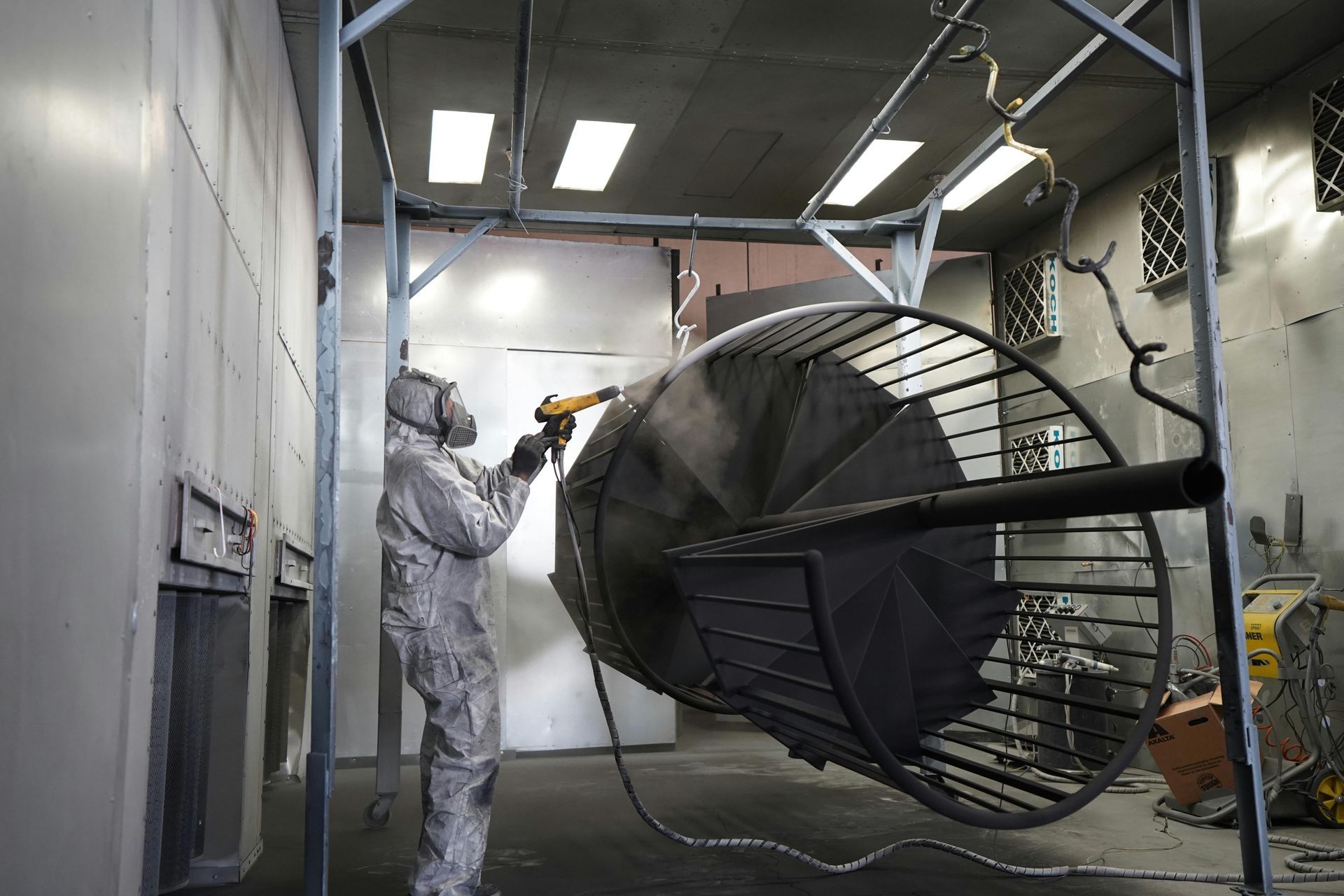
Powder coating is a dry finishing process where a charged powder is sprayed onto a grounded wheel, then melted and cured in an oven to form a continuous film. For wheels, a proper system typically includes:
- Media blasting to remove old coatings and create an anchor profile.
- Pretreatment such as iron phosphate or zirconium to promote adhesion and corrosion resistance.
- Primer when needed for harsh exposure or porous castings.
- Color coat selected for chemistry, resilience, and appearance.
- Optional clear to add depth, UV resistance, and easier washing.
A well-designed stack gives you both the color you want and the durability you need for mountain passes and winter roads.
Color Families and When to Choose Them
Blacks and Charcoals
The most requested family for a reason. Satin and matte blacks hide micro-scratches, fingerprints, and dust well. Gloss black offers a deep, wet look but shows swirls and road film more readily. Charcoal and graphite tones split the difference by keeping a premium appearance while softening the visibility of dirt.
Best for: Daily drivers, trucks, SUVs, and fleet vehicles that need a clean, consistent presentation with minimal maintenance.
Silvers and Gunmetals
Silvers, hyper-silvers, and gunmetals mimic OEM sophistication and pair well with nearly any body color. Metallic flake options catch light without going “show only.” If you want an upscale look that still washes easily, gunmetal satin remains a top pick along the Wasatch Front.
Best for: OEM-plus builds, luxury crossovers, and any vehicle where you want a factory-correct vibe with better durability than paint.
Bronze and Gold
Warm metallics have become a signature look for off-road and performance builds. Satin bronze tones play nicely against black tires and dark trim, and they stand out in photos without being loud. They hide dust well and keep a premium tone even after a week of commuting or trail time.
Best for: Trucks, overland builds, performance sedans, and wheels with aggressive spoke designs that benefit from contrast.
Whites and Off-Whites
Nothing looks cleaner on a show car than bright white wheels—until a long, dusty drive. Whites require more frequent washing but deliver unmatched pop. Adding a clear topcoat increases gloss and scuff resistance and makes cleaning faster.
Best for: Show vehicles, seasonal setups, and customers committed to a strict wash routine.
Bright Colors
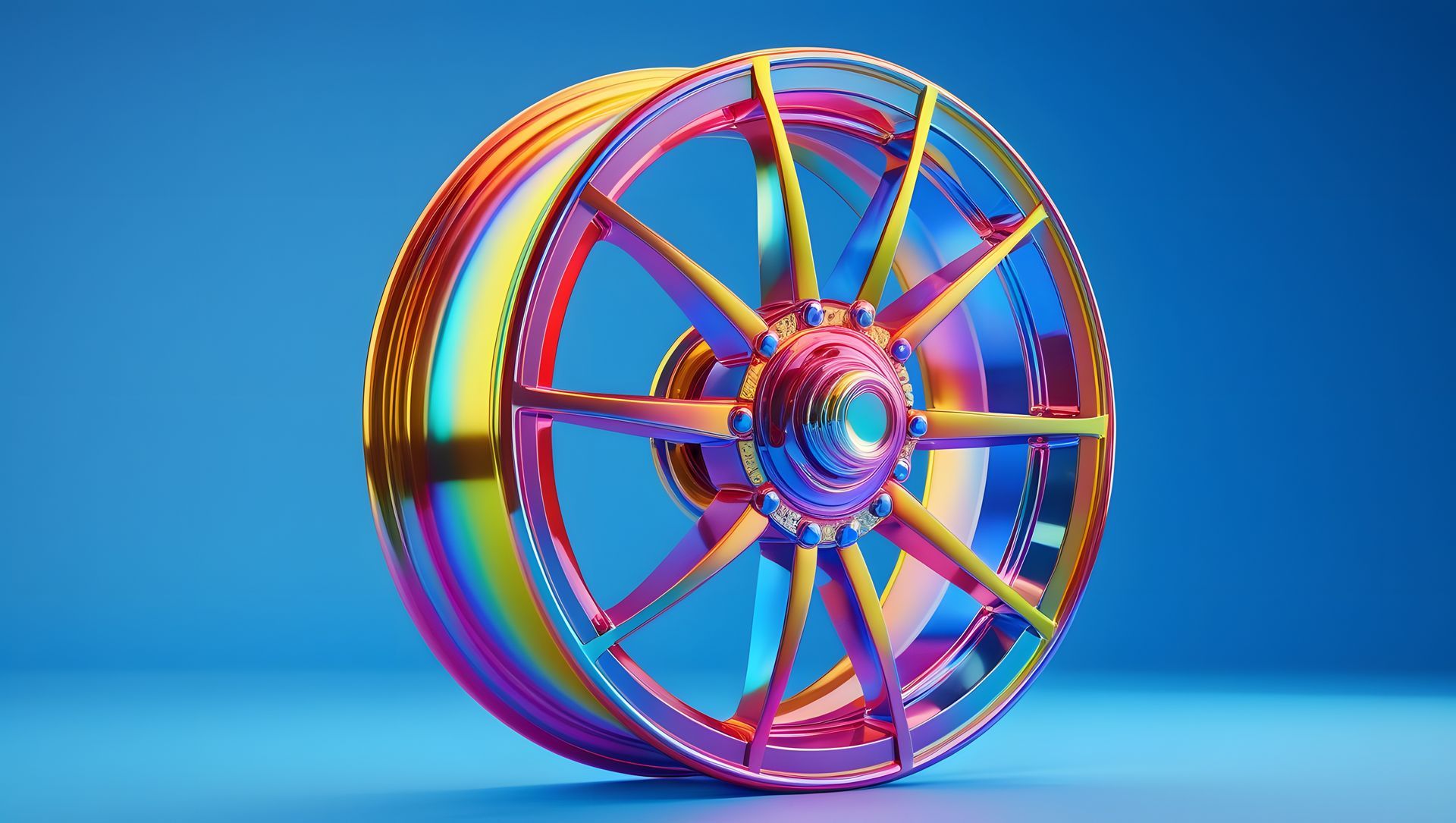
Reds, blues, yellows, and candy finishes make a strong statement. Super-durable polyester chemistries are essential to hold color in Utah sun. Candies require a metallic base and clear on top for optical depth and protection.
Best for: Performance builds, motorsports, and brand-forward fleets that need high visibility.
Earth Tones
Army green, sand, and dove grey offer a rugged, purposeful aesthetic. With the right satin or fine texture, they hide trail rash and dust better than brighter tones while still looking intentional and refined.
Best for: Off-road wheels, beadlock rings, and utility builds that take regular abuse.
Sheen and Texture: How the Finish Affects Performance
- Gloss maximizes color depth and reflection but reveals swirls and dust more quickly.
- Satin balances depth with easy maintenance and is the most widely chosen sheen for daily drivers.
- Matte minimizes glare and hides minor scuffs, especially useful for trucks and off-road builds.
- Fine texture or wrinkle can hide surface imperfections and daily wear, ideal for utility wheels and beadlock components.
If you are on the fence, satin is the most forgiving day to day, and it tends to photograph well without showing every speck of dust.
Durability Choices for Utah Conditions
- Super-durable polyester powders retain color and gloss better under strong UV. These are preferred for exterior wheels in our climate.
- Zinc-rich primer adds a sacrificial corrosion layer for winter deicer exposure and is recommended for older castings or heavily blasted wheels.
- Two-coat color systems build chip resistance and allow specialty appearances like candies and metallic effects.
- Clear topcoat improves washability, adds depth to metallics, and can protect matte or satin appearances from polishing marks.
Prep and Masking Essentials for Wheels
Quality prep work is nonnegotiable. Wheels should be fully stripped and blasted to a consistent profile. Aluminum cast wheels are often pre-baked to drive out trapped oils and gases that can cause outgassing defects under the coating.
Critical masking points include:
- Hub bores and mating surfaces
- Lug seats and threads
- Any sensor ports or valve seats
A customer from Kaysville brought in a set of winter wheels with peeling paint and corrosion around the hub bores. The Full Blown Coatings team blasted to clean metal, pre-baked the wheels to outgas, applied a zinc-rich primer, and finished in satin graphite with a clear. The customer returned after the next winter and reported the wheels rinsed clean in minutes, with no new corrosion creep at the bores.
Popular Utah Color Trends and Combos
- Satin black centers with gloss black rings for subtle contrast on trucks and SUVs
- Bronze centers with matte black barrels for off-road builds and crossovers
- Gunmetal or hyper-silver for the OEM-plus look on sedans and wagons
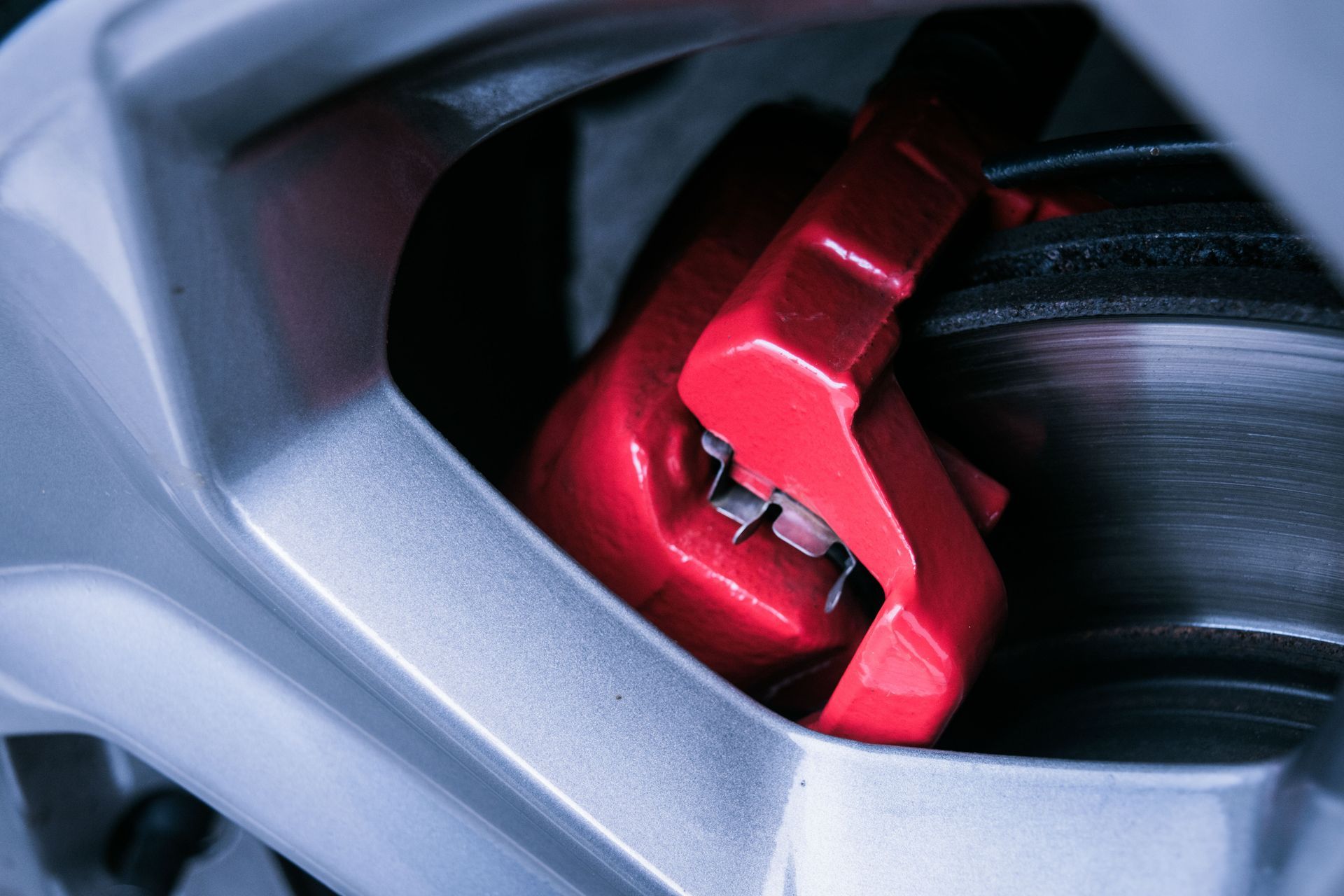
- Statement brights such as crimson red or royal blue paired with matching brake caliper accents
Costs and Lead Times: What Moves the Needle
Pricing depends on wheel size, spoke complexity, the amount of blasting required, whether primer and clear are included, and whether repairs are needed for curb rash. Specialty effects like candies add labor and materials for base and clear.
Typical lead times for a set of wheels range from a few business days to a week once parts are clean, stripped, and scheduled. If your wheels arrive with old powder, paint, adhesive weights, and corrosion, build in time for thorough blasting and prep. Ask for a written line item estimate that shows blasting, pretreatment, primer, color, and any clear coat so you can compare options accurately.
Care and Maintenance
- Wash with pH-neutral soap, soft mitts, and dedicated wheel brushes.
- Avoid harsh acids or strong alkaline degreasers that can dull finishes over time.
- Inspect seasonal wheels for chips at leading edges; touch up small nicks to keep moisture out.
- Consider a ceramic topcoat on top of powder for even faster brake dust removal and easier winter cleanup.
How to Pick Your Color With Confidence
- Review physical chips in natural light next to the vehicle.
- Request a sprayed sample panel for candies and special textures to see true depth.
- Decide on sheen and clear early; clear can subtly increase depth and change how metallic flake reads.
- Match the use case to the finish. Daily drivers do best with satin or fine texture. Show builds can justify gloss or complex effects.
An Ogden customer brought two sets of chips to compare against a matte grey body color. After reviewing outside in midday light, they chose satin bronze for the wheels and a matching satin clear on the calipers. Full Blown Coatings completed both at once for a consistent tone, and the customer later noted that road film was less noticeable between washes than with their previous gloss black setup.
FAQs
Can powder match factory paint exactly?
Powder libraries are extensive, but one-for-one matches are not always possible. Near matches that complement the body color usually look better than forcing a perfect match.
Do matte and satin finishes hide dirt better?
Yes. Satin and matte reduce glare and downplay dust and micro-scratches. Gloss looks deeper but shows more.
Will a clear coat change the color?
Clear deepens appearance, especially over metallic or candy bases. Ask to see a panel with and without clear if you want to keep a very flat, tactical look.
Can you recoat previously painted or powdered wheels?
Yes. Proper stripping and blasting are required to remove unknown coatings and contamination.
What about forged versus cast wheels?
Both can be coated. Castings often need pre-bake outgassing, while forged wheels may blast and coat more straightforwardly.
Service Area and Logistics
Pickup and delivery options are often available across All of Utah, Wyoming, and Nevada Coordinating prep, color selection, and scheduling before drop-off streamlines turnaround.
Next Steps
If you are ready to select powder coating colors for wheels, begin with color family and sheen based on how you use the vehicle, then refine to specific tones using physical chips or sample panels. Ask for a line item quote that includes blasting, pretreatment, primer if needed, color, and clear so you can balance budget and durability. For examples of satin bronze, gunmetal, and statement reds on local builds, and for help choosing the right system for Utah weather, contact Full Blown Coatings. Their team can show recent wheel projects, explain chemistry choices in plain terms, and schedule pickup and delivery if you need it.
Share This Post!