Top Coat Powder Coating: Clear Coats That Protect, Seal, and Shine
Top Coat Powder Coating
If you’ve ever wondered why some powder coated parts keep their gloss and color for years while others fade or chalk, the difference is often the top coat. In professional finishing, Top Coat Powder Coating typically is a clear powder applied over a color base, adds UV stability, chemical resistance, and an extra barrier against abrasion. Below, we explain what top coats are, when to use them, and how Full Blown Coatings implements them for long-term performance on projects across Logan, Hyrum, North Ogden, Ogden, and West Haven.
What a Top Coat Is | and What It Is Not
A top coat is the final, protective layer in a multi-coat powder system. It can be crystal-clear or lightly tinted and is formulated to preserve the look of the base coat while boosting durability (gloss retention, color stability, and resistance to wear). In short, the base coat delivers the color; the top coat locks it in and helps it last. Industry guidance frames the top coat as the layer responsible for the coating’s final aesthetics and added protection.
Clear vs. Color-on-Color
- Clear-over-color is the most common route for wheels, outdoor furniture, architectural trim, and signage.
- Color-on-color stacks a second pigmented layer for effects like candy, metallic depth, or textured sheens. Many metallics in particular benefit from a clear layer to protect aluminum flakes and preserve sparkle outdoors.
Why Add a Top Coat? The Business Case
1) UV Stability and Gloss Retention
Even high-quality polyester powders will gradually lose gloss in harsh sun. Clears designed for exterior use are engineered to resist UV degradation, slow down chalking, and preserve color and sheen. If your part lives outside—think gates, railings, patio sets, or roof-mounted equipment—this is non-negotiable.
2) Chemical and Abrasion Resistance
A clear top coat provides an additional “wear layer.” It helps fend off road salts, brake dust, household chemicals, and frequent cleaning. Automotive wheel clears designed for exterior exposure have decades of proven use for exactly this reason.
3) Easier Maintenance and Refinish Options
A clear can be renewed or lightly refinished without disturbing the color beneath. That can save time and cost on high-visibility assets like corporate signage and architectural elements.
When a Top Coat Is Strongly Recommended
Outdoor Metallics and Pearls
Metallics look fantastic but are more vulnerable to environmental degradation if unprotected. A clear top coat stabilizes the effect pigments and extends service life in full sun.
High-Touch, High-Heat, or High-Soil Environments
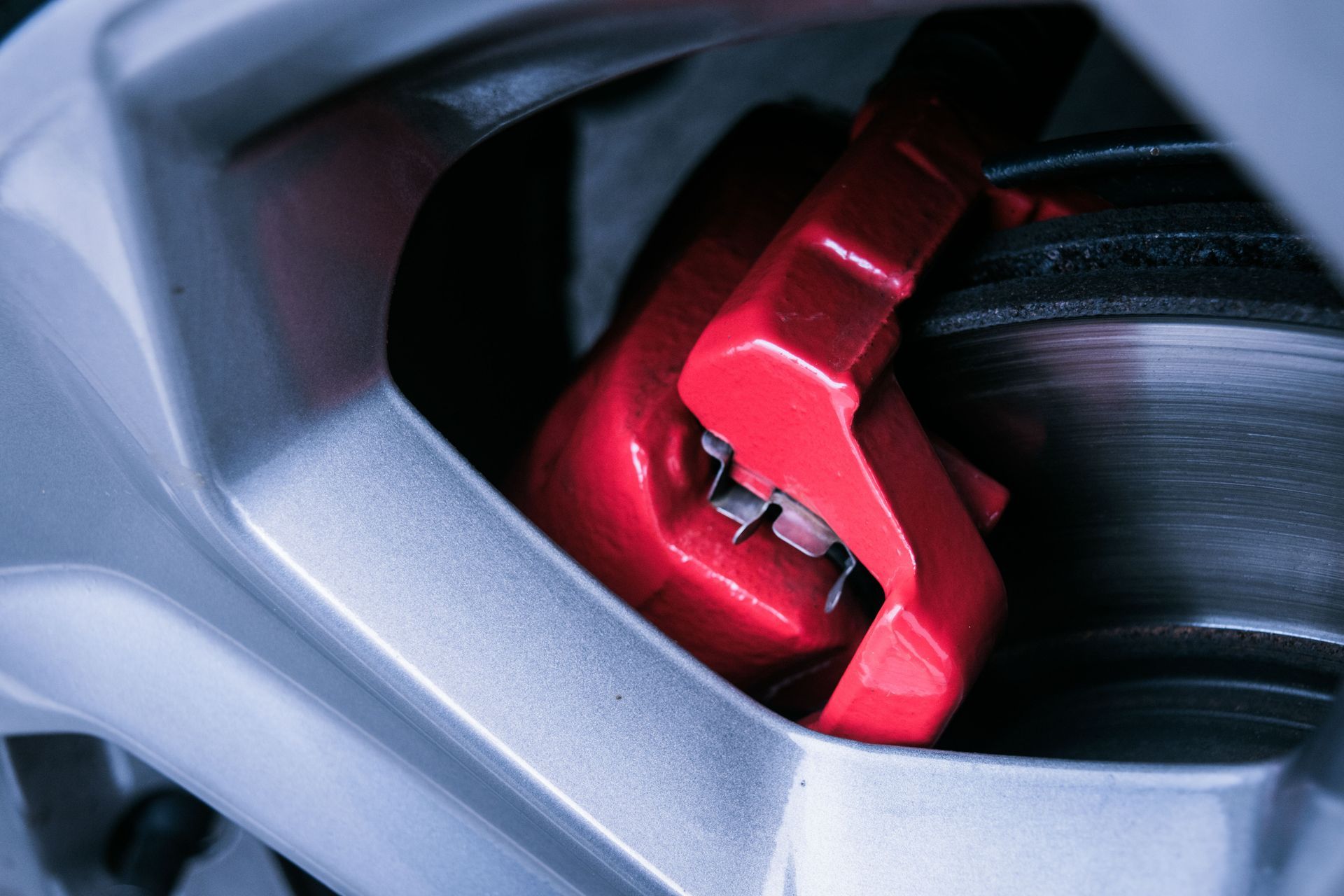
- Wheels and brake components: Road debris, heat cycles, and chemical exposure justify a clear. Wheel-grade clears are specifically formulated for these conditions.
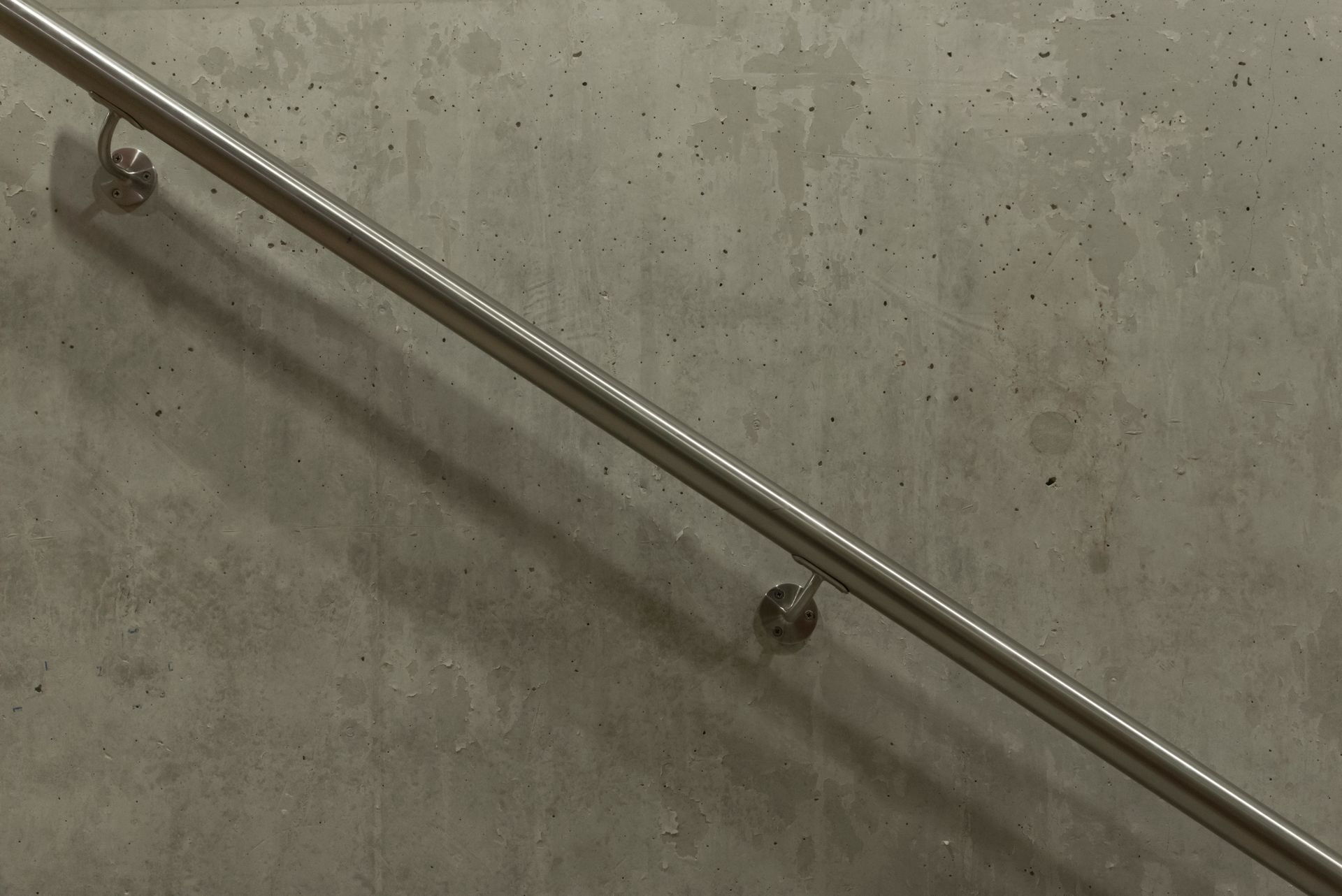
- Commercial handrails and public furniture: The added abrasion resistance pays for itself in reduced touch-up frequency.
- Industrial enclosures: A clear layer helps with washdowns and solvents used during maintenance.
Premium Aesthetic Targets
If you need that deep “show car” look, candy finishes or flake effects, a clear delivers the depth and visual pop customers expect—without compromising protection.
How Full Blown Coatings Executes a Top-Coat System
Our process has been refined on thousands of parts for customers in Cache and Weber counties and along the Wasatch Front. Highlights:
1) Surface Prep
The best top coat cannot rescue poor prep. We start by media blasting to a proper anchor profile, then solvent-clean and outgas as needed (especially for cast aluminum). Sound substrate prep is the single most reliable predictor of long-term adhesion.
2) Base Coat Application and Cure
We apply the color base to a target film build and cure per the manufacturer’s object-temperature schedule. Consistent, even film is essential for later clarity and gloss.
3) Clear Top Coat Application and Final Cure
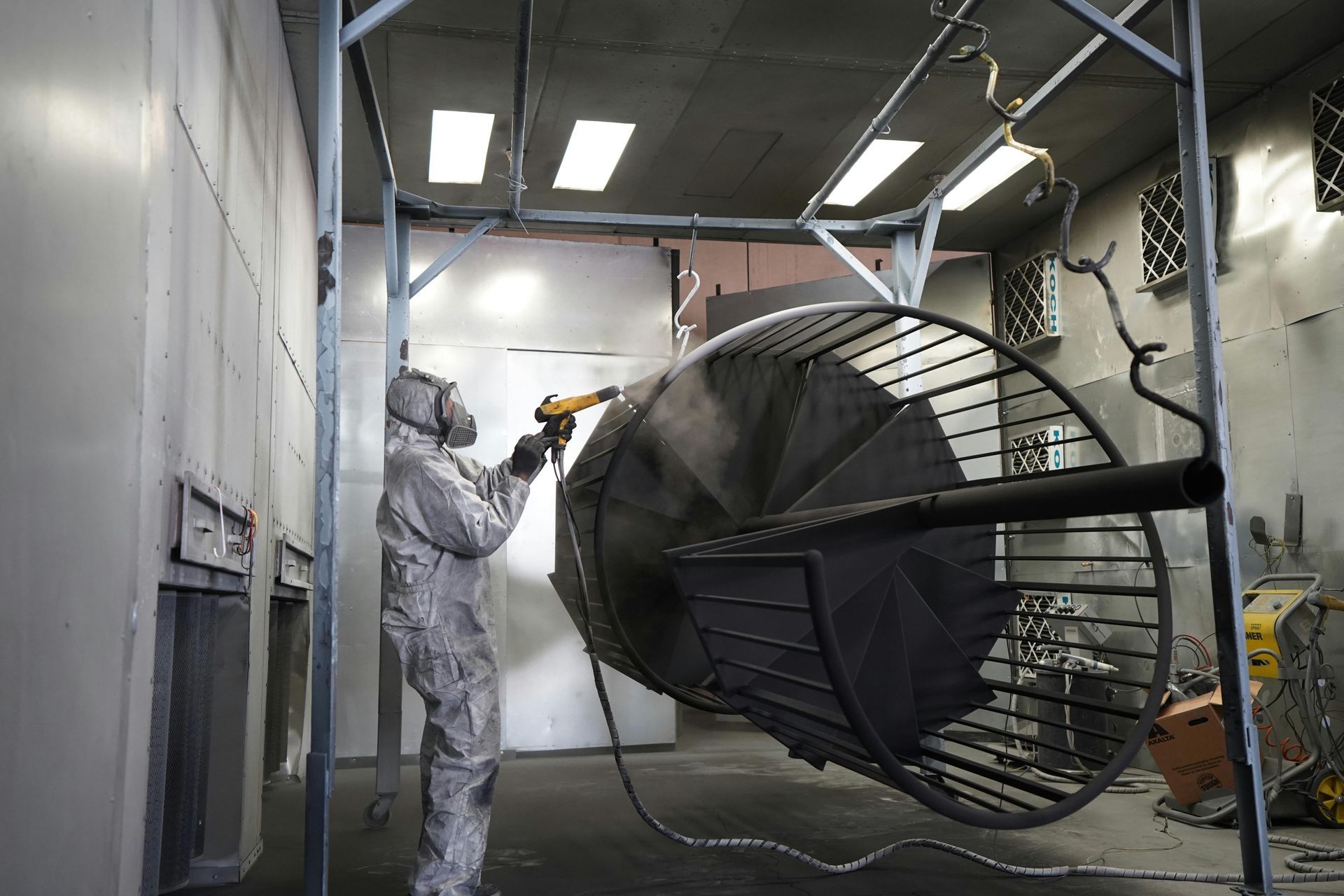
We apply the clear at the film thickness required for the environment and service class. For exterior assemblies and wheels, we select high-durability clears that are tested for gloss retention and color stability in aggressive UV conditions.
4) Quality Control and Adhesion Checks
Depending on the project spec, we verify adhesion using standardized tape-test methods (ASTM D3359 Method A or B). Field-friendly, repeatable QC ensures the clear is bonded as intended.
Selecting the Right Clear: Matching Performance to the Mission
Not every clear is equal. Choosing the correct chemistry and rating matters.
Chemistry and Rating
- Exterior polyester clears are the go-to for UV exposure and are commonly specified for architectural and automotive components. Some systems are qualified to stringent architectural standards for multi-year outdoor performance and gloss retention.
- Low-cure and low-bake clears are useful for temperature-sensitive substrates or assemblies with mixed materials.
Finish and Gloss
Clears come in high gloss, satin, and matte. Matte clears can tone down a bright color for a more premium, architectural look without giving up protection.
Film Build Targets
Too thin and you lose barrier protection; too thick and you risk orange peel. Wheel-grade clears typically specify a narrow film-build window for balanced clarity and toughness.
Real-World Examples from the Shop
Wheel Set, North Ogden
A client brought in two winter-worn wheel sets. We blasted to white metal, applied a metallic graphite base, and finished with a high-durability clear. After a season of road salt, they returned for new tires and reported the wheels still looked freshly coated—brake dust washed off with a quick rinse.
Architectural Railings, Logan
A contractor needed consistent gloss across several building elevations with full south-facing exposure. We used an exterior-rated polyester color with a compatible clear. The extra layer helped the project meet their owner’s maintenance interval target and match gloss across sections that see different sun angles.
Public-Use Furniture, Ogden
Park benches and bike racks take constant abuse. We specified a textured color base for scuff-hiding and a satin clear to add mar resistance and make cleaning easier for city crews.
Top Coat Powder Coating vs. Single-Coat Systems
A single, high-quality exterior powder can perform well. However, when the stakes include aggressive UV, constant cleaning, or high-touch wear, the incremental cost of a clear often saves money over the service life:
- Longer intervals between repaint or refurb
- Better color and gloss holdout in sun-exposed placements
- Improved resistance to chemicals, brake dust, and detergents
Architectural standards used by specifiers set expectations for multi-year outdoor exposure and appearance retention; clears formulated for those targets provide a predictable performance envelope.
Common Myths About Clear Coats
“A clear will always make any base look better.”
Not always. If the base has orange peel or runs, the clear may accentuate defects. Finisher discipline on base-coat quality is essential.
“Clears are only for show cars.”
In our climate, UV and freeze-thaw cycles punish exterior finishes. A clear is a practical tool for total lifecycle value, not just appearance.
“Any clear will work outside.”
Interior clears or general-purpose clears can chalk quickly. Use exterior-rated formulations documented for gloss retention and color stability.
What It Means for Your Project
If your parts live outdoors, see frequent handling, or must present a premium look for years, a Top Coat Powder Coat is a sound investment. For owners and fabricators in Logan, Hyrum, North Ogden, Ogden, and West Haven, the practical advantages are clear: better protection, better appearance retention, and lower total cost of ownership.
At Full Blown Coatings, we align product selection and process controls with the duty cycle of your parts—whether that points to a single-coat exterior powder or a clear-over-color stack that meets demanding specifications. Our shop approach reflects the same priorities you’ll see emphasized in industry resources: match the coating to the environment, verify adhesion, and protect the base with a clear when it matters most.
Ready to Spec a Clear?
Bring us your drawings, color targets, and service conditions. We will help you decide whether a clear is warranted, recommend chemistry and gloss, and provide a turnkey coating plan—including prep, base, Top Coat Powder Coating, and quality control—so your parts look right on day one and year five.
Share This Post!