Powder Coating vs Ceramic Coating vs Vacuum Coating
what’s the difference and which is right for your project?
Choosing a finish is as much about performance as it is about appearance. If you’re comparing powder coating, ceramic coating, and Vacuum Coating across Northern Utah—especially in Salt Lake County, Utah County, Davis County, Weber County, and Summit County—this guide explains how each process works, when to use it, and what to expect in cost, durability, maintenance, and appearance. You will also see where media prep (sandblasting), a quality powder coating gun, and a calibrated powder coating oven make the difference between a showpiece and a premature redo. Real project notes from Full Blown Coatings are included to ground the comparison.
Executive summary
- Powder coating is a thick, oven-cured polymer film that provides excellent barrier protection, edge coverage, and a huge color/texture selection. It’s the default choice for wheels, railings, gates, racks, and industrial fabrications that see abrasion, UV, and deicers.
- Ceramic coating is a thin, liquid-applied, room-temperature-cured protective layer (often used over paint or powder). It adds hydrophobicity, chemical resistance, and gloss retention but is not a substitute for a structural coating on bare metal.
- Vacuum Coating (often PVD) is a very thin metallic/ceramic film deposited in a sealed chamber for mirror-bright or tinted metallic looks on small parts. It’s highly cosmetic, with limited edge protection, and typically relies on underlying base/topcoats for outdoor durability.
How each process works
Powder coating (electrostatic + oven cure)
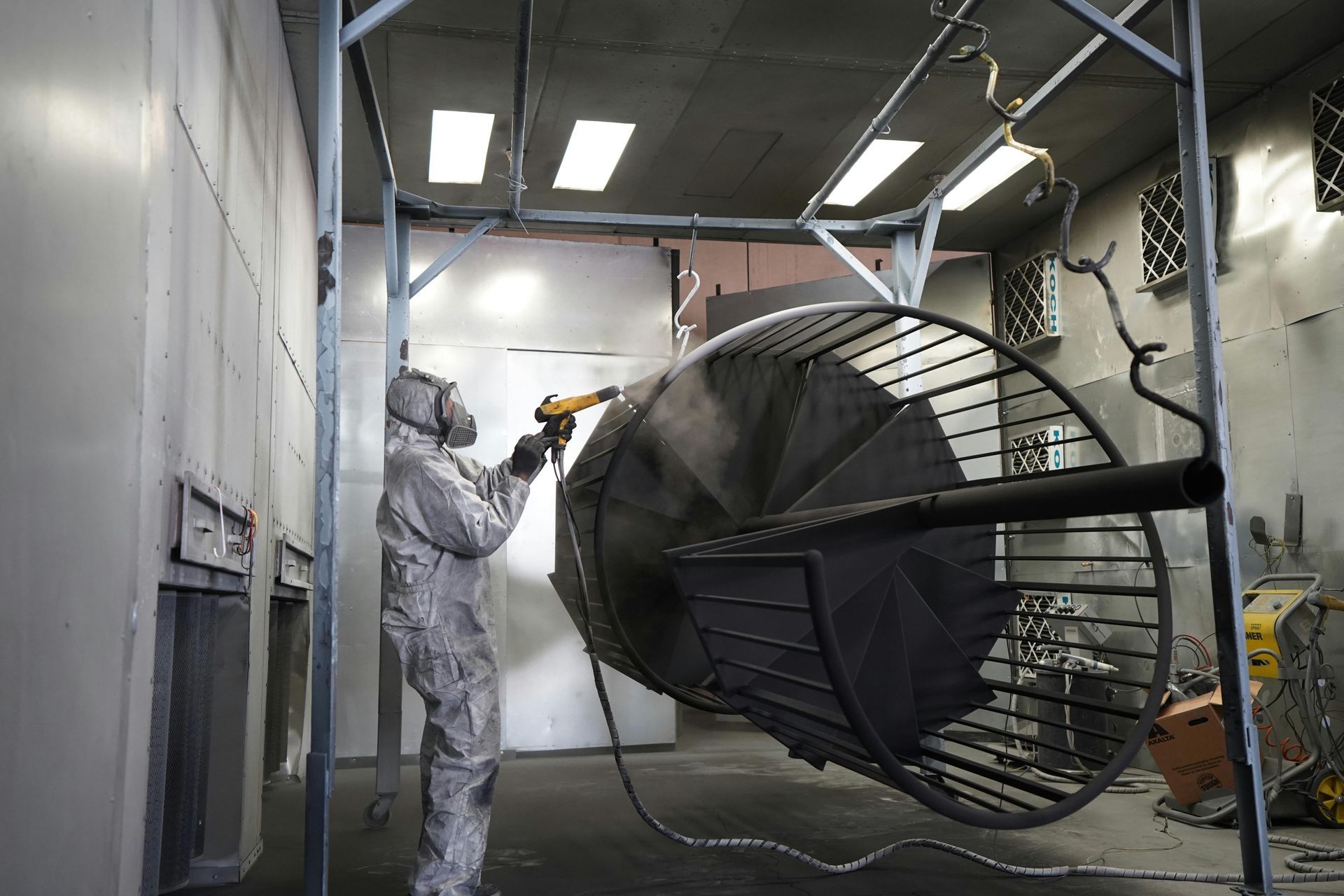
Dry resin particles are electrically charged by a powder coating gun and sprayed onto a grounded part. The part is baked in a controlled powder coating oven where the powder flows and crosslinks into a continuous film. Typical dry film thickness (DFT) is 60–120+ microns per coat; multi-coat systems (primer, color, clear) are common for demanding outdoor service.
Full Blown Coatings:
A contractor brought in 140 feet of handrail for a hillside home in Kaysville. We blasted to a consistent anchor profile, applied a zinc-rich primer, then a super-durable satin black. The builder reported zero chalking after two summers and said the rails washed clean of dust in minutes.
Ceramic coating (thin, liquid protective layer)
Ceramic coatings are silica-rich, nano-scale liquids that bond to an existing finish—automotive paint, gel coat, or a cured powder coat. They cure at room temperature, create a hydrophobic surface, slow UV oxidation, and make cleaning easier. They do not replace the barrier protection of powder on bare metal; think of ceramic as a protective “top layer” that reduces maintenance
Full Blown Coatings:
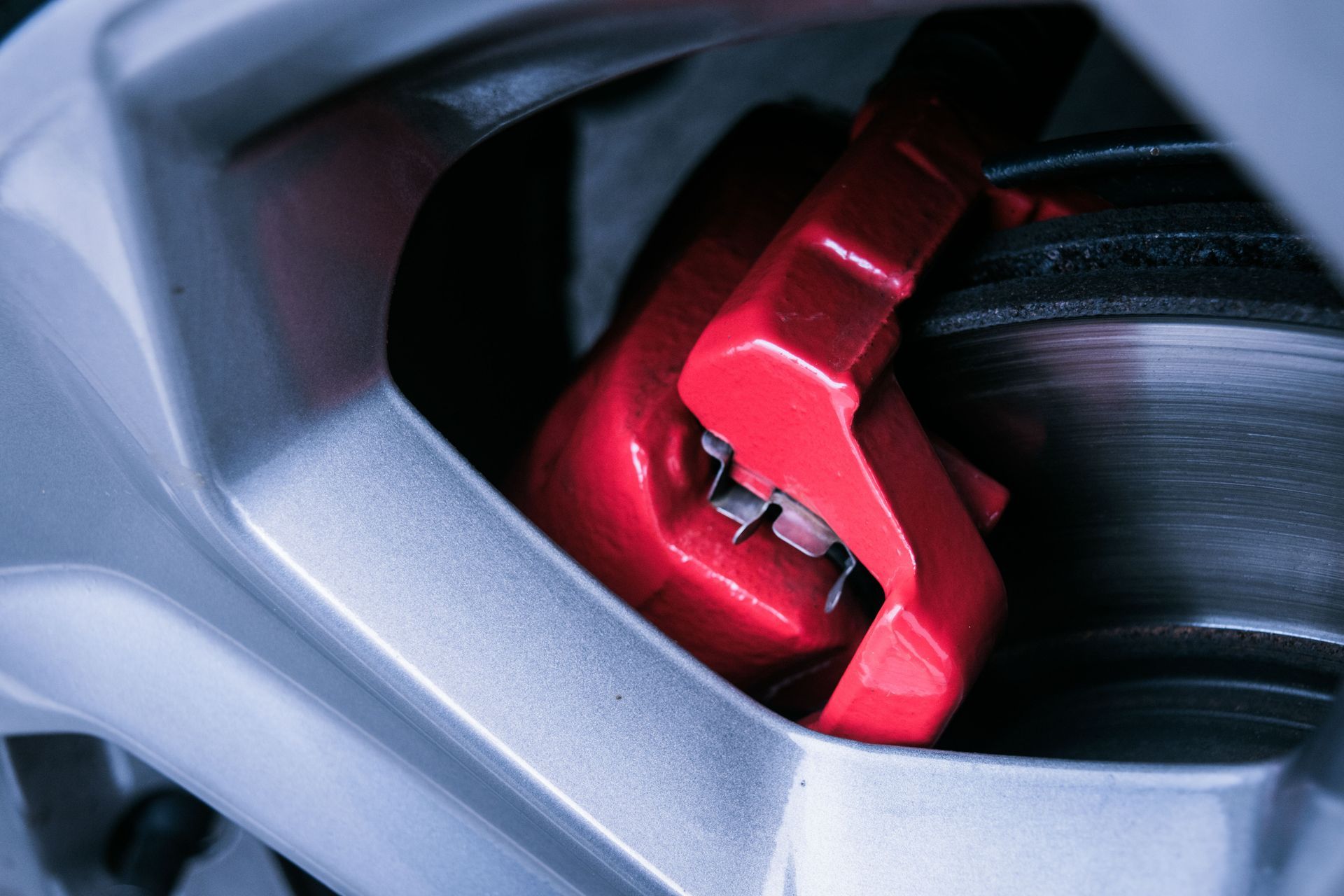
A track-day customer in Ogden asked for easier maintenance on matte-black powder-coated wheels. After cure and cooldown, we applied a compatible ceramic topcoat. He later shared photos of brake dust rinsing off with a hose after canyon runs—no harsh chemicals required.
Vacuum Coating (PVD thin-film metallization)
In Vacuum Coating, a metal or ceramic “target” is evaporated or sputtered in a vacuum chamber; the vapor deposits onto the part as a microns-thin, highly uniform decorative film. The result can be chrome-like brilliance or tinted metallic hues. Because the film is very thin, edge protection and chip resistance are limited without supportive primers/topcoats.
Full Blown Coatings:
A retailer loved the look of PVD-bright hangers but saw scuffing during assembly. We proposed a high-gloss metallic powder with a clear topcoat. The switch preserved the premium look and reduced warranty claims from handling damage.
Surface preparation: where performance is won or lost
Regardless of finish, adhesion and longevity depend on prep.
- Media blasting / sandblasting: Removes rust, mill scale, and old coatings; creates a uniform profile for mechanical keying.
- Chemical cleaning & outgassing: Critical for aluminum and castings to prevent pinholes and fisheyes.
- Conversion coats and primers: Iron phosphate or zirconium for aluminum/steel; zinc-rich primers on structural steel in deicer regions.
Full Blown Coatings:
A set of patio frames from Provo arrived with peeling rattle-can paint. After a controlled blast and iron phosphate, we laid a textured bronze powder. Two winters later the client emailed photos—still tight film, no rust creep, and far easier to wipe clean than the old paint.
Substrate and temperature compatibility
- Powder coating: Best for steel, aluminum, and stainless that can tolerate 350–420°F cure cycles. Plastics and low-temp composites typically are not candidates.
- Ceramic coating: Applied over existing paint or powder on metals and plastics; room-temperature cure.
- Vacuum Coating: Effective on metals and some plastics that accept a base coat; parts must fit fixturing and chamber size.
Thickness, edge coverage, and defect “telegraphing”
- Powder coating: Thick film wraps edges and mitigates minor surface imperfections from blasting. Excellent for chip-prone geometries like wheel lips and fence edges.
- Ceramic coating: Ultra-thin; enhances gloss/slickness but does not fill or protect edges from impact.
- Vacuum Coating: Micron-level thickness shows every substrate imperfection and offers minimal edge wrap.
Durability in Utah conditions
Abrasion and impact
Powder’s thickness absorbs road grit and tool bumps. Ceramic reduces marring and makes cleanup easy but is not a chip barrier. Vacuum Coating is hard but thin; once breached, the base is exposed.
Corrosion and deicers
Along the Wasatch Front, magnesium chloride and freeze–thaw cycles accelerate underfilm corrosion. Powder coating with a zinc-rich primer plus super-durable color and an optional clear delivers robust barrier protection. Ceramic helps keep contaminants from sticking to the surface but does not replace a barrier system. Vacuum Coating relies on underlying coats for corrosion resistance.
Full Blown Coatings:
A logistics firm in Roy struggled with rust on hand trucks. We stripped, blasted, primed, and finished with a fine-texture polyester powder to hide scuffs. Eighteen months later, the maintenance manager reported zero rust returns and faster cleaning between shifts.
UV and heat
Elevation in Salt Lake, Davis, Weber, Utah, and Summit counties means higher UV load. Super-durable polyester powders maintain gloss and color better than standard polyesters. Ceramic topcoats add UV stability and easier washing. Vacuum Coating can look spectacular but may require a UV-stable clear to hold appearance outdoors.
Appearance, color, and texture options
- Powder coating: Thousands of stock colors, candies, metallics, hammertones, wrinkles, satins, mattes, and clears. Easy to match brand standards; capable of multi-coat effects.
- Ceramic coating: Transparent; intensifies underlying gloss and color, adds slick feel, and simplifies maintenance.
- Vacuum Coating: Mirror-bright metallics and tinted chromes for small, high-visibility parts; limited texture capability.
Color selection advice: Approve physical chips and—when possible—sample-coat a small panel. Screens can mislead; lot-to-lot verification matters for repeat corporate colors.
Maintenance and cleaning
- Powder coating: pH-neutral soap, soft brushes, and periodic inspection. Touch-up for chips; full recoat is straightforward with strip/blast.
- Ceramic coating: Simple wash routines and occasional decontamination; expect a 1–3 year service window depending on exposure and product.
- Vacuum Coating: Gentle cleaners only; avoid abrasives that can cut through the thin film.
Cost, lead time, and scalability
- Powder coating: Cost-effective for single pieces through mid-volume runs; color changeovers are manageable; ovens limit maximum part size but handle gates, racks, railings, and wheels efficiently.
- Ceramic coating: Priced by part size and number of layers; fast turnaround; ideal as an add-on to new powder for wheels and calipers.
- Vacuum Coating: Capital-intensive but efficient for large batches of small, consistent parts; changeovers and fixturing add lead time.
Best-fit use cases
- Choose powder coating for: wheel powder coating, off-road parts, architectural railings and gates, site furniture, gym and warehouse equipment, custom racks, and any metal exposed to UV, abrasion, or deicers.
- Choose ceramic coating for: protecting painted vehicles, enhancing and easing maintenance of powder-coated wheels and calipers, marine fixtures, and high-touch surfaces where easy cleaning matters.
- Choose Vacuum Coating for: small trim, badges, bezels, and decorative components where a chrome-like or tinted metallic aesthetic is the priority.
Quality assurance checkpoints
- Powder coating: Blast profile verification, cleanliness tests, conversion-coat control, primer call-outs, DFT measurements on faces and edges, cure verification at part temperature, and documented masking plans for threads and bores.
- Ceramic coating: Surface decontamination and prep, compatible chemistry over the base finish, layer count, and maintenance guidance.
- Vacuum Coating: Fixturing/masking plan, base/topcoat stack where required, film uniformity, and cosmetic inspection under standardized lighting.
| Category | Powder Coating | Ceramic Coating | Vacuum Coating |
|---|---|---|---|
| Film thickness | 60–120+ microns per coat | Very thin, sub-micron to a few microns | Microns, ultra-thin |
| Edge protection | Excellent wrap and barrier | Minimal; not structural | Minimal; cosmetic |
| Abrasion & chips | Strong, especially with primer/clear | Improves mar resistance only | Hard but chips expose base |
| Corrosion resistance | High with primer + color + clear | Aids maintenance; not a barrier | Depends on base/topcoats |
| UV/heat | Super-durables excel at altitude | Adds UV/slickness to base | May need UV-stable topcoat |
| Appearance range | Huge color/texture palette | Transparent gloss/slickness | Mirror metallics, tinted chromes |
| Substrate fit | Metals that can be oven-cured | Over paint or powder, many substrates | Metals and some plastics |
| Rework & repair | Straightforward strip/blast/recoat | Reapply; does not fix chips | Re-chamber or refinish stack |
| Typical uses | Wheels, railings, gates, racks | Wheels topcoat, auto paint, fixtures | Trim, badges, small décor parts |
The Utah factor: what to tell your finisher
When you request quotes in Salt Lake County, Utah County, Davis County, Weber County, or Summit County, share the following to get an accurate spec and price:
- Substrate and thickness (steel, aluminum, stainless, casting)
- Service environment (UV, road salt, indoor food plant, pool deck, coastal travel)
- Desired color, gloss, and any texture or metallic effect
- Wear expectations (wheels vs showroom trim)
- Tolerance or masking needs for bores, threads, and mating faces
- Quantity, schedule, and whether pickup/delivery is needed
FAQs
Is ceramic coating a replacement for powder on bare metal?
No. Ceramic is a protective top layer. Use powder as the barrier coating on metal, then consider ceramic for easier cleaning and additional UV/chemical resistance.
Will powder coating change part fit?
It can if tolerances are tight. Professional masking and controlled DFT prevent buildup where it matters.
Is Vacuum Coating suitable for outdoor hardware?
It can be, but usually as part of a system with base and clear coats. On high-wear edges, powder often outlasts a thin film.
Can I ceramic-coat powder-coated wheels?
Yes. After full cure and cooldown, an appropriate ceramic can reduce brake-dust adhesion and wash time.
Bottom line and next steps
- For most metal parts that need real-world durability in Utah’s UV and deicer environment, powder coating with the right prep, primer, and super-durable topcoat delivers the longest life and the widest color/texture choice.
- For easy cleaning and added UV/chemical resistance on finished parts, apply a ceramic coating as a maintenance-friendly top layer.
- For small decorative components that demand a mirror or tinted metallic look, Vacuum Coating provides a distinctive, ultra-cosmetic film—ideally paired with protective layers when used outdoors.
If you are weighing options for wheels, railings, off-road parts, or branded fixtures in
Salt Lake, Utah, Davis, Weber, or
Summit counties,
Full Blown Coatings can advise on the right stack, handle professional blasting and masking, verify cure and film build, and provide pickup and delivery. Share photos, dimensions, and your target finish, and we will return a clear, line-item quote that separates prep, primer, color, clear, ceramic topcoat (if desired), and logistics so you can choose with confidence.
Share This Post!