Vacuum Coating vs Powder Coating: what’s the difference?
which should you choose?
Selecting the right finish can make or break the look, lifespan, and maintenance burden of your parts. If you are comparing Vacuum Coating (often called PVD) to powder coating across Salt Lake County, Utah County, Davis County, Weber County, and Cache County, this guide explains how each process works, where each shines, and how to decide—using real project anecdotes from Full Blown Coatings.
What each process actually is
Vacuum Coating (PVD): thin-film metals in a sealed chamber
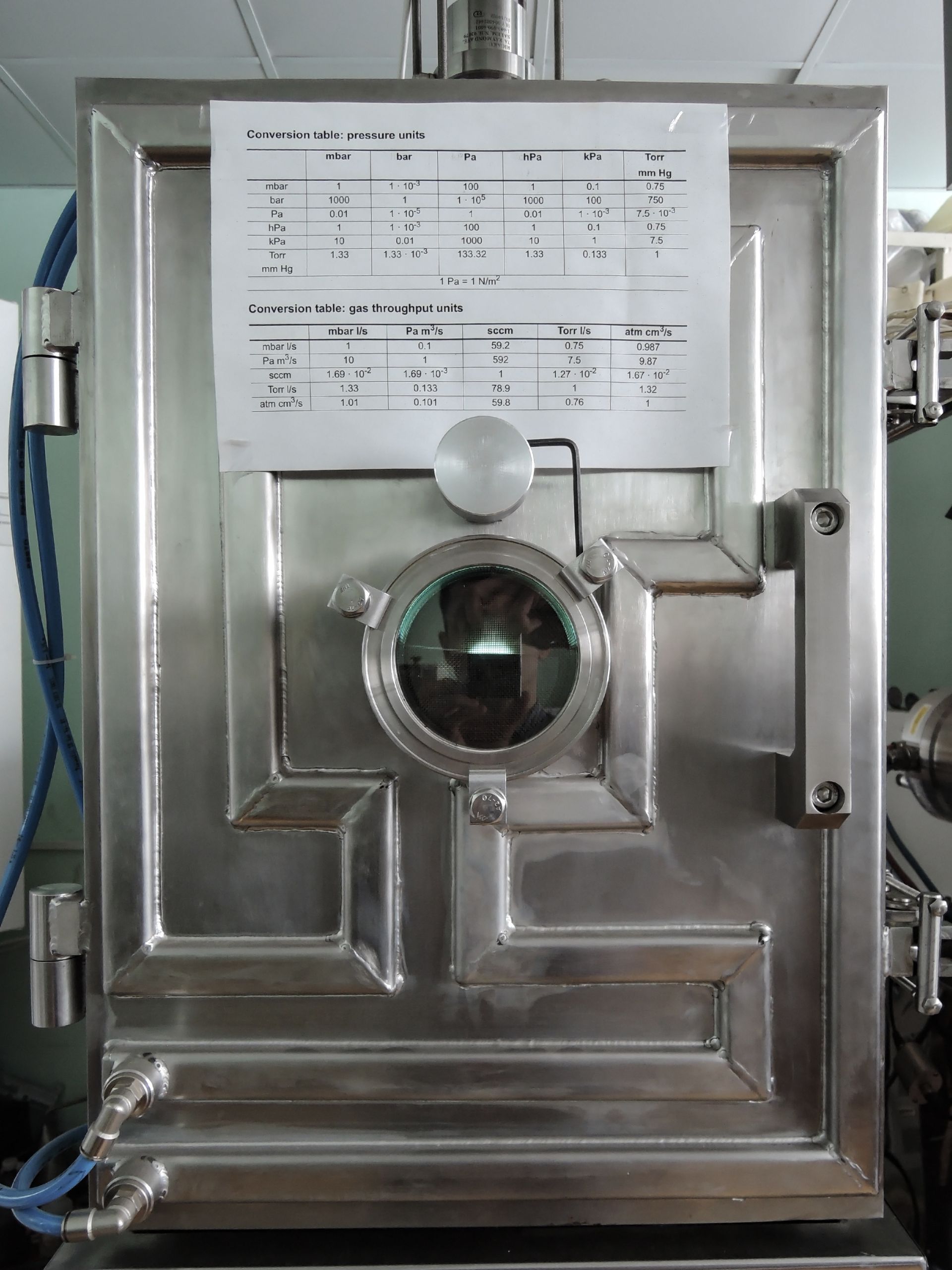
Vacuum Coating deposits an extremely thin metallic or ceramic film onto a part inside a vacuum chamber. Targets (the source materials) are evaporated or sputtered; the vapor condenses on the part. Film thickness is typically measured in microns, producing brilliant chrome-like looks or tinted metallics. The result is a cosmetic, highly uniform surface with exceptional reflectivity—but limited thickness for impact and edge protection.
Powder Coating: durable polymer film cured in an oven
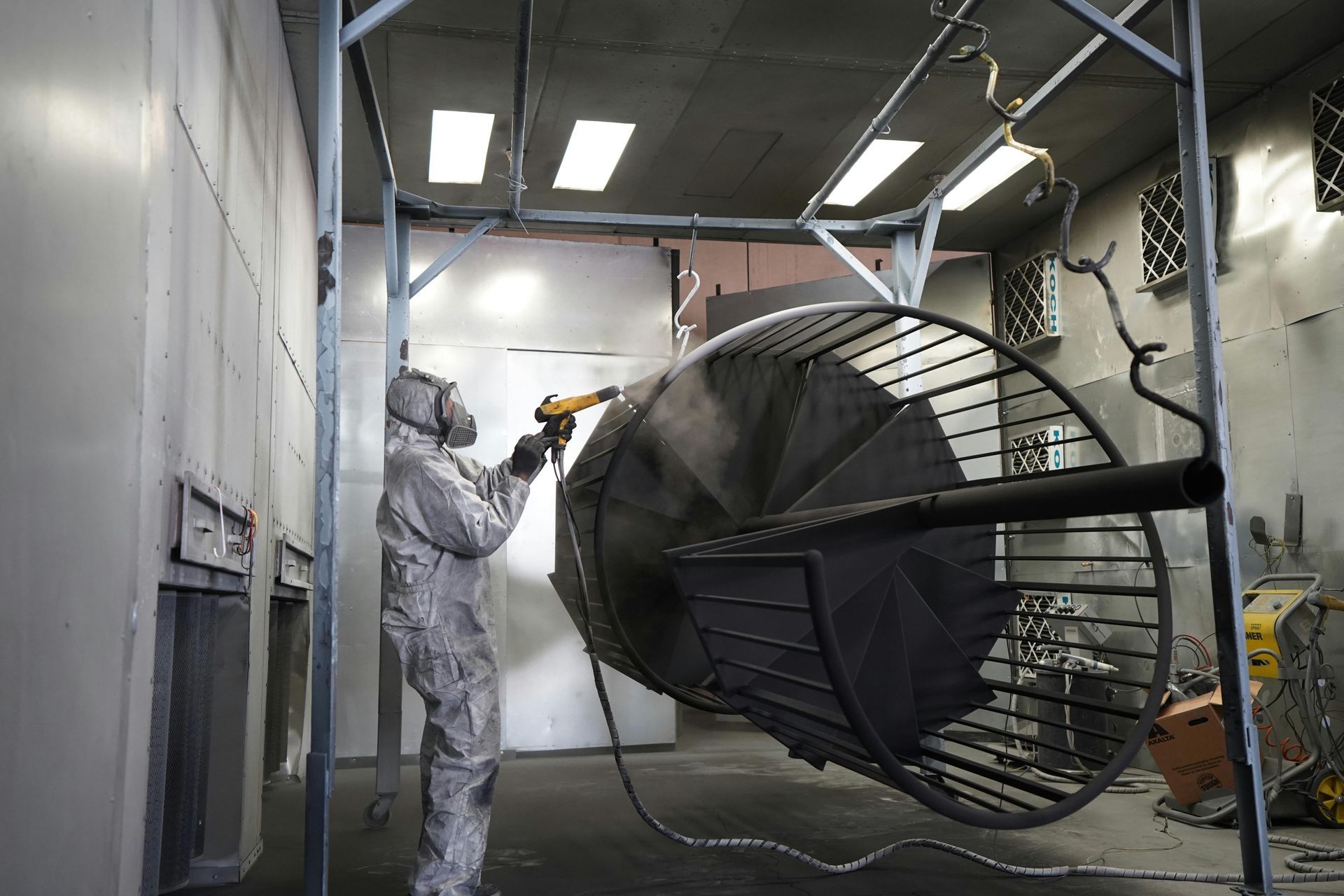
Powder coating uses an electrostatic powder coating gun to charge dry resin particles and spray them onto a grounded part. The part is baked in a powder coating oven so the film flows and crosslinks into a continuous, tough coating. Typical thickness is 60–120 microns per coat, with options for primers, clears, textures, and thousands of colors, including metallics, candies, and color-shift effects.
Full Blown Coatings: A customer brought in display brackets originally Vacuum Coated in a bright chrome tone. The look was excellent, but the thin film scuffed during installation. We switched the program to a high-gloss silver powder with a clear topcoat. The deeper film added abrasion resistance and the brand still kept the “chrome” presentation they wanted under retail lighting.
Substrates and temperature constraints
- Vacuum Coating: Works well on metals and on certain plastics that receive a base coat first. Plastics are attractive for badges and trim because they avoid the weight of metal. Temperature exposure must stay within the limits of the substrate and topcoats; sharp geometry and deep recesses can complicate uniform deposition.
- Powder coating: Requires parts that tolerate oven temperatures (generally 350–420°F). Best on aluminum, steel, and stainless. Plastics and low-temp composites are usually not candidates. Complex shapes with edges, welds, and recesses are handled with process controls and masking.
Thickness, coverage, and edge protection
- Vacuum Coating: Ultra-thin films deliver dazzling reflectivity but minimal edge wrap. Any substrate imperfections will “telegraph” through the finish. Once breached, the thin film offers little sacrificial protection.
- Powder coating: Thicker films wrap edges and hide minor surface texture created by blasting. Primers plus color plus clear can create a robust barrier system that resists chips and undercut corrosion—critical for wheels, railings, and site furniture in Utah’s climate.
Durability in the real world
Impact and abrasion
Vacuum Coating’s hardness can be high, but the film is thin; impacts that break through expose the base immediately. Powder coating’s thicker film absorbs more punishment from road grit and tools.
Corrosion resistance
Vacuum Coating is cosmetic unless paired with barrier layers. Powder systems can include primers and chemically resistant clears that slow corrosion even if one layer is compromised.
Full Blown Coatings: A set of forged wheels previously coated with a thin decorative finish showed stone peppering after one canyon season. We rebuilt them with a three-stage powder stack—primer, metallic base, and clear. The owner reported far fewer visible chips and easier winter cleanup the following year.
Appearance, color range, and textures
- Vacuum Coating: Best for mirror-bright metallics, tinted chromes, and precise metallic hues on small, high-visibility parts. Texture options are limited; the film shows every substrate blemish.
- Powder coating: Thousands of stock colors and finishes: super-durables, candies, metallics, satins, mattes, textures, and clears. You can match brand palettes, pair sheen to environment, and use textures to hide fingerprints or wear on high-touch items.
Color planning tip: Approve physical chips and, when possible, small test panels outdoors. Screens distort. Record vendor, code, and lot for repeat orders.
Environmental and safety profile
- Powder coating: No VOCs in application; overspray is reclaimable; energy use is concentrated in curing ovens. Spent filters and cured powder are manageable waste streams.
- Vacuum Coating: Closed-chamber process limits emissions; it requires significant energy for vacuum pumps and uses solid metal targets. End-of-life rework typically means re-chambering or stripping plus new base coats.
Cost, throughput, and scalability
- Vacuum Coating: Capital-intensive chambers excel at high-volume small parts with consistent geometry. Per-piece costs can be competitive in scale. Color changes require target swaps and chamber prep, adding changeover time.
- Powder coating: Highly flexible for one-offs and short runs, and economical for medium and large parts (wheels, gates, frames, carts, furniture). Color changes require booth and gun cleaning, but can be scheduled efficiently.
Lead-time drivers for both: Prep intensity (blast vs strip), masking complexity, special-order materials, cure windows, part handling, and logistics (pickup/delivery).
Repair, rework, and lifecycle
- Vacuum Coating: Field touch-up is difficult without visible transitions. Rework often means stripping and re-running the vacuum process—most economical in batches.
- Powder coating: Localized repairs are more feasible; complete refinish is straightforward with strip, blast, and recoat. Over years of service, that can lower total lifecycle cost, especially for outdoor and automotive parts.
A property manager asked us to extend the life of a failed decorative finish on mailbox clusters. We stripped and rebuilt with a super-durable satin powder. The pieces now clean with mild soap, and the annual touch-up budget was eliminated.
The Utah factor: altitude, UV, and deicers
Utah’s altitude increases UV exposure; winters bring freeze–thaw cycles and magnesium chloride. Grit acts like sandpaper.
- Choose super-durable polyester powders for color and gloss holdout.
- Round sharp edges during prep so coating can wrap and resist micro-chipping.
- Where deicers are common (Weber and Davis county roads), add a primer beneath bright colors and use a chemically resistant clear for wheels and high-exposure steel.
Full Blown Coatings: A fleet of warehouse carts needed an eye-catching brand color that would shrug off cleaners. We specified a fine-texture super-durable system that hides scuffs and resists harsh wipe-downs. Six months later, the facilities lead reported faster cleaning and better presentation on the floor.
Process workflows you should expect
Powder coating workflow (typical)
- Strip legacy coatings (chemical or thermal)
- Media blast to a uniform profile; edge rounding where appropriate
- Conversion coat (iron phosphate/zirconium); dry thoroughly
- Apply primer if specified; cure to spec
- Apply color coat(s) with electrostatic powder coating gun
- Cure in powder coating oven; verify cure at part temperature
- Measure film build (DFT) on faces and edges; inspect and pack
Vacuum Coating workflow (typical)
- Surface prep and base coat as needed for adhesion and appearance
- Fixture and mask for uniform target coverage
- Vacuum cycle with evaporation or sputtering; deposit thin film
- Optional topcoat for durability or tint control
- Cosmetic inspection for uniformity, adhesion, and color
| Category | Vacuum Coating (PVD) | Powder Coating |
|---|---|---|
| Film thickness | Microns (very thin) | 60–120+ microns per coat |
| Appearance range | Mirror metallics, tinted chromes | Thousands of colors, textures, candies, clears |
| Edge coverage | Limited | Strong; wraps edges and recesses |
| Impact resistance | Thin film can breach on impact | Thicker film absorbs chips better |
| Corrosion behavior | Needs barrier/topcoats | Full barrier systems with primers and clears |
| Part size | Best for small/medium parts | Excellent from small parts to gates and frames |
| Changeover | Target and chamber changeovers | Quick booth/gun color changes |
| Rework ease | Strip and re-chamber | Strip, blast, and recoat; localized fixes possible |
| Typical uses | Trim, badges, small reflective parts | Wheels, railings, site furniture, racks, machinery |
How to choose for your project
Use intent, substrate, environment, and maintenance tolerance as your filter.
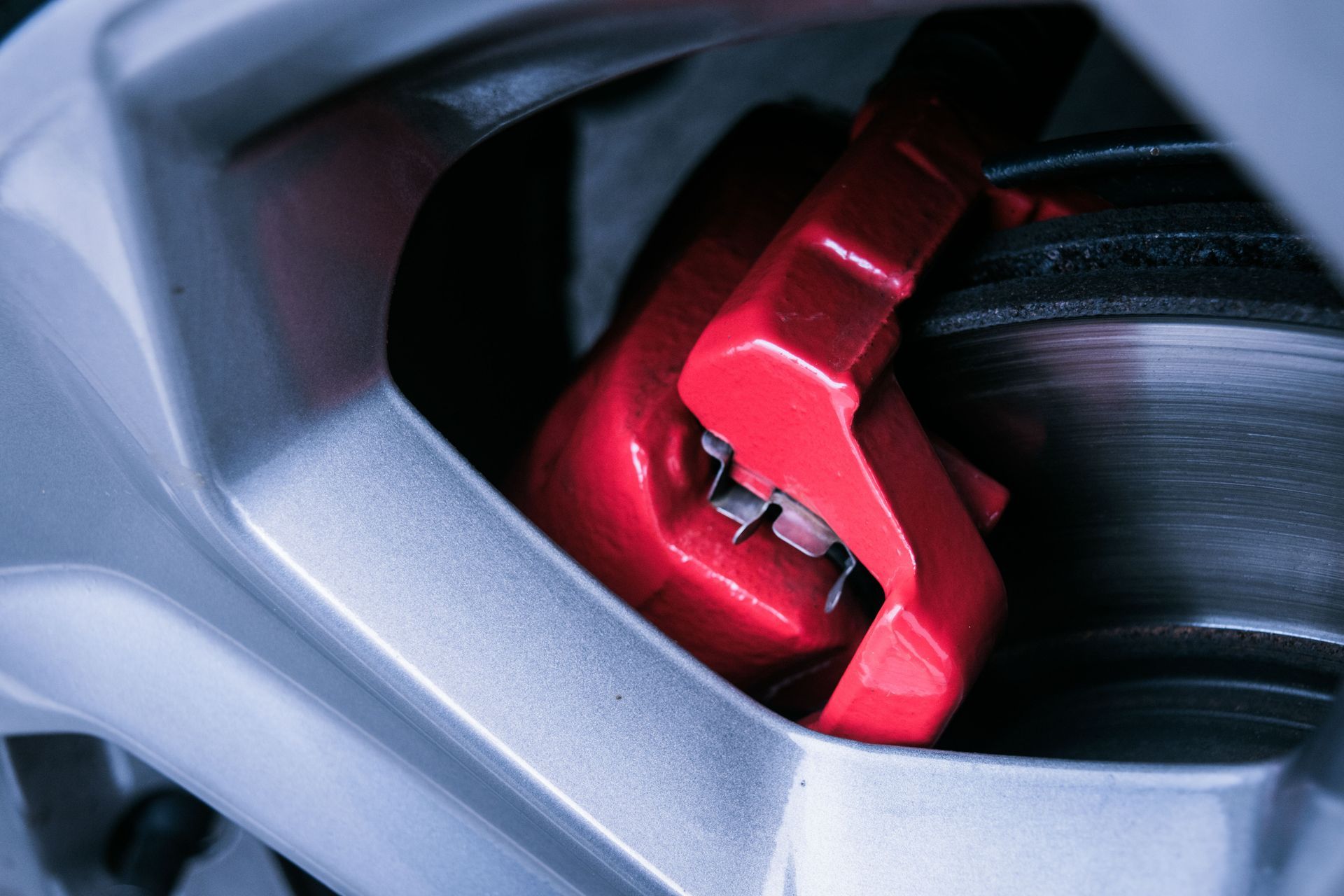
- Automotive wheels and calipers: Powder coating wins for chip resistance, color range, and reworkability. Add clear for chemicals and UV.
- Architectural railings, gates, site furniture: Powder coating with primer plus super-durable color; options for satin or fine texture to hide wear.
- Small decorative trim and plastic bezels: Vacuum Coating excels for mirror bright metallization and lightweight plastics.
- Industrial carts, guards, frames: Powder systems with texture or satin for grip and cleanability.
If you operate in the Wasatch Front, prioritize super-durable chemistry, documented cure, and film-build controls. Ask providers to separate prep, primer, color, and clear on quotes so you can compare apples to apples.
FAQs
Is Vacuum Coating as durable as powder outdoors?
It is durable for its thickness, but it is a thin cosmetic film. For outdoor parts that take bumps, powder systems with primers and clears typically last longer.
Can plastics be powder coated?
In general, no. Powder cure temperatures exceed most plastics’ limits. Plastics are better candidates for Vacuum Coating or paint systems designed for polymers.
Will either process change fitment?
Powder’s thickness can affect tight tolerances; professional masking protects bores, threads, mating faces, and valve seats. Vacuum Coating is thin and rarely affects fit but offers little edge protection.
How should I clean these finishes?
Use pH-neutral soaps and soft brushes. Avoid harsh acids, especially on satin clears. Confirm cleaner compatibility with your finisher.
What documentation should I ask for?
Request cure verification at part temperature, film-build readings, and photos at arrival and pre-pack. These controls correlate directly with field performance.
Final take and next steps
- Choose Vacuum Coating for small, high-gloss metallic looks and lightweight cosmetic parts.
- Choose powder coating for wheels, railings, gates, and equipment that demand barrier protection, color control, and easy rework.
If you are in Salt Lake County, Utah County, Davis County, Weber County, or Cache County, Full Blown Coatings can quote both simple and multi-stage powder systems, coordinate pickup and delivery, and provide outdoor test panels to lock color and sheen before production. Share photos, dimensions, substrate, environment, and your target finish. We will return a line-item proposal showing prep, primer, color, clear, and logistics so you can make a confident decision.
Share This Post!