Chromatic wheels: color-shift, candy, and iridescent finishes
chromatic wheels
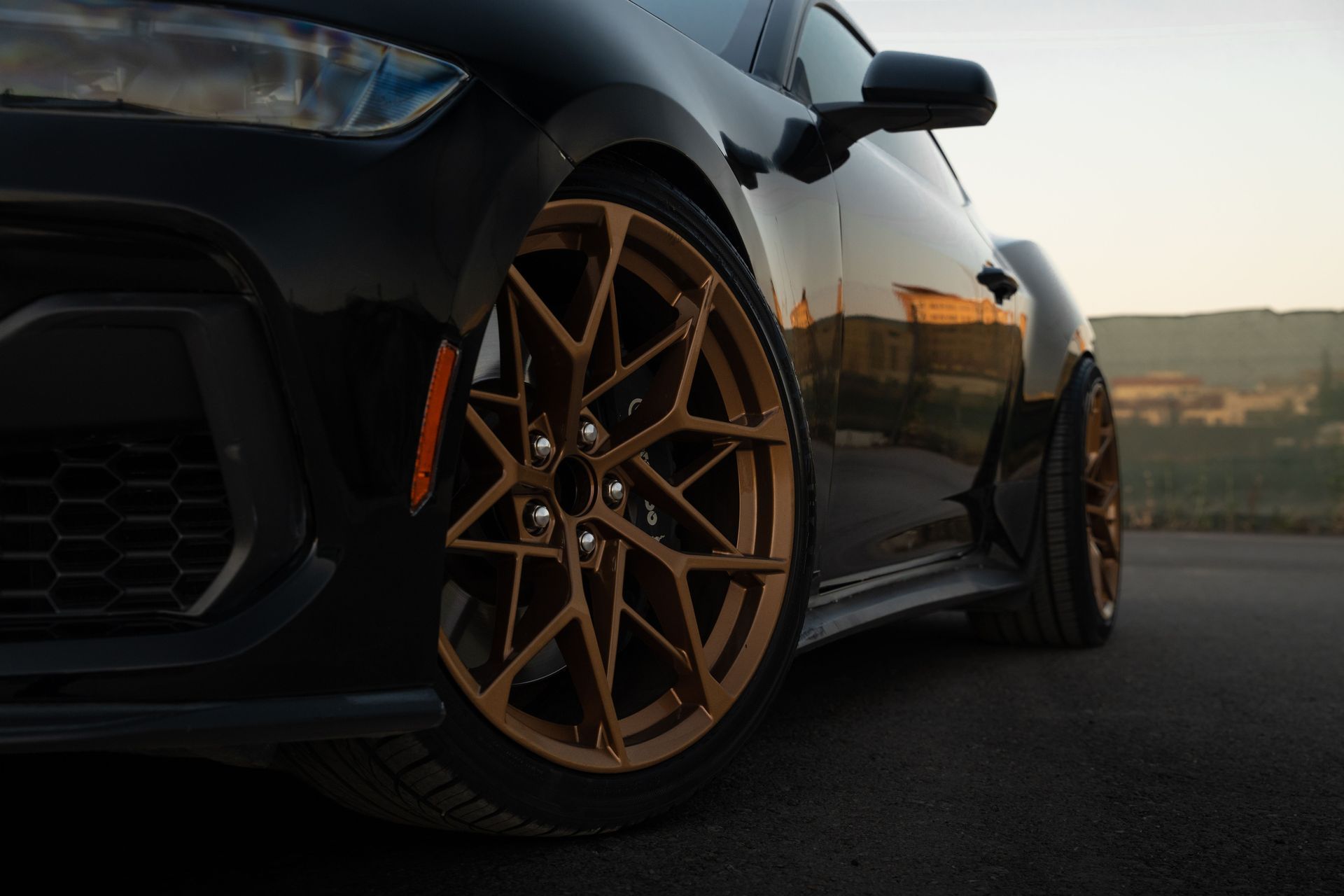
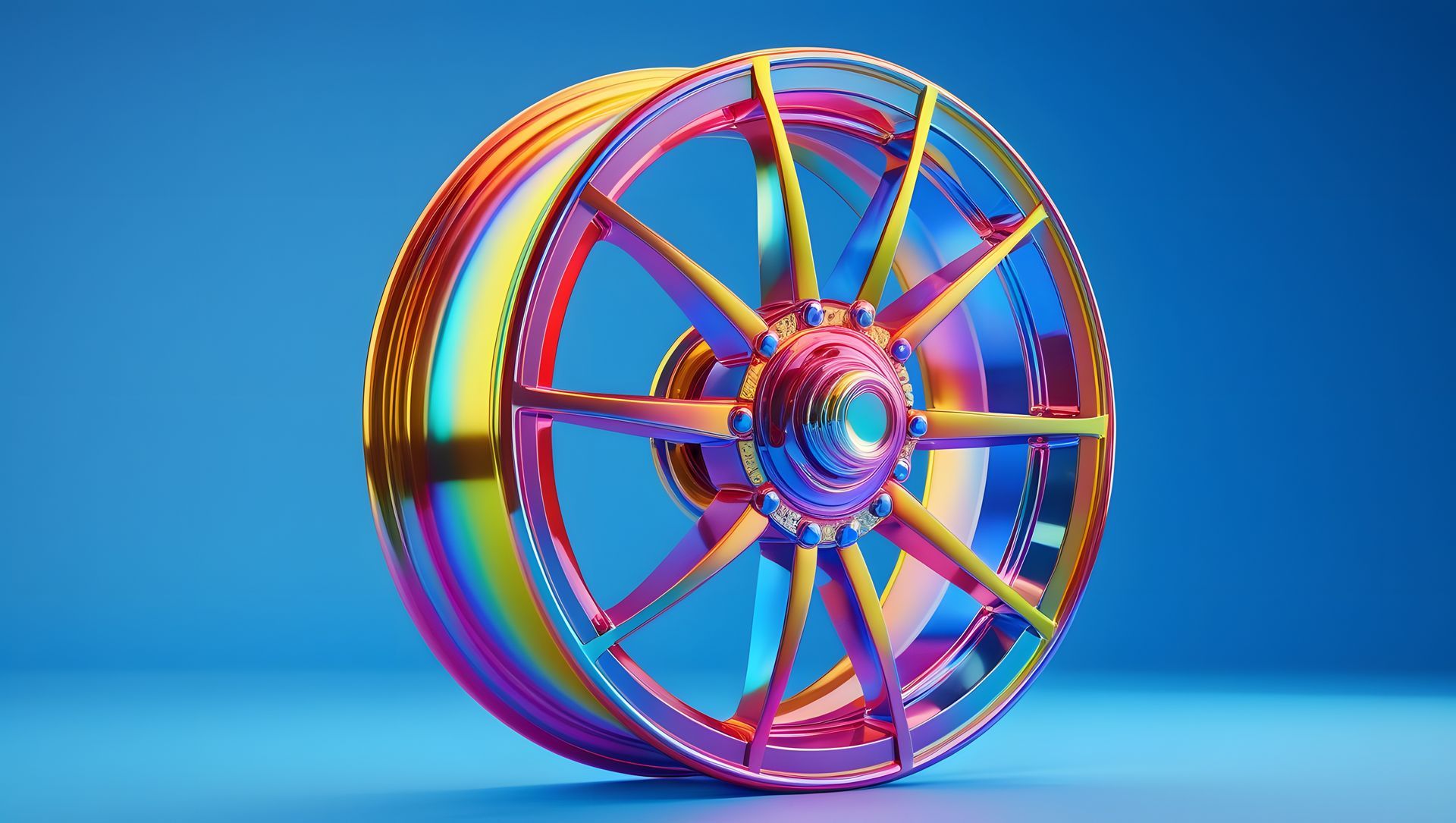
Chromatic wheels sometimes called chameleon, color-shift, or candy wheels, deliver head-turning depth and tone changes that standard paints cannot match. If you are comparing “powder coating near me” options across Salt Lake County, Utah County, Davis County, Weber County, and Cache County, this guide explains what chromatic wheels are, how they are built, what they cost, and how to keep them looking new in Utah’s sun, snow, and deicer.
What “chromatic wheels” really means
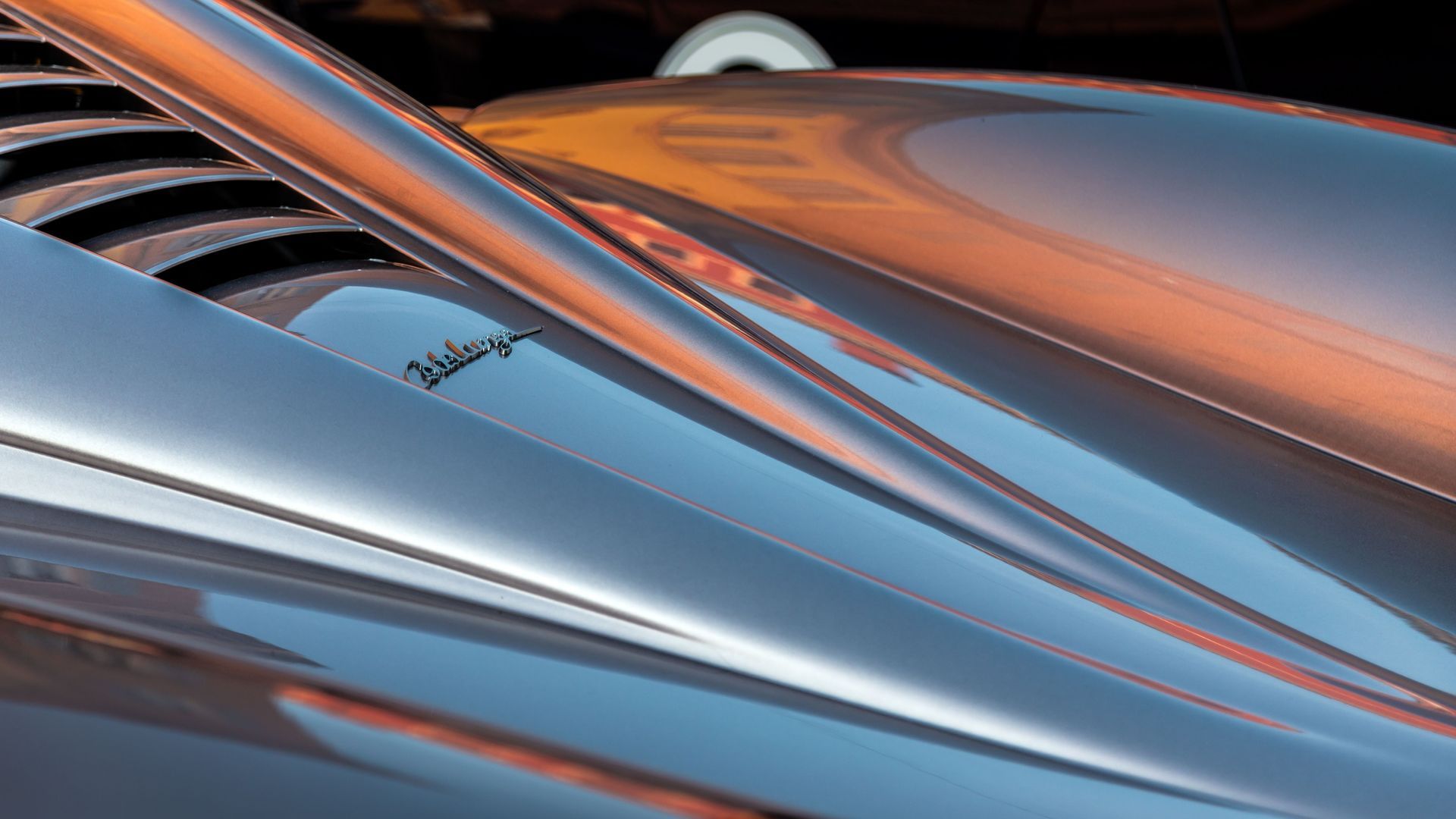
Chromatic describes finishes that change appearance with light and viewing angle, or that layer translucent color over a reflective base to create depth.
- Candy translucent powders use a metallic or aluminum-silver base for reflectivity, topped with a transparent color layer that creates depth similar to custom automotive candy paint.
- Prismatic color-shift powders incorporate multi-angle pigments. Depending on angle and light, they flip between two or more hues—green-to-purple, teal-to-blue, bronze-to-magenta, and more.
- Holographic and pearl clears suspend micro-flake in a clear or tinted clear to add sparkle or a pearlescent cast over your base color.
Compared to wet paint, a correctly cured powder system offers better edge coverage, impact resistance, and gloss retention—critical for wheels that face curb rash, heat, brake dust, and winter chemicals. Compared to PVD, powder systems are easier to repair locally, offer more color flexibility, and avoid specialty substrate limits.
The preparation that determines durability
Beautiful chromatic results begin long before color is applied. Wheels fail when prep is rushed.
Strip, inspect, and repair
- Chemical or thermal strip removes legacy coatings so defects are visible.
- Straightening, weld repair, and machining address bends and curb rash. Repairs must be complete before coating for both safety and finish quality.
Media blasting and profiling
- Aluminum-safe media (often aluminum oxide or fine crushed glass) creates a consistent anchor profile without overheating the rim.
- Accurate masking protects hub bores, mating faces, valve seats, and threads to preserve fitment and minimize future chip points.
Outgassing pre-bake
Cast aluminum often contains trapped volatiles. A pre-bake drives them off so they do not create pinholes in smooth candies or clears.
Full Blown Coatings: A client from Sandy brought a cast-aluminum wheel set previously coated elsewhere. Pinholes dotted the faces within weeks. We stripped the set, performed a controlled outgas cycle, re-blasted, then applied a silver base, candy ruby, and clear. The redo produced a glass-smooth face, and six months later the owner reported zero pinholes.
Building the chromatic wheel system
Chromatic wheels are typically two- to three-coat stacks. More coats can look incredible, but they increase time, cost, and risk if cure control is sloppy.
Base, effect, and clear
- Metallic base: Aluminum-silver or micro-flake silver enhances reflectivity and makes candy or prismatic layers “pop.”
- Chromatic layer: Candy translucent or color-shift coat delivers the hue and effect.
- Clear coat: Locks in depth, increases chemical resistance, and protects against UV fade and staining.
When to use primer
- Repaired aluminum or porous castings benefit from a non-yellowing primer that evens absorption and improves chip resistance.
- Steel barrels or inserts exposed to deicer should receive a zinc-rich or epoxy primer beneath the aesthetic stack.
Sheen guidance
- High-gloss clear maximizes depth and mirror-like reflections—most common for show wheels.
- Satin clear offers a modern look that hides small swirls and road haze while maintaining color richness. On deep candies and certain color-shifts, satin can reduce perceived sparkle; request a test panel first.
Film-build and cure control
- Measure DFT (dry-film thickness) across faces and edges to ensure coverage without excessive build that risks chipping at edges or hardware interfaces.
- Verify cure at part temperature with probes or tracked profiles. Air-temperature guesses lead to under- or over-bake, which can dull candies or embrittle the film.
Full Blown Coatings: A North Logan daily driver wanted a teal-to-purple flip on forged wheels. We rounded sharp machining edges slightly, then built a silver base, color-shift layer, and a chemically resistant clear verified at part temperature. After a full winter on I-15, the owner reported easy brake-dust cleanup and no edge lifts despite frequent tire swaps.
Performance in Utah conditions
Utah’s altitude amplifies UV. Winters bring freeze–thaw and magnesium-chloride deicers, while canyons contribute abrasive grit. Build and material choices should reflect this reality.
- Super-durable polyester chemistries deliver stronger color and gloss retention than standard polyester, especially on reds, blues, and vibrant shifts.
- Edge rounding during prep helps coating wrap edges and resist micro-chipping.
- Hardware and fitment matter: use coated-friendly wheel weights, avoid gouging faces with metal clips, and torque lugs carefully on masked mating faces.
Full Blown Coatings anecdote: A Layton customer tracked a candy-copper wheel set on weekends and commuted during the week. We specified a high-solids clear known for chemical resistance. He later noted that iron fallout remover lifted dust without hazing the clear, and spring wash-down restored the “wet” look.
Color planning that works
Popular chromatic families
- Teal-to-purple shift for dark vehicles that need contrast in sunlight.
- Emerald-to-blue shift for silver, white, and gray body colors.
- Candy ruby or candy copper for performance sedans and trucks wanting warmth without looking brash.
Pairing with calipers and trim
- Pair candy wheels with contrasting calipers in gloss or satin for readable depth. Texture is rarely used on show wheels because it reduces sparkle and is harder to decontaminate.
Always approve physical chips
Screens lie. View chips and small test panels outdoors, at different times of day. Lock vendor, color code, and lot for repeatability, and keep a control chip for future touch-ups or matching.
Cost and lead-time overview
Pricing varies by repair scope, masking complexity, number of coats, powder availability, and logistics.
Typical factors
- Repair time: straightening, weld and machine work for curb rash.
- Prep intensity: stripping and thorough blasting of complex designs.
- Stack complexity: two-coat candy vs three-coat color-shift with clear.
- Special-order powders: niche chromatic pigments may add lead time.
- Pick-up and delivery: distance and packaging requirements.
Directional examples
- One-color refinish on a clean set: baseline pricing with standard clear.
- Candy two-stage: add for the candy layer and a higher-grade clear.
- Color-shift three-stage: highest material and labor time, plus meticulous cure control.
Ask for a line-item quote that separates repair, prep, base, chromatic layer, clear, and logistics. This transparency lets you compare offers on equal footing.
Full Blown Coatings: For a Murray client building a show truck, we scheduled powder arrival and tire-swap dates in advance, then aligned pickup and delivery windows to the shop calendar. The project went from stripped cores to installed wheels in one coordinated week, saving the client a second alignment visit.
Quality controls to insist on
A professional wheel coater should document process quality, not just promise it.
- Cure verification at part temperature, logged or photographed.
- DFT readings across spokes, faces, and edges.
- Masking discipline on bores, mating faces, threads, and valve seats.
- Photo documentation of parts at arrival, pre-pack, and at delivery.
- Balance check guidance: coating does not replace wheel balancing after tire mount.
Care and cleaning
- Cool-down first: never wash hot wheels; rapid temperature shifts stress the film.
- Use pH-neutral soaps and soft brushes or mitts; avoid harsh acids, especially on satin clears.
- Iron fallout removers can be used if the clear is compatible; test a small area first.
- Seasonal inspection: check edges and lug areas after winter; address chips quickly to prevent undercut corrosion.
- During tire swaps: ask the shop to use coated-safe weights and protect faces during mounting.
Common mistakes and how to avoid them
- Skipping outgassing on cast wheels leads to pinholes in candies and clears.
- Under-masking causes fitment issues and chips at mating faces.
- Over-baking candies shifts tone and reduces depth; stick to documented cure profiles.
- Harsh chemicals dull satin and matte clears; stick to approved cleaners.
FAQs
Will chromatic wheels affect balance?
No. The coating mass is minimal. Balance the wheels normally after tire installation.
Can you match my automotive paint code with a color-shift?
Exact matches are rare because color-shift pigments behave differently than solid paints. We match by eye using outdoor panels and can coordinate a complementary or adjacent hue.
Do chromatic wheels require a clear coat?
For daily drivers, yes. Clear improves UV holdout, stain resistance, and service life—especially in Utah.
How long do chromatic wheels last in Utah?
With super-durable polyester, proper film build, and routine care, multi-coat chromatic systems hold up well for years even with winter driving.
Can frequent seasonal tire swaps damage the finish?
They can if faces are unprotected or weights gouge the coating. Use coated-safe procedures and protect faces during mounting.
Service areas and next steps
If you are in Salt Lake County, Utah County, Davis County, Weber County, or Cache County and considering chromatic wheels, start with photos of your current wheels, a note on repair needs, and target timelines. Request a line-item proposal that separates repair, prep, base, chromatic layer, clear, and logistics, plus outdoor test panels for final approval.
Full Blown Coatings provides pick-up and delivery coordination, documented cure and film-build checks, and chip-approved color controls for repeatable results. If you want show-grade depth with daily-driver durability, contact Full Blown Coatings to schedule your assessment and lock your chromatic finish plan.
Share This Post!