Where is powder coating usually used in industrial settings?
TL;DR: Industrial powder coating
- is usually used on metal that needs to perform, not just look finished. That includes equipment housings, factory piping, structural supports, railings, storefront systems, shelving, trailers, fabricated hardware, and other hard-use metal components.
- In industrial settings, powder coating is chosen because it combines durability, corrosion resistance, finish consistency, and long-term appearance in one system. Full Blown Coatings specifically positions it for industrial and commercial work, ranching equipment, agricultural equipment, railings, and commercial décor.
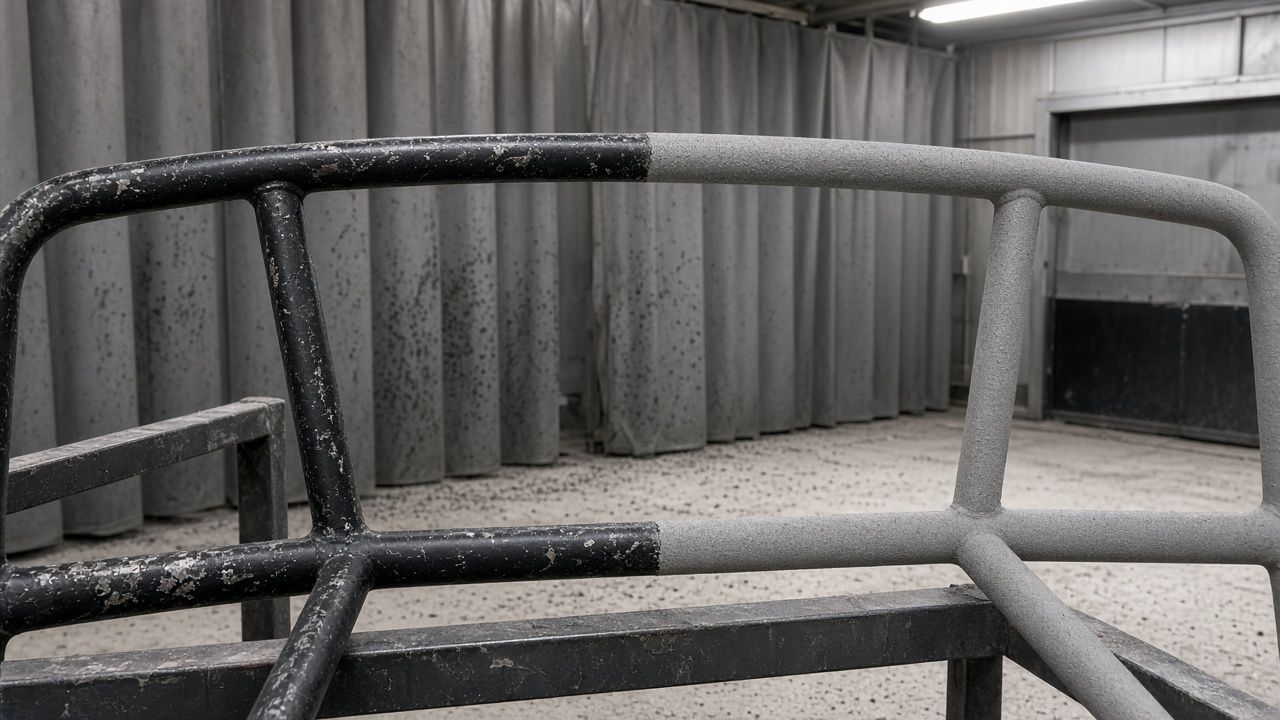
- Surface prep and blasting are a major part of why industrial powder coating works. Full Blown Coatings states that every part is inspected and blasted or media blasted before coating.
- Powder coating is not only for small parts. It is also a strong fit for large fabricated sections, including heavy industrial metalwork and even massive pipe systems when the finish needs to be both protective and presentable. This is supported by broader industrial powder-coating use cases and fusion-bond epoxy use on steel pipe and pipe connections.
- When industrial metal is visible to customers, employees, inspectors, or plant visitors, finish quality matters more than many people expect. Powder coating helps that metal look intentional instead of unfinished.
- A project-style example involving large factory piping in Utah shows how blasting, coating, and cure can take fabricated metal from rough production work to a more durable, professional finished system.
When you hear industrial powder coating, it is easy to picture one simple thing: coating metal so it looks better. But in real industrial settings, the finish has a much bigger job than that. It has to protect the substrate, hold up to use, resist corrosion, stay consistent across repeated or oversized parts, and still look professional when the project is visible. That is why industrial powder coating is usually used anywhere metal has to perform and present well at the same time. Full Blown Coatings describes itself as a full-service sandblasting and powder coating shop and specifically positions its services across industrial and commercial powder coating, media blasting, industrial benefits of powder coating, and industrial powder coating ideas, which matches the way powder coating is actually used in real industrial work.
A good expert quote comes right from Full Blown Coatings’ homepage: “Powder coating isn’t just about looks—it’s about performance.” That line fits industrial work especially well because metal in these environments often has to survive far more than basic wear. It may be exposed to weather, handling, chemicals, repeated cleaning, heat, impact, or daily contact. The finish has to work as hard as the part itself.
Where Powder Coating Is Usually Used in Industrial Settings
Industrial powder coating shows up in far more places than most people realize. It is not limited to a narrow manufacturing niche. It is used on everything from clearly industrial equipment to architectural systems and visible fabricated metal.
Equipment housings and general industrial metal
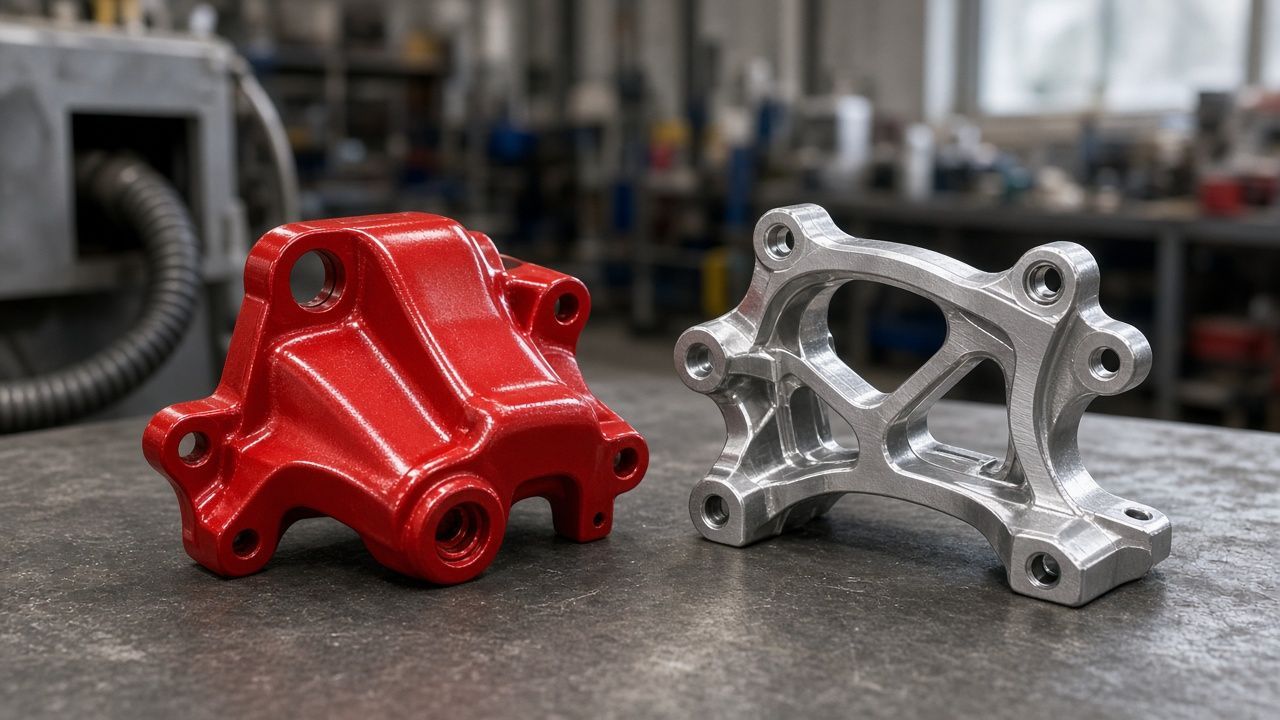
One of the most common industrial uses is on equipment housings, metal enclosures, support frames, carts, structural brackets, and general fabricated components. These parts need a finish that can stand up to handling and still look consistent over time. Full Blown Coatings’ industrial and commercial powder coating page explicitly says it handles both large equipment and large quantities of smaller industrial goods, which reflects how broad this use case really is.
Architectural and structural metal
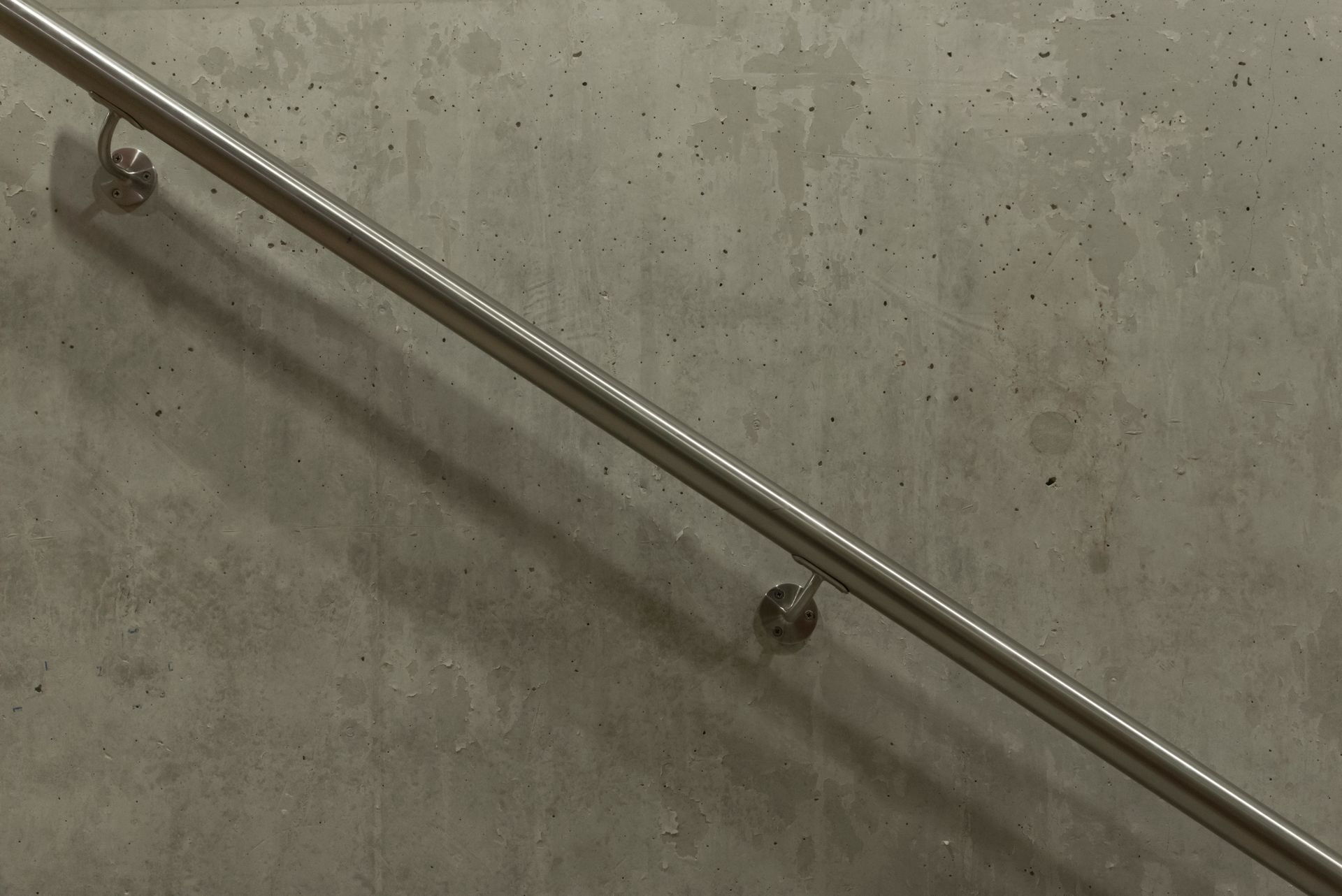
A lot of industrial powder coating is used on metal that people actually see every day. Industry references show powder coatings are commonly used on curtain wall, windows, fencing, railings, panels, and louvers, which puts them right at the intersection of performance and appearance. That is a good reminder that “industrial” does not always mean hidden. Sometimes it means highly visible metal that still has to hold up to hard use.
Retail, commercial, and public-facing metalwork
Powder coating is also widely used on shelving, racking, storefront systems, kick boards, furniture, and display-related metal because those surfaces are constantly touched, bumped, cleaned, and seen. Full Blown Coatings’ commercial décor page fits this category well because it sits exactly in that space between practical industrial finishing and public-facing appearance.
Hardware, fabricated assemblies, and repeat parts
Handles, brackets, support pieces, hardware, welded assemblies, and repeat-run fabricated parts also fit the industrial category. These may not be large or dramatic, but they often benefit from powder coating because the finish can be applied consistently across multiple parts with a repeatable look and feel.
Trailers, utility metal, and rugged-use systems
Powder coating is a strong fit anywhere metal is exposed to outdoor conditions, handling, and jobsite-type wear. That includes trailers, utility-related metalwork, fabricated outdoor systems, and equipment that has to keep functioning without looking destroyed after a short time in service.
Process piping and large fabricated pipe sections
This is one of the most overlooked industrial uses. When people think of industrial piping, they do not always think of powder-based protection systems, but fusion-bonded epoxy powder coating is widely used to protect steel pipe and piping connections from corrosion. That makes pipe-related applications a very relevant part of the broader industrial powder-coating conversation, especially when large fabricated sections are visible inside a facility or exposed to demanding service conditions.
Why Powder Coating Works So Well in Industrial Environments
Industrial settings are demanding. The finish has to survive real contact, not just exist in controlled showroom conditions.
Durability under use
This is one of the simplest reasons powder coating is so common. The finish is tough, consistent, and well suited to metal parts that will be touched, bumped, moved, cleaned, or exposed to the elements. Full Blown Coatings leans into this directly on its homepage by describing its coatings as tough, reliable powder coating built to handle the demands of the real world.
Better consistency across multiple parts
In industrial work, the finish often needs to match from piece to piece. That matters on production runs, fixture systems, machine parts, shelving, frames, and visible fabricated metal. Powder coating supports that kind of repeatability well when the process is controlled properly.
Corrosion resistance and maintenance value
Corrosion is one of the biggest reasons industrial finishes matter. Once the substrate starts degrading, the cost is rarely limited to appearance. It can affect service life, maintenance cycles, and replacement costs. That is why the prep and coating system matter so much.
Appearance still matters in industry
This is one of the most misunderstood parts of the topic. Industrial does not mean appearance stops mattering. If anything, finish quality becomes more important when metal is part of the public face of a facility or a visible element in a cleaned-up workspace. Powder coating helps industrial metal look intentional, complete, and professional rather than raw and temporary.
The Hidden Part of Industrial Powder Coating: Prep and Blasting
The coating gets the attention, but the surface preparation is what gives it a real chance to perform.
Full Blown Coatings is unusually direct about this on its industrial/commercial page. It states that when preparing any surface for powder coating, the item must be completely clean of oils, dirt, paint, rust, and corrosion, and that every part is inspected and sand blasted or media blasted before coating. That is exactly the kind of process language you want to see in an industrial setting because it shows the shop is thinking about substrate condition first, not just color second.
Its media blasting and sand blasting services pages support the same point. Blasting is not there as a cosmetic extra. It removes oxides, old finish, residue, and corrosion so the new coating has a stable base.
In industrial work, that matters even more because metal often arrives with:
- shop oils
- weld residue
- fabrication marks
- oxidation
- handling contamination
- or previous finish failure
If those conditions are left in place, the coating can only perform as well as the surface under it.
A Project-Style Example: Massive Factory Piping in Utah
A useful way to understand industrial powder coating is through a realistic project scenario like the kind Full Blown Coatings is built to handle.
Picture a customer bringing in massive pipe sections for a factory in Utah. These are not tiny polished parts. They are large fabricated piping components that need to be durable, consistent, and clean-looking once installed. The facility wants more than protection. It wants the piping to look professional because these sections will remain visible in the finished industrial space.
The parts arrive with the typical realities of fabrication:
- weld discoloration
- handling marks
- surface contamination
- mild oxidation in some areas
- and the kind of finish inconsistency that makes raw fabricated pipe look rougher than the final facility deserves
At that point, the job is not just to “add color.” The job is to convert heavy fabricated piping into finished industrial metalwork.
How a Project Like That Actually Moves Through the Shop
Evaluation and planning
The first step is figuring out what the parts are made of, how they need to be handled, where hang points make sense, and what finish system best fits the environment they will live in. Large pipe sections are not simple from a handling standpoint, and the coating process has to account for that.
Cleaning and blasting
Before powder is ever applied, the piping has to be cleaned and blasted thoroughly. This is where the coating job becomes real. Full Blown Coatings’ own process language around inspecting and blasting every part fits this stage perfectly. On a big industrial piping project, blasting creates the clean, consistent coating-ready surface that the finish depends on.
At Full Blown Coatings, this is often the moment where a large project starts feeling less like raw fabrication and more like a real finished system. Blasting evens out the story the metal is telling.
Powder application
With the surface stabilized, the coating can be applied with consistency across the curves and exposed surfaces of the pipe. Large cylindrical parts can reveal unevenness quickly, so the application has to be controlled enough that one section does not feel heavier or weaker than the next.
Cure and finish development
Once cured, the piping no longer reads like temporary industrial metal. It starts to read like designed industrial metal. That may sound subtle, but in a finished facility the difference is obvious.
Final effect
The final result is not just piping that is protected. It is piping that helps the facility feel more deliberate, more professional, and better finished overall. That is one of the quiet strengths of industrial powder coating. It upgrades both performance and perception at the same time.
What This Kind of Project Shows About Industrial Powder Coating
A factory piping project like this shows three important things clearly.
First, industrial powder coating is not limited to small repeat parts. It can be just as valuable on oversized fabricated sections.
Second, industrial finish work still affects how a space feels. When exposed piping, supports, or equipment look finished, the whole facility feels more organized and more intentional.
Third, the same rules always apply. Prep matters. Blasting matters. Application control matters. Cure matters. A big part does not get a pass on process just because it is industrial.
What to Look For in an Industrial Powder Coating Shop
If the project matters, the shop should be able to explain:
- how it handles blasting and prep
- whether it can manage large fabricated sections
- how it thinks about finish performance in the actual environment
- how it handles industrial and commercial work, not just one-off decorative parts
That is one reason Full Blown Coatings’ site structure is useful. It lets you see the broader service fit across industrial and commercial powder coating, industrial benefits of powder coating, industrial powder coating ideas, media blasting, and commercial décor. Those pages tell you the company is thinking in categories that match real-world industrial use, not just generic coating language.
Final Thoughts
Industrial powder coating is usually used anywhere metal needs to perform, last, and look like it belongs there. That includes equipment housings, structural metal, shelving, hardware, fixtures, architectural systems, trailers, visible commercial metalwork, and even large pipe sections for factory environments.
What makes the process valuable is not just the powder. It is the full sequence: inspection, blasting, preparation, application, and cure. When that system is done correctly, industrial metal does not just hold up better. It looks like part of a finished operation rather than an unfinished one.
Share This Post!