How to powder coat at home | why we don't recommend it for most projects
TL;DR
- How to powder coat at home is a question a lot of people ask when they want to save money or take control of a project, but the process is harder to do well than most videos make it look.
- Home powder coating can work on very small, simple parts if you have the right setup, the right prep, and a dedicated curing oven.
- Most DIY failures happen before the powder ever goes on. Poor cleaning, weak blasting, bad grounding, and limited cure control are usually the real problem.
- Large parts like staircases, gates, railings, furniture frames, and other architectural pieces are usually poor candidates for home powder coating.
- A staircase project in Utah showed exactly why. The customer originally planned to coat it at home, but once the size, prep, and finish quality requirements became clear, they brought it to Full Blown Coatings instead.
- If the project is highly visible, expensive, or difficult to redo, professional blasting and powder coating usually make far more sense than trying to figure it out in a garage.
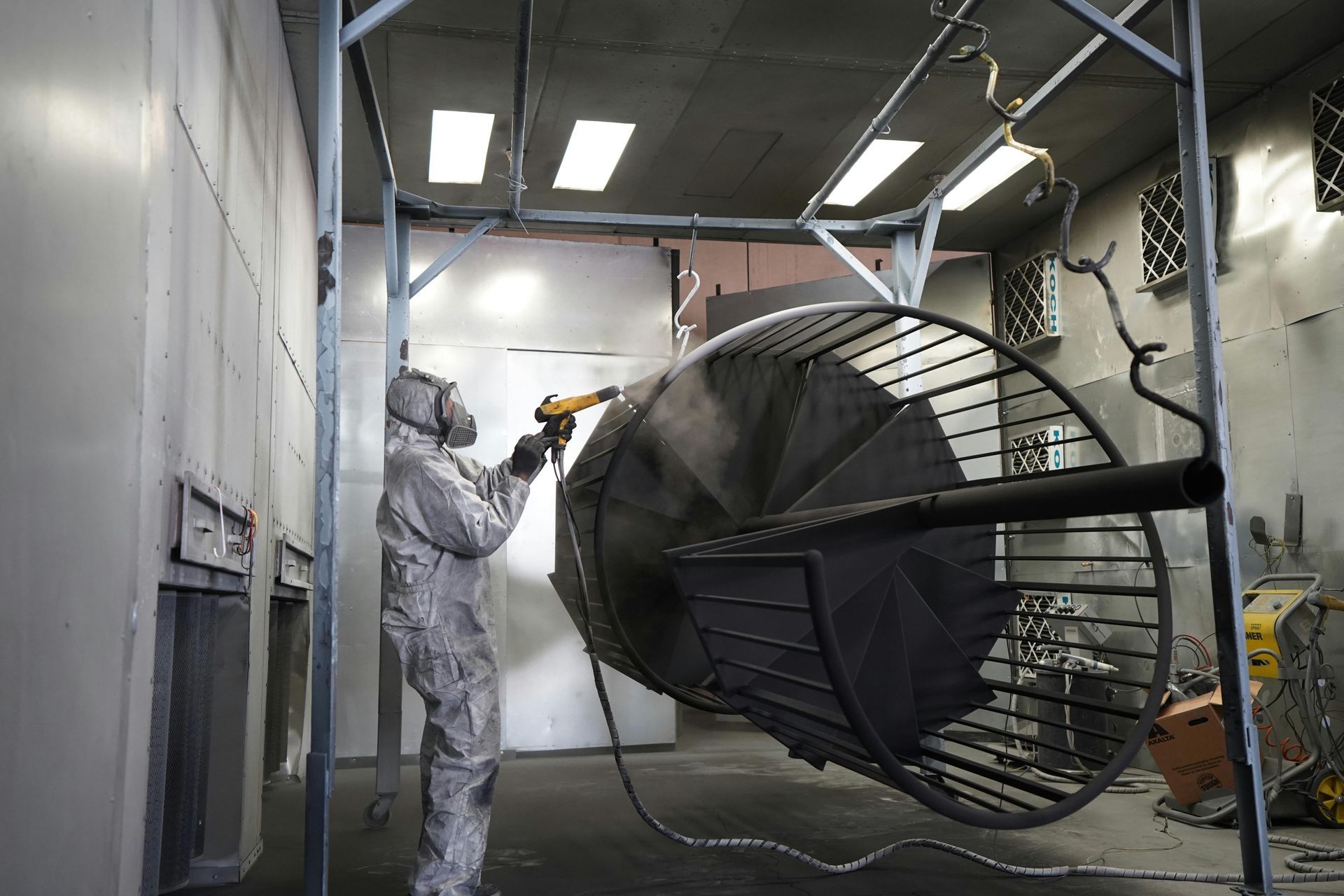
If you are searching How to powder coat at home, you are probably trying to figure out whether it is something you can realistically do yourself. The short answer is yes, sometimes, but only under the right conditions. Powder coating at home is possible on small and simple parts when you have the right tools, a clean setup, a dedicated curing oven, and enough time to prep the metal properly. What gets missed in most DIY discussions is that powder coating is not just about spraying powder onto metal. It is a full process that depends on prep, grounding, application, and cure all working together. If you want a better overview of that bigger process, start with How Powder Coating Works and Media Blasting before you decide whether a home setup actually fits your project.
A useful quote we say around the shop is : “Powder coating isn’t just about looks, it’s about performance.” That matters here because a lot of home powder coating attempts look decent for a moment, but the real test is whether the finish actually holds up.
What Powder Coating at Home Really Means
A lot of people imagine home powder coating as a simpler version of spray painting. Buy a gun, buy some powder, plug in an oven, and you are off. In practice, it is much more demanding than that.
A proper powder coating process usually includes:
- complete cleaning and degreasing
- removal of rust, old coating, oxidation, or contamination
- abrasive prep or blasting
- correct grounding
- even powder application
- accurate cure temperature and cure time
- careful handling after cure
If any one of those steps is weak, the result can go bad quickly. That is why home powder coating usually works best on small hobby parts where mistakes are inexpensive and easy to redo. It gets much less practical once the project becomes large, visible, or important.
What You Need to Powder Coat at Home
If you are serious about doing it yourself, you need more than a powder coating gun.
A powder coating gun
This is the part most people focus on first, but it is only one piece of the system. You need a gun that can apply powder consistently and a setup that allows you to control the workpiece and spray area.
A stable air supply
If your compressor is inconsistent or your air is dirty or wet, the application suffers. Powder coating likes clean, dry, consistent air.
A dedicated curing oven
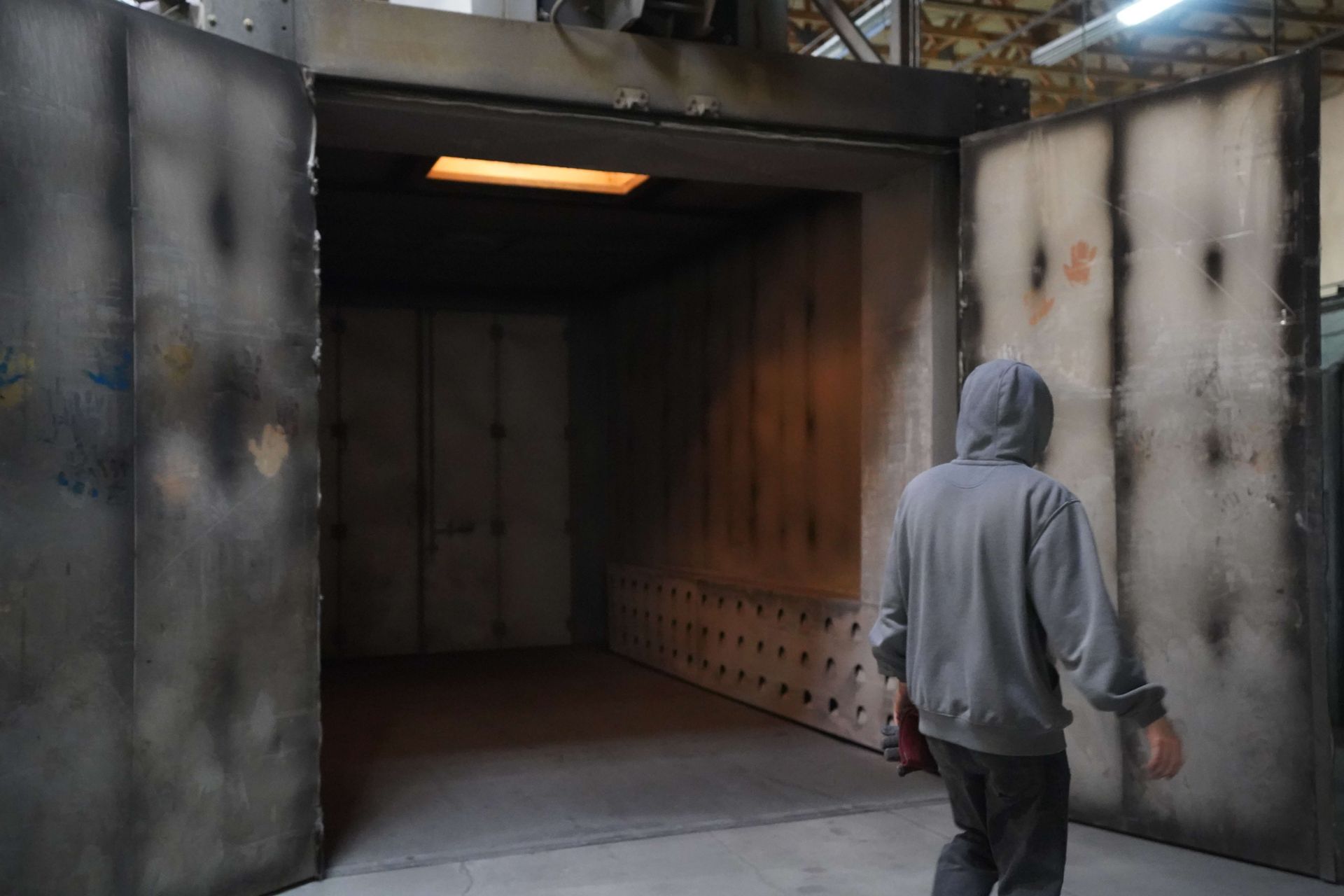
This is one of the biggest limitations for home projects. You need an oven that is not used for food, that can safely reach and hold the required cure temperature, and that is large enough for the part you want to coat.
That last point is what stops many DIY projects almost immediately. Small brackets, valve covers, or simple accessories may fit. Stair parts, gates, large furniture frames, and architectural pieces usually do not.
Prep equipment
Even a good home setup still needs ways to:
- clean and degrease metal
- sand or grind problem areas
- blast when required
- keep the part clean after prep
That is where many home powder coating plans start falling apart. The spray gun gets all the attention, but prep is usually where the finish is either won or lost.

The Basic Home Powder Coating Process
On paper, the process looks simple.
Step 1: Remove old finish, rust, and contamination
The metal has to be genuinely clean, not just visually cleaner than before. Oil, rust, old paint, oxidation, and shop contamination all interfere with adhesion.
Step 2: Clean and degrease the part
After rust or old finish is removed, the metal still has to be degreased and handled carefully. If you contaminate it again after prep, you can undo a lot of your own work.
Step 3: Ground the part correctly
Powder coating works because the powder is electrostatically attracted to the grounded part. Weak grounding creates weak attraction, poor wrap, and inconsistent coverage.
Step 4: Apply the powder
The powder has to go on evenly, without overload in one area and weak coverage in another. Corners, edges, and recesses make this harder than it looks.
Step 5: Cure it correctly
This is where a lot of DIY attempts get into trouble. The metal itself has to reach the correct cure condition, not just sit inside a hot box for a while. If the cure is off, the part may look acceptable at first and still fail early.
Step 6: Cool, inspect, and handle carefully
After cure, the part still needs to be inspected and handled properly so the finish is not damaged right away.
Where Home Powder Coating Usually Works
It is not all bad news. There are situations where home powder coating can make sense.
It usually works best on:
- small brackets
- simple automotive accessories
- light-duty decorative parts
- hobby items
- components that fit comfortably in a dedicated oven
- parts where a less-than-perfect finish is acceptable
If the geometry is simple, the substrate is clean, and the finish standard is moderate, DIY can be a reasonable way to learn.
The problem is that many people take that same logic and try to apply it to projects that are too large, too visible, or too expensive to gamble on.
Why We Don’t Recommend It for Most Projects
This is where the answer becomes more honest.
Prep is much harder than it looks
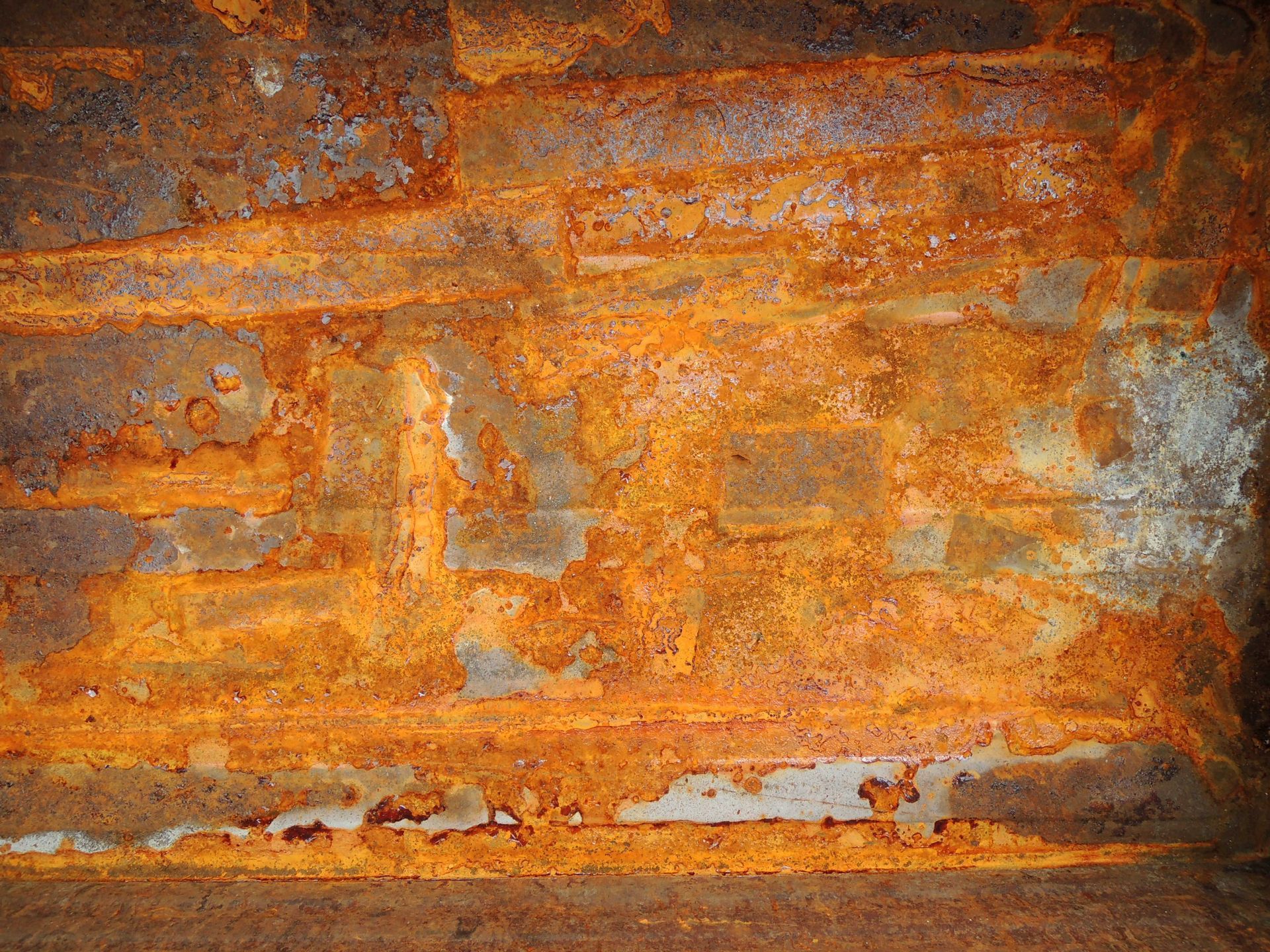
Most people underestimate how much of powder coating is really surface preparation. A part may look clean and still not be coating-ready. Rust in seams, oxidation on aluminum, residue in weld zones, and oils from handling all matter.
That is one reason Sand Blasting Services and Media Blasting matter so much in professional work. Blasting is not just about cleaning off the obvious. It is about giving the finish a real foundation.
Oven size becomes a hard limit
This is probably the biggest practical reason most home powder coating projects should not happen. Large parts simply do not fit a normal home-scale curing setup.
That includes:
- stair sections
- railing assemblies
- gates
- long fabricated frames
- large machine parts
- furniture bases
- highly visible architectural metal
Once the part gets bigger than your oven, the DIY plan usually stops being realistic.
Visible parts need a higher standard
A bracket hidden under a machine can tolerate small imperfections more easily than a staircase in the middle of a home. On highly visible parts, every seam, every edge, every thin spot, and every inconsistency matters more.
Redoing a failed finish is expensive
If the finish goes wrong on a small test piece, that is one thing. If it goes wrong on a staircase or gate, now you are talking about stripping, reworking, and recoating a large high-visibility project that probably mattered enough to justify a professional process in the first place.
A Staircase Project That Started as a DIY Plan
A good example of this is a customer in Utah who had a custom staircase project and seriously considered powder coating it at home.
At first, the idea made sense on the surface. The customer had done some research, watched the videos, looked at a few home powder coating kits, and liked the idea of handling the finish personally. It felt like a way to save money and stay involved in the project.
The problem was that this was not a small hobby part. It was a staircase.
Once the realities of the job became clearer, the issues added up quickly:
- the sections were too large for any reasonable home oven setup
- the surface prep standard was much higher than expected
- the finish would be highly visible every day
- any inconsistency would live in the middle of the home
- redoing it later would be frustrating and expensive
That is the kind of moment where a project changes from “maybe I can do this” to “this deserves a better process.”
At Full Blown Coatings, projects like that are where the value of professional prep really starts showing. A staircase is not just another metal part. It is part of the architecture. Once the project moved through real blasting, controlled application, and proper cure, the result looked finished in a way that would have been very hard to replicate in a garage.
Why a Staircase Is a Bad DIY Powder Coating Project
A staircase combines almost every reason DIY becomes a poor fit.
It is too visible
You are not hiding the finish. You are living with it.
It is too large
Even if the powder gun setup is workable, the cure side usually is not.
It needs better prep than most people expect
A staircase has weld transitions, seams, corners, underside sections, and broad visible surfaces. If the prep is inconsistent, the finish will show it.
It is too expensive to gamble on
If you are already paying for fabrication, installation, and design, saving money on the finish by taking a risky DIY path is often a false economy.
When Hiring a Shop Makes More Sense
If the project is:
- large
- highly visible
- exposed to the weather
- difficult to strip and redo
- expected to look premium
- or important enough that failure would be a major headache
then a professional shop usually makes more sense.
That is especially true when blasting is required, when the part needs a clean and repeatable finish, or when the part is part of the architecture of a home or facility.
Pages like Custom Powder Coating and Industrial & Commercial Powder Coating matter because they reflect the difference between hobby coating and project-critical coating. The whole point is not just getting powder on metal. It is getting the result right.
Final Thoughts
How to powder coat at home is a fair question, and for some small simple projects, it can be a reasonable experiment. But most real-world projects that matter to people are not small, simple, or low-stakes.
They are visible.
They are expensive.
They need real prep.
They need consistent finish quality.
They need correct cure.
And they need to hold up.
That is why we do not recommend home powder coating for most projects. The process is more demanding than it looks, and the cost of getting it wrong usually shows up later, not sooner.
If the project is something you will notice every day, the smarter move is usually not just to ask how to powder coat it yourself. It is to ask what process gives it the best chance of lasting and looking the way it should.
Share This Post!