Sand Blaster: Know Before You Apply | Job Description, and Tools.
TL;DR:
- A Sand Blaster is responsible for removing rust, paint, powder coating, scale, and contamination while creating the correct surface for a new finish.
- The job is important because powder coating and industrial paint cannot perform properly over dirty, rusty, or unstable metal.
- A sand blasting machine uses compressed air, a pressure vessel, abrasive media, a hose, and a nozzle to propel abrasive particles against a surface.
- Entry-level technicians may receive on-the-job training, but they still need mechanical awareness, attention to detail, physical stamina, and a strong commitment to safety.
- There is no universal OSHA sand blaster certification. Employers must provide training and protective programs appropriate to the hazards.
- AMPP C7 is a respected abrasive blaster certification for experienced industrial and marine workers, not usually a requirement for your first shop position.
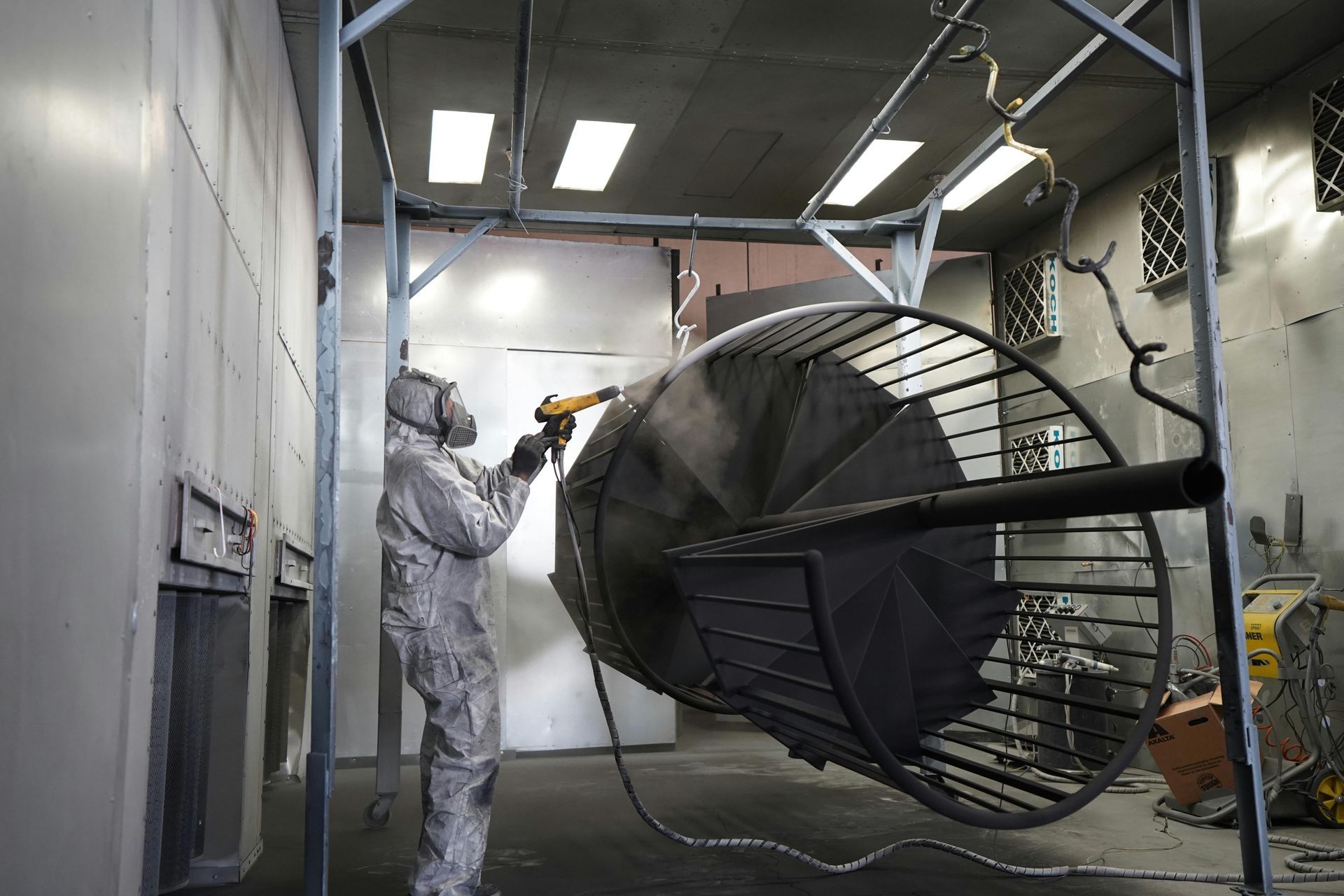
A Sand Blaster plays one of the most important roles in powder coating and metal finishing. If you are considering this career, you should understand that the job involves much more than pointing a hose at a metal part. You are responsible for removing failed coatings and contaminants, creating the correct surface profile, protecting critical areas, operating high-pressure equipment, and deciding when a part is truly ready for its next finishing stage.
You can learn more about the process through Full Blown Coatings’ guides to sand blasting services, media blasting, and how powder coating works.
Full Blown Coatings describes a properly prepared part as being “completely clean of oils, dirt, paint, rust and corrosion.” As a blasting technician, creating that clean foundation is one of your primary responsibilities.
Why Is a Sand Blaster’s Job So Important?
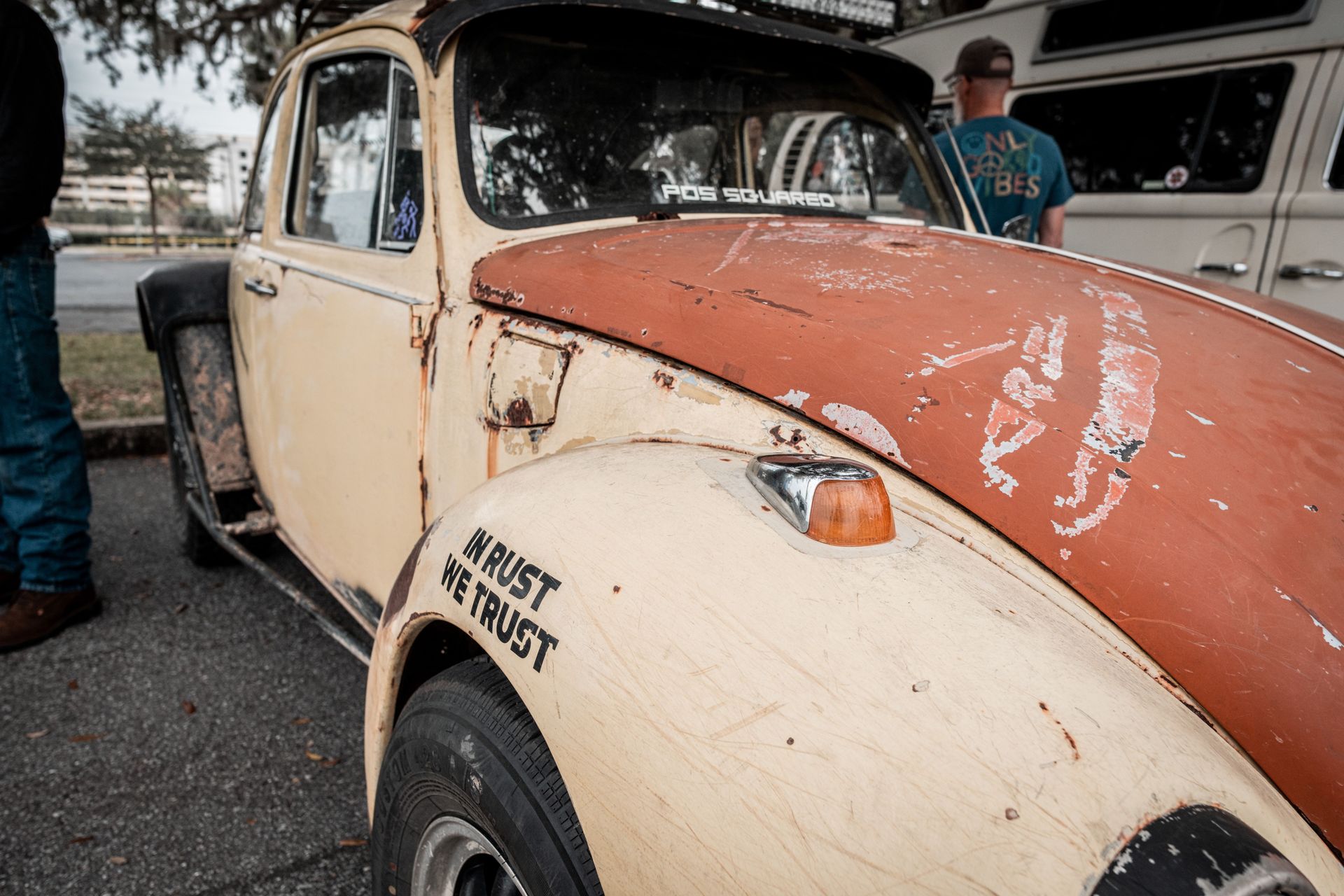
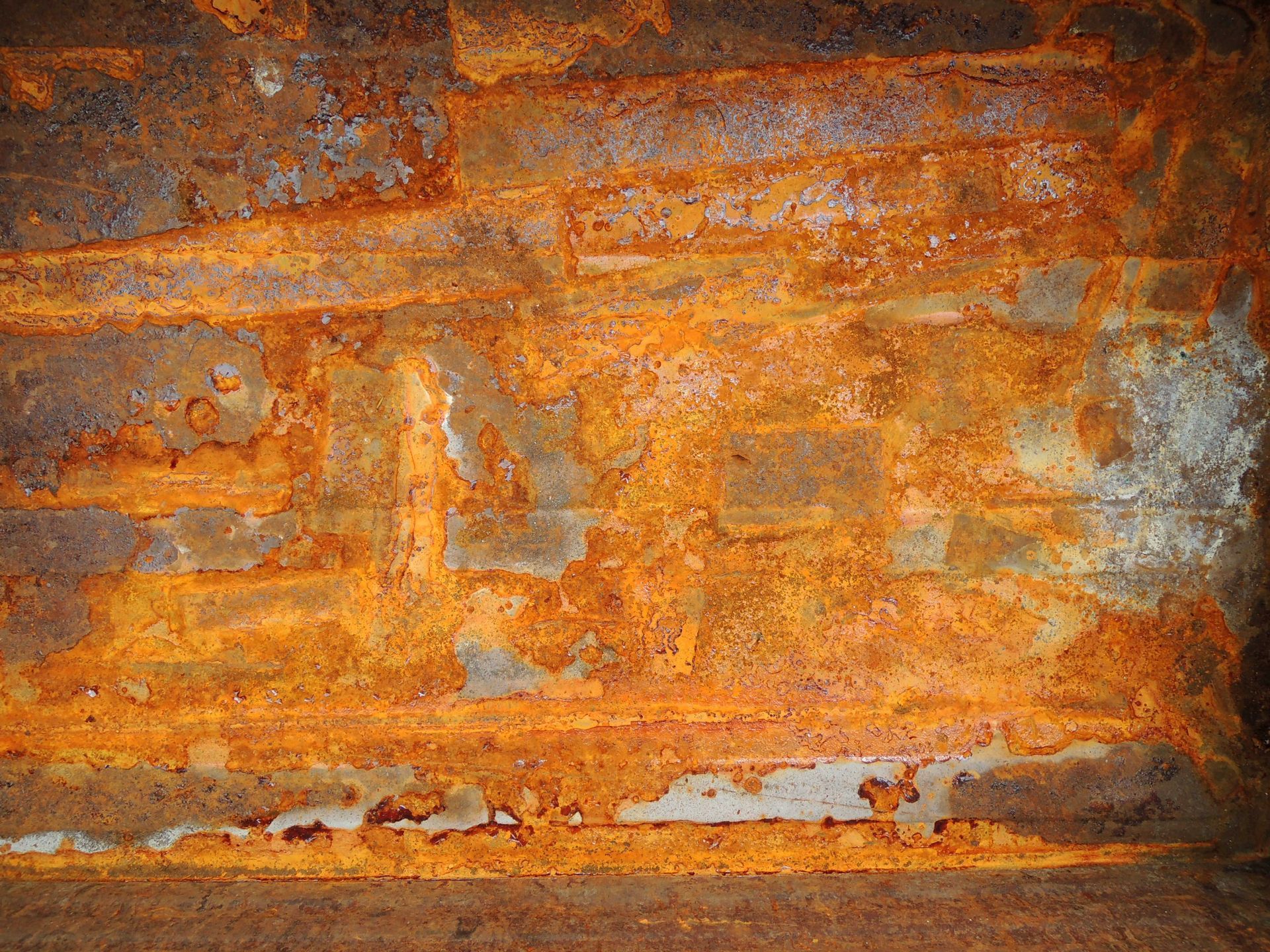
Powder coating and industrial paint depend on the condition of the surface underneath them. A technician can apply an expensive coating perfectly, but that coating may still fail if rust, oil, old paint, loose scale, or corrosion remains on the part.
Your work affects adhesion, appearance, corrosion resistance, and the useful life of the finish. Missing a small area around a weld or inside a corner can create a weak point where peeling or rust begins later.
Blasting can also reveal defects that were hidden beneath the old coating. Once the surface is exposed, you may discover cracks, deep corrosion pits, previous repairs, weak welds, filler, or metal that has become too thin to refinish safely.
At Full Blown Coatings, this is an important part of the handoff between blasting and coating. A project may arrive looking like it only needs a new color. After the old finish is removed, the blaster may uncover damage that needs fabrication work before the part should move forward. Reporting that problem protects the customer and prevents the coating team from covering up a failure.
What Does a Sand Blaster Do?
Your primary job is to prepare metal and other durable surfaces using abrasive blasting equipment. Depending on the employer, your title may also be abrasive blaster, media blasting technician, surface preparation technician, or blaster-painter.
Your typical responsibilities may include reviewing work orders, identifying the substrate, inspecting parts, selecting the correct media, masking protected areas, operating blasting equipment, checking surface cleanliness, and cleaning the part after blasting.
You may work on automotive wheels, railings, staircases, machinery, agricultural equipment, motorcycle parts, furniture, fabricated steel, industrial frames, or restoration projects.
The job requires judgment. You need to know when the existing coating has been completely removed, when the surface profile is too aggressive, and when continued blasting could damage the part.
What Is a Sand Blasting Machine?
A sand blasting machine is a system that propels abrasive material against a surface. Modern shops often use the term abrasive blasting because the media may be aluminum oxide, garnet, crushed glass, glass bead, steel grit, walnut shell, plastic, or another specialty abrasive rather than traditional sand.
The Air Compressor
The compressor produces the airflow needed to move the abrasive. Stable pressure and sufficient air volume help maintain consistent cutting performance.
If the compressor cannot keep up, your blasting pattern may become weak or inconsistent. Moisture in the compressed air can also cause media to clump, restrict flow, or contribute to flash rust, which is why many systems include air dryers and moisture separators.
The Blast Pot
The blast pot is a pressure vessel that holds and meters the abrasive into the airflow. You may be responsible for loading the media, monitoring its condition, inspecting valves, and following safe procedures before opening or servicing the vessel.
The Hose and Nozzle
The hose carries the air and abrasive toward the nozzle. The nozzle concentrates and directs the stream onto the workpiece.
Nozzles wear over time. As the opening becomes larger, air demand increases and blasting performance changes. Hoses, couplings, and gaskets also need regular inspection for wear, cracks, leaks, and loose connections.
The Deadman Control
A deadman control is designed to interrupt blasting when the operator releases it. It is an essential safety feature and should never be tied down, bypassed, or defeated to make the job easier.
The Blast Cabinet or Blast Room
A blast cabinet is generally used for smaller parts. You stand outside the enclosure and manipulate the part and nozzle through built-in gloves.
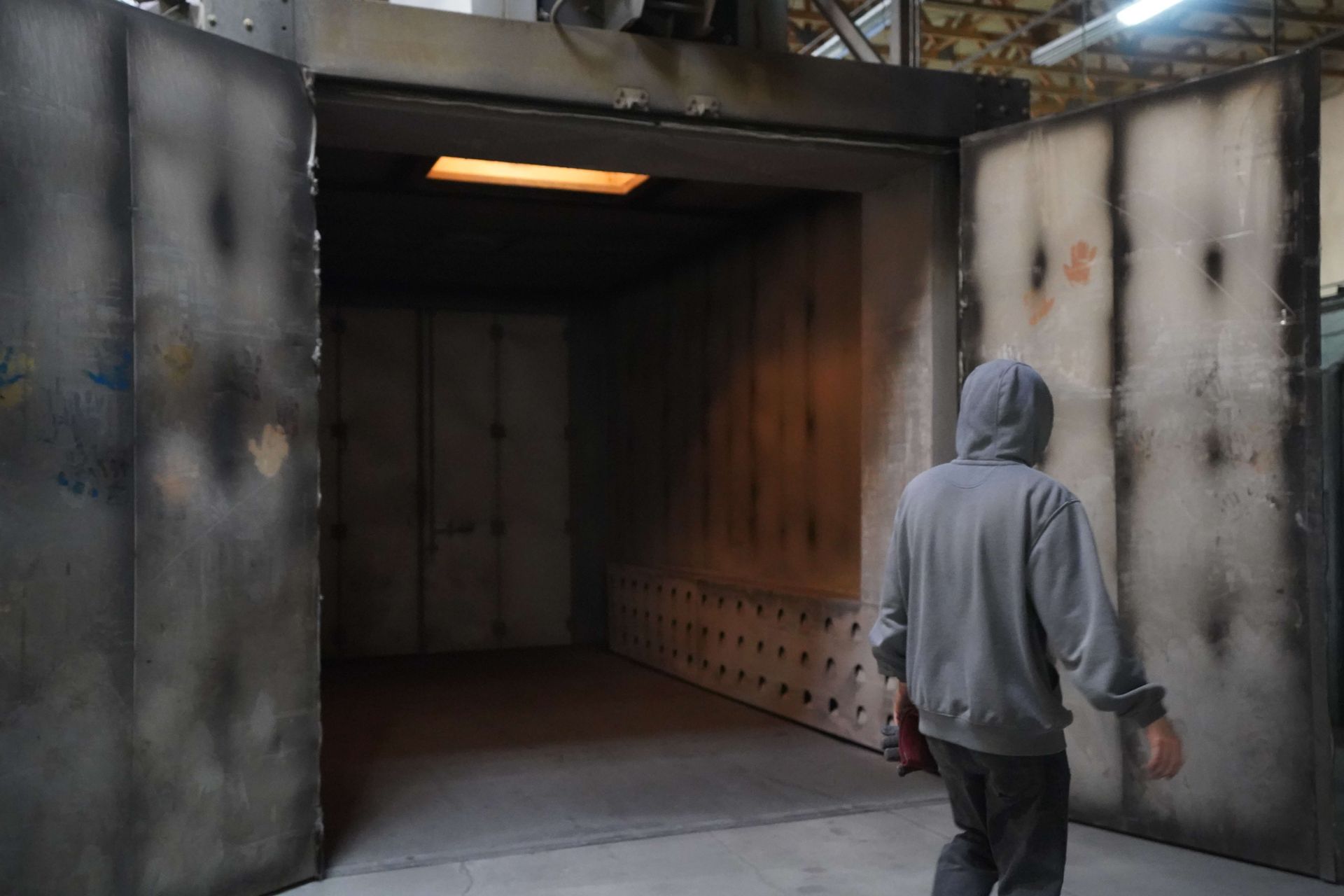
A blast room accommodates larger projects. You may work inside the enclosure while wearing specialized protective equipment. Blast rooms need ventilation and dust collection to control airborne debris and maintain workable visibility.
How Does Abrasive Blasting Work?
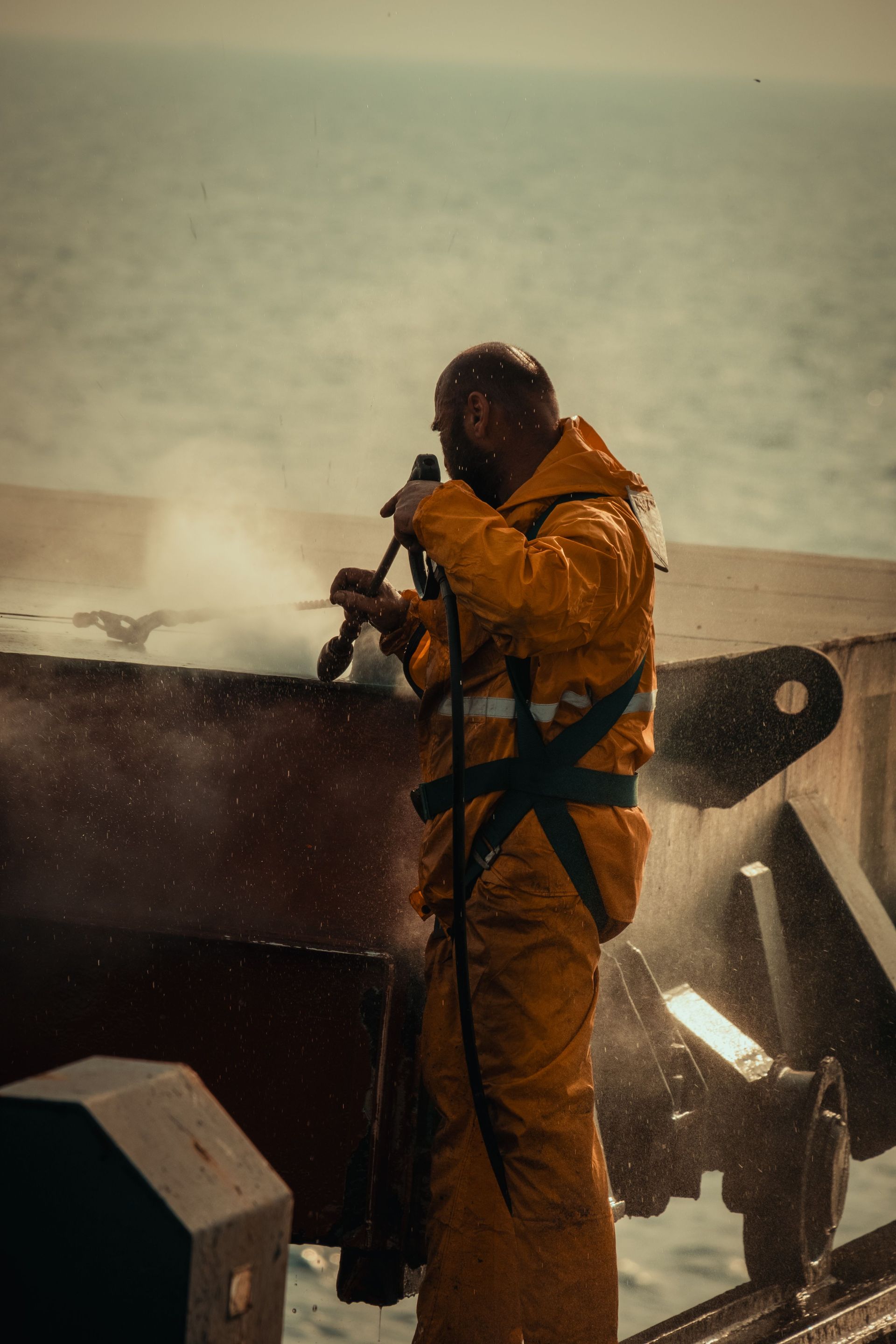
Compressed air accelerates the blasting media through the nozzle. When the particles hit the surface, they cut, fracture, clean, or peen the material depending on their shape and hardness.
Angular media such as aluminum oxide generally cuts more aggressively and creates a stronger surface profile. Rounded media such as glass bead usually cleans or peens the surface while producing a smoother appearance.
Your results also depend on pressure, nozzle distance, angle, movement speed, substrate hardness, and time spent in one area. Holding the nozzle too close or staying in one location too long can over-profile soft metal or distort thin panels.
The goal is not always to make the surface as rough as possible. You need to create a level of cleanliness and texture that matches the coating system and the condition of the part.
What Are the Requirements to Become a Sand Blaster Technician?
Many entry-level shop positions do not require a college degree or professional abrasive blasting certification. Employers may accept applicants with a high school diploma or GED, mechanical aptitude, reliable attendance, and the ability to perform physical work safely.
Previous experience in welding, fabrication, auto body repair, industrial painting, construction, manufacturing, heavy-equipment maintenance, or warehouse material handling can transfer well.
You should be prepared to stand for long periods, control a pressurized hose, bend, reach, move parts, and work in protective clothing. Blast-room work can be hot, noisy, repetitive, and physically demanding.
Attention to detail is one of the most important requirements. A small strip of paint left behind can undermine the coating process. You also need enough mechanical awareness to recognize unusual equipment sounds, media-flow problems, damaged hoses, or worn components.
What Safety Training Will You Need?
Abrasive blasting creates dust from the media, the old coating, rust, and the substrate. Depending on the project, that dust may contain lead, silica, chromates, heavy metals, or industrial residues.
Your employer should evaluate the hazards and provide the appropriate training and protective program.
Depending on the workplace, that may include:
- Respiratory protection training
- Medical evaluation and respirator fit testing
- Hazard communication
- Hearing conservation
- Personal protective equipment training
- Lockout and tagout
- Forklift or hoist authorization
- Fall protection
- Confined-space procedures
- Lead or silica awareness
A basic disposable dust mask is not automatically suitable for abrasive blasting. The correct protection depends on the operation, enclosure, abrasive, coating being removed, and measured exposure.
You may wear an abrasive-blasting hood or supplied-air respirator, hearing protection, gloves, protective clothing, and safety-toe footwear. The exact equipment depends on whether you are operating a sealed cabinet, working inside a blast room, or performing field blasting.
Do You Need a Sand Blasting Certification?
There is no universal OSHA-issued sand blaster certification. OSHA establishes workplace safety standards, while the employer is responsible for training you and implementing the required safety programs.
For many entry-level powder coating shops, you can apply without a blasting credential and receive supervised training after hiring.
Certifications become more valuable when you move into industrial contracting, marine work, pipelines, tanks, bridges, refineries, infrastructure, or specification-controlled corrosion projects.
AMPP C7 Abrasive Blaster Certification
The AMPP C7 program is a respected industry credential covering surface preparation, abrasive selection, equipment setup, cleanliness standards, and blasting technique.
It is intended for experienced blasters. AMPP requires documented abrasive blasting experience in an industrial or marine environment before you can qualify for the certification.
That makes C7 more appropriate after you have established hands-on experience rather than before your first entry-level application.
Other Useful Qualifications
Depending on the employer, useful credentials may include forklift authorization, aerial-lift training, crane or hoist instruction, rigging knowledge, first aid, CPR, and industrial coating application training.
If your role combines blasting and painting, coating application credentials may become valuable as you advance.
What Skills Make a Good Sand Blaster?
A good technician combines production speed with restraint. You need to remove the coating efficiently without damaging the substrate.
You should be able to recognize differences between mild steel, stainless steel, aluminum, cast iron, and thin sheet metal. Each responds differently to abrasive media and pressure.
Communication also matters. You will coordinate with fabricators, powder coating applicators, painters, inspectors, supervisors, and material handlers. When you discover a crack or damaged thread, you need to report it rather than sending the part forward and hoping someone else catches it.
Dependability is just as important as technical skill. Employers need technicians who follow procedures, maintain their equipment, wear protective gear correctly, and resist production shortcuts.
What Should You Ask Before Accepting a Job?
Before accepting a position, ask what types of parts you will blast and whether the work takes place in a cabinet, blast room, or field setting.
Find out which abrasives the company uses, what respiratory equipment it provides, and what training you will receive before working independently. Ask whether the employer provides medical evaluations and fit testing when respirators are required.
You should also ask whether the position includes coating application, forklift operation, crane use, overtime, travel, or weekend work.
Pay close attention to the condition of the workplace. Damaged hoses, leaking couplings, uncontrolled dust, bypassed safety controls, poor housekeeping, and casual attitudes toward respirators are serious warning signs.
Can Sand Blasting Lead to Other Careers?
A sand blaster position can become the first step into a broader metal-finishing career.
With experience, you may move into powder coating application, industrial painting, quality control, coating inspection, production leadership, or shop supervision.
Blasting creates a strong foundation for these roles because you learn how substrate condition affects every coating applied afterward. A technician who understands rust, contamination, surface profile, and preparation is better equipped to diagnose coating problems later.
Is Sand Blasting a Good Career?
Sand blasting can be a good career when you enjoy hands-on work, visible results, mechanical systems, and skilled trade environments.
You can work on projects ranging from automotive wheels and motorcycle frames to heavy machinery and architectural metal. You also have opportunities to build specialized experience without necessarily earning a four-year degree.
The job is physically demanding and requires strict safety discipline. You may work in noise, heat, dust-control equipment, and heavy protective clothing. The best candidates are comfortable with those realities and take pride in preparing every surface correctly.
Final Thoughts
A Sand Blaster is not simply responsible for making old metal look cleaner. You create the foundation that determines whether the next coating will adhere, perform, and last.
The job requires attention to detail, physical capability, mechanical awareness, safe equipment operation, and the judgment to recognize when a part is ready for coating.
You may not need a professional certification to begin in an entry-level shop. You do need an employer that provides proper training, equipment, respiratory protection, and supervision. As you gain experience, credentials such as AMPP C7 can help you move into more specialized industrial work.
When the blasting is performed correctly, the powder coater receives a clean, stable, properly profiled surface. That handoff is what turns a basic color change into a professional metal-finishing system.
Share This Post!