Industrial Sandblasting for Equipment and Fabricated Steel Parts
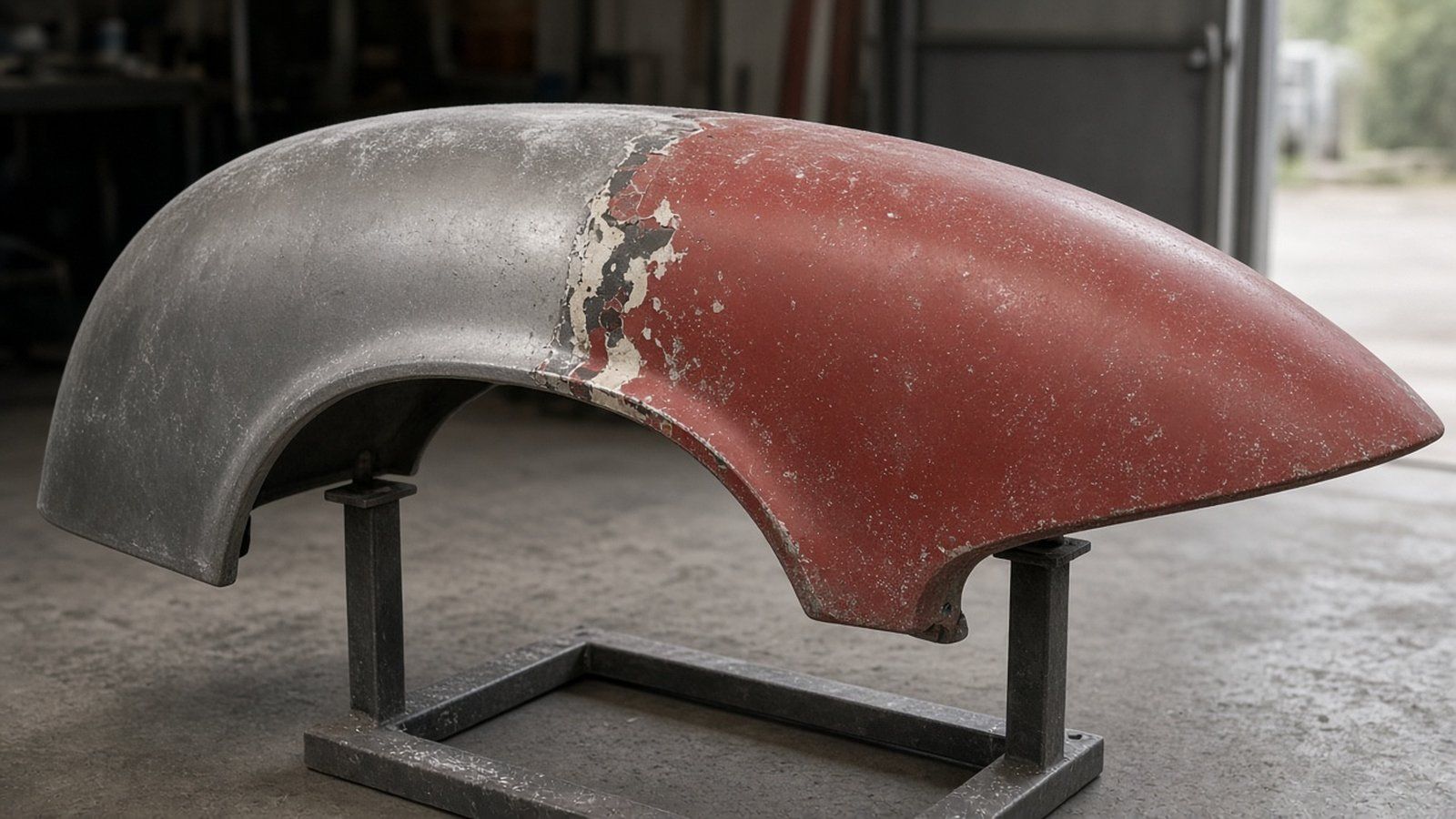
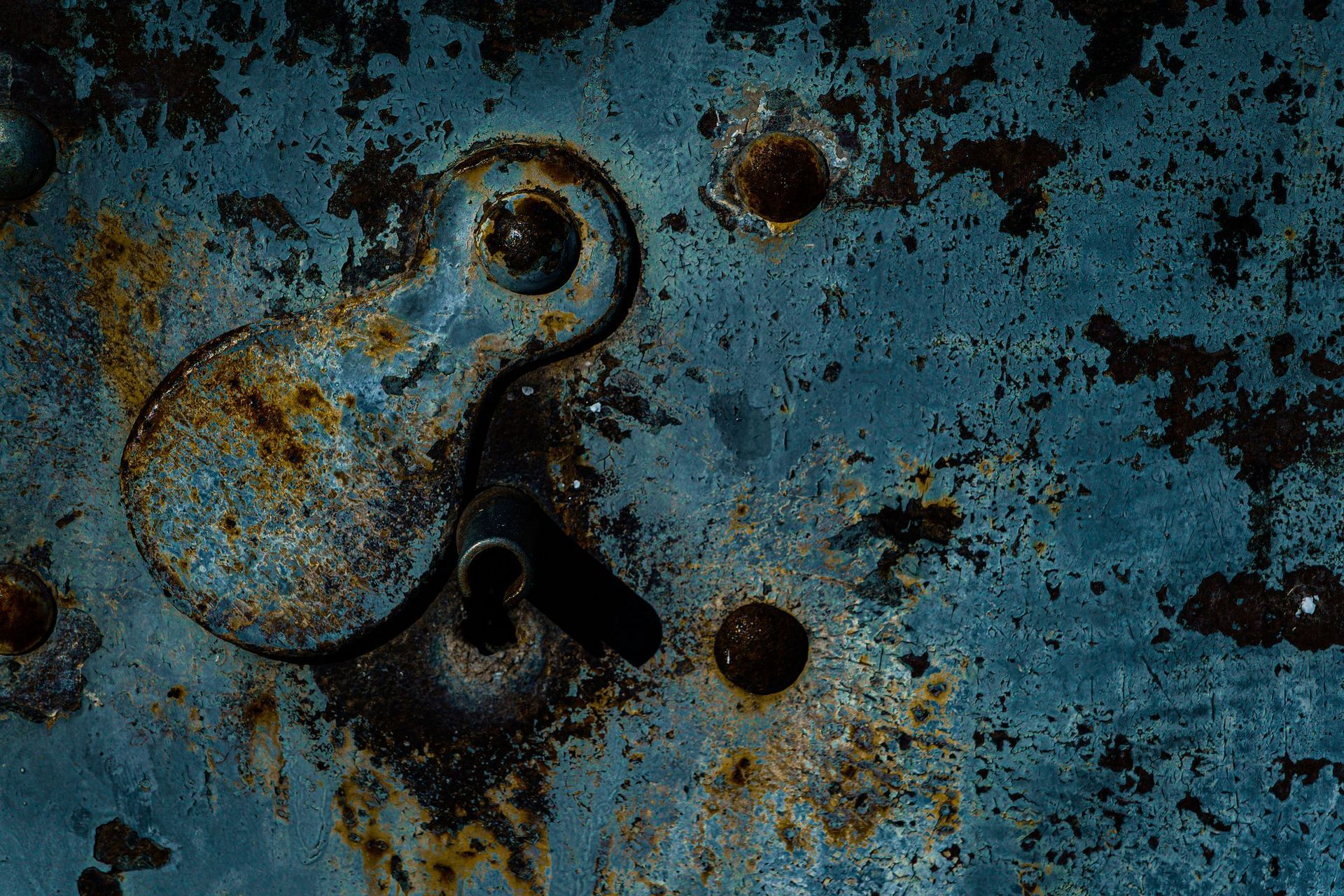
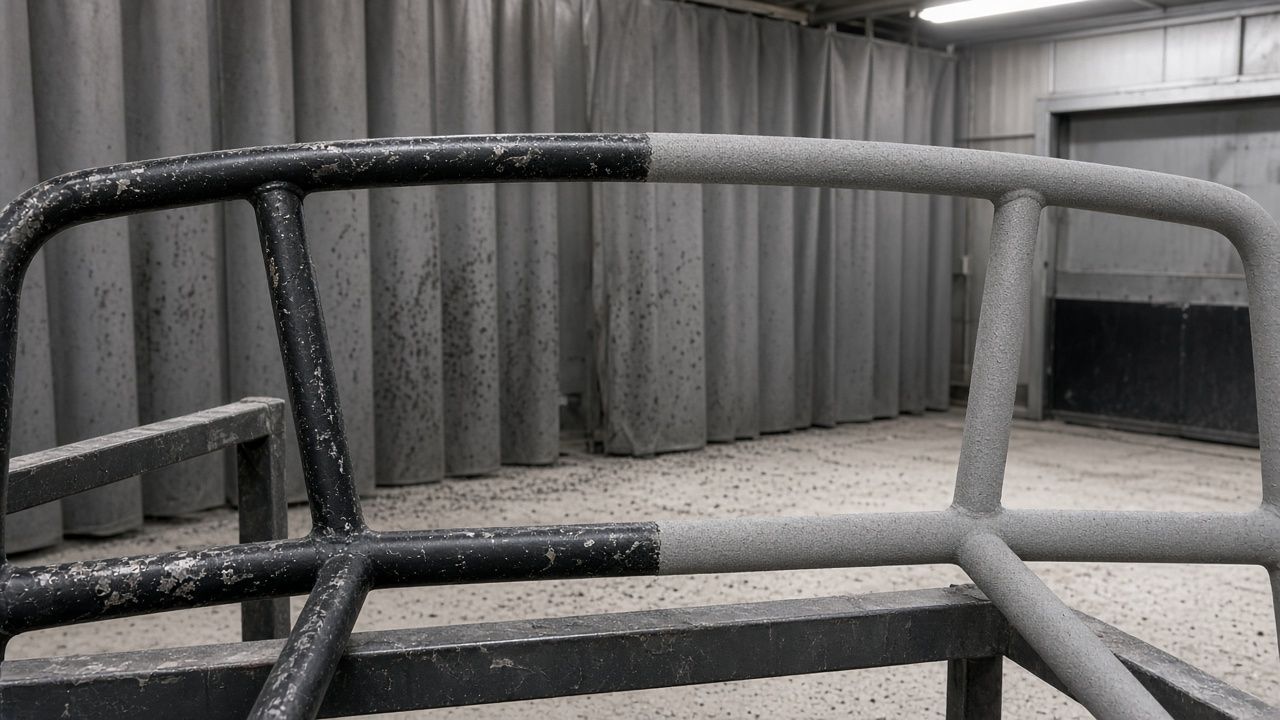
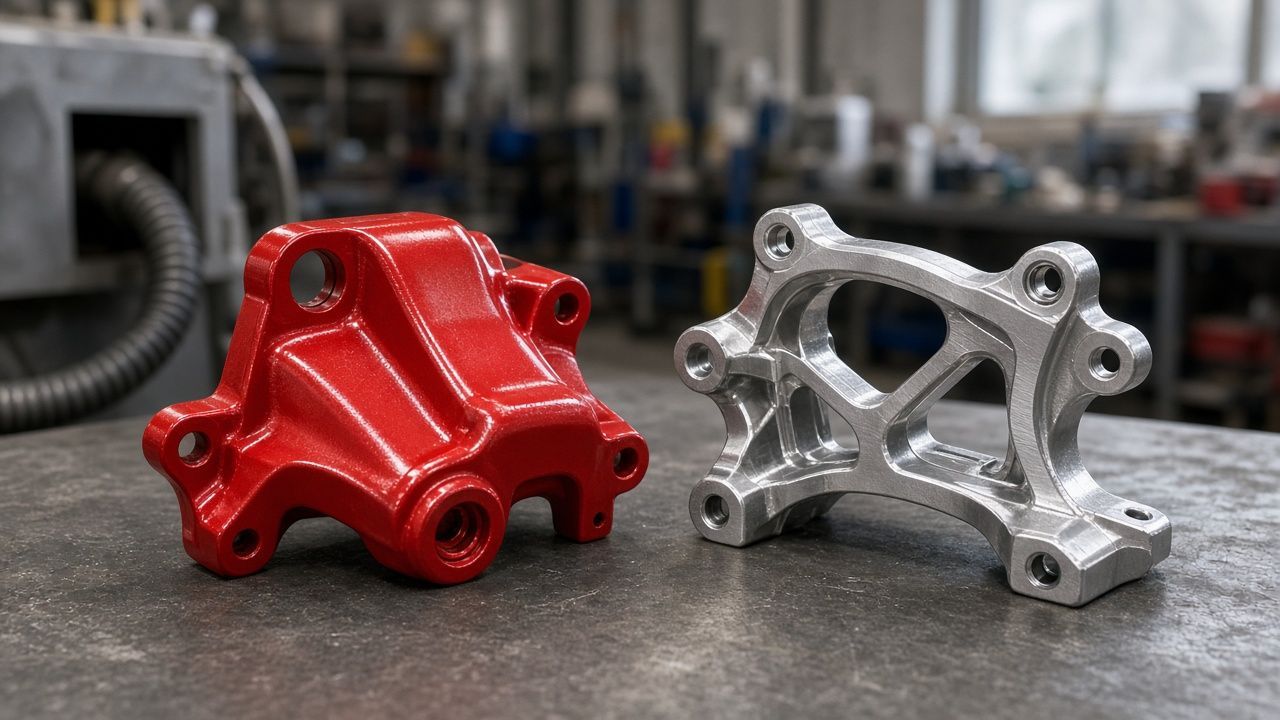
A pallet of welded brackets waits in the blast area, each one still carrying mill scale, weld spatter, and a light film of rust from sitting in a fab shop over the winter. After blasting, those same brackets will be stripped down to bright, bare steel with a uniform matte profile, the kind of surface powder coating can actually grip. That transformation, from corroded and contaminated to clean and coat-ready, is the whole point of industrial sandblasting, and it is a core part of what we do at Full Blown Coatings.
If you are a fabricator, an ag or ranch operator, a contractor, or a facilities buyer responsible for equipment and steel parts, this guide walks through how shop-based blasting works, what we blast well, how to put together a quote request that speeds things up, and how to plan a batch so it moves through the shop without surprises.
What Industrial Sandblasting Covers at a Shop Level
At its simplest, industrial sandblasting is the use of pressurized abrasive to strip old coating, rust, mill scale, and corrosion off steel and other metals. The abrasive hits the surface under pressure, cutting away everything that is not sound metal and leaving behind a slightly etched texture. That texture matters more than most people realize. Powder coating does not just sit on top of steel, it mechanically grips the surface. A smooth, contaminated surface gives it nothing to hold, while a properly blasted surface gives it a profile to key into. That is why we
inspect, then blast every part we receive before it ever sees the powder booth. Blasting also de-scales, de-burrs, and removes oxides and old finishing in one step, so the part arrives at coating clean and consistent.
This is shop-based work, which is worth spelling out. Jobs come to us at the Sandy shop, either by drop-off or through our pickup and delivery service. If you have something unusual in mind, such as a tank, a large structure, or a job that cannot travel, ask whether your job is a fit before assuming either way.
Inside the shop, the workhorse equipment is a set of
pressure sandblasters built for heavy-duty work: frames, housings, chassis, and other thick steel parts where you need real cutting power to chew through scale and rust. For thinner material, aggressive media and high pressure can generate enough heat and peening to warp or distort sheet metal, so we also run
soda blasters for those jobs. Soda is far gentler and strips coatings without attacking the substrate, which makes it the right call on thin metals where a heavy abrasive would leave you with a wavy panel. Because soda leaves little profile, the media plan for a part headed to powder is set with the coating step in mind.
Media selection is part of the job, not an afterthought. We stock several types of
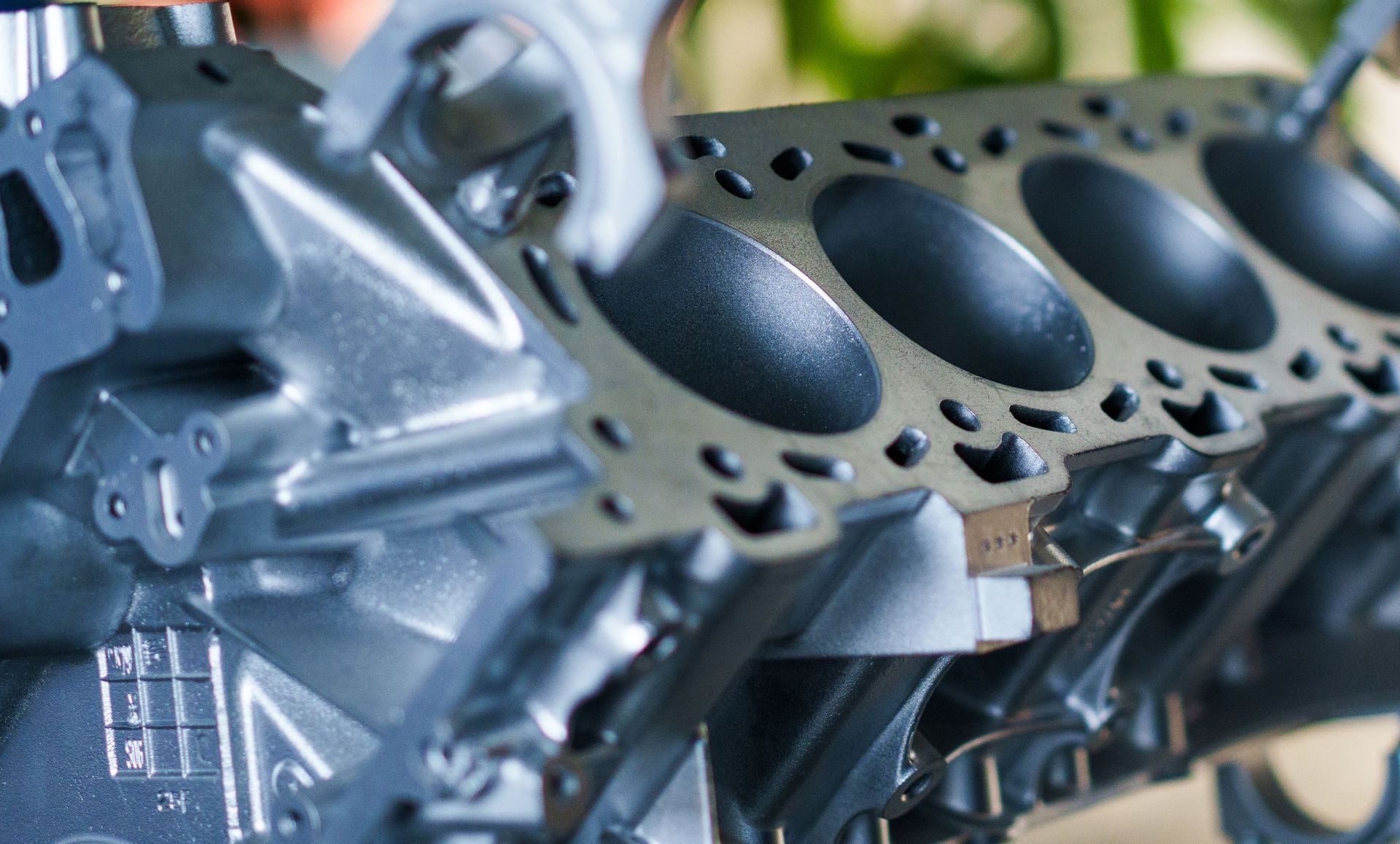
blasting media and choose based on the material in front of us, whether that is steel, aluminum, die-cast metal, or a part that mostly just needs rust gone. Different nozzles, dust collectors, and supporting gear round out the setup, because a part that needs heavy cutting and a part that needs a delicate touch are two different jobs even when they sit on the same rack.
One thing worth emphasizing for smaller shops: batch size should not scare you off. We handle everything from a single large piece of equipment to a lot of tiny products. Whether you are sending one big weldment or a hundred small brackets, the process is the same, and
industrial and commercial powder coating after the blast is where many of these jobs end up.
Common Jobs for Industrial Sandblasting Services
The industrial sandblasting services we provide tend to cluster into a handful of job types. Here is what walks through the door most often.
Fabricated steel. Racks, brackets, guards, frames, weldments, and housings are typical candidates. Fabricators can send raw steel straight off the weld table because blasting removes mill scale, weld spatter, and shop grime in one pass, producing the profile powder needs. It is typically faster and more consistent than trying to clean and mechanically prep a welded assembly by hand.
Ag and ranch equipment. Agriculture is an industry we see especially often. Tractor parts, implements, and the hardware that keeps a working farm or ranch running take a beating from weather, soil, and fertilizer, and they come in coated in layers of old paint, grease, and rust. We cover
powder coating for agricultural equipment in more detail elsewhere, and the same goes for
ranching equipment like gates, corral panels, and steel rails. If a part is steel and it works outside, it is probably a candidate.
Outdoor structural metal. Gates, railings, and fencing are common candidates, especially when they are being recoated after years of weathering. For heavily corroded parts, our
rust removal service page covers that side of the work in more depth.
Automotive and recreation. Steel frames, machine parts, and related components follow the same blast-and-coat logic: strip to clean steel, profile the surface, coat.
Production and small-part batches. This is the category first-time commercial customers most often underestimate. If you are producing small parts in quantity, think about how they will hang on the line before you send them. Parts with a natural hang point, a hole, a hook, a tab, blast and coat evenly and move quickly. Parts that have to be propped or laid flat slow everything down and can show marks where the rack touched them.
Surface Cleanliness Specs: What to Put in Writing When Your Project Calls One
If you bid industrial or government work, at some point you will run into a drawing or contract that does not just say "sandblast it." It references a written surface preparation spec. This comes up often with fabricators bidding spec'd work, so it is worth understanding in plain terms.
A surface prep spec exists for one reason: consistency. When a coating has to perform in a demanding environment, the buyer wants to know that every part was prepared to the same cleanliness and profile, because adhesion and longevity depend on it. Rather than describing prep vaguely, the spec names a defined standard, and everyone involved can point to the same language.
One common example is near-white metal blast cleaning, defined in standards such as
AMPP SSPC-SP 10 / NACE No. 2. That standard describes preparing carbon steel by dry abrasive blasting to a near-white cleanliness condition, judged by visual inspection. A project spec may also set separate requirements for surface profile or soluble salt contamination, which are covered by other documents. You do not need to memorize any of this. What you need to do is simpler: if a drawing, contract, or your customer requires a specific grade, copy the exact spec language into your quote request and ask whether we can meet it. That single step avoids the worst outcome, which is a part blasted and coated nicely but to the wrong standard, or to no standard at all, when the receiving inspection expected documented prep.
If your job also needs certification paperwork or an inspection report against a named spec, say so in the same message and ask before you book; do not assume any shop provides it. Put the spec in writing up front and have the conversation early. That protects your delivery date as much as anything else.
What to Send in a Quote Request
The difference between a quick quote and a long back-and-forth is usually the quality of the information in the first message. Text or email photos of the part along with written details and the conversation moves fast. Here is what to include:
| Item | Why it matters | Example |
|---|---|---|
| Part description and material | Media and process choice depend on the substrate | A welded mild steel rack with a few cast brackets |
| Counts and measurements | Sets rack space and handling for the batch | 24 welded brackets, about 18 in long each |
| Current condition of the part | Old paint, powder, rust, and grease all change blast time | Bare steel with mill scale and light surface rust |
| Written surface prep spec, if one applies | The exact language up front lets the shop say whether the job is a fit | The contract calls out SSPC-SP 10 near-white metal |
| What coating is on the part now | Some old coatings, such as lead paint, need to be disclosed before blasting | Unknown green paint on used equipment |
| Masking instructions in writing | The shop masks only per written instructions | Mask the two threaded holes and the machined bore |
| Hang points | Parts that hang properly blast and coat more evenly | A 3/8 in hole in the top tab of each bracket |
| Color and finish count | Each color is its own setup, with a $40 minimum per color | All parts in one gloss black |
| Photos | Speeds up the preliminary estimate | A few clear phone shots showing condition and size |
Masking is the item that trips people up most often. We can mask threads, bores, and machined surfaces, but only where you tell us to, in writing. If a critical threaded hole needs to stay clean, say so on the work order. Verbal instructions at drop-off are where mistakes are born.
On pricing, our published rates are straightforward. Blasting is billed at $150 per hour including material, with a $120 minimum per order and a $40 minimum per color. Every price is confirmed after your parts are delivered and inspected, because what a heavily corroded assembly will take to strip comes from putting eyes and hands on it, not from a photo alone. We do not disassemble or reassemble parts, so everything needs to arrive ready to blast.
Safety and Disclosure: Tell the Shop What Is on the Part
Abrasive blasting is dusty, noisy work, and as
OSHA notes in its guidance on abrasive blasting hazards, the dust is not just abrasive. Coatings being removed can contain hazardous materials, and older paint can contain lead. This is not a scare tactic, it is a disclosure issue. When you request a quote, tell us what is on the part: old paint, old powder, grease, unknown coating from a piece of used equipment, whatever you know. That disclosure protects our crew, protects your schedule, and lets the shop plan the job correctly instead of discovering a surprise halfway through stripping it.
How to Plan a Batch for Blast and Coat
A little preparation before drop-off saves money and headaches. Here is the short list.
Prep Before Drop-Off
Round your sharp edges. We do not round edges at the shop, and this is a prep step that directly affects how your parts wear. Powder pulls thin as it flows over a sharp edge, and those thin spots are exactly where outdoor coating failure starts, first rust, then peeling. A quick pass with a grinder or sander to knock edges and corners to a slight radius before the part arrives means the powder can build an even film everywhere.
Drill weep holes in capped tubes. Sealed tube sections trap moisture and blast media, and neither belongs inside a finished part. If a weld closes off a tube, drill a small weep hole at the low point before drop-off so anything inside has a way out.
Remove what you can. The shop does not disassemble or reassemble, so anything that should not go through blasting and high-heat curing, such as rubber, plastic, bearings, electronics, and similar components, needs to come off before the part arrives. A part delivered ready to blast goes into the queue faster and comes out cleaner.
Outdoor Equipment
Northern Utah is hard on outdoor metal. You get freeze-thaw cycles that push moisture into every imperfect seam, strong UV at elevation, sprinkler overspray that keeps steel damp for hours, and road salt every winter. Blast-and-coat work that goes outdoors should be planned for that reality.
Two recommendations come straight from our
warranty terms and are worth treating as rules rather than suggestions. First, primer is recommended on all aluminum parts and on all outdoor metal. Second, blast the part before coating. Skipping either step can void coverage, and the warranty spells that out plainly. It also excludes damage from chemicals, fuel, salt water, and fertilizer exposure, so think about where equipment will live. Siting a gate or a piece of machinery away from sprinkler spray and away from where de-icing salt piles up in winter is free insurance.
For large parts, we run a large curing oven, so if you have something with real size to it, ask about fit when you request your quote.
Logistics: Drop-Off and Pickup
Drop-off is at our Sandy shop: 9479 South 500 West, Sandy, UT 84070, behind Titan Cabinetry. If hauling is the hard part of your project, we also offer
pickup and delivery within a 100 mile radius of Salt Lake City for many jobs. Pick whichever works better for your schedule.
Request a Quote for Industrial Sandblasting
If you have been searching for industrial sandblasting near me and trying to figure out which shop can actually handle your steel, the next step is simple.
Request a free quote through our contact page, call 801.631.1708, or email service@fullblowncoatings.com. Send your part description, counts, measurements, current condition, any written spec that applies, your masking instructions, and a few photos, and we will confirm pricing after we inspect the parts in person. Get those details together and reach out, and your steel will be on its way back to you clean, profiled, and coated to hold up outside.
Share This Post!