Powder Coating vs Anodizing: Which Finish Fits Your Aluminum Part
Someone sets a bundle of aluminum roof rack rails on the counter at our Sandy shop and asks a fair question before we talk colors: should these be anodized instead? They have read that anodizing is "the" aluminum finish and want to be sure powder is not a mistake. It deserves a straight answer, not a sales pitch.
So here it is, up front. Full Blown Coatings specializes in powder coating and sandblasting. The powder coating vs anodizing question is still worth working through, because both are legitimate finishes for aluminum (our overview of metal finishing options covers the wider field), and the right one depends on the part. Sometimes the honest answer sends you to an anodizer.
The core difference is simple. Anodizing grows a finish out of the aluminum itself. Powder coating bonds a cured film on top of the metal. Nearly everything else in the comparison follows from that.
What Anodizing Is, and What Powder Coating Is
Anodizing is an electrochemical process. The aluminum goes into an acid bath, current runs through it, and the metal's own oxide layer grows into a thicker surface. As the Aluminum Anodizers Council explains, that oxide is part of the aluminum rather than something applied on top, so it cannot chip or peel the way a film can. Before it is sealed, the layer is porous, which is how anodized parts take dye. Aluminum is the main candidate, with magnesium and titanium as the other common ones. Steel is not on the list.
Color is where Utah buyers should slow down. The Council's technical bulletin on specifying anodized finishes notes that most organic dyes are not fade resistant, and the more lightfast inorganic colors are limited, mostly golds and bronzes. For a part that sits in high-altitude sun year after year, that matters.
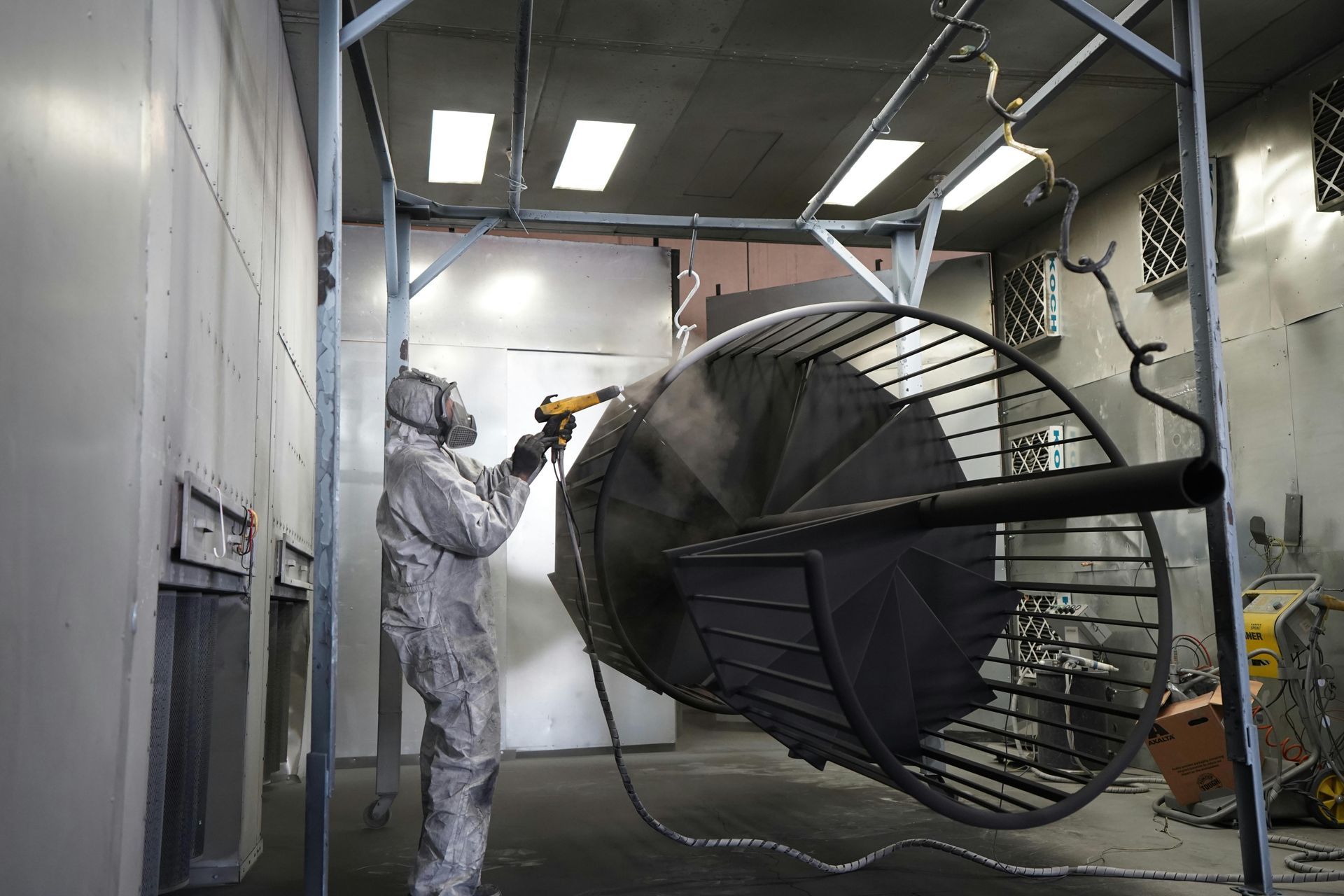
Powder coating works the other way around. Dry powder is sprayed electrostatically onto the part, then the part goes into a curing oven at 350 to 400 degrees, where the powder flows out and cures into a continuous film bonded to the metal. Because it is a film, powder can chip in the wrong conditions, where an anodized surface will not chip or peel. The flip side is range. Gloss, satin, matte, texture, wrinkle, metallic, candy, and clear coats are all available, and two-coat systems can add depth and extra UV protection. A powder finish can also be stripped and recoated later if the look or the part's job changes. Our powder coating services page covers the process in more detail.
Both finishes also have formal architectural specs. Anodized aluminum is commonly specified under AAMA 611, and organic coatings like powder fall under AAMA 2603, 2604, and 2605, which FGIA describes as a good, better, best set. You do not need to memorize them. Just know that if an architect or engineer has written one into your project, the spec decides, not a shop's preference.
Powder Coating vs Anodizing Side by Side
Four questions sort most parts: do the metals mix, how much does color matter, does the part have to hold tight dimensions, and can it take oven heat?
| Decision factor | Anodizing | Powder coating |
|---|---|---|
| How the finish is made | Oxide layer grown from the aluminum in an electrochemical bath | Dry powder sprayed on and cured into a film on top of the metal |
| Metals it works on | Mainly aluminum (also magnesium, titanium); not steel | Aluminum, steel, and other metals we can blast and coat |
| Color and texture | Metallic look; most organic dyes are not fade resistant, lightfast inorganic colors are mostly golds and bronzes | Gloss, satin, matte, texture, wrinkle, metallic, candy, and clear options |
| Chipping and peeling | Part of the metal; cannot chip or peel like a film | A film that can chip in the wrong conditions |
| Refinishing later | Color repair on integral color needs the part taken down; usually means refinishing | Can be stripped and recoated |
| Dimensions | Thin layer tightly controlled to spec | Adds film thickness to every coated surface |
| Heat | No oven cure | Part goes through a cure oven (350 to 400 degrees) |
| Usually fits | Small precision parts, tight-tolerance aluminum, projects that specify anodizing | Mixed-metal projects, welded fabrications, custom colors and textures, parts you may recoat |
If you are deciding on an anodized vs powder coated finish for a specific part, run it through those four questions in order. A project spec, if there is one, overrides all of them.
When Anodizing Is the Better Call
Start with the cases where we are not the right shop.
Anodizing tends to fit better on tight-tolerance aluminum parts, where a coating film on top could change how things fit. A powder film adds thickness to the surface. An anodic layer is grown from the metal and is tightly controlled to the spec, which is why small precision components often end up anodized. It also fits parts that cannot go through a cure oven, such as assemblies with bonded, sealed, or heat-sensitive pieces that cure temperatures would damage. And if anodizing is already in the project spec, follow the spec. One tradeoff to know going in: the Council notes that color repair on integrally colored anodizing is not possible without taking the part down, so a scratched or faded anodized part usually means refinishing it.
If a part is heat treated or safety critical and you are unsure whether cure heat is a concern, check with your engineer before choosing powder.
If your part fits any of those descriptions, take it to a dedicated anodizer. A part that belongs in an anodizing tank will not be well served by a powder booth, and we would rather tell you that now.
When Powder Coating Is the Better Call for Aluminum
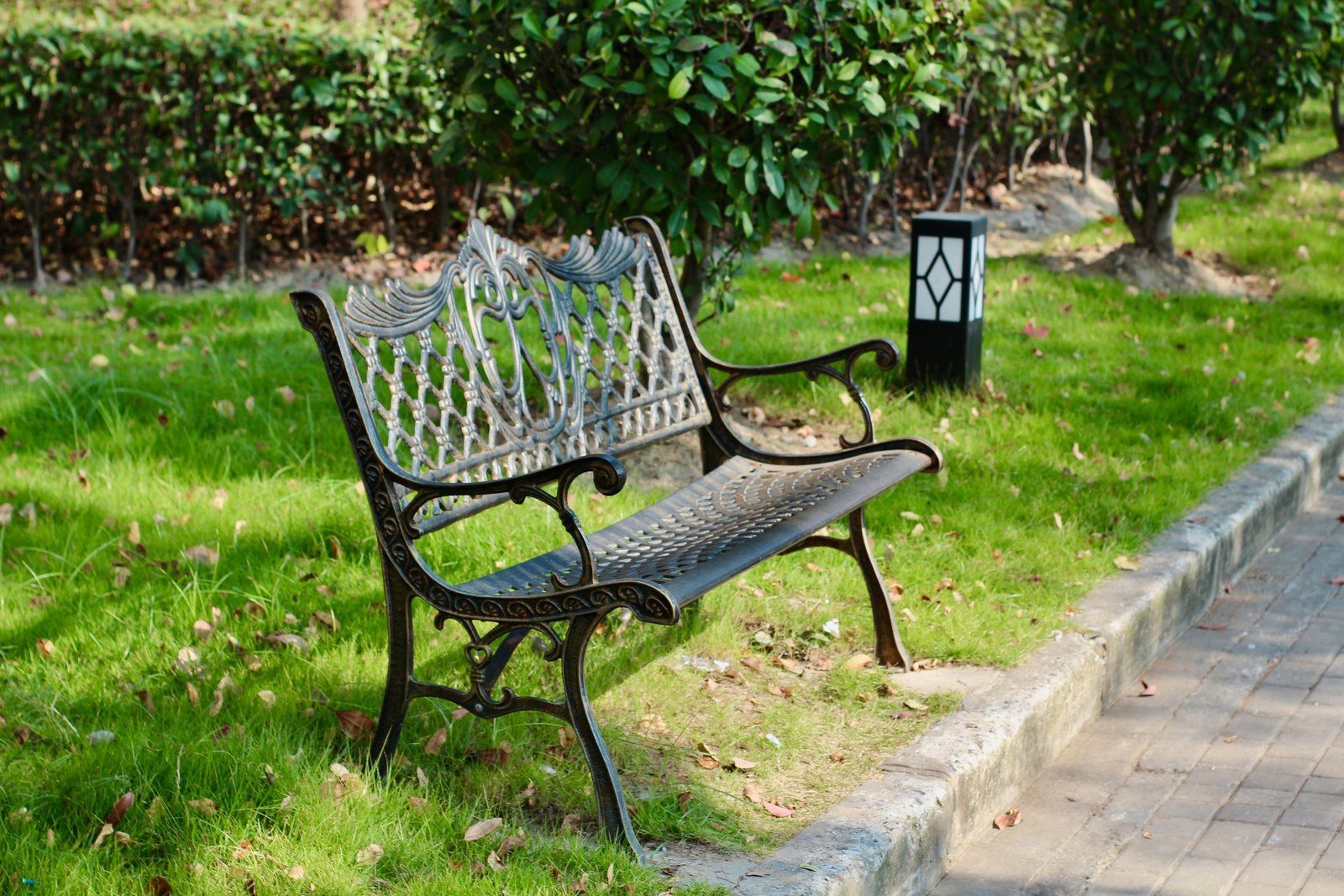
The other side covers a lot of the aluminum that comes through our doors: railings, patio and cast aluminum furniture frames, brackets, racks, enclosures, and projects where steel and aluminum pieces need to match.
- The project mixes metals. Powder can finish aluminum and steel in the same color and sheen. Anodizing cannot touch the steel.
- Color, gloss, or texture is the point. A textured black railing or a bright candy finish on patio furniture is powder territory, not anodizing.
- The part may need a refresh later. Powder can be stripped and recoated, which is a practical advantage on outdoor pieces you plan to keep for a long time.
- The part is large, fabricated, or welded. If you are leaning toward anodizing a welded or mixed-alloy part, ask the anodizer how the welds will look. Powder can cover welded fabrications as long as the design details below are handled.
A powder finish only holds as well as the surface under it. Every part we coat is inspected, then sand blasted or media blasted, which removes oxides and old finish and etches the surface so the powder has something to grip. Cast and porous aluminum can outgas during cure and leave pinholes, and cast pieces can be outgassed before coating. Even so, outgassing on porous castings is not covered by the warranty. For the full picture on aluminum prep, see our post on whether you can powder coat aluminum.
Anodizing's protection is built into the metal. Powder depends on good adhesion to a prepared surface, which is why primer is recommended on all aluminum and all outdoor metal. Declining primer or blasting voids our 12-month limited warranty, which covers cracking, peeling, and extreme fading from normal climatic exposure. The same page lists exposures that void coverage, including salt water, chlorine, fertilizer, and sprinkler systems, so think about where the finished part will live.
Two design details belong on your list before drop-off. Sharp edges must be rounded so they can hold a proper thickness of powder, and we do not round them for you. Capped tubes need weep holes, because without a way for gases to escape, the cure can damage the finish.
Comparing Quotes and Planning Drop-Off
If powder sounds like the right fit, have photos ready along with dimensions, the metal, the color you have in mind, and whether the part lives indoors or out. Photos help spot porosity, welds, sharp edges, and mixed metals early. If hauling is the hard part, pickup and delivery covers a 100 mile radius of Salt Lake City.
A few terms are worth knowing up front. There is a $120 minimum per order and a $40 minimum per color, and clear coat is required on chrome, metallic, and silver finishes, which adds 50 percent. Final pricing is confirmed after the parts are delivered and inspected. If you are weighing an anodizer's quote against a powder quote, check that the powder quote includes blasting and primer, so you are comparing the same scope on both sides.
Get a Straight Answer on Your Aluminum Finish
If your part is small, tight tolerance, all aluminum, and lightfast color is not a priority, an anodizer may be the better fit, and we will say so. If the project involves mixed metals, specific colors or textures, welded fabrications, or the option to recoat years from now, powder coating is worth a conversation. Request a free quote, call 801.631.1708, or email photos to service@fullblowncoatings.com. Parts can be dropped off at 9479 South 500 West, Sandy, UT 84070, behind Titan Cabinetry.
Share This Post!