Can You Powder Coat Galvanized Steel? Prep Rules, Adhesion Risks, and When Powder Is a Fit
New Title

This article is general information only. Project-specific prep and finish decisions should be confirmed with the shop directly, and warranty terms are governed by our published warranty page.
Every few weeks a truck backs up to the shop with a bed full of galvanized fence panels, brackets, or freshly welded posts, and the first question out of the driver's mouth is almost always the same: can you powder coat galvanized steel? The short answer from the blast bay is yes, most of the time. The longer answer is that zinc is not bare steel, and the prep rules are different. When the zinc surface is properly cleaned and profiled, powder coating galvanized steel produces a finish that holds up outdoors. When oily, passivated, or white-rusted galvanizing gets coated as-is, the finish fails fast, and it fails ugly.
Here is what we will cover: why adhesion on zinc is different, what proper prep actually looks like, when powder over galvanized is a poor fit, and how to plan a drop-off or quote if you are coming to us from Sandy or the surrounding service areas.
The Short Answer: Can Galvanized Steel Be Powder Coated?
Yes, galvanized steel can be powder coated, and powder coated galvanized steel is a well-established combination in the coating industry. But it is not automatic, and that is the part worth understanding before you load the truck.
Powder adheres to the surface profile it is applied over. On bare steel, we create that profile with blast media and the coating bites hard. Zinc changes the math. The zinc layer itself is the protective system, so prep has to clean and lightly texture it rather than strip through it. If the galvanizing arrived with oil residue, a passivation film, or heavy white rust from storage, powder applied over that film has nothing to grip. The result is peeling and flaking early in service.
This is why we inspect every part before coating rather than quoting blind. A galvanized bracket in good condition and a galvanized panel that sat through a wet winter behind a supplier's warehouse are two different jobs, even if they look similar at ten feet. For a broader view of how substrate type changes the job, see our post on whether metal type matters when powder coating.
Know What Kind of Galvanized Part You Have
Hot-Dip vs Electro-Galvanized vs Galvanneal
You do not need a metallurgy degree here, just a working vocabulary.
Hot-dip galvanized parts are dipped in molten zinc. This is what you will find on fence posts, panels, structural brackets, and most outdoor hardware around Utah. The zinc layer is thick and sacrificial, meaning it corrodes in place of the steel underneath. The trade-off is that hot-dip surfaces can carry oils, quench residues, or passivation films from handling, and they can develop white rust in storage.
Electro-galvanized parts get a much thinner zinc layer applied electrically. This is more common on sheet goods and light hardware. The thinner zinc means prep has to be gentler still, because there is less margin between cleaning the surface and cutting through the protection.
Galvanneal is hot-dip galvanizing followed by a heat treatment that alloys the zinc with the steel surface. It is often more paint-friendly and shows up on formed sheet parts.
Knowing which type you have helps set expectations, but the honest answer is that the inspection at drop-off is what actually drives the plan. Bring what you have and let the surface tell us what it needs.
Why Powder Fails on Zinc: Adhesion Risks Explained
This is the core of the question, so let us walk through the failure modes one at a time.
Oils and residues. Hot-dip galvanizing often leaves oils or passivation films on the surface. These films exist to keep the zinc bright during storage and shipping, but they are adhesion blockers. Powder applied over a film-coated zinc surface is one of the most common failure modes we see, and the film is not always visible. A panel can look clean and still carry enough residue to cause peeling.
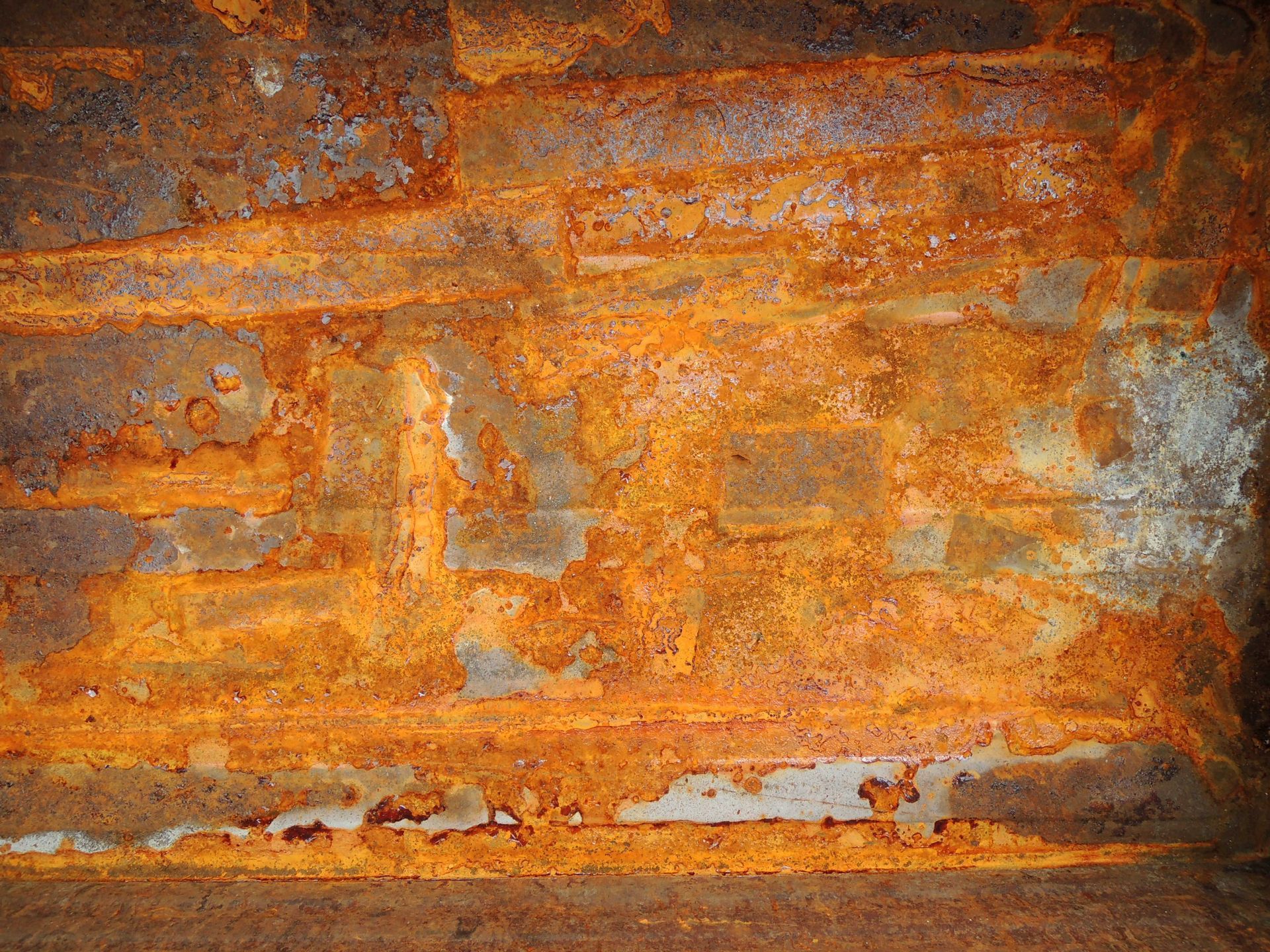
White rust. Zinc corrosion shows up as a white, chalky staining, especially on panels and posts that were stacked wet or stored outdoors. It has to be addressed during prep, not buried under powder. Coating over active zinc corrosion is asking for the finish to lift.
Insufficient profile. Powder needs a mechanical anchor. Fresh galvanizing can be slick and smooth, and powder applied to a slick surface relies on adhesion alone, which is not enough for outdoor service. Proper surface preparation creates the texture the powder grips.
Outgassing. Zinc and coatings can trap or release gases during the cure cycle, causing pinholes or blisters. Careful prep and baking practice help manage this. If you have read our piece on whether you can powder coat aluminum, outgassing is a familiar theme there too, and the same general caution applies to zinc.
What does failure actually look like? Peeling, flaking, and blistering early in the part's life, especially on outdoor Utah parts cycled through freeze-thaw, sprinkler spray, and road salt. It is not subtle.
How Prep Works on Galvanized Steel: What We Do Differently for Zinc
Inspection First, Then Blast
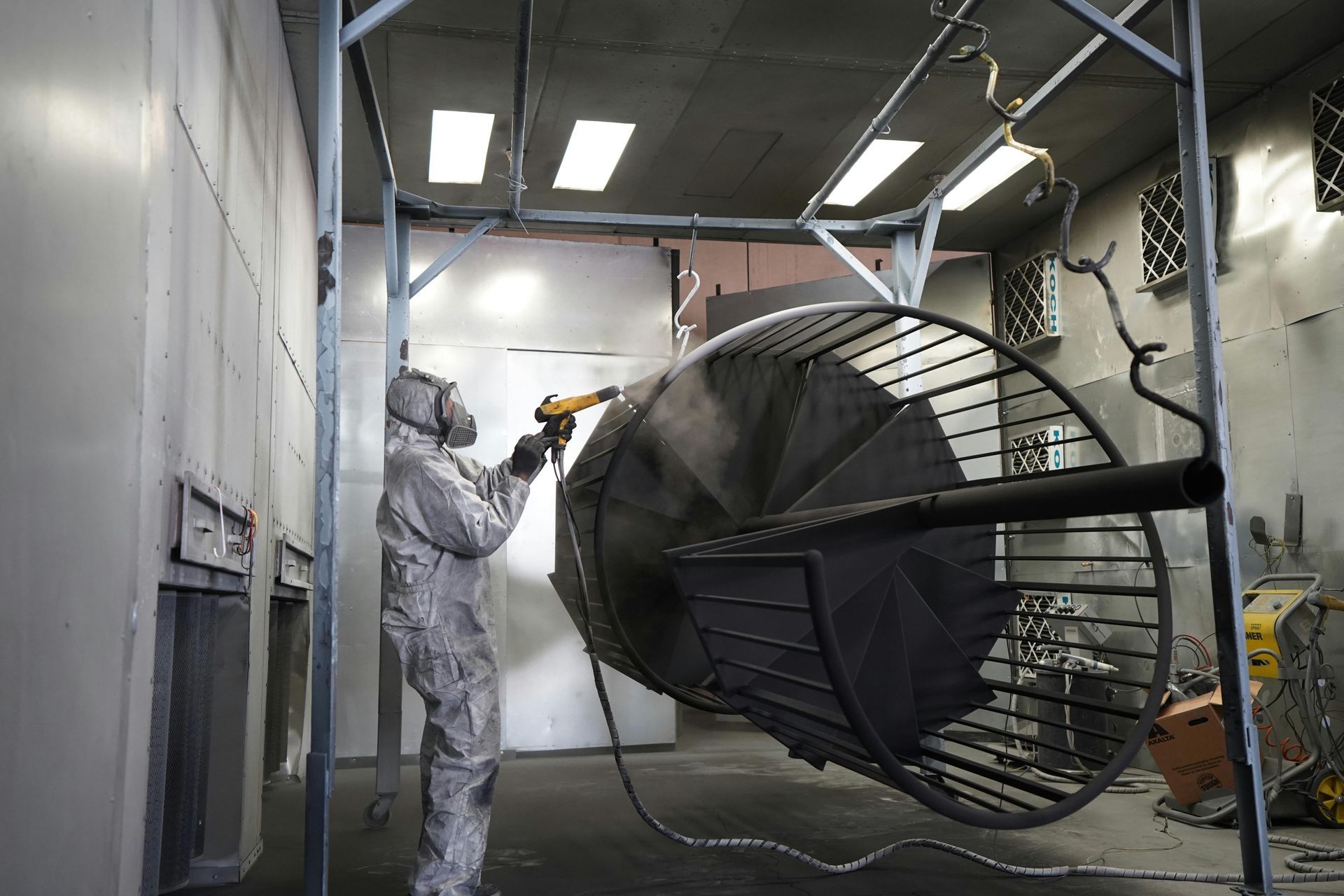
Every part that comes through our shop is inspected, then media blasted or sandblasted before coating. No exceptions. On galvanized steel, the blast approach respects that the zinc layer is the protection we are coating over, so the goal is to clean and profile, not remove.
You do not need to take our word for the industry standard here. ASTM D7803, the Standard Practice for Preparation of Zinc (Hot-Dip Galvanized) Coated Iron and Steel Product and Hardware Surfaces for Powder Coating, is the recognized practice for prepping hot-dip galvanized surfaces ahead of powder. Similarly, the American Galvanizers Association publishes guidance on preparing hot-dip galvanized steel for powder coating, including the duplex system concept we will touch on below. Those are external references for your own reading, not a paraphrase of our in-shop procedure.
Primer on Outdoor Metal
Primer is recommended on all outdoor metal, and galvanized assemblies going outside are no exception. Primer improves adhesion on zinc and adds a layer of corrosion resistance between the galvanizing and the powder topcoat.
One thing worth knowing before you request a quote: declining recommended blast steps or primer can create warranty voids on powder-coated surfaces. The details live on our warranty page, and we would rather you know that up front than find out after the fact.
When Powder Over Galvanized Is a Poor Fit
Sometimes the honest answer is that powder is the wrong call. Here are the situations where we would tell you so.
Parts that cannot leave the site. Powder coating happens in an oven. Installed fence lines, embedded posts, and site-built assemblies cannot come through a batch shop. Anything that cannot be broken down and brought to us is not a candidate.
Assemblies that trap moisture. Overlapping metals, non-seal welds, and capped tubes without weep holes are problems. During the bake cycle, trapped moisture gets pushed out and causes defects in the finish. These are warranty-relevant facts, not just cosmetic ones.
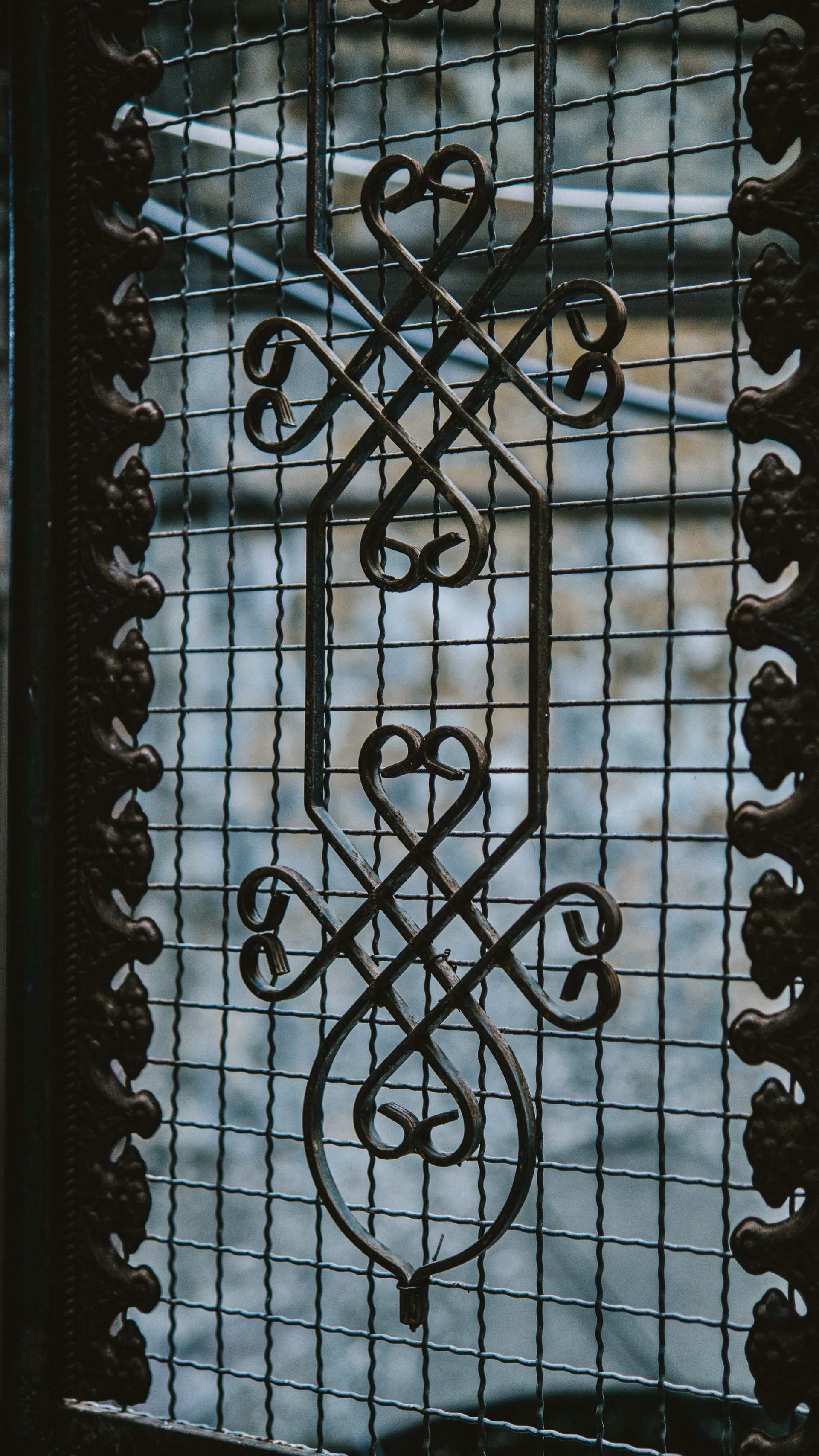
Handrails or fencing not welded solid. Incomplete welds and gaps affect how a part takes a finish and how it performs afterward. If the fabrication underneath is not right, the coating on top cannot save it. For outdoor ironwork context, see wrought iron powder coating.
Buyers who skip prep. The fastest way to a failed job is powder applied over dirty, unprofiled zinc. If someone wants to skip blast or primer to save a step, we would rather decline the job than coat a part that is destined to peel.
Some galvanized parts are genuinely better left as bare zinc. The zinc will weather and protect the steel for a long time on its own, and a specialist will say so when it is true.
Galvanized Fence Panels, Posts, and Outdoor Assemblies
Most people searching this question are homeowners with galvanized fence panels or railing, or fabricators building outdoor assemblies from galvanized components. If that is you, your parts will face freeze-thaw cycling, intense UV at elevation, sprinkler spray near lawn, and road salt along driveways. Those exposures are why prep decisions matter here, and why salt, chlorine, fertilizer, and sprinkler contact can affect warranty coverage. Scope those exposures out loud with us at quote time.
Two practical notes. First, sharp edges must be rounded before drop-off. We do not round edges in the shop, and sharp edges are a known weak point for powder film on any metal, galvanized included. Second, if you want deeper detail on fencing or railing specifically, we have dedicated pages on powder coating for fences and railings and gates.
Powder Coating vs Galvanizing: Which System Makes Sense?
Galvanizing is sacrificial corrosion protection. The zinc corrodes so the steel does not. Powder coating is a barrier and cosmetic finish. It protects by sealing the surface and gives you color and gloss options zinc never will. The two are not competitors. Applying powder over hot-dip galvanizing, often called a duplex system, is a recognized industry approach, and the AGA guidance linked above covers it well. We will not invent a proprietary process name for it here, because there is not one. It is simply good practice when the prep is right.
Galvanizing alone makes sense when appearance does not matter and the part lives a hard outdoor life. Powder alone on bare steel makes sense for indoor or sheltered parts, or when full corrosion protection is handled another way. The combination is the goal when you want outdoor durability and a finished look, which is what most fence and railing buyers are after.
Common Buyer Mistakes With Powder Coated Galvanized Steel
- Coating over dirty zinc. Oils, storage film, and white rust buried under a finish will come back to haunt you.
- Skipping blast and primer. The single most common cause of early peeling on outdoor parts.
- Expecting powder to fix bad welds. Slag, porosity, and sharp weld edges telegraph right through the finish, and we do not round edges.
- Dropping off assemblies with trapped moisture paths. Capped tubes without weep holes, non-seal welds, overlapping metal.
- Not flagging sprinkler, salt, or fertilizer exposure. It affects finish choice, prep plan, and warranty coverage.
- Bringing pre-galvanized parts without mentioning passivation. If your supplier applied a storage film, say so. Passivation is a real adhesion risk.
Quote Photos and Drop-Off Checklist
Photos make quotes faster and more accurate. Send overall shots of the parts, plus close-ups of any white rust or staining, weld areas, overlapping joints, end caps, and the condition of any existing coating. Part dimensions and quantity matter too, since our industrial-sized oven sets the size limits on what we can run, and fit gets confirmed at the estimate stage.
Before drop-off:
- Disassemble parts as far as practical
- Round sharp edges, since we do not
- Flag moisture-trapping features like capped tubes without weep holes
- Describe the end use and exposure, including sprinklers, salt, and indoor versus outdoor
The shop is in Sandy, behind Titan Cabinetry, at 9479 South 500 West, Sandy, UT 84070. Pickup and delivery within about 100 miles of Salt Lake City may be available for many jobs; confirm at quote.
Get a Quote on Powder Coating Galvanized Steel
If you have galvanized panels, posts, brackets, or an outdoor assembly and you want to know whether powder makes sense, request a free quote through our contact page, call 801.631.1708, or email service@fullblowncoatings.com. Photos help, especially shots showing rust staining or weld detail. Drop-off is at 9479 South 500 West, Sandy, UT 84070, behind Titan Cabinetry, and every part gets inspected before anything is coated, so you will get an honest read on your zinc before it ever sees the oven.
Share This Post!