Powder Coating Metal: Does the Type of Metal Matter When Powder Coating?
TL;DR
- Powder coating metal is not a one-size-fits-all process. The type of metal absolutely matters because different metals hold contamination differently, react differently to blasting and prep, and can require different pretreatment before coating.
- Mild steel is usually the most straightforward powder coating substrate, but it also rusts quickly if prep and protection are weak. Phosphate conversion coating is one of the most common pretreatments used on steel as a foundation for later coating.
- Aluminum can be an excellent powder coating metal, but its natural oxide layer means prep matters and conversion coatings are commonly used to improve adhesion and corrosion resistance.
- Stainless steel can be powder coated too, but it usually needs the right blasting and surface prep because its natural corrosion resistance does not automatically make it coating-ready.
- Galvanized steel is not treated the same way as raw steel. Because it is zinc-coated steel, it needs a more careful approach to prep and coating.
- If a project includes massive industrial machinery, the metal type matters even more because size, heat mass, visible finish quality, and long-term performance all become more demanding. Full Blown Coatings explicitly positions its process around blasting every part and handling large industrial work.
When you are powder coating metal, the type of metal matters more than most people realize. Powder coating is not just about choosing a color and spraying a finish. The substrate underneath affects how the part should be cleaned, how it should be blasted, whether it needs pretreatment, how the powder will bond, and how the finished coating will perform over time. If you are coating steel, aluminum, stainless steel, or galvanized metal, you are not really doing the same job four times. You are doing four slightly different jobs that need four slightly different levels of attention. Full Blown Coatings’ own process language reflects that mindset. On our Industrial and Commercial Powder Coating page, the company states that every part is inspected and sand blasted or media blasted before coating, and on its How Powder Coating Works page it explains that the final finish depends on electrostatic application and proper cure at roughly 350 to 400 degrees.
A useful expert quote from Full Blown Coatings gets right to the point: “When preparing any surface for powder coating, it is extremely important that the item you are coating is completely clean of oils, dirt, paint, rust and corrosion.” That line matters because it explains the real issue. Powder coating does not begin with color. It begins with the metal itself.
Why the Type of Metal Changes the Whole Job
At a glance, metal can look like metal. But in powder coating, different metals behave differently from the start.
Some metals arrive with heavy rust risk. Some develop oxide layers almost immediately. Some are already zinc-coated before you ever see them. Some are corrosion resistant but still poor candidates for coating unless the surface is prepared correctly. That is why a good shop does not treat every part the same way. Full Blown Coatings says on its Custom Powder Coating page that each coating job demands both functionality and originality, and that there is no one-size-fits-all approach. That matters even more when the difference is not just the shape of the part, but the metal itself.
If you want the finish to last, the substrate has to be part of the decision from the beginning.
| Coating Type | Typical Film Thickness (mils) | Typical Film Thickness (microns) | Heat Resistance (°F) | Exterior / UV Durability | Corrosion / Chemical Resistance | Main Pros | Main Cons | Best Use Cases | Notes | Source URLs |
|---|---|---|---|---|---|---|---|---|---|---|
| Standard Polyester Powder Coating | 2-5 mils; many powders target 2-3 mils | 51-127 microns; many target 51-76 microns | Planning range: up to ~300°F continuous for many standard powders; not a high-heat coating | General-duty exterior use; often AAMA 2603-level for architectural standard polyester systems | Good general corrosion resistance with proper blasting, prep, and cure | Good value; clean finish; broad color options; durable on general metal projects | Not the best choice for premium exterior retention or heavy UV exposure compared with super durable systems | Indoor metal; light exterior parts; brackets; furniture; general fabricated metal | Confirm exact temperature and exterior specs with the powder technical data sheet | https://www.prismaticpowders.com/knowledge-base/168/measuring-mil-thickness-in-powder-coating | https://ifscoatings.com/technical-guide/different-types-of-powder-coating/ |
| Super Durable Polyester Powder | 2-5 mils; product dependent | 51-127 microns; product dependent | Similar to standard polyester unless formulated as a high-temp specialty powder | Often AAMA 2604-level; some systems carry 10-year color and gloss warranties; can offer about 10x color and gloss resistance vs standard polyester depending on product line | Better exterior weathering, salt, humidity, and corrosion resistance than standard polyester | Strong Arizona exterior option; better color retention; better gloss retention; good for sun-exposed parts | Costs more than standard polyester; still requires correct blasting, prep, and cure | Arizona signs; railings; gates; exterior architectural metal; outdoor commercial metalwork | Excellent starting point for many outdoor Arizona metal projects | https://ifscoatings.com/architectural-coatings/ | https://ifscoatings.com/super-durable-powder/ |
| Epoxy Powder Coating | 2-5 mils; product dependent | 51-127 microns; product dependent | Not typically selected as a high-heat exposed finish unless specifically formulated | Poor outdoor UV performance; epoxies can chalk or fade outdoors | Excellent chemical resistance and corrosion resistance | Very hard; strong adhesion; excellent chemical resistance | Poor choice as an exposed outdoor topcoat in Arizona sun | Indoor industrial parts; primers; protected metal; chemical-resistance applications | Good chemistry in the right environment, but usually not a final exterior topcoat | https://ifscoatings.com/technical-guide/different-types-of-powder-coating/ |
| Epoxy-Polyester Hybrid Powder | 2-5 mils; product dependent | 51-127 microns; product dependent | Not generally a high-heat coating unless specifically formulated | Limited exterior weatherability; typically used indoors | Good functional properties; generally less corrosion and chemical resistance than pure epoxy | Smooth appearance; economical; good cosmetic finish | Not ideal for full-time Arizona exterior exposure | Indoor furniture; shelving; appliances; interior metal parts | Best treated as an interior-use powder family unless the product data sheet says otherwise | https://ifscoatings.com/technical-guide/different-types-of-powder-coating/ |
| Fluoropolymer Powder Coating | 2-5 mils; product dependent | 51-127 microns; product dependent | Not automatically a high-heat coating unless specified | Often AAMA 2605-level; some architectural systems carry 20-year color and gloss warranties | Premium exterior corrosion and weathering performance | Best long-term exterior retention; high-end architectural performance | More expensive; more specialized; may require certified applicator systems | High-spec exterior architectural metal; commercial facades; premium signs; panels; louvers | Use when long-term architectural exterior performance matters most | https://ifscoatings.com/architectural-coatings/ |
| High-Temperature Powder Coating | Product dependent; often similar powder build unless specified | Product dependent | Interpon HT product range lists 392°F-1022°F depending on product | Depends heavily on chemistry and pigment system | Built for heat; corrosion performance varies by product and prep | Handles heat far beyond standard powder systems | Limited color and finish options compared with decorative powders | Exhaust-adjacent parts; grills; heat shields; industrial heat-exposed components | Use a technical data sheet for the exact heat rating and cure schedule | https://www.interpon.com/be/en/products/industrial/interpon-ht |
| Cerakote H-Series Ceramic Coating | About 1 mil on many H-Series products | About 25 microns on many H-Series products | Many H-Series products list about 500°F maximum temperature or 500°F+ coating stability | Strong specialty coating performance; product dependent | Excellent chemical resistance on many products | Thin film; useful for tight tolerances; good wear and chemical resistance | Not always the best fit for large fabricated steel or thick decorative architectural finishes | Specialty parts; hardware; performance parts; tight-tolerance components | Good candidate when coating thickness matters | https://www.cerakote.com/shop/cerakote-coating/H-900/electrical-barrier |
| Cerakote C-Series / Glacier Ceramic Coating | About 1 mil on many products | About 25 microns on many products | Many C-Series and Glacier products are rated up to 1800°F | C-Series is air cure; product lines often emphasize UV stability and outdoor performance | Extremely high chemical resistance on many C-Series products | Best fit for high-heat parts; strong thermal performance; thin film | More specialized; not always necessary for gates, signs, trailers, or large decorative metal | Exhaust systems; headers; high-heat automotive parts; specialty industrial components | Use for high-heat applications where standard powder would not fit the environment | https://www.cerakote.com/shop/cerakote-coating/C-7600/cerakote-glacier-black |
| Liquid Paint | Varies widely by paint system and number of coats | Varies widely by paint system and number of coats | Product dependent; standard paint is not normally selected for rugged high-heat metal finishing | Product dependent; can fade, chip, or require more maintenance than powder on many metal projects | Product dependent | Easy field touch-up; flexible for some assemblies; no oven required | Runs, sags, chips, and shorter finish life are more common compared with quality powder coating on many metal applications | Field repairs; touch-ups; parts that cannot be oven cured | May still be the right choice when oven curing is not possible | Product specific technical data sheet required |
Steel: The Most Common Powder Coating Metal
Mild steel is one of the most common powder coating substrates because it is widely used, structurally strong, and relatively straightforward to prep when handled correctly. It is a good fit for everything from fabricated brackets and machinery frames to gates, railings, and industrial supports. The tradeoff is that bare steel is highly vulnerable to rust if it is not protected well. That is one reason surface prep is so important. Phosphate conversion coating is one of the most common pretreatments used on steel parts because it creates an adhering layer that improves corrosion resistance and serves as a foundation for later coating.
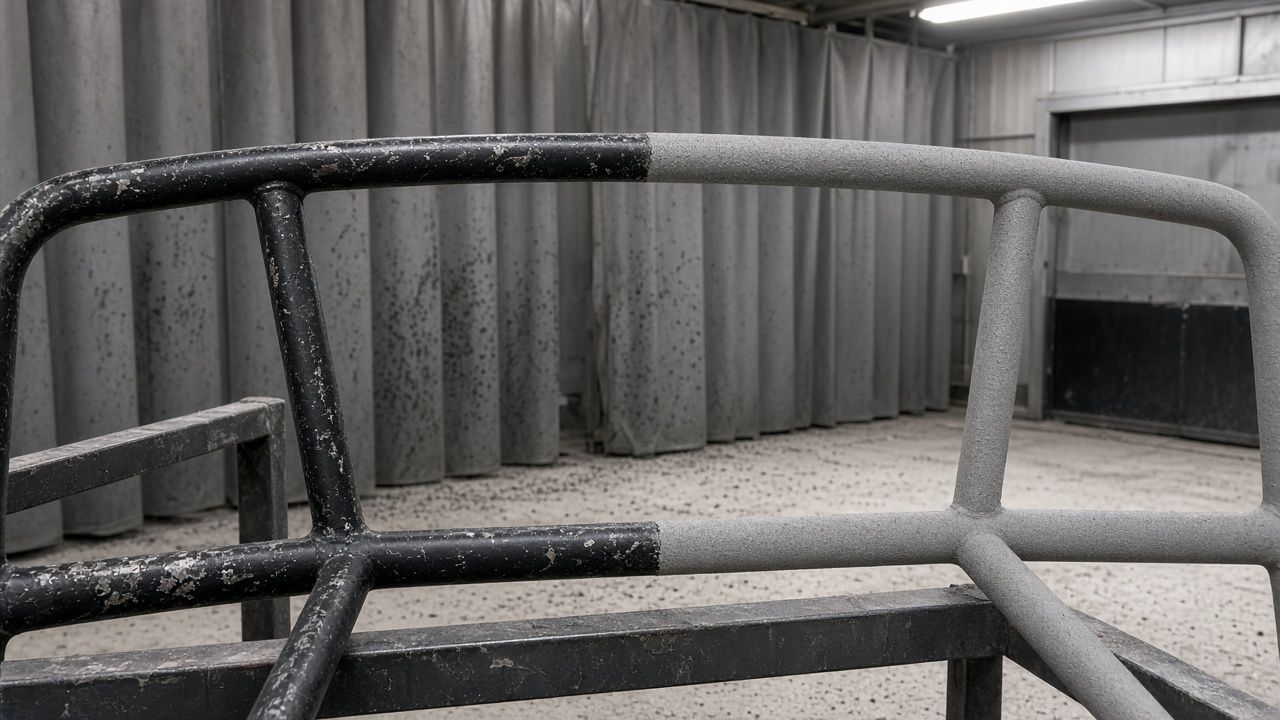
In practical terms, steel is often the substrate that most clearly shows the value of blasting. On Full Blown Coatings’ Media Blasting and Sand Blasting Services pages, blasting is treated as a major prep step because it removes oxides, old finish, rust, and other surface contaminants. That is exactly what steel usually needs before a high-performing powder coat goes on.
If the job is steel, you are usually dealing with the most familiar powder coating path, but that does not mean prep can be casual.
Aluminum: Excellent for Powder Coating, but Not the Same as Steel
Aluminum is often an excellent candidate for powder coating, especially when you want a lighter part with strong corrosion resistance and a clean finished look. But aluminum should never be treated exactly like steel during prep. One of the big reasons is that aluminum naturally forms an oxide layer. That oxide layer is part of why aluminum resists corrosion so well, but it also means prep and pretreatment matter if you want the coating to bond and perform reliably. Conversion coatings are commonly used on aluminum to improve corrosion resistance and support later coating adhesion. Chromate conversion coatings and other conversion systems are widely used on aluminum and other metals for exactly that reason.
This becomes especially important on aluminum parts that will be visible or high-value. A shop that understands aluminum will think differently about cleaning, blasting pressure, and pretreatment than it would on a basic steel bracket. That is one reason the Custom Powder Coating mindset matters so much. Different materials ask for different decisions.
If your part is aluminum, the answer is not “can it be powder coated?” The answer is usually yes. The better question is whether the shop is prepping it like aluminum instead of pretending it is steel.
Stainless Steel: Powder Coating Can Work, but the Substrate Still Matters
A lot of people assume stainless steel does not need powder coating because it already resists corrosion. In some cases that is true. If the goal is purely corrosion resistance, stainless may not need a decorative finish at all. But in many projects you still may want powder coating on stainless because you want:
- a specific color
- a consistent appearance across mixed materials
- extra surface protection
- a more finished or architectural look
The mistake is assuming that corrosion resistance means coating readiness. It does not. Stainless still needs to be cleaned and prepped correctly if you want a powder coat to bond well. Full Blown Coatings’ prep language on its industrial page applies here too: the surface has to be completely clean of oils, dirt, old finish, rust, and corrosion before coating.
So yes, stainless can be powder coated. But if you want the finish to actually hold, the prep still has to respect the metal.
Galvanized Steel: Where the Type of Metal Really Starts to Matter
Galvanized steel is where many coating jobs get more complicated. Galvanized steel is essentially zinc-coated steel, not raw steel. That zinc layer changes how the surface behaves and how it should be prepared. Pre-painted galvanized steel products already exist in industrial manufacturing because zinc-coated steel is commonly finished after galvanizing. But that does not mean you treat galvanized steel the same way you treat bare steel in a custom powder coating environment.
Chromate conversion coatings are commonly applied to zinc surfaces and galvanized parts to improve durability, and galvanized steel itself has temperature-related considerations because the zinc coating behaves differently under heat than raw steel. Since powder coating cure typically runs around 350 to 400 degrees Fahrenheit at Full Blown Coatings, understanding the zinc-coated substrate matters.
If you are bringing galvanized metal to a shop, you do not want a generic answer. You want a shop that immediately understands that galvanized is its own category.
A Project Story That Shows Why Metal Type Matters
A good example is a project we had like this.
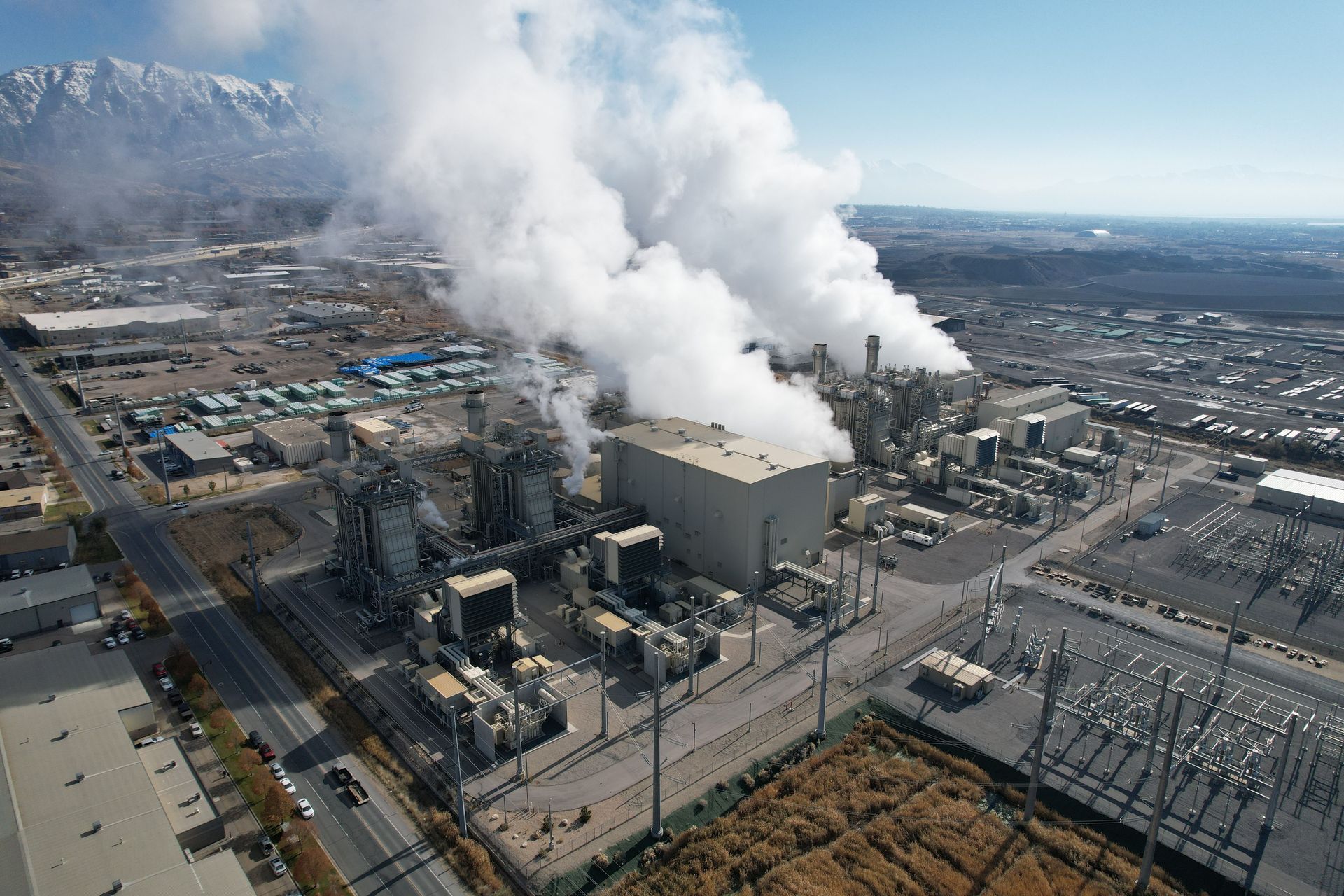
A Utah factory had several pieces of massive machinery that needed to be refinished before installation. These were not small parts. They were large, heavy, highly visible machine sections that would live in a real industrial environment. The equipment included mostly fabricated steel, but some sections included lighter panel components and mixed-metal details. On paper, it might have looked like one simple industrial powder coating order. In practice, it was a material-sensitive project from the beginning.
At Full Blown Coatings, jobs like this make the substrate question obvious very quickly. The larger the equipment, the harder it is to hide weak prep or inconsistent coating. On a small bracket, a minor inconsistency may go unnoticed. On huge machine housings and support structures, every visible shift in surface condition becomes easier to spot.
The steel sections moved through the kind of blasting and prep process you would expect from a serious industrial coating job. Our Industrial and Commercial Powder Coating page specifically notes that it can handle large equipment and bulk industrial orders, and that every part is inspected and blasted or media blasted. On a big machinery project, that kind of process discipline matters because the finished equipment has to look like one coordinated system, not a patchwork of parts.
Where the mixed-metal sections came in, the process had to stay material-aware. The lighter pieces could not simply be treated as if they were all the same substrate as the heavier structural sections. That is the real answer to the metal question. The type of metal may not always change whether powder coating is possible, but it absolutely changes how the job should be done.
By the time the machinery was finished, the equipment did not just look coated. It looked intentional. The finish made the fabrication feel complete, and the project proved the same lesson that shows up again and again in industrial work: the more important the equipment, the more the substrate matters.
What to Ask Before You Powder Coat Metal
If the metal type matters, then the questions you ask should reflect that.
Ask:
- What metal am I actually working with?
- Does it need blasting only, or blasting plus pretreatment?
- Is it steel, aluminum, stainless, or galvanized?
- Are there any mixed-metal parts in the same assembly?
- Will the environment change what finish system makes sense?
A shop that takes metal type seriously should be able to explain the process clearly. Full Blown’s service structure around How Powder Coating Works, Media Blasting, Sand Blasting Services, Industrial and Commercial Powder Coating, and Custom Powder Coating is useful for exactly that reason. It frames the finish as a complete system instead of a one-step color add-on.
Final Thoughts
When you are powder coating metal, the type of metal matters because the coating only performs as well as the surface and substrate allow. Steel, aluminum, stainless steel, and galvanized metal can all be powder coated, but they should not all be handled the same way. Prep, blasting, pretreatment, and process control all shift depending on the substrate.
That is why the best powder coating jobs do not start with color. They start with the metal. Once that part is understood, the rest of the process has a much better chance of producing a finish that not only looks right, but lasts the way it should.
Share This Post!