Chrome Powder Coat: What We Recommend to Powder Coat Chrome | Use Cases
TL;DR
- Can you powder coat things chrome? Yes. A chrome powder coat can give steel, aluminum, and other heat-tolerant metal parts a bright silver, reflective, chrome-inspired finish.
- Does chrome powder coat look exactly like real chrome? No. It typically looks closer to polished silver or bright aluminum than true mirror-finish chrome plating.
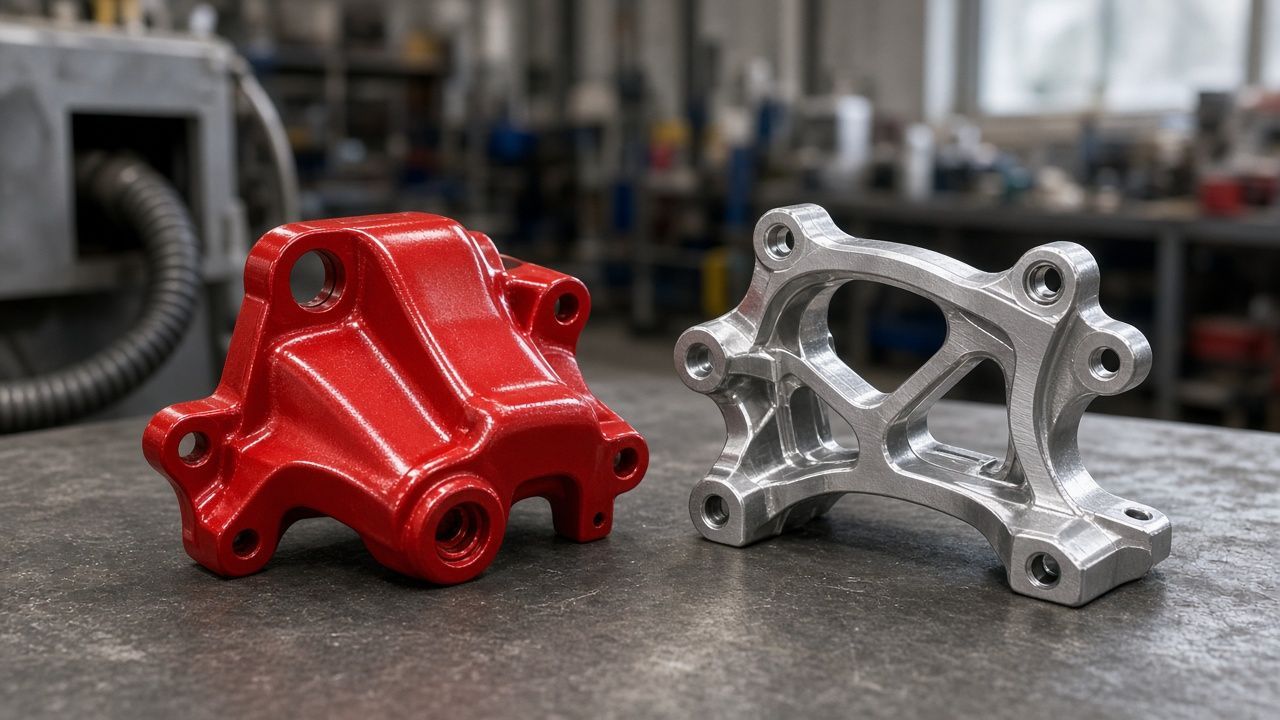
- What is chrome powder coat mostly used on? Common applications include wheels, valve covers, motorcycle components, furniture frames, retail displays, decorative hardware, signs, and indoor architectural accents.
- Why is chrome powder coat a good choice? It offers a bold metallic appearance, broad part compatibility, and the durability of a properly prepared and cured powder coating system.
- Does it need a clear coat? Some chrome-effect powders need or benefit from a compatible clear coat, especially in demanding environments. Clear can improve protection but may reduce reflectivity.
- Can it be used outdoors? Sometimes. You must choose a powder system rated for exterior exposure instead of assuming every chrome powder will resist UV, moisture, and weather.
- Is chrome powder coat suitable for exhaust parts? Standard powder is generally not the right choice for extreme-temperature exhaust components. Those parts may need a heat-rated ceramic coating.
Chrome powder coat gives metal parts a bright, reflective, chrome-inspired finish without requiring the traditional electroplating process. It can be an excellent option when you want more visual impact than standard silver powder but do not necessarily need the exact mirror depth of real chrome plating. Before choosing it, you should understand how the finish behaves, what it looks like in real-world lighting, and why surface preparation has such a major effect on the final result.
You can learn more about the complete process through Full Blown Coatings’ guides to how powder coating works, media blasting.
The most important expectation to establish is that chrome powder coat is not the same finish as chrome plating. A high-quality chrome powder can appear bright, reflective, and almost liquid under direct light, but it generally resembles polished aluminum or highly reflective silver more than a perfect mirror.
As Full Blown Coatings often explains, “Great powder coating starts with great blasting.” Reflective finishes make that point especially clear because they tend to reveal scratches, pitting, corrosion, grinding marks, and uneven fabrication that darker or textured powders may conceal.
What Is Chrome Powder Coat?
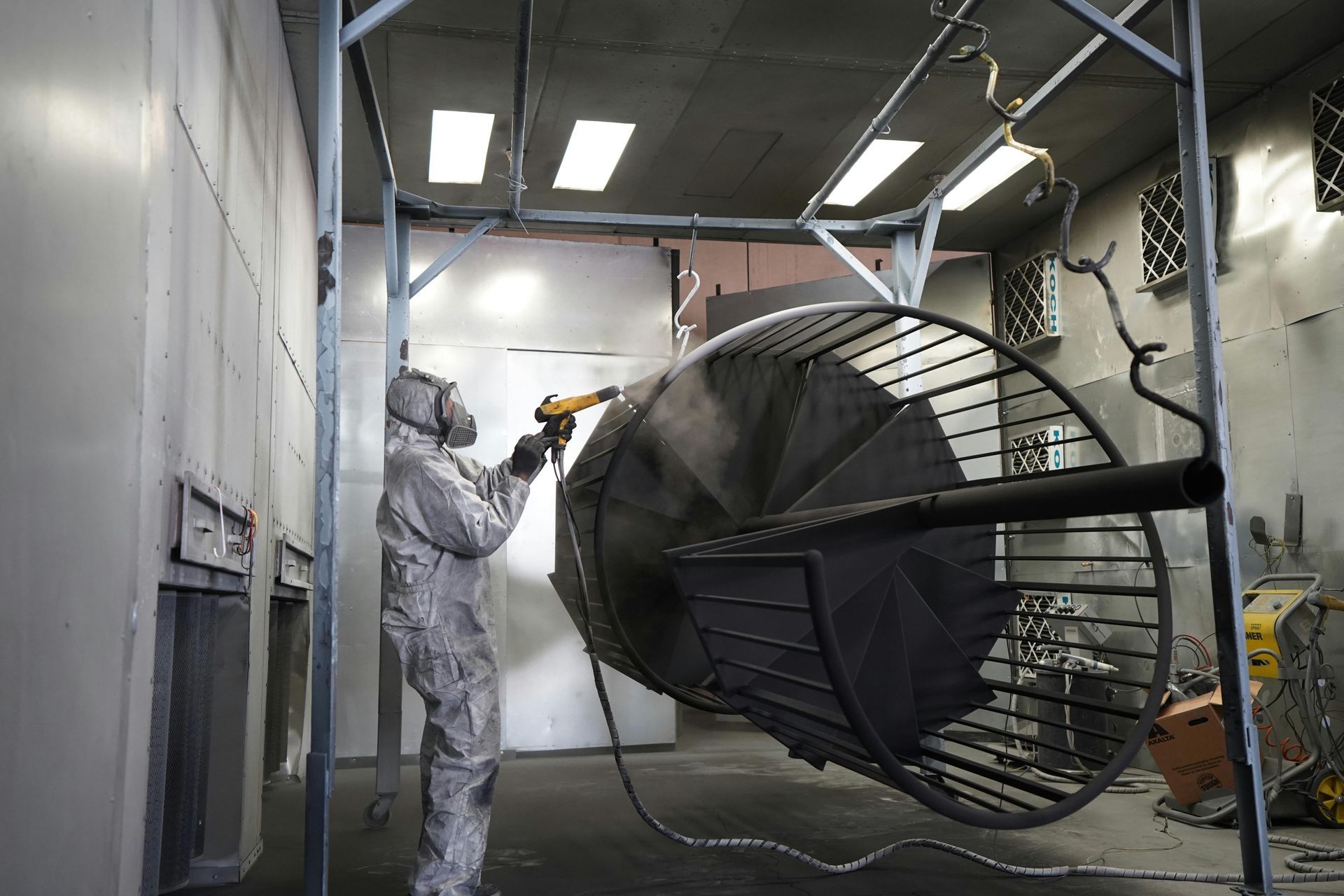
Chrome powder coat is a metallic-effect powder applied electrostatically to a grounded metal part. Once the powder has been applied, the part is placed in a curing oven. The heat causes the powder to melt, flow together, and chemically form a continuous coating.
The word “chrome” refers to the appearance of the finish. It does not mean that a layer of chromium metal is being deposited onto the part.
Depending on the powder formulation, the finished surface may resemble bright silver, polished aluminum, liquid metal, smoky chrome, dark chrome, or satin metallic silver. Some chrome powders are designed to serve as reflective base coats beneath translucent colors such as candy red, candy blue, or tinted gold.
The appearance can vary considerably depending on the lighting. Under direct lighting, the finish may look highly reflective and brilliant. In softer indoor lighting or shade, it may appear darker, grayer, or more like conventional metallic silver. This is why judging chrome powder from an online color swatch alone is rarely a good idea.
Can You Powder Coat Things Chrome?
You can apply chrome-effect powder to many metal parts as long as the substrate is suitable for powder coating and the component can tolerate the curing temperature.
Steel, stainless steel, aluminum, cast aluminum, and cast iron are commonly powder coated. Previously painted or powder-coated parts may also be refinished after the old coating is removed. Previously chrome-plated parts can sometimes be coated, but they require a careful inspection first.
Existing chrome plating creates a special challenge because it is extremely smooth. Powder should not simply be sprayed over untreated plating and expected to hold. The surface may need to be stripped, blasted, or mechanically prepared to create enough profile for the new coating system. If the plating is already peeling, bubbling, or corroding underneath, those problems must be addressed before any new finish is applied.
Heat-sensitive components also need to be removed before coating. Rubber seals, plastic inserts, bearings, electronics, adhesives, and some assembled hardware may not tolerate the oven cycle. A professional shop should evaluate the complete part rather than focusing only on its exterior metal surface.
Is Clear Coat Over Polished Metal Better Than Chrome Powder Coat?
In some situations, applying a clear coat over polished metal may be a better choice than using chrome powder coat. The right answer depends on the metal, the condition of the surface, the environment, and how closely you want the finish to resemble real polished metal.
When you apply chrome-effect powder, the coating creates the metallic appearance. When you clear coat polished aluminum, stainless steel, or another suitable metal, the actual substrate creates the appearance and the clear coating is intended to protect it. This can produce a more natural metallic depth because you are looking through the clear layer at real polished metal rather than at metallic pigments inside an opaque powder coating.
When Clear Over Polished Metal May Look Better
Clear coating may be the stronger aesthetic choice when the part already has an attractive, uniform polished surface. Polished aluminum trim, stainless furniture components, decorative panels, and certain automotive accents can retain more of their natural metallic character under a transparent coating.
This approach may give you sharper reflections and a more authentic metal appearance than chrome powder coat. Chrome-effect powder can be bright and reflective, but it usually resembles highly polished silver or aluminum rather than true mirror-finish chrome.
Clear coating can also eliminate the need to recreate a metallic effect with pigment. The quality of the finish instead depends on the quality of the polishing. If the metal has sanding marks, cloudy areas, oxidation, pitting, or inconsistent polishing, those defects will remain visible beneath the clear.
The Adhesion Challenge
The biggest problem with clear coating polished metal is adhesion.
Polishing makes metal smooth and reflective, but powder coating generally benefits from a clean, properly prepared surface with enough profile for the coating to bond. The smoother the surface becomes, the less mechanical grip it may provide.
This creates a difficult balance. Aggressive blasting or sanding can improve adhesion, but it also destroys the polished appearance you are trying to preserve. A professional shop may need to use a specialized cleaning, conversion treatment, adhesion-promoting system, or clear coating specifically designed for polished metal.
The exact process depends on whether the substrate is aluminum, stainless steel, brass, steel, or another alloy.
You should not assume that a general-purpose clear powder can be applied directly to every polished surface.
Clear Coat Can Change the Appearance
Even a colorless coating is not always visually invisible.
A clear coat may slightly darken polished metal, add warmth, reduce reflection sharpness, or alter the perceived depth of the surface. The change may be minor, but it can become noticeable when the coated piece sits next to uncoated polished metal.
Film thickness also matters. A heavy clear layer may make the surface look more like it is covered in glass or plastic. A poorly applied clear may show orange peel, contamination, cloudiness, or uneven gloss.
For a high-visibility project, you should ask the coating shop to prepare a polished sample using the exact clear system being considered. Evaluate it next to an untreated sample under direct sunlight and indoor lighting.
What About Clear Coat Over Actual Chrome Plating?
Actual chrome-plated metal is different from polished bare aluminum or stainless steel.
Intact chrome plating is extremely smooth and resistant to corrosion. In many situations, it does not need an additional clear coat. Applying powder or liquid clear directly over polished chrome may create adhesion problems unless the surface is specially prepared.
Preparation may require etching or abrading the chrome, which can reduce the reflective appearance. If the plating is already peeling, bubbling, or corroding, a clear coat will not stop the underlying failure. The unstable plating normally needs to be stripped or repaired before another finish is applied.
Clear coating may make sense on certain decorative chrome surfaces when the coating manufacturer provides an approved system, but it should not be treated as a universal way to preserve failing chrome.
When Chrome Powder Coat Is the Better Choice
Chrome powder coat may be the more practical choice when the original metal is rough, inconsistent, repaired, or unattractive. It gives the shop a controlled metallic color rather than relying entirely on the appearance of the bare substrate.
It can also be easier to reproduce across several fabricated parts. Polishing multiple weldments to an identical reflective finish can require substantial labor. Applying the same chrome-effect powder system can produce better color consistency across the group, although surface defects still need to be corrected.
Chrome powder is also useful when you want dark chrome, smoked silver, satin chrome, or a reflective base beneath a translucent color. Those effects cannot be created simply by clear coating bare metal.
Which Option Should You Choose?
Choose clear over polished bare metal when the substrate is attractive, the polishing is consistent, and preserving the natural appearance of the metal is your priority.
Choose chrome powder coat when you want a controlled chrome-inspired color, need consistency across multiple parts, or do not have a substrate attractive enough to display under a clear finish.
Choose traditional chrome plating when you need true mirror depth, restoration-correct appearance, or an exact match to existing plated components.
Before deciding, have the shop compare three physical samples whenever possible: polished metal with clear, chrome powder with clear, and actual plated chrome. Seeing them under real lighting will tell you more than any product name or online swatch.
Does Chrome Powder Coat Look Like Real Chrome?
Chrome powder coat can look impressive, but it should not be sold as an exact substitute for electroplated chrome.
Traditional chrome plating is an electrochemical process that deposits thin layers of metal onto a carefully polished substrate. Decorative plating may include copper, nickel, and chromium layers, depending on the specification. When the surface preparation and plating are done well, the result can produce deep, sharp reflections similar to a mirror.
Chrome powder works differently. The finish contains metallic-effect pigments suspended within the cured film. These pigments reflect light, but they do not usually create the same optical depth or crisp image reflection as plated metal.
You may see shapes, movement, light sources, and surrounding colors reflected in chrome powder, but you may not see the clear detail you would expect from polished decorative chrome. For many projects, that difference is acceptable. For others, especially restoration work or projects that must match existing plated parts, it may be significant.
A physical sample is the best way to avoid confusion. Ideally, you should review a sample sprayed over a substrate similar to your actual part. You should also view it in direct sunlight, shade, indoor lighting, and under the type of lighting where the finished piece will normally be used.
Why Surface Preparation Matters So Much
Every powder coating job depends on proper preparation, but chrome-effect finishes are particularly unforgiving.
A black texture or dark satin finish can visually soften minor flaws. A reflective silver finish tends to emphasize them. Deep scratches, corrosion pits, welding marks, casting texture, dents, and grinding lines may all become easier to see once chrome powder is applied.
The preparation process usually begins with removing the existing finish, rust, oxidation, oil, and surface contamination. Depending on the part, this may involve chemical stripping, media blasting, degreasing, sanding, grinding, or a combination of methods.
Media blasting is valuable because it removes unstable material and creates a more consistent surface for coating. However, blasting must be matched to the desired appearance. If the abrasive is too coarse or the surface profile is too deep, that texture may remain visible through the final chrome finish.
This creates a balancing act. The surface needs enough profile for reliable adhesion, but it also needs to be smooth enough to support a reflective appearance.
On some projects, blasting is only the first preparation stage. The part may also need weld blending, metal repair, sanding, or smoothing before coating. Powder coating is not a filler. It follows the shape and texture of the metal underneath it.
At Full Blown Coatings, this is often one of the first conversations on a reflective project. A customer may bring in an older part expecting the chrome powder itself to create a polished look. Once the previous coating is removed, corrosion pits or rough fabrication may become visible. At that point, the customer can decide whether to invest in additional surface correction or choose a finish that better complements the existing texture.
What Is Chrome Powder Coat Mostly Used On?
Automotive Wheels and Components
Chrome powder is popular for automotive projects because it creates a more reflective appearance than standard silver while offering the protection of a cured powder finish.
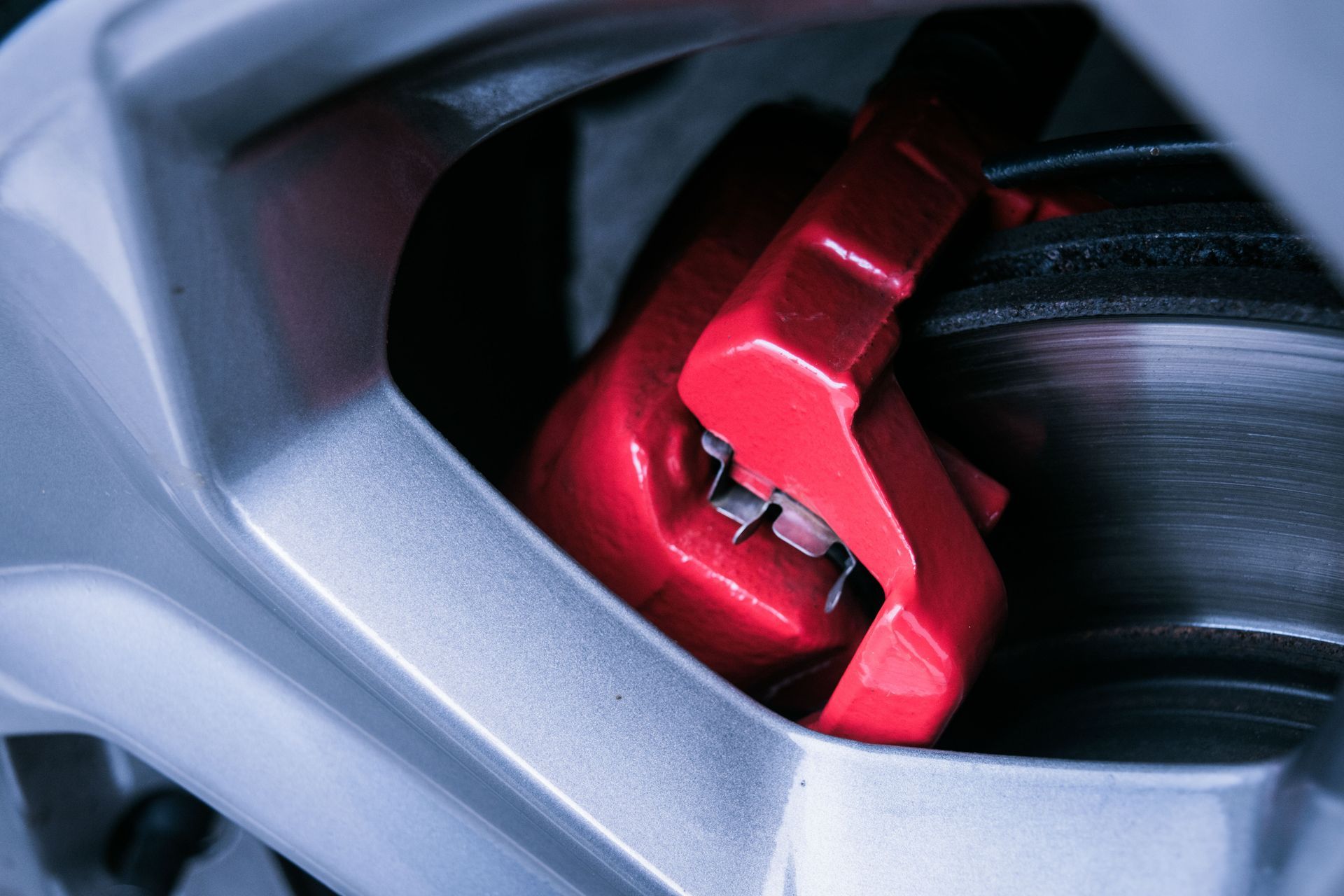
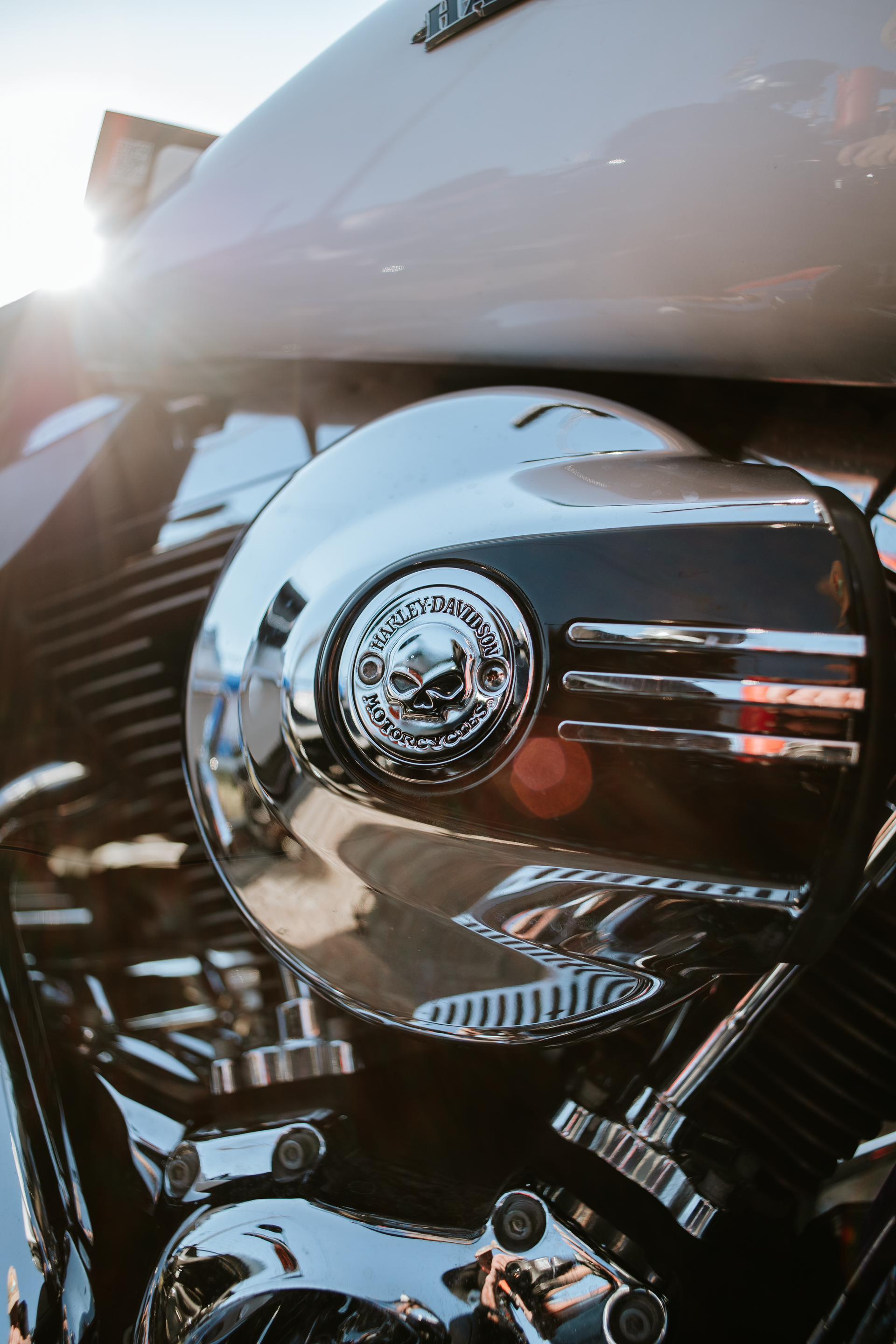
Common applications include wheels, valve covers, engine brackets, intake components, decorative suspension parts, interior trim, motorcycle covers, and show-car hardware.
For wheels, the coating system must be chosen carefully. Wheels are exposed to brake dust, road debris, moisture, deicing chemicals, cleaning products, heat cycles, and potential damage during tire installation. A chrome powder designed only for indoor decoration is not automatically a good choice for automotive wheels.
If you are coating wheels, ask whether the chrome powder is rated for exterior exposure, whether a clear coat is required, and how that clear coat will affect the appearance.
Furniture and Interior Metalwork
Indoor furniture is often one of the strongest use cases for chrome powder coat.
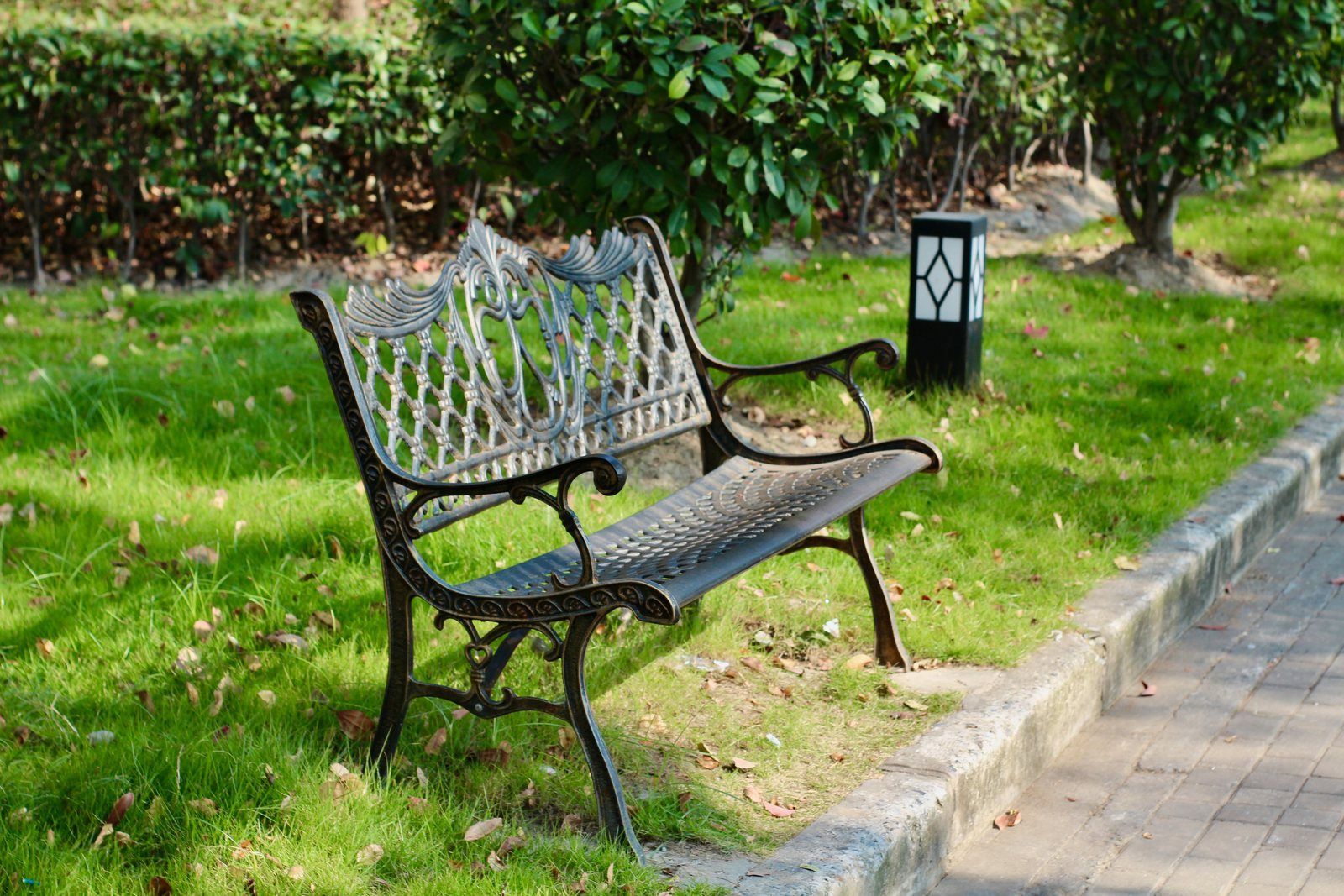
Table bases, chair frames, shelving, display stands, decorative legs, and hardware can all benefit from a bright metallic finish. Because these parts are usually protected from direct sunlight, road salt, standing water, and severe weather, appearance can take priority over extreme environmental performance.
Chrome powder can also be useful on fabricated pieces that would be difficult or expensive to electroplate. A large welded table base, for example, can be blasted, prepared, coated, and cured as a complete assembly if it fits the shop’s equipment.
Retail Displays and Commercial Fixtures
Chrome-effect powder is well suited to clothing racks, product displays, sign frames, kiosks, hospitality fixtures, shelving, and decorative commercial metal.
One advantage is consistency. A powder coating shop can finish multiple fabricated pieces in the same coating system, helping the complete installation look coordinated. This can be useful when a business needs a bright premium appearance across a large group of fixtures.
The final finish still needs to match the way the fixture will be used. A display that is handled constantly may need a protective clear coat or a slightly less reflective finish that is easier to maintain.
Decorative Automotive and Powersports Parts
Motorcycle covers, guards, brackets, trim pieces, and decorative frame components can work well in chrome powder.
The key word is decorative. Standard powder should not be applied to brake surfaces, bearing areas, gear teeth, sealing faces, or components exposed to constant friction. These areas should usually be masked or left uncoated.
The same caution applies to extreme-temperature exhaust parts. Headers, exhaust manifolds, turbo housings, and similar components can exceed the service temperature of ordinary powder coating. A heat-rated ceramic coating may be a better choice for those applications.
Architectural Accents
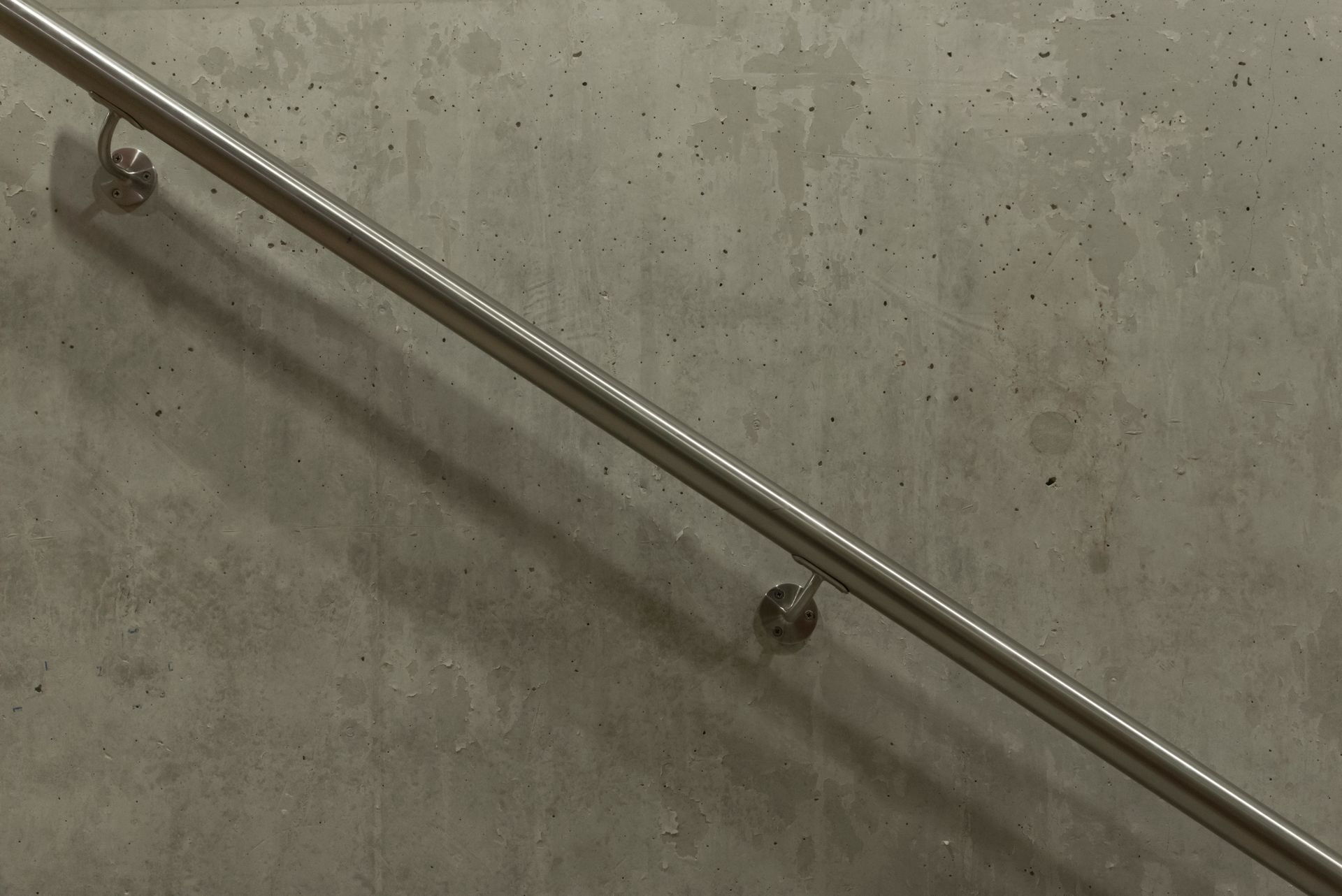
Chrome powder coat can be used on interior rail details, decorative panels, lighting components, metal trim, reception-area accents, and sign elements.
These projects can produce a polished modern appearance without requiring every fabricated section to go through a plating process. The finish can be especially effective when combined with glass, dark wood, stone, or matte black metal.
Exterior architecture requires more scrutiny. The powder chemistry must be suitable for ultraviolet exposure, moisture, temperature changes, and the local environment. The name “chrome” only describes the appearance. It does not guarantee weather resistance.
Does Chrome Powder Coat Need a Clear Coat?
Some chrome powders require a compatible clear coat, while others may be used without one in limited applications. The manufacturer’s instructions should determine the correct system.
A clear powder may help protect the metallic effect from handling, oxidation, chemicals, moisture, and environmental exposure. It can also add depth or create a tinted appearance.
The tradeoff is that a clear coat often changes the way chrome powder looks. It may slightly darken the surface, shift it toward gray, or reduce the sharpness of the reflection. This happens because light must pass through another coating layer before reaching the reflective pigments underneath.
You should not approve the chrome color and assume the clear will be visually neutral. Ask the shop to show you cleared and uncleared samples. The appearance of the final coating system is what matters, not the appearance of the chrome base by itself.
Why Is Chrome Powder Coat a Good Choice?
Chrome powder coat can be a practical choice when you want a bright metallic appearance without committing to traditional plating.
It can accommodate complex fabricated shapes, large assemblies, and multiple matching pieces. It also allows you to coordinate chrome-inspired parts with other powder-coated colors and textures.
The finish can provide good resistance to ordinary handling, moisture, and wear when the substrate is properly prepared and the correct powder system is used. It also opens the door to special effects that conventional chrome plating cannot easily reproduce, including dark chrome, smoky metallics, tinted clears, and translucent candy colors.
Another advantage is repair and refinishing flexibility. Although powder coating is not easy to patch invisibly, a part can often be stripped and recoated later if you want to change the color or refresh the finish.
When Chrome Powder Coat Is Not the Right Choice
Chrome powder is not ideal for every project.
You may be better served by real chrome plating if you need a true mirror finish, an exact match to existing plated components, or a restoration-correct appearance.
You may also want another powder finish if the part is heavily pitted or rough. A bright reflective coating can highlight every imperfection, while a textured black, metallic gray, or satin silver may produce a more attractive result on imperfect metal.
Chrome-effect powder may also be a poor choice when the available product is not rated for the intended environment. Some bright chrome powders are designed primarily for indoor decoration. Using them outdoors can lead to fading, discoloration, or reduced performance.
Parts exposed to heavy abrasion, extreme heat, repeated impact, or metal-on-metal contact may need another coating system entirely.
How to Choose the Right Chrome-Look Finish
Start by deciding what “chrome” means to you.
Do you want a true mirror, bright polished silver, dark smoky chrome, satin metallic, or a reflective base under a translucent color? Those are different outcomes and may require different products and coating systems.
Next, consider where and how the part will be used. Tell the coating shop whether it will be indoors or outdoors, whether it will be handled frequently, and whether it will face moisture, chemicals, ultraviolet light, heat, or impact.
Ask to review physical samples. If appearance is especially important, request a test panel using the complete coating system, including any primer or clear coat.
You should also discuss masking. Threads, bearing areas, mating surfaces, lug seats, hub faces, sealing areas, and electrical grounding points may need to remain coating-free.
Final Thoughts
Chrome powder coat can give metal parts a bright, distinctive, chrome-inspired appearance while providing the benefits of a professionally prepared and cured powder coating system.
It is commonly used on wheels, automotive accents, motorcycle parts, furniture, retail fixtures, signs, displays, and architectural details. It can also serve as a reflective base under translucent or candy-style powders.
Its limitations are just as important as its advantages. Chrome powder does not perfectly duplicate electroplated chrome. Reflective finishes expose surface defects, clear coats may reduce brightness, and some chrome powders are not designed for outdoor use.
The best result comes from matching the powder, preparation method, substrate condition, clear coat, and exposure requirements to your actual project. When those factors are handled correctly, chrome powder coat can deliver a durable finish that looks intentional, polished, and far more distinctive than ordinary silver.
Share This Post!