Aluminum Oxide Media Blasting What is it? What are its Use Cases?
TL;DR:
- What is aluminum oxide? Aluminum oxide, also called alumina, is a hard ceramic material used as an abrasive because its sharp particles cut through rust, paint, powder coating, scale, and surface contamination.
- Why is aluminum oxide used in media blasting? It cuts quickly, creates a consistent surface profile, and can prepare metal for powder coating, industrial paint, or another protective finish.
- What are its main benefits? Aluminum oxide is aggressive, available in many grit sizes, suitable for numerous metals, and often reusable in controlled blasting systems.
- Is it better than every other blasting medium? No. It is more aggressive than glass bead, walnut shell, soda, and plastic media, which can make it effective for heavy removal but too harsh for delicate or thin parts.
- Can aluminum oxide be used on aluminum parts? Yes, but the pressure, grit, angle, and blasting time must be carefully controlled to avoid excessive surface profiling or damage.
- What is it commonly used for? Removing powder coat, stripping paint, cleaning rusted steel, preparing wheels, restoring machinery, cleaning fabricated metal, and creating an anchor profile before coating.
Aluminum Oxide What Is It and What Are Its Use Cases?
Aluminum Oxide Media Blasting is an abrasive surface-preparation process that uses hard, angular particles to remove paint, powder coating, rust, oxidation, scale, and other contaminants. It can also create a controlled surface texture that helps a new coating bond to the underlying metal. To better understand where this process fits, you can explore Full Blown Coatings’ media blasting services, abrasive media blasting process, and explanation of how powder coating works.
One of the most important things to understand is that aluminum oxide is not the right abrasive for every part. It is chosen because it cuts efficiently, but that same cutting power can be excessive on thin, soft, delicate, or dimensionally critical surfaces.
As Full Blown Coatings explains,
“Different media materials can also be used to achieve different finishes, from very smooth to highly textured.”
That is the core of professional media blasting. You do not select an abrasive simply because it is strong. You select it because its shape, hardness, grit size, and cutting behavior fit the substrate and the result you need.
What Is Aluminum Oxide?
Aluminum oxide is a chemical compound made from aluminum and oxygen. It is also called alumina. In abrasive applications, it is manufactured into hard particles that can be propelled against a surface with compressed air.
Despite the name, aluminum oxide blasting does not involve shooting pieces of aluminum metal at a part. The abrasive is a ceramic material valued for its hardness and wear resistance.
Aluminum oxide particles are generally angular rather than round. When they strike a surface, their sharp edges cut into paint, corrosion, scale, or another coating. That cutting action makes aluminum oxide significantly more aggressive than softer media such as walnut shell, corn cob, plastic, or soda.
Why Is Aluminum Oxide Used in Media Blasting?
Aluminum oxide is used because it combines fast material removal with controllable surface preparation. When the equipment and technique are properly matched to the project, it can remove a stubborn coating while leaving behind a consistent profile for the next finishing step.
It Cuts Through Durable Coatings
Powder coating and industrial paint are designed to resist wear. That durability is helpful while the coating is in service, but it can make removal difficult when the finish eventually needs to be replaced.
Aluminum oxide has enough cutting power to break through:
- Old powder coating
- Industrial paint
- Surface rust
- Scale
- Oxidation
- Failed primers
- Residue around welds
- Contamination on fabricated steel
Softer media may clean a surface or improve its appearance without removing a thick, well-bonded coating efficiently.
It Creates a Surface Profile
Blasting does more than expose bare metal. It can create microscopic peaks and valleys across the surface.
This texture is commonly called a surface profile or anchor profile. A properly selected profile gives powder coating or industrial paint more surface area to grip. The goal is not to make the surface as rough as possible. The goal is to create a profile that is appropriate for the coating system.
If the profile is too shallow, adhesion may be limited. If it is too deep, the coating may not cover the peaks adequately, and the final texture may show through.
It Can Be Used in Controlled Reclaim Systems
In blast cabinets and enclosed blast rooms, aluminum oxide can often be collected, screened, and reused until the particles become too worn or contaminated.
Reusability can make it practical for shops that regularly strip wheels, machinery components, brackets, housings, frames, and other metal parts. The media still needs to be monitored because it eventually fractures, loses cutting efficiency, or collects debris from old coatings.
What Is Aluminum Oxide Media Blasting Used For?
The most appropriate use cases involve parts that need substantial cleaning or coating removal and can tolerate an angular abrasive.
Removing Powder Coating and Paint
Aluminum oxide is frequently used to strip durable finishes from:
- Railings
- Gates
- Wheels
- Machinery frames
- Equipment housings
- Automotive parts
- Metal furniture
- Fabricated steel
- Commercial fixtures
The process can remove the failed finish and expose problems that were previously hidden, including corrosion, cracking, filler, weak repairs, and damaged welds.
Preparing Metal for Powder Coating
Surface preparation is one of the most important parts of powder coating. Applying new powder over rust, loose paint, grease, or a failed old coating traps the original problem beneath the new finish.
Aluminum oxide blasting can help by:
- Removing the previous finish
- Cleaning rust and oxidation
- Removing scale around fabricated areas
- Creating a uniform profile
- Reaching corners and recessed areas
- Revealing damage before coating
- Improving mechanical adhesion
Blasting may be followed by degreasing, cleaning, pretreatment, pre-baking, masking, or repair work depending on the part.
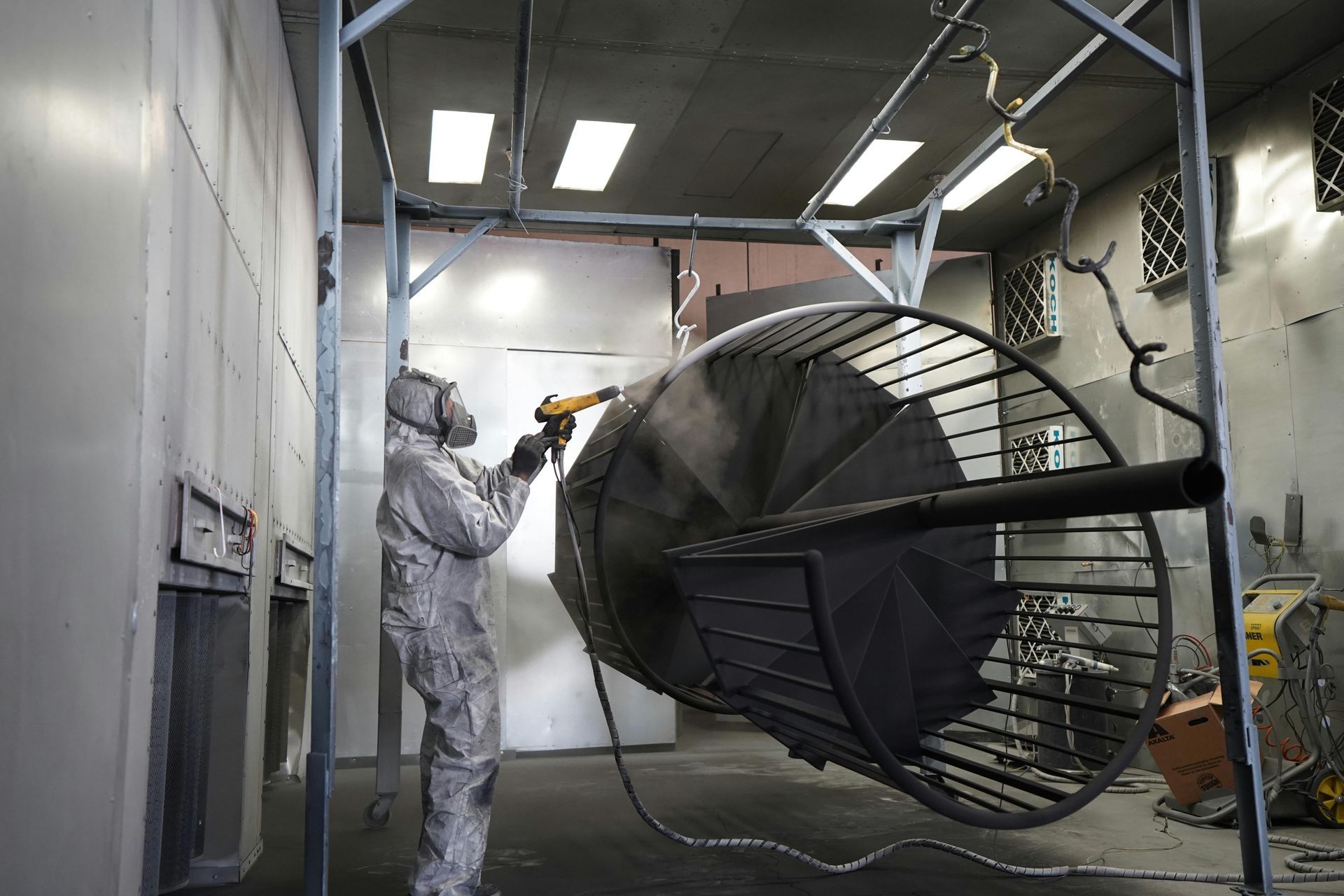
At Full Blown Coatings, the media decision starts with the material and the desired result. A heavy steel machinery frame with thick paint may need aggressive cutting. A thin sheet-metal panel may require a much gentler approach. Treating those parts the same way could produce very different outcomes.
Removing Rust and Scale
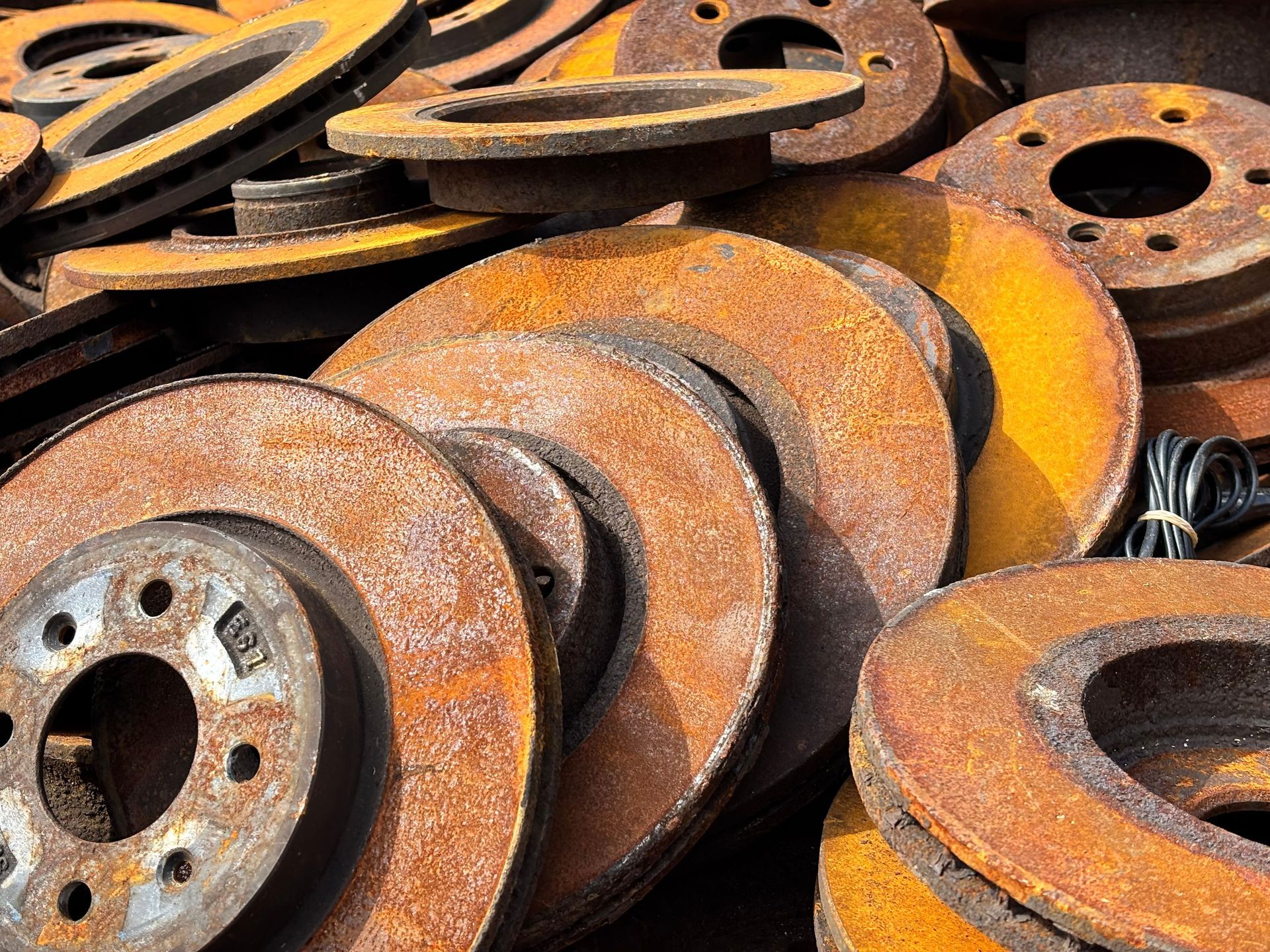
Aluminum oxide is effective on steel parts with surface rust, mill scale, weld scale, or corrosion around difficult geometry.
It is important to understand what blasting cannot do. Removing corrosion does not restore metal that has already become deeply pitted, cracked, perforated, or structurally weakened. Once the surface is clean, the part may still need fabrication or repair before coating.
Refinishing Automotive and Off-Road Parts
Common automotive applications include:
- Wheels and rims
- Suspension components
- Brackets
- Bumpers
- Frames
- Valve covers
- Motorcycle parts
- ATV and off-road components
The correct process depends on whether the part is steel, cast aluminum, forged aluminum, magnesium, or another alloy. A wheel also has sensitive areas such as lug seats, hub faces, valve openings, and center bores that may need masking or protection.
Restoring Industrial Equipment
Aluminum oxide can be useful for machine bases, agricultural equipment, shop fixtures, protective guards, manufacturing components, and material-handling equipment.
Industrial projects often arrive with several layers of paint, years of corrosion, or contamination from hard use. A cutting abrasive can speed up the removal process and provide a cleaner foundation for a new coating system.
What Are the Benefits Over Other Blasting Media?
Aluminum oxide is not universally better, but it offers clear advantages in the right application.
Faster Cutting Action
Its hardness and angular shape allow it to remove tough coatings faster than many softer abrasives. That can reduce the time needed to strip heavily coated steel and other durable substrates.
Multiple Grit Options
Aluminum oxide is available in coarse and fine grit sizes. Coarse particles generally cut faster and create a deeper profile. Fine particles provide more controlled cleaning and a lighter texture.
The result also depends on:
- Air pressure
- Nozzle size
- Blasting angle
- Distance from the part
- Operator speed
- Substrate hardness
- Existing coating thickness
Two shops may both use aluminum oxide and still produce very different surface profiles.
Strong Profiling Ability
Compared with rounded media, angular aluminum oxide is better suited to creating a pronounced anchor pattern. This can make it valuable before powder coating, epoxy, urethane, primer, or another high-performance finish.
Use on Ferrous and Nonferrous Metals
Aluminum oxide can be used on steel, stainless steel, cast iron, aluminum, and other metals when the process is controlled correctly.
For stainless steel or specialty metals, clean media and contamination control may be necessary. Media previously used on carbon steel should not automatically be used on a stainless component when cleanliness is important.
Aluminum Oxide vs Glass Bead
Glass bead is generally rounder and less aggressive. Rather than cutting deeply, it tends to clean and peen the surface, often producing a smoother satin appearance.
Choose aluminum oxide when you need:
- Faster coating removal
- More aggressive rust removal
- A stronger anchor profile
- Better cutting into scale
Glass bead may be preferable when you want:
- A smoother cosmetic finish
- Gentle cleaning
- Less surface alteration
- Reduced material removal
Aluminum Oxide vs Soda and Organic Media
Soda, walnut shell, and corn cob are much softer. They are often used when preserving the original surface is more important than fast removal.
These softer choices may work better for delicate components, thin sheet metal, certain restoration projects, wood, or parts where an aggressive surface profile is undesirable.
Aluminum oxide is more appropriate when the coating is durable and the substrate can tolerate stronger cutting action.
Can You Use Aluminum Oxide on Aluminum Parts?
Yes, but the process requires care.
Aluminum is softer than steel. An overly coarse abrasive, excessive pressure, poor nozzle angle, or too much time in one area can produce an unnecessarily deep profile. Thin sections may also be vulnerable to distortion.
A professional shop should consider:
- The aluminum alloy
- Casting or forging method
- Part thickness
- Machined areas
- Desired final finish
- Coating requirements
- Existing corrosion
- Dimensional tolerances
The fact that aluminum oxide can be used does not mean the same settings should be used on every aluminum part.
When Is Aluminum Oxide Too Aggressive?
Another medium may be better for:
- Thin automotive body panels
- Soft decorative metals
- Historic metalwork
- Delicate castings
- Precision-machined parts
- Sealing surfaces
- Bearing areas
- Threads
- Polished components
- Parts that only need light cleaning
Aggressive blasting can change dimensions, alter appearance, expose casting defects, or leave a profile that shows through a smooth finish. Critical areas may need masking before blasting.
Is Aluminum Oxide Blasting the Same as Sandblasting?
Sandblasting is often used as a general term for abrasive blasting, but professional shops use many types of media.
These may include:
- Aluminum oxide
- Glass bead
- Garnet
- Steel grit
- Steel shot
- Soda
- Walnut shell
- Corn cob
- Plastic media
The important question is not what the service is called. The important question is which abrasive is being used and whether it fits your material.
Is Aluminum Oxide Blasting Safe?
Aluminum oxide is commonly used as an alternative to traditional silica sand, but that does not make abrasive blasting harmless.
Blasting produces airborne dust from the abrasive, the old coating, rust, and the substrate. Old finishes may contain lead, chromates, heavy-metal pigments, or other hazardous material. The process also creates substantial noise and high-velocity impact hazards.
Professional blasting requires appropriate containment, ventilation, dust collection, protective equipment, media management, and waste handling. This is one reason large or contaminated projects are better handled in a properly equipped shop.
How Do You Know Whether It Is Right for Your Project?
Before selecting aluminum oxide, consider:
- What is the part made from?
- How thick and durable is the existing coating?
- Is there heavy rust or scale?
- Will the part be powder coated afterward?
- Is a specific surface profile required?
- Are there machined or threaded areas?
- Is the metal thin or easily distorted?
- Does the final finish need to be smooth?
- Is contamination control important?
Photos, dimensions, substrate information, and the desired final finish can help a blasting shop recommend the right process.
Final Thoughts
Aluminum Oxide Media Blasting is a powerful method for removing powder coating, paint, rust, oxidation, and scale. Its angular shape and hardness make it especially useful when you need fast cutting action and a consistent surface profile before powder coating or industrial paint.
Its biggest strength is also its main limitation. Aluminum oxide is aggressive. It can produce excellent results on steel frames, wheels, machinery, railings, gates, and fabricated components, but it may be too harsh for thin, soft, delicate, or precision surfaces.
The best blasting medium is not automatically the strongest one. It is the medium that removes what needs to be removed, protects the underlying part, and creates the correct surface for the finish that comes next.
Share This Post!