how long does powder coating rims take
TL;DR:
- How long does powder coating rims take? A standard set of four rims commonly takes about three to seven business days.
- The powder application and oven cure are fast. Stripping, media blasting, repairs, cooling, tire service, and scheduling create most of the turnaround.
- Tires, valve stems, wheel weights, and center caps generally need to be removed.
- Bent rims, cracks, curb rash, corrosion, custom colors, and multi-stage finishes can add time.
- Same-day service is possible in limited cases when the shop is equipped and the wheels need little or no repair.

ow Long Does Powder Coating Rims Take?
If you are asking how long does powder coating rims take, plan on being without a standard set of four wheels for several business days. A practical estimate is about three to seven business days. The oven cycle is only one part of the job. You can learn more through Full Blown Coatings’ How Powder Coating Works, automotive powder coating, and media blasting services.
As Full Blown Coatings explains, “The powder flows out, bonds, and cures to the surface, without running or sagging.” That cure creates the finish, but everything before the oven is just as important.
Why Does It Take Several Days?
The difference is between cure time and total turnaround time.
A typical powder may need roughly 10 to 15 minutes at its specified metal temperature. That does not mean the wheel is finished in 15 minutes. The cure timer generally matters only after the rim reaches the required metal temperature.
Your wheels may also wait between production stages. Several hours of physical work can therefore become several business days on the calendar.
What Happens During the Process?
Tire and Hardware Removal
The tires normally need to come off. Valve stems, wheel weights, center caps, and removable hardware may also need to be removed.
Inspection and Finish Removal
The shop should inspect each rim for curb rash, corrosion, bends, cracks, and previous repairs. The existing paint, clear coat, or powder coating then needs to be removed.
Media Blasting and Preparation
After the old finish is removed, media blasting helps clean remaining oxidation and prepare a consistent surface. New powder should not be used to hide corrosion or a failing old coating. The final result depends heavily on the metal underneath it.
Repairs and Pre-Baking
Curb rash may need to be smoothed before coating. Bent or cracked wheels require separate evaluation because those problems can affect safety.
Cast aluminum wheels may also be pre-baked when outgassing is a concern. Heating the bare wheel can help release trapped gases that might otherwise create pinholes. This adds time, but it may prevent a failed finish.
Masking, Coating, and Curing
The shop may mask the center bore, hub mounting surface, lug seats, valve-stem opening, and threaded areas.
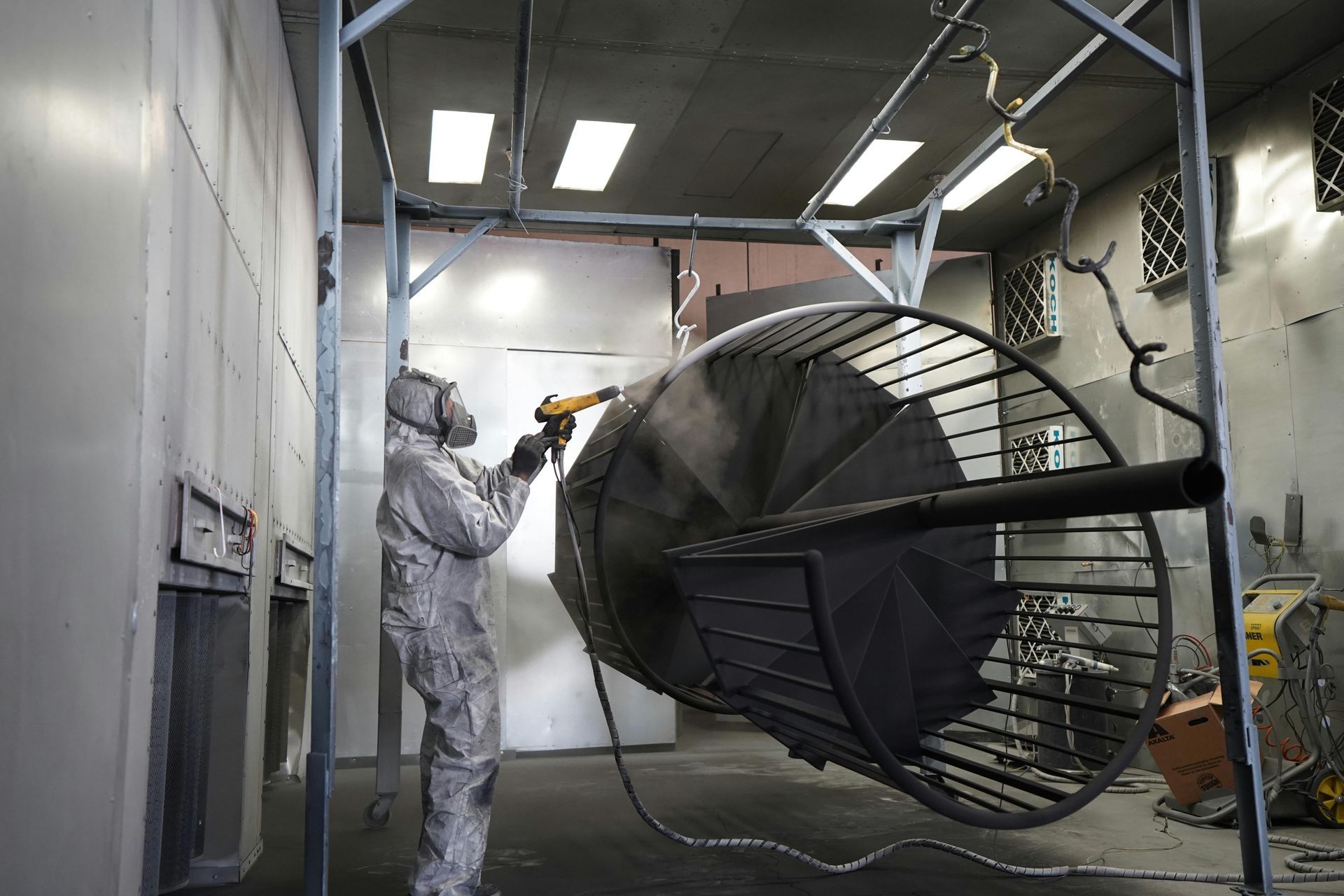
The technician grounds the wheel and applies the powder electrostatically. Once coverage is complete, the rim enters the curing oven. The exact schedule depends on the powder manufacturer’s instructions and the wheel’s metal temperature.
Cooling and Inspection
Your rims must cool before they can be inspected, mounted, and balanced. Mounting a tire on a wheel that is still too hot can damage the new finish.
What Can Make the Job Take Longer?
Several conditions can extend the schedule:
- Heavy corrosion or multiple old coating layers
- Bent wheels, cracks, deep gouges, or curb rash
- Multi-piece wheels requiring disassembly
- Custom powder that must be ordered
- Two-tone, translucent, or multi-stage finishes
- A clear coat requiring another cure cycle
- Tire, sensor, or balancing problems
- High shop workload
A simple gloss-black set in good condition will usually move faster than a corroded set receiving a custom base color and clear coat.
Can Rims Be Powder Coated in One Day?
Yes, but only under the right conditions. Same-day service is most realistic when the shop offers it, the color is in stock, the wheels are in good condition, no repairs are required, and the job is already scheduled.
Ask what the advertised turnaround includes. Confirm whether it covers stripping, blasting, tire removal, mounting, balancing, and repairs.
How Can You Avoid Delays?
Choose your color and finish before drop-off. Tell the shop about vibrations, air leaks, curb impacts, previous repairs, or known bends. Ask whether you should remove the tires and center caps.
Hidden corrosion or damage may change the schedule once the old finish comes off.
One timing misunderstanding Full Blown Coatings regularly encounters is the idea that oven time equals total turnaround. Once you see the amount of preparation required before powder is applied, the schedule makes more sense. The goal is not just a quick color change. It is a durable finish over properly prepared metal.
Is Powder Coating Worth the Wait?
For most properly prepared rims, the additional time is worthwhile because the job addresses both appearance and surface condition.
You are not simply changing the color. You are removing the failed finish, cleaning the metal, correcting visible defects, and applying a cured coating system designed for automotive use. That is why process quality matters more than choosing the fastest advertised turnaround.
Frequently Asked Questions
Do Tires Have to Be Removed?
Yes. Tires generally must be removed because the wheels are stripped, blasted, heated, coated, and cured. Valve stems, weights, and other removable components may also need to come off.
How Long Are Rims in the Oven?
The complete oven time may be longer than the listed cure schedule because the wheel must first reach the required metal temperature. The powder’s technical data sheet determines the correct cure.
Does Curb Rash Add Time?
Yes. Minor curb rash may only require basic smoothing. Deep gouges, bends, cracks, or prior repairs can require additional evaluation and significantly extend the turnaround.
Final Answer
So, how long does powder coating rims take? For a typical set of four wheels, expect about three to seven business days. Straightforward wheels may be completed faster, while repairs, corrosion, custom powders, multi-stage finishes, and shop workload can extend the timeline.
Ask for a written estimate explaining what is included. A quality turnaround should allow time for finish removal, media blasting, repairs, correct cure, cooling, inspection, and tire service. Those steps turn a quick color change into a durable wheel refinishing job.
Share This Post!