Powder Coating Bike Frame: Prep, Masking, and Drop-Off for Cyclists and Shops
Every few weeks a bike frame comes off our rack here in Sandy with the same story written all over it. Headset cups still seated. Grease packed into the bottom bracket shell. Paint flaking at the chainstay welds where years of cable rub and Utah winters finally won. And almost always, the same three questions from the rider standing next to it: What do I strip off before I bring it in? What do you mask? And can my frame actually survive the cure oven?
Those are the right questions. Here is what powder coating bike frame prep actually requires for cyclists, bike shops, and frame builders, from stripping and masking to aluminum-specific steps like outgassing and primer. We handle aluminum, steel, and cast parts every day at our Sandy, Utah shop, and bike frames are among our favorite jobs when they arrive ready.
General information only. Frame-specific requirements vary, so confirm details with your shop, and for heat-treated or safety-critical frames, check with the frame manufacturer or a qualified engineer before coating.
Can You Powder Coat a Bike Frame? The Short Answer
Yes, in most cases a bike frame can be powder coated when three things line up: the frame material tolerates cure oven temperatures, the old finish can be stripped and the surface prepared properly, and heat-sensitive components are removed or masked before coating.Both steel frames (chromoly, hi-ten) and aluminum frames are common candidates in our shop, but each carries different prep considerations, which we cover below. Carbon fiber frames are a different animal entirely. Carbon is generally not a powder coating candidate because of the cure oven's heat, so if you have a carbon frame, a wet paint or specialty finish route is the conversation to have instead.
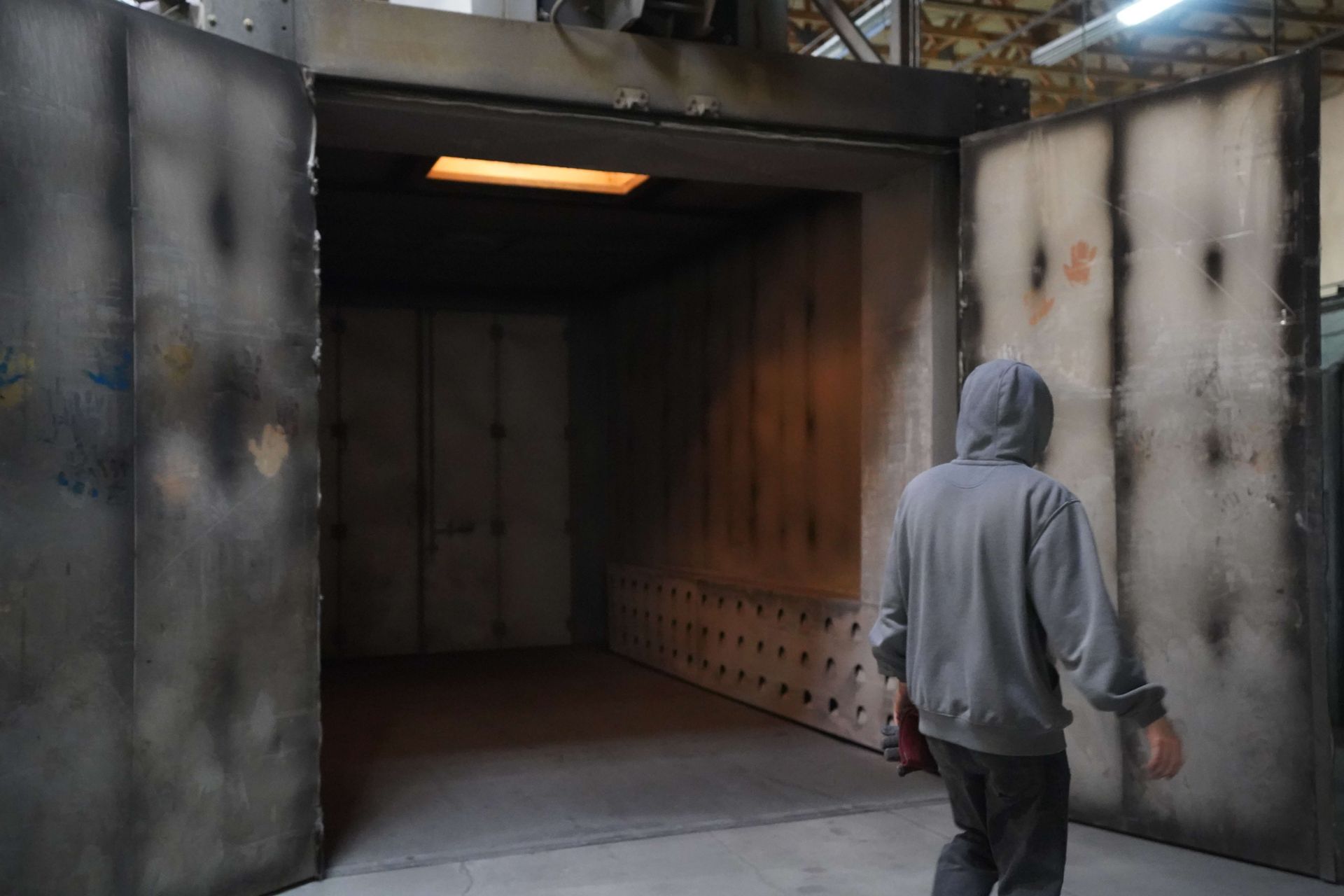
The practical gatekeepers are straightforward: the frame's temperature tolerance, the ability to blast down to bare metal, careful masking of threads and bearing surfaces, and access for the coating to reach all the tube geometry. If you want to understand the temperature side in more depth, we cover the cure process in detail in our article on the temperature required for powder coating.
Why Cyclists Choose Powder Coating Bike Frame Finishes Over Spray Paint
Rattle-can paint has its place, but it rarely survives the life a bike frame lives. A cured powder film resists chips, scratches, and abrasion from rack contact, cable rub, chain slap, and general riding wear in ways liquid spray paint typically does not.
Powder also happens to be a natural step during a full frame rebuild, a repaint after crash damage, or a project frame being converted to a custom color. Because the frame is already stripped and components are already off, you are already halfway to the prep powder needs.
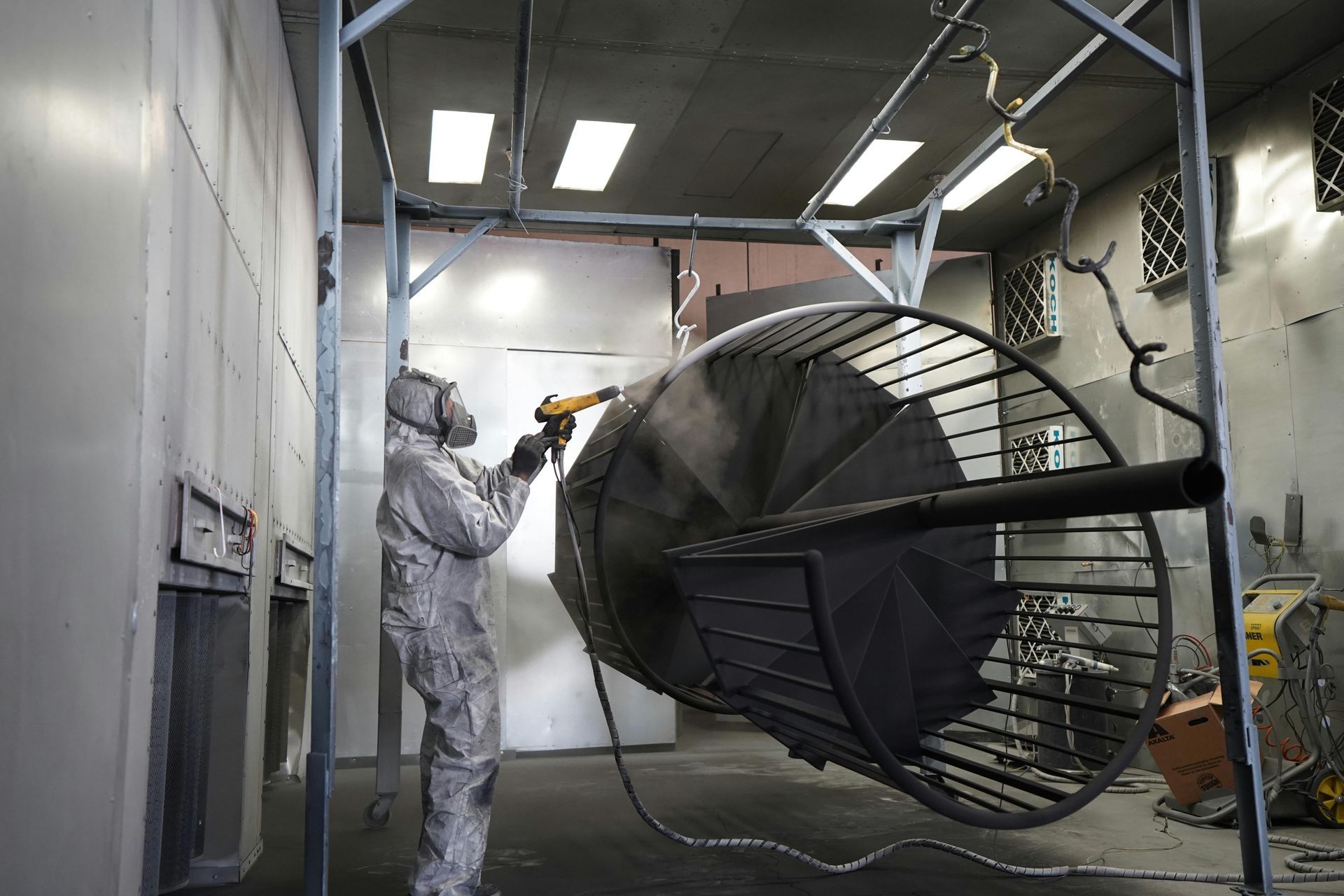
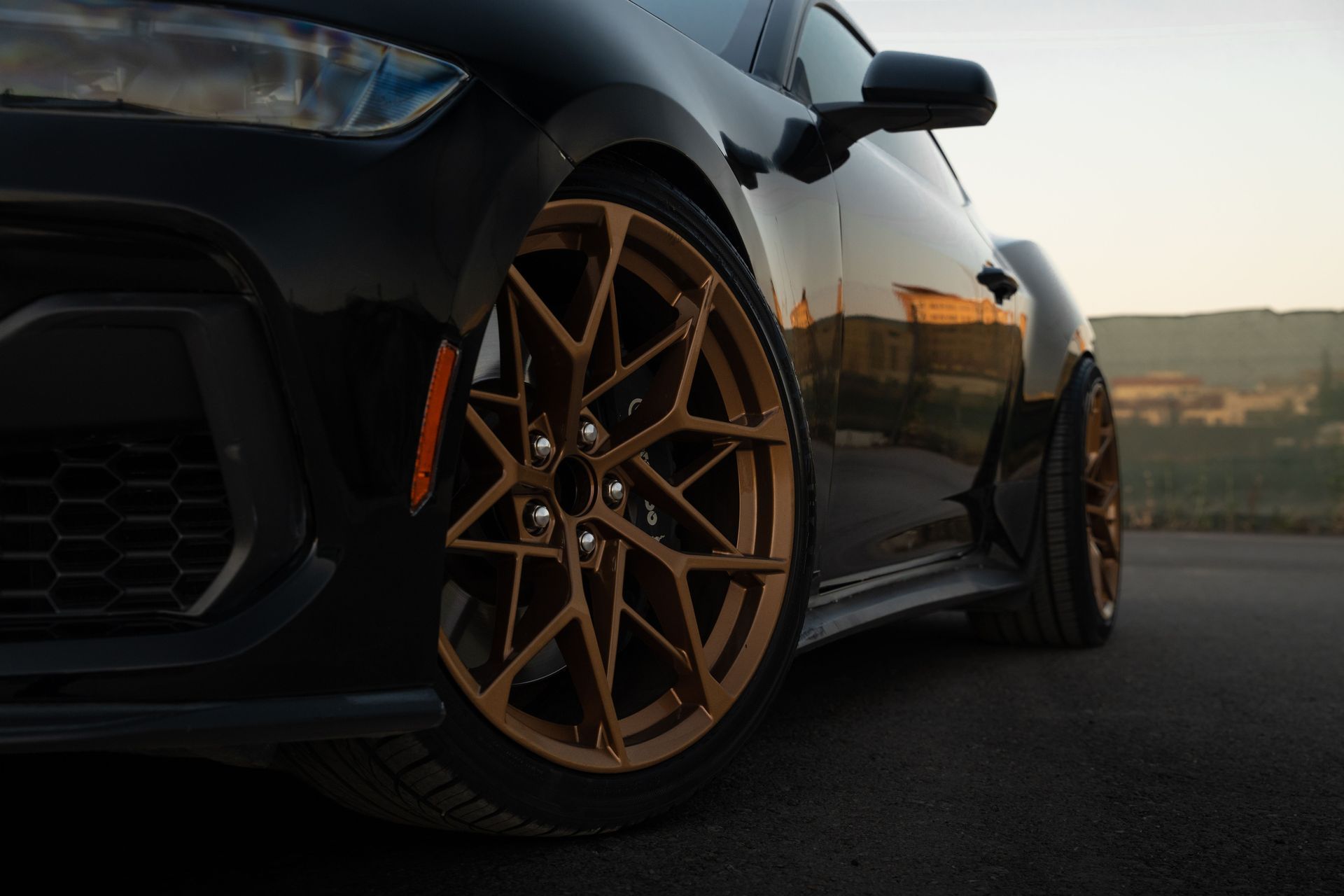
There is a coverage advantage too. Powder applies as a charged spray and wraps around complex tube shapes, junctions, and welds with a consistent film, so you do not get the runs and thin spots that liquid paint leaves on round tube geometry. On the color side, powder comes in a wide range of custom colors and finishes, and we work with quality powder suppliers when a job calls for a specific catalog finish. For broader shop context on how we approach metal finishing, see our powder coating services in Salt Lake City.
Steel vs Aluminum Bike Frames: What Changes in the Prep
Steel and Chromoly Frames: Straightforward but Rust-Prone
Steel frames blast and coat beautifully. Surface rust, old paint, decals, and clear coat all come off during media blasting, leaving a clean profile for the powder to bond to. Our practice is to inspect and then sandblast or media blast every part before we coat it, and steel frames are a big part of why: you want to see the bare metal before you commit a finish to it.
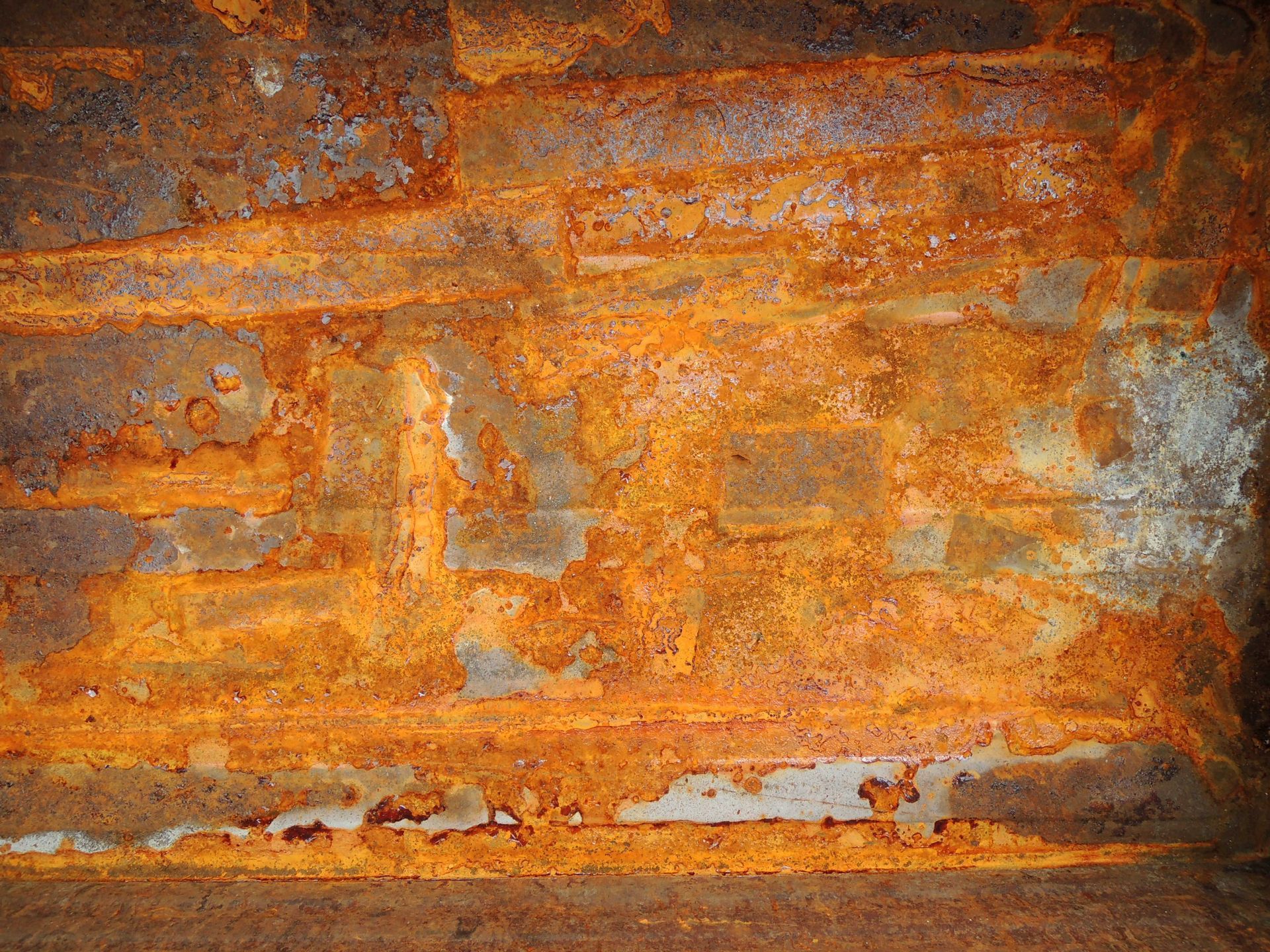
Two things to check on steel: hidden corrosion inside the tubes and rust around water bottle bosses. Internal rust is not something coating can fix, but knowing it is there helps you make an informed decision about the frame.
Aluminum Frames: Light, Strong, and Picky About Heat and Prep
Aluminum can be powder coated when the part suits blast prep, pretreatment, cure, and oven fit, and most modern bike frames do. Aluminum conducts heat well and cures fine on standard powder schedules, but the frame has to tolerate oven temperatures. Some heat-treated aluminum tempers carry manufacturer-imposed temperature limits, so if you are unsure about your frame, verify with the frame maker first. For safety-critical or suspension components, manufacturer or engineer confirmation is not optional nicety. It is the right call.
Cast Aluminum Parts and Outgassing: Why It Matters Beyond Frames
Cast aluminum is porous. Trapped air and contaminants in the casting can escape during the cure cycle and show up as pinholes or bubbles in the finished coating, a problem the industry calls outgassing. Bike-relevant cast parts include some derailleurs, brackets, and accessories. Wrought and extruded tube sets, which is what most aluminum frames are made from, generally do not have this problem.
The prep answer is pre-baking and outgassing procedures plus appropriate primers for porous substrates. Powder manufacturers such as TIGER Coatings discuss outgassing on porous substrates if you want the technical background. Why does this matter to you at quote time? Because a quote that skips outgassing steps on porous parts may not be comparing the same job. Make sure everyone is quoting the same scope.
Stripping and Prepping the Frame Before It Comes In
What to Remove Before Drop-Off
Strip the frame down before you bring it in:
Bottom bracket and shell contents
• Headset cups and fork (fork can be coated separately)
Wheel axles and dropout hardware
• Cable guide hardware and seat clamp
• Water bottle bolts
• Any bearing or sealed components
Threads, bearing seats, and machined interfaces should ideally arrive bare so we can mask or plug them rather than coat over them. A frame that arrives fully assembled slows the job down and raises the risk of damage to your components.
Masking a Bike Frame: Threads, Bores, and Bearing SurfThese surfaces need to stay coating-free:
• Bottom bracket shell threads
• Headset races and seats
• Dropout faces
• Brake mount bosses (post or flat mount)
• Derailleur hanger threads
• Bottle cage bosses
• Cable stop internals
• Fork steerer threads, if applicable
Coated threads mean chasing or re-tapping afterward, which risks damaging the new finish and creating fitment problems. Masking costs far less than rework.
Our published warranty is a 12-month limited warranty on powder-coated surfaces covering cracking, peeling, and extreme fading from normal climatic exposure, with published exclusions. Rather than restating the full scope here, we point you to the warranty page for the exact terms. What matters at prep time is that warranty decisions tie back to the same factors we have been discussing: blasting is recommended, primer is recommended on aluminum and outdoor metal, sharp edges should be rounded before drop-off, and exposures to salt, chlorine, fertilizer, and sprinkler spray can void coverage.
Design and Condition Issues That Affect How Powder Performs
Sharp Edges Must Be Rounded Before Drop-Off
Powder pulls thin over sharp edges. Edge coverage is the weak point of any coating. We do not round edges as part of the coating job, so frames and parts should arrive with edges deburred and radiused where possible. On a bike frame, the touch points to check include cable guide edges, rack and fender mount bosses, braze-on edges, and cut cable stops.
Northern Utah Riding and Storage Conditions: Why Prep Quality Matters Here
Utah is hard on coatings. Freeze-thaw cycles flex everything. Road salt on winter commutes attacks steel frames and coating edges alike. UV exposure at altitude is stronger than at sea level. A bike stored on a lawn or patio under sprinkler spray takes on water and fertilizer exposure, which, as noted above, can void warranty coverage.
This is why full blast prep plus primer on aluminum matters more for riders in Salt Lake, Davis, and Utah County conditions than it might in a milder climate. We are not going to invent a lifespan number. The honest answer is that prep quality is what determines how a finish ages, and Utah conditions punish shortcuts.
Quote Planning and Drop-Off Checklist for Bike FramesDrop-Off and Service Area
Drop off at 9479 South 500 West, Sandy, UT 84070 (behind Titan Cabinetry). We serve riders and shops across Box Elder, Cache, Davis, Morgan, Salt Lake, Summit, Tooele, Utah, Wasatch, and Weber counties, plus Uinta County, Wyoming. Pickup and delivery within about 100 miles of Salt Lake City may be available for many jobs; confirm for your specific frames. Full details are on our service areas page, and we also handle powder coating for ATVs, bikes, and recreation of all kinds.
Common Mistakes to Avoid When Powder Coating a Bike Frame
• Arriving with components still installed and grease in the shell
• Skipping blast to save money; old finish under powder is a failure risk
• Declining primer on aluminum frames used in wet or winter conditions
• Leaving sharp edges and expecting the shop to round them; we do not
• Comparing quotes where one skips outgassing or primer steps; that is not the same job
• Ignoring thread and bearing-surface masking requirements
• Storing coated frames against sprinklers, fertilizer-treated lawns, or salted surfaces (warranty exclusions)
Get a Free Quote for Your Bike Frame Refinish
Ready to get your frame on the schedule? Request a free quote through our contact page, call 801.631.1708, or email service@fullblowncoatings.com. Photos of your frame get you the most accurate quote, so snap a few before you reach out. Drop off at 9479 South 500 West, Sandy, UT 84070 (behind Titan Cabinetry). We would be glad to take a look.
Photos and Info That Make Your Quote Accurate
Send clear photos: the full frame, plus close-ups of the welds, dropouts, head tube, bottom bracket shell, and any damage or repairs. Tell us the frame material (steel or aluminum; carbon is generally not a powder candidate), whether components are already removed, your desired color or finish direction, and any timing needs. Tell us whether you want primer on an aluminum frame, so quotes you compare are quoting the same scope.
Bike Shop and Fleet Notes
Shops rebuilding customer bikes or refreshing rental and fleet frames can batch frames with other work; call to discuss. When you compare quotes, compare scope, not price alone. Skipping blast, skipping outgassing steps on porous parts, or skipping primer changes the job being quoted, not just the number on the page.
Welds, Voids, and Trapped Contaminants
Non-seal welds, overlapping metal, and capped tubes without weep holes can trap contaminants and moisture that escape during cure or cause premature coating failure at those points. On your frame, check for pinholes in welds, uncapped tube ends, and any voids where old coatings or plating might be hiding.
Specialty Finishes: When Cerakote Enters the Conversation
Sometimes the question is not paint or powder, but powder or something thinner. Cerakote-style thin-film ceramic finishes suit applications where film build matters: tight-tolerance components, small parts, and heat-sensitive items. If you are weighing specialty finishes for small bike parts or accessories, our Cerakote finish page covers what we offer. For performance specifics, the manufacturer's own documentation is the right source. We do not quote numbers we cannot stand behind.
What You Can Do to Help
Deliver the frame stripped and degreased. Pay special attention to residual grease in the bottom bracket shell and head tube. Flag any damaged threads or stripped bosses at drop-off so we can plan masking and any repairs before the frame goes in the booth. Mention internal routing ports or frame saver/oil films inside the tubes. Internal residue can outgas or contaminate the finish.
Primer on Aluminum and Outdoor Gear: The Warranty-Aligned Choice
Primer is recommended on all aluminum parts. Many frame jobs skip it to save cost, but primer improves adhesion and corrosion resistance, especially for bikes ridden in wet and winter conditions. The same logic applies to any outdoor metal we coat, from gates to racks: primer on outdoor metal is the recommended path.
aces
What Must Stay Bare
Why Every Frame Gets Blasted
We inspect and blast every part before coating. Blasting removes old paint, decals, clear coats, and oxidation while creating the surface profile powder needs to adhere. Old liquid paint left underneath powder is one of the most common causes of adhesion failure down the road. It may look fine for a while, but the bond is only as good as what is underneath it.
Media Choice: Gentle on Thin Bike Tubing
Not all blasting media is equal. Aluminum and thin-wall steel bike tubing call for less aggressive media than heavy steel parts. The right media removes the old finish without gouging thin tubes. A media profile that suits a trailer frame can be too harsh for a tube set with wall thicknesses under a millimeter. If you want to understand our blasting process, we cover it on our sandblasting page.
Common Mistakes to Avoid When Powder Coating a Bike Frame
Avoid arriving with components still installed, grease in the shell, or old finish left under the new coating. Skipping blast prep, declining primer on aluminum used in wet or winter conditions, and leaving sharp edges for the shop to round all create avoidable failure risks. When comparing quotes, confirm that blast prep, outgassing, primer, and thread masking are included in the same scope.
Quote Planning and Drop-Off Checklist for Bike Frames
Photos and Info That Make Your Quote Accurate
Send clear photos of the full frame plus close-ups of welds, dropouts, the head tube, the bottom bracket shell, and any damage or repairs. Tell us the frame material, whether components are removed, your desired color or finish, and any timing needs. Tell us whether you want primer on an aluminum frame so quotes compare the same scope.
Bike Shop and Fleet Notes
Shops rebuilding customer bikes or refreshing rental and fleet frames can batch frames with other work; call to discuss. Compare scope, not price alone. Skipping blast, outgassing steps on porous parts, or primer changes the job being quoted.
Drop-Off and Service Area
Drop off at 9479 South 500 West, Sandy, UT 84070 (behind Titan Cabinetry). We serve riders and shops across Northern Utah and nearby Wyoming counties. Pickup and delivery within about 100 miles of Salt Lake City may be available for many jobs; confirm for your specific frames.
Get a Free Quote for Your Bike Frame
Ready to get your frame on the schedule? Request a free quote, call 801.631.1708, or email service@fullblowncoatings.com. Photos of your frame get you the most accurate quote. We would be glad to take a look.
Share This Post!