Powder Coat Removal: How Old Powder Comes Off Before You Recoat
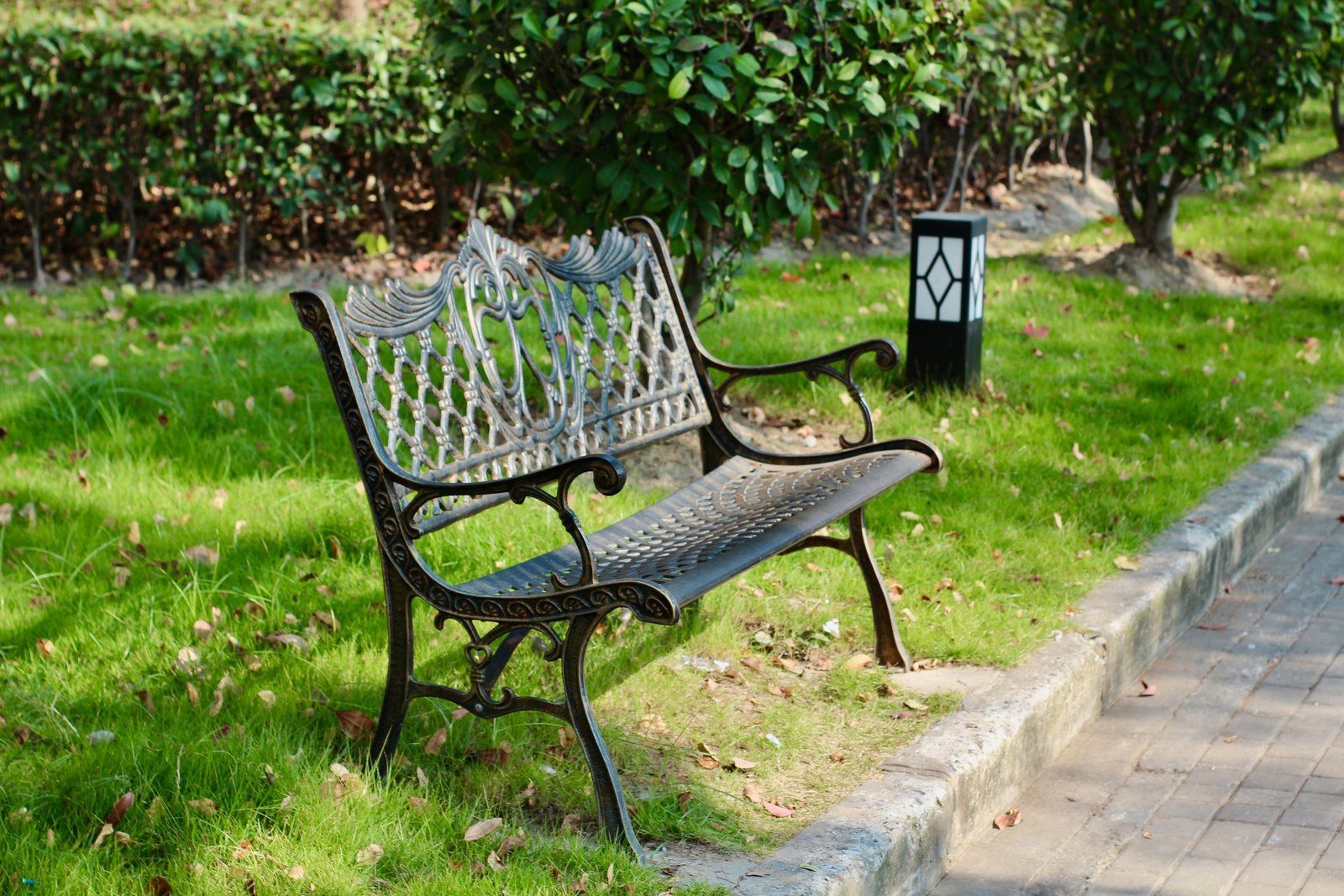
A truck tailgate comes into the Sandy shop with a finish that has gone chalky and started lifting at the edges, and the owner asks before anything else: can you just shoot new powder over this? A few days later it is a set of patio chairs with the same question, except that finish is fine. It is just a color the homeowner got tired of. Powder coat removal is the answer to both, and it is not an unusual request. Taking the old finish back to bare metal is the normal first step in a recoat, because bare metal gives new powder the best chance to bond.
Whether you plan to strip a part yourself in the garage or send it in for a full strip and recoat, it helps to know how to remove powder coating without hurting the part, when coating over old powder is a bad bet, and what to sort out before you load the part in your truck.
Can You Powder Coat Over Powder Coat?
Usually it is not the safer choice, and the reason is simple. Cured powder forms one continuous film over the part. A second coat sprayed on top bonds to that old film, not to the metal. Your new finish can only be as good as the layer under it, and that layer is hard to judge from the outside. An old coating can look fine while hiding contamination, rust creeping under the film, or weak adhesion that carries straight through to the new coat.
Touch-up products exist, and some powder manufacturers publish their own recoat or touch-up procedures. Read the fine print, though. TIGER's
touch-up recommendations describe touch-up as a fix for minor defects, call for an adhesion test on a hidden area first, and state that the touch-up does not match the original powder film for weathering and corrosion protection. That is a repair for a scratch, not a substitute for a stripped and recoated part.
So here is a practical rule if you are standing in the driveway with the part right now. If the finish is already failing, or you simply do not know its history, plan on stripping to bare metal. If it is sound and you only want a new color, bring it in and ask, but expect that stripping will still be the usual recommendation. Not sure whether your finish counts as failing? Our post on when powder coating needs to be redone walks through the signs and the causes.
How Powder Coat Removal Works: The Main Methods
Coating trade references, including this
PCI article on powder stripping, sort the ways to remove powder coating into four families: mechanical (blasting), thermal, thermomechanical, and chemical. Leave out the specialized thermomechanical equipment, add plain hand work in the garage, and you have the options most people are actually choosing between. Each one treats the metal differently, and the right choice depends on the material, the size of the part, and what happens to it next.
Abrasive and Media Blasting
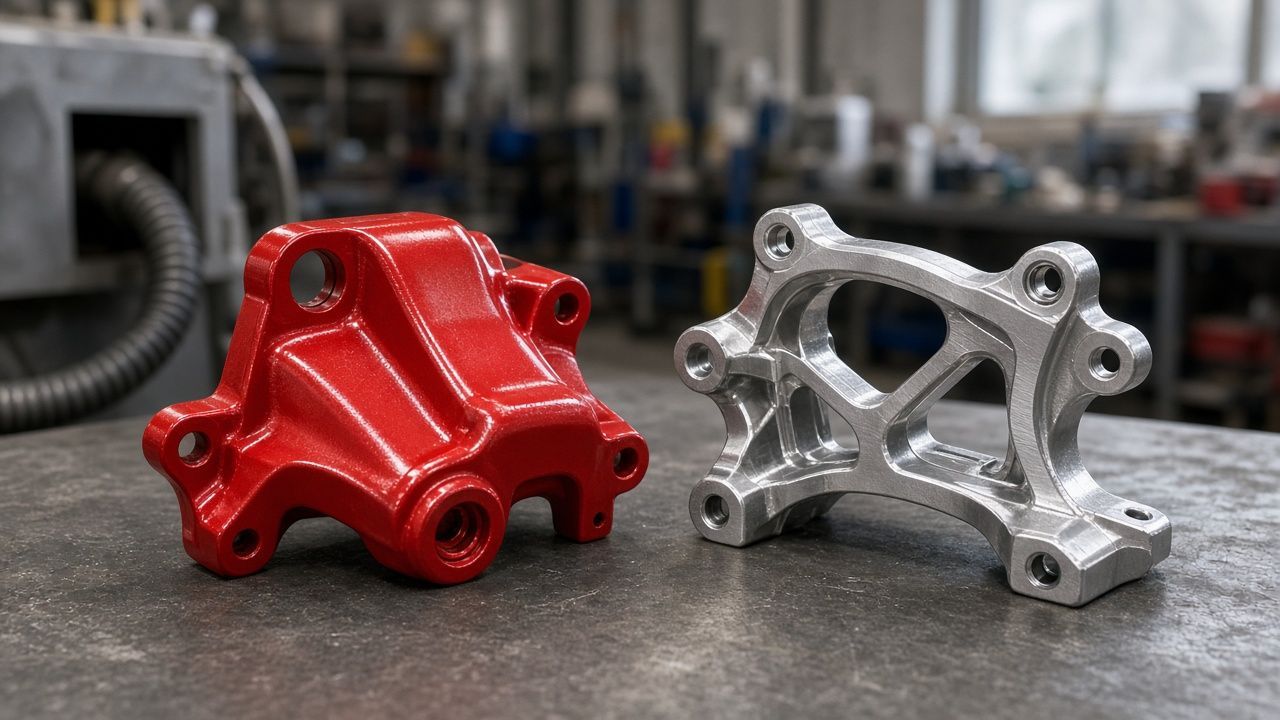
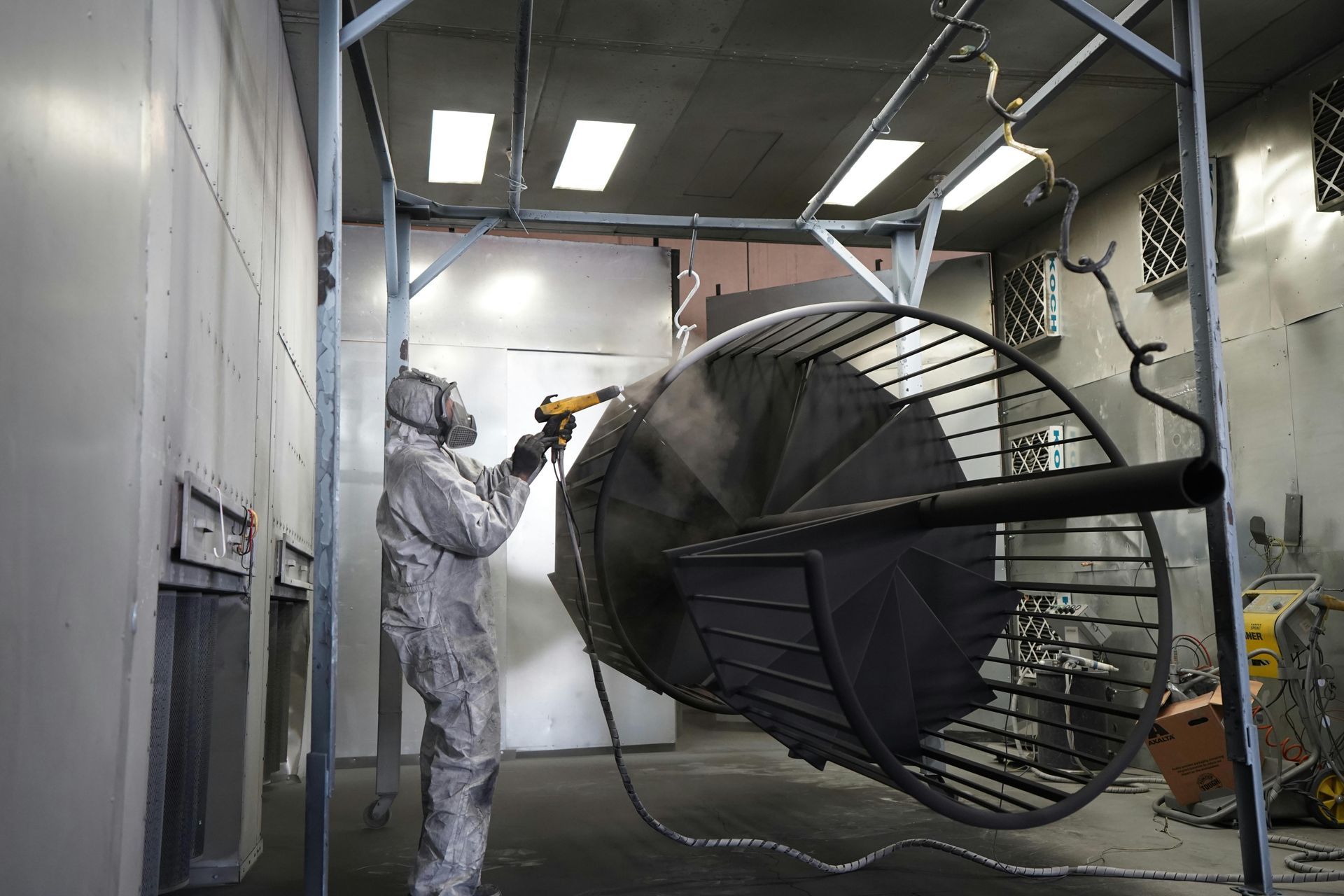
Parts are typically inspected first, then sand blasted or media blasted. The abrasive knocks off old finishing, scale, oxides, and surface contamination, and it etches the metal at the same time. That etched surface is the profile new powder needs to grip, so removal and surface prep happen in one step, which is the main reason shops lean on it for refinishing work.
Media choice matters. Shops often keep several media types on hand for steel, aluminum, and die-cast metal. Soda blasting can strip paint from thin sheet metal without destroying the surface texture, while heavier steel parts can take a more aggressive abrasive. Our pages on
sandblasting and the blasting media go into more detail.
One honest caution: sandblasting can build up enough heat to warp thinner metal. That is why the part gets looked at before it gets blasted, and why the media is matched to the part instead of running everything on one setting.
Chemical Strippers
Chemical strippers soften the coating so it can be scraped or washed off. You will see them in home garages and in some shops, usually on parts that are hard to blast. They can work, with two caveats.
First, what is on the shelf has changed. The
EPA banned methylene chloride paint and coating removers for consumer sale in 2019 because of fatal exposures. Whatever product you buy, follow its label and safety data sheet, and ventilate the space. Second, leftover stripper is an adhesion problem. If you chemically strip a part and then send it in for powder, the residue has to be completely gone, or the new coat may not bond. Blasting is a common way to strip powder before recoating.
Thermal Burn-Off
Thermal stripping uses ovens that run far hotter than a powder cure to break the coating down to ash. The ash then has to be washed off before the part can be coated again. It suits production lines stripping lots of racks and parts at once. The tradeoff is heat. The PCI article notes that the hottest burn-off systems can warp or damage parts, which is why they are mostly used on hangers and racks. Anything heat treated, built to tight tolerances, or carrying rubber, bushings, or sealed sections should be checked carefully before it goes anywhere near that kind of heat. Burn-off ovens are another method some shops use.
Sanding and Wire Wheels at Home
If you are working out how to strip powder coat at home, the garage method is an angle grinder with a wire wheel or flap disc, or plain sanding, sometimes with a stripper for tight corners. Be realistic about the scope. It is reasonable on a bracket or a single chair frame. On a full gate or a six-piece patio set, it gets old fast.
The part most people miss is adhesion. Hand stripping rarely leaves the even profile blasting does, so a part you stripped at home may still need to be blasted before it is coated. Better to know that before you spend a weekend on it.
Protect yourself, too. OSHA's
abrasive blasting fact sheet is written for professionals, but its points carry over: old coatings and the surfaces under them can contain hazardous materials such as lead, and removal makes a lot of dust and noise. Eye, hearing, and respiratory protection belong in the plan.
Thin, Cast, and Odd-Shaped Parts Strip Differently
Parts do not all come to the blast booth the same way, and the differences change how the removal is handled.
Thin sheet metal, steel or aluminum, is where warping is the risk. Aggressive media and the heat that comes with it can distort thin material, so gentler media like soda gets the call on those parts. Gauge and shape decide the media. For more on aluminum specifically, see our post on
whether you can powder coat aluminum.
Cast parts bring porosity. Pores in a casting trap air and moisture, and when the part heats up in the cure oven, that gas pushes out through the fresh powder as bubbles and pinholes. That is outgassing, and TIGER's
article on outgassing in powder coating explains it well if you want the manufacturer's take.
What surprises people is that stripping does not cure outgassing. Taking the old powder off exposes the porous metal underneath, so outgassing is part of any recoat on a cast part no matter how clean the strip was. Cast pieces can be outgassed before coating, so tell us when a part is cast. Our 12-month limited warranty covers cracking, peeling, and extreme fading from normal climatic exposure on powder coated surfaces, but it is not responsible for outgassing bubbles on porous castings, and declining blasting or primer voids it. Primer is recommended on all aluminum and all outdoor metal.
Odd shapes are their own challenge. Tight corners, tube interiors, and overlapping pieces take longer to blast and can hold onto media, so they are worth pointing out when you drop the part off. And if the part is coated in Cerakote rather than powder, that is a different job. We cover it in our post on removing Cerakote safely and cleanly.
Before You Drop Off a Part to Be Stripped and Refinished
A little prep on your end saves time and money once the part is here.
- Bring the bare part. We do not disassemble or reassemble. Take off bearings, rubber, bushings, glass, plastic, and hardware before the part comes in.
- Degrease it. Thick oils and weld slag need to come off before coating. The PCI article makes the same point about blasting: contamination left on the surface can get driven into the metal instead of off it. Heavily soiled parts may need extra treatment, which adds cost.
- Round sharp edges. Edges need rounding before drop-off so they can hold a proper thickness of powder. We do not round edges, and sharp edges left unrounded void the warranty.
- Expect blasting to reveal things. Pits, cracks, broken welds, non-sealed welds, overlapping metal, capped tubes without weep holes, and rust hiding under the old finish all show up once the coating is gone. The warranty does not cover conditions uncovered during processing, and our terms and conditions note that we are not responsible for blasting damage on parts whose metal condition is uncertain. A coating can hide a lot. Stripping is when you find out.
- Write it down. Every job needs a written description of each part, with measurements, colors, and any areas to mask.
What to Send for a Quote
Start with photos, plus the part's size, the metal if you know it, the color you want, and whether it lives outside. If hauling is the problem, we offer pickup and delivery within a 100 mile radius of Salt Lake City.
The price itself is confirmed only after the part is delivered, inspected, and processed, because stripping often turns up things a photo could not show. Here is what our terms do spell out: blasting is $150 per hour with material included, there is a $120 minimum per order and a $40 minimum per color, and quotes cover standard processing. If an unforeseen condition calls for extra work such as sanding or re-coating, the price is adjusted. When you compare shops, compare the same scope: whether blasting is included, whether primer is in the bid for aluminum and outdoor parts, and whether a low number skips steps the finish needs to last.
Why Outdoor Parts Should Go Back to Bare Metal
Outdoor metal in Northern Utah deals with freeze-thaw cycles, strong sun at altitude, sprinkler spray, and winter road salt. That is where going back to bare metal matters most. Moisture that has worked under a tired old film can keep lifting whatever goes on top of it. A part that has been stripped, blasted, primed, and recoated starts that fight from a clean base instead of an unknown one.
Keep the warranty limits in mind when you plan where the part will live. Contact with salt water, chlorine, fertilizers, sprinkler systems, fuel, or industrial chemicals voids coverage, and so does declining primer on outdoor metal. If a gate, railing, or patio set sits in sprinkler spray all summer, it is worth moving the sprinkler head as well as refinishing the metal. Our
powder coating services page covers the coating side of the job.
Get a Quote for Powder Coat Removal and Recoat
If you have a part with old powder on it and want it done right,
request a free quote, call 801.631.1708, or email photos and part details to service@fullblowncoatings.com. You can also drop the part off at 9479 South 500 West, Sandy, UT 84070, behind Titan Cabinetry. We will inspect it, take it back to bare metal, and recoat it with the prep the finish needs.
Share This Post!