Automotive Sandblasting: What to Know Before Drop-Off
Searching for automotive sandblasting near you usually means a vehicle part needs to return to bare metal before paint, primer, or powder coating. The important question is not simply whether a shop can blast it. It is whether the part can tolerate the selected process and whether the job is prepared well enough to avoid damage, delays, and unexpected scope changes.
Frames, steel bumpers, axles, brackets, and suspension parts are generally very different jobs from hoods, fenders, roof skins, or assemblies with seals and wiring still in place. The better the shop understands the part’s material, condition, and next finish, the better it can plan preparation.
General information from Full Blown Coatings, a Utah powder-coating and sandblasting shop. Each part needs to be evaluated individually. A shop’s process, the part’s condition, and the manufacturer’s finish instructions control the work on any specific job.
Quick Answers
Can a vehicle frame be blasted?
Frames, axles, steel bumpers, and many heavy suspension components are common candidates for abrasive preparation.
Can blasting warp a body panel?
It can. Thin sheet metal requires a different assessment from a heavy steel frame and may need another stripping route.
What should come off before drop-off?
Anything not intended for abrasive exposure, including glass, wiring, rubber, seals, brakes, and sensitive components.
Can powder coating follow blasting?
It can when the part is suitable for the coating’s cure requirements and preparation is coordinated with the finish plan.
Start With the Part in Front of You
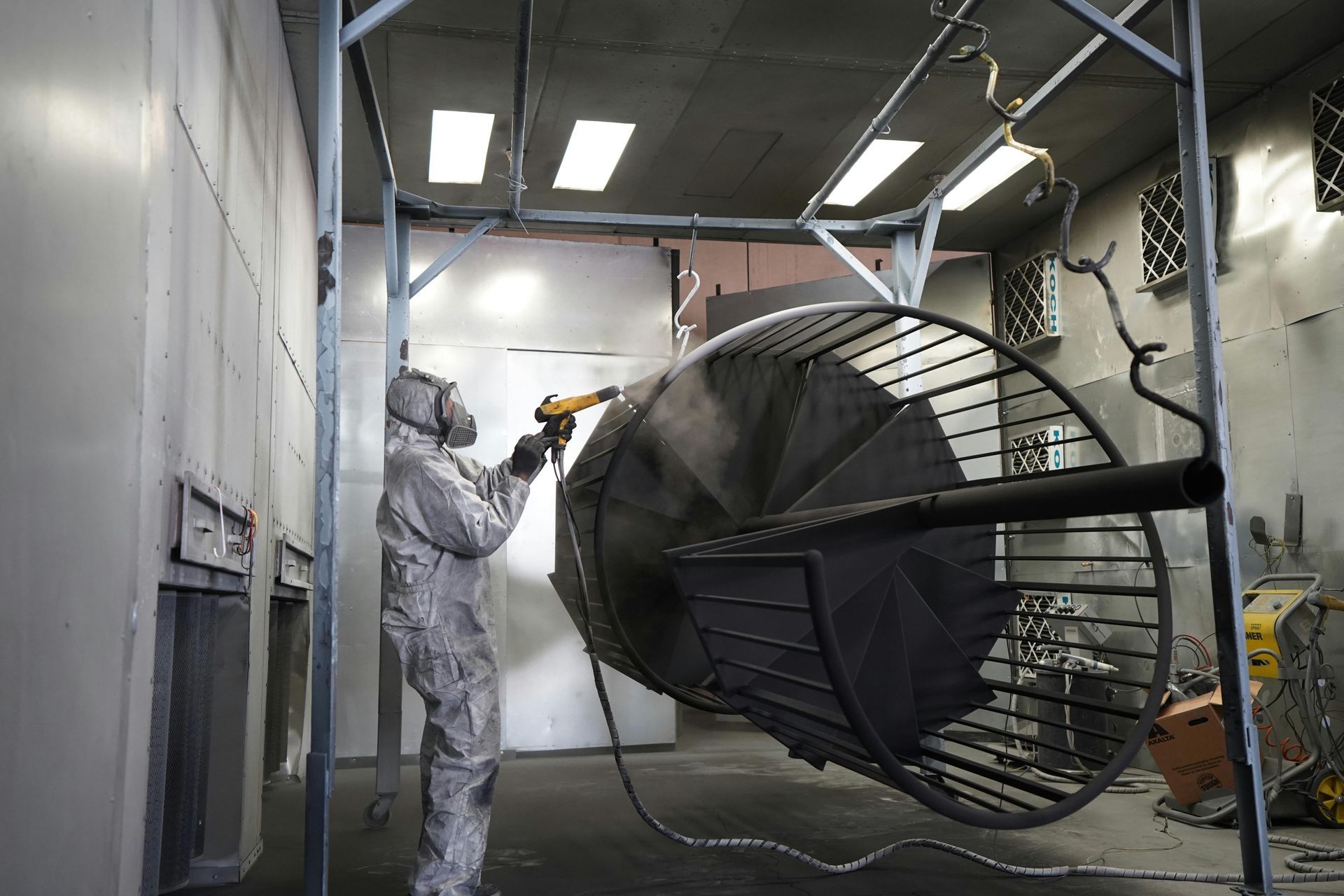
Abrasive blasting removes old paint, rust, undercoating, and scale while creating a surface texture that a subsequent coating can grip. That texture is often called an anchor profile. The Association for Materials Protection and Performance publishes industry standards and resources used in protective-coating and surface-preparation work.
Media type, pressure, nozzle technique, standoff distance, and part geometry can change the result. A process that makes sense for a frame rail may not be suitable for a roof skin or a precision-machined component.
On a narrow screen, scroll sideways to compare all columns.
| Part type | Typical planning approach | Question to resolve before work begins |
|---|---|---|
| Frame rails, axles, and steel bumpers | These heavier components are often evaluated for rust and layered-coating removal. | How much corrosion, undercoating, and hidden damage will preparation reveal? |
| Thin body panels | They need a careful suitability assessment because distortion is a real concern. | Is a controlled blasting approach appropriate, or is another stripping method a better fit? |
| Cast aluminum parts | Valve covers, intake pieces, and similar castings may need gentler preparation and thorough cleaning. | Is the casting oil-soaked or porous, and will it later receive a heat-cured finish? |
| Wheels | Material, barrel thickness, mounting surfaces, and the intended finish need to be considered together. | Which areas require protection or masking, and what condition is hidden under the current coating? |
| Assemblies with hardware or soft parts | Disassembly and masking often matter more than blast speed. | Who removes components, and which threads, bores, or machined faces need protection? |
Why Thin Sheet Metal Requires a Different Conversation
Fenders, hoods, doors, and roof skins are much less forgiving than a frame or thick bumper. An approach that removes scale from a heavy component can stretch or distort thin sheet metal. The outcome depends on the actual panel, prior repairs, metal thickness, media, and shop technique—not simply on whether the part is called “automotive.”
Ask a prospective shop whether it handles thin body panels, how it evaluates them, and when it refers a panel to another stripping approach. A direct answer about limits is more useful than a blanket promise that every part can be blasted.
Disclose the Condition Before It Becomes a Surprise
A clear quote begins with details a photo may not capture. Tell the shop about old paint, filler, prior body repairs, deep pitting, perforation, undercoating, seam sealer, fluids, hidden rust inside boxed sections, and anything still attached to the part. Abrasive preparation can reveal thinning or prior repair work that was concealed by a coating layer.
Older paint requires special care. The U.S. Environmental Protection Agency’s lead resources explain why older coatings may pose a lead concern. Mention the vehicle’s approximate age and any unknown paint history so the shop can determine the appropriate receiving and handling process.
Fluids and heavy oil are also worth raising early. Degreasing may be part of the scope, but it changes preparation time. A part that arrives drained and reasonably clean is easier to assess than one with oil trapped in seams, tubes, or castings.
Blasting Is a Controlled Shop Process
“Sandblasting” is often used as a general label, but shops may use different blasting media and containment methods based on the part and the job. The Occupational Safety and Health Administration identifies abrasive blasting with sand as a potential source of respirable crystalline silica exposure and provides requirements and guidance for controlling the hazard.
For a vehicle owner, the practical takeaway is to ask how a shop contains dust and media, handles possible lead-containing coatings, and protects sensitive surfaces. It is also reasonable to ask whether the shop evaluates thin panels separately, when it refers work out, and what should be removed before drop-off. A driveway setup is not equivalent to a professional blast area; the risks to people, nearby surfaces, and thin automotive metal are different from a small hand-sanding project.
Plan the Finish Before the Part Is Bare
Blasting is preparation, not the final finish. Before the part enters the blast area, decide whether it will be primed, painted, powder coated, or held for a later build stage. Bare steel should be kept dry and clean while the next step is arranged; any delay can affect what must be done before finishing.
Powder coating can be a practical finish for many refurbished components, but it is a separate heat-cured process. Attached seals, bearings, bushings, plastics, rubber, wiring, and other heat-sensitive materials may limit whether powder is appropriate. Full Blown Coatings’ overview of how powder coating works describes the published application and curing process.
For thin body panels and whole-vehicle refinishing, a liquid paint system may make more sense. That is not a lesser result; it is a different route selected for the part, repair approach, and intended use. The goal is to match preparation and finish rather than force every component into the same process.
Bring the Right Information to the Quote
Photos and dimensions help a shop estimate preparation before the part arrives. Take overall photos as well as close-ups of corrosion, old coatings, damage, filler, undercoating, and areas that need protection. Include the material if known, the part count, approximate size, desired finish, intended use, and whether the item has been disassembled.
Price is shaped by scope. Part size and weight matter, but so do rust depth, coating layers, cleaning, masking, disassembly, media choice, and the work needed to address what preparation reveals. When comparing two quotes, make sure they describe the same preparation, protection, and finish plan. Ask whether the written scope identifies the intended media, masking, storage or pickup expectations, and what happens if hidden corrosion appears. A lower total can reflect a different scope rather than a better price.
Prepare for Drop-Off
Confirm in advance what the shop expects you to remove. Glass, wiring, rubber parts, seals, bushings, brake components, plastic trim, and anything you plan to reuse are not generally left on a part intended for abrasive work. Threaded holes, mounting faces, bearing bores, and other precision areas should be identified for masking or protection.
Bring or send the photos, part count, dimensions, and finish goal discussed during the quote. Pack smaller components so they do not scrape against one another in transit. These details make the drop-off conversation more useful and reduce the chance that the scope changes because a key detail was missed.
After the Work Is Complete
Follow the shop’s handling guidance for the part and the chosen finish. For a coated component, mild soap, water, and a soft cloth are usually a sensible starting point unless the coating manufacturer specifies otherwise. Avoid abrasive pads and harsh chemicals. For vehicle parts exposed to winter driving, rinsing off de-icer residue and checking edges, welds, and high-wear points can help you catch exposed metal early.
Automotive blasting works best when the preparation method matches the part and the next finish is planned before stripping begins. A frame, a thin panel, a wheel, and an oil-soaked casting are different projects. Treating them that way helps avoid a preventable correction later.
Share This Post!