Bronze Color | Why Is It So Sought After for a Metal Finish?
TL;DR
- Why is Bronze Color a good choice for metal projects? Bronze adds warmth, metallic depth, and a premium appearance without being as bright as gold or chrome or as visually heavy as black.
- Is bronze good for automotive projects? Yes. Satin and metallic bronze are especially popular on wheels, off-road components, motorcycle parts, and other automotive accents because they create noticeable contrast without looking overly flashy.
- What colors look good with bronze wheels? Bronze pairs especially well with black, white, gray, silver, dark green, blue, and many earth-tone vehicle colors.
- Does bronze hide brake dust? A medium or satin bronze can make ordinary dust and minor grime less visually obvious than gloss black or very bright finishes, although it still needs regular cleaning.
- Can steel and aluminum be powder coated bronze? Yes. The underlying metal does not need to be actual bronze. Properly prepared steel, aluminum, and many other powder-coatable metals can receive a bronze-colored finish.
- Is bronze powder coat good outdoors? It can be excellent outdoors, but you need an exterior-rated powder system. “Bronze” describes the color, not the weather-resistance rating.
Bronze Color has become one of the most sought-after choices for metal finishing because it sits in a useful middle ground. It is warmer and more dimensional than black, more restrained than gold, and far less reflective than chrome. On the right project, bronze can make an ordinary piece of steel or aluminum look considerably more refined without making it feel overly decorative. If you are considering the finish for wheels, railings, furniture, gates, or custom metalwork, it helps to first understand how powder coating works and review Full Blown Coatings’ powder coating colors.
That versatility is a big part of why bronze keeps showing up across automotive, residential, architectural, and commercial projects.
What Is Bronze Color in Metal Finishing?
The first distinction to understand is that a bronze-colored part does not necessarily contain bronze.
Traditional bronze is a metal alloy based primarily on copper, usually combined with tin or other elements. Real bronze has its own natural color and can change over time as the surface oxidizes and develops a patina.
Bronze powder coating is different. The color comes from pigments and effect materials incorporated into the coating. That means you can fabricate a railing from steel or make a wheel from aluminum and still give it a bronze appearance.
This opens up a much larger range of applications because you are not limited to fabricating the entire component from an expensive decorative alloy.
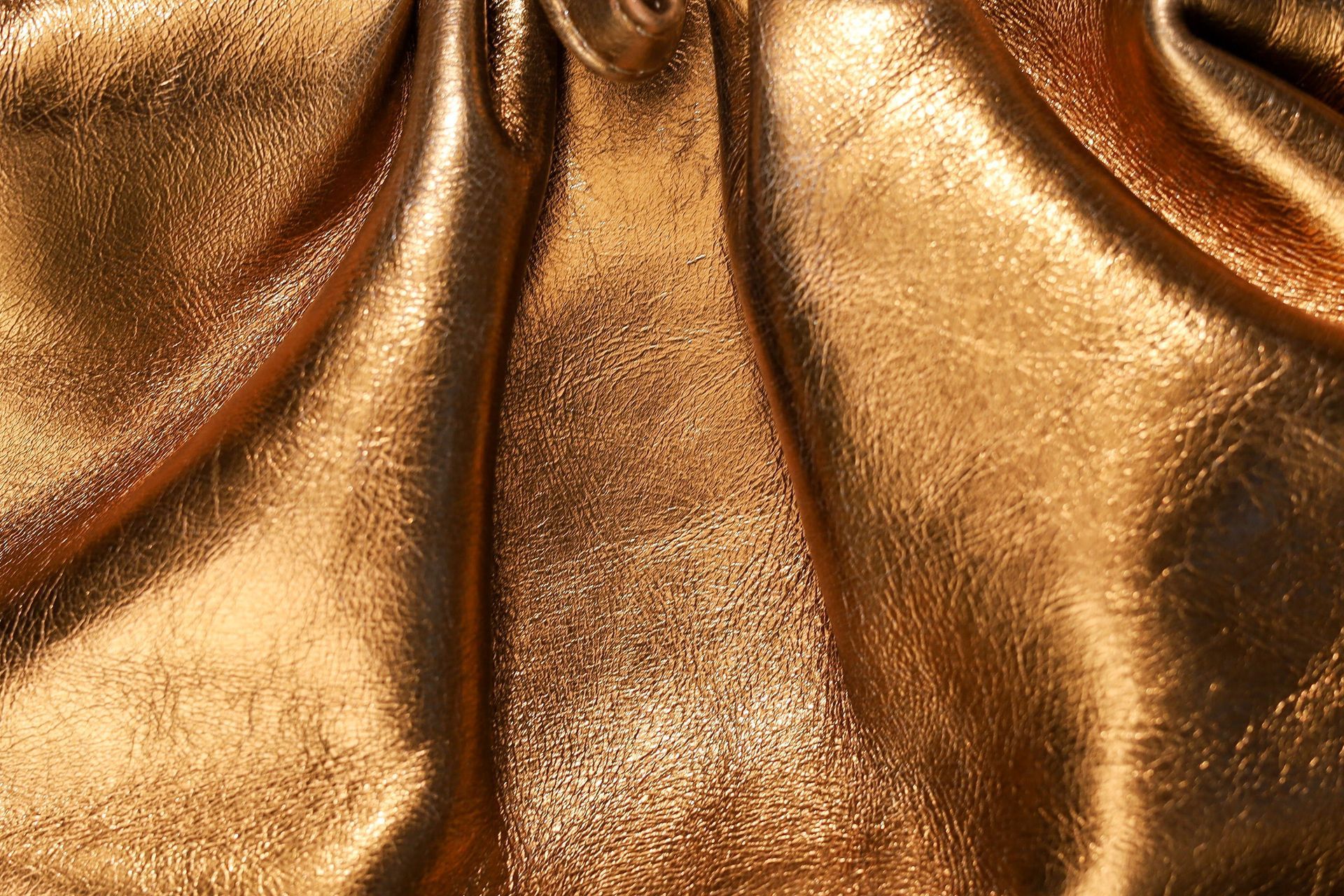
Bronze powder finishes can also vary considerably. One bronze might be nearly black in low light. Another can look brown with subtle metallic flake. Champagne bronze can move toward muted gold, while copper bronze may show stronger red or orange undertones.
There really is no single “bronze.”
Why Is Bronze So Popular?
Bronze succeeds because it provides contrast without demanding all of the attention.
A gloss-black railing can look sharp and contemporary, but it can also feel severe when surrounded by warm wood, stone, brick, or earth-tone architecture. Bronze introduces a warmer tone while still preserving the strength and visual weight you expect from metal.
That makes it especially useful around natural materials.
A bronze staircase beside walnut flooring feels intentional. Bronze patio furniture against flagstone tends to blend into the landscape more naturally than bright silver. Dark architectural bronze around glass can create definition without producing the stark contrast of jet black.
The same idea carries into automotive design. Bronze wheels add enough contrast to change the personality of a vehicle without pushing the car into an obviously custom or show-oriented look.
Why Bronze Color Works So Well on Automotive Projects
Wheels are probably where most people encounter bronze powder coating today.
Spend a few minutes in automotive forums and you will find the same question over and over: What car colors actually look good with bronze wheels?
The answer is broader than you might expect.
Bronze works particularly well with gray and silver because the warm wheel contrasts against the cooler body color. It also looks strong against black because the bronze prevents the entire vehicle from becoming one dark mass. White gives bronze plenty of contrast, while dark greens and blues can create a more distinctive performance or off-road look.
Full Blown Coatings has seen this firsthand. One graphite metallic SUV from Murray, Utah had gloss-black wheels before being refinished in satin bronze. The bronze created more visible separation between the wheels, tires, and body, and the owner reported that ordinary dust was less noticeable than it had been on the gloss-black finish.
That illustrates one reason bronze has become such a useful automotive color. It stands out, but it does not necessarily scream for attention.
Does Bronze Hide Brake Dust Better?
This comes up regularly among wheel buyers.
The answer depends heavily on the bronze you choose.
A medium satin bronze can be relatively forgiving because brake dust, road grime, and minor water spotting do not create the same immediate contrast they often do on gloss black, bright white, or polished finishes.
That does not mean the wheels stay clean. Brake dust is still there and should still be removed routinely. It simply means the wheel may continue looking presentable between washes.
Finish sheen matters here too. A satin bronze generally diffuses light more than a high-gloss finish, which can make minor grime and micro-marring less visually obvious.
For a daily driver, truck, overland vehicle, or SUV, that can be a practical advantage.
Satin Bronze, Gloss Bronze, or Matte Bronze?
The same basic color can look surprisingly different depending on gloss level.
Satin Bronze
Satin is one of the most versatile options because it gives you metallic character without excessive reflection. It works especially well on wheels, railings, furniture, and architectural components.
If you want bronze to look upscale rather than flashy, satin is often the place to start.
Gloss Bronze
Gloss emphasizes depth and metallic effect. On clean, smooth automotive wheels or decorative pieces, it can create a stronger visual impact.
The tradeoff is that gloss tends to make surface defects, dust, fingerprints, and cleaning marks more noticeable.
Matte or Textured Bronze
Matte and fine-textured bronze can give fabricated metal a heavier, more architectural appearance. Texture is especially useful on railings, patio furniture, gates, handrails, and other parts where you want to reduce glare or visually soften small surface irregularities.
Why Does Bronze Sometimes Look Different Than the Sample?
This is one of the most important questions to answer before you choose any metallic powder.
IFS Coatings notes, “With certain metallics, like mica, the angle and lighting can alter their appearance.”
That is exactly what happens with many bronze powders.
A sample chip can appear brown under one light source, golden under another, and considerably darker when you take it outside. Curved surfaces may also catch metallic effects differently than flat surfaces.
The substrate, coating thickness, application technique, and clear coat can influence the result too.
This is why you should not choose metallic bronze based only on a photo on your phone.
Look at a physical sample in daylight. Then look at it in shade and under the lighting where the finished piece will actually live.
For an expensive staircase, wheel set, commercial fixture, or architectural project, requesting a coated test panel can save you from choosing a bronze that looked completely different online.
Why Bronze Is Popular for Railings, Gates, and Staircases
Bronze is particularly strong on architectural metal because it works with such a wide range of surrounding materials.
On a staircase, bronze can bridge the visual gap between steel and wood. On an exterior railing, architectural bronze can complement brick, stucco, stone, glass, and natural landscaping.
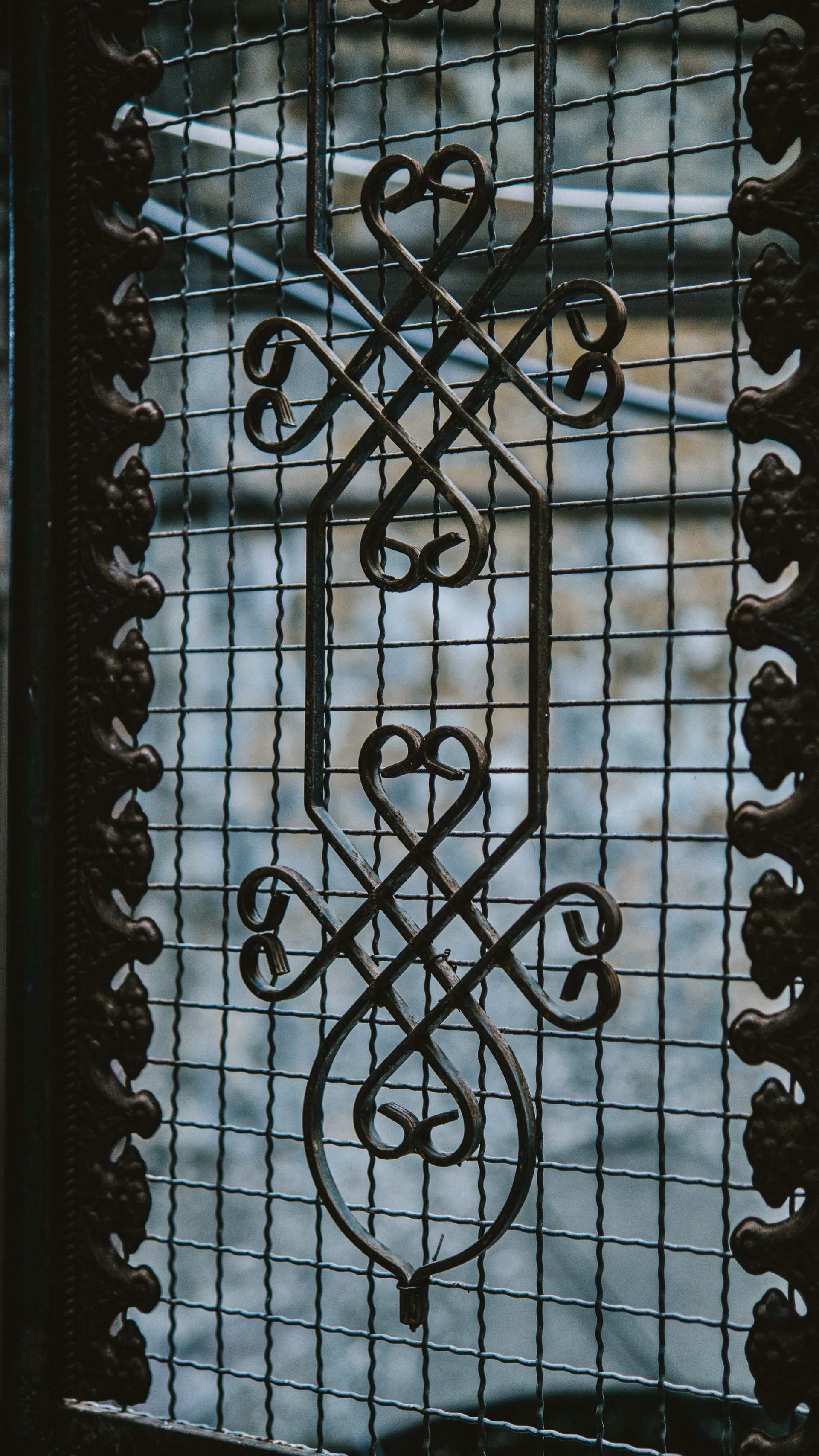
Gates are another strong application. Large gates finished in black can become visually dominant. A dark bronze can retain that strong outline while introducing enough warmth to integrate the metal into the property.
Full Blown Coatings has also used bronze texture on outdoor furniture. In one Logan-area project, bronze was selected because it complemented the surrounding stonework while the texture helped visually soften small imperfections in the older furniture.
This is where color selection becomes more than decoration. The right bronze can help the metal belong in its surroundings.
Is Bronze Powder Coat Good Outdoors?
Yes, as long as you select the correct powder.
This distinction matters because bronze is a color family, not a durability specification.
If you are coating an outdoor railing, wheel, gate, patio set, sign, or architectural component, you should ask whether the powder is formulated for exterior exposure.
For demanding outdoor projects, polyester or super-durable polyester systems may be selected because they provide better UV stability and color retention than powders intended only for interior use.
Some architectural bronze metallic powders are specifically engineered for higher-performance exterior applications.
You should tell your powder coating shop exactly where the part will live. Utah sun, coastal air, road deicers, commercial washdown environments, and climate-controlled interiors are not the same exposure.
Why Surface Preparation Still Matters More Than Color
A beautiful bronze powder cannot compensate for bad metal preparation.
If the part has corrosion, loose paint, old powder, scale, oils, or contamination underneath the new finish, coating performance can suffer regardless of the color.
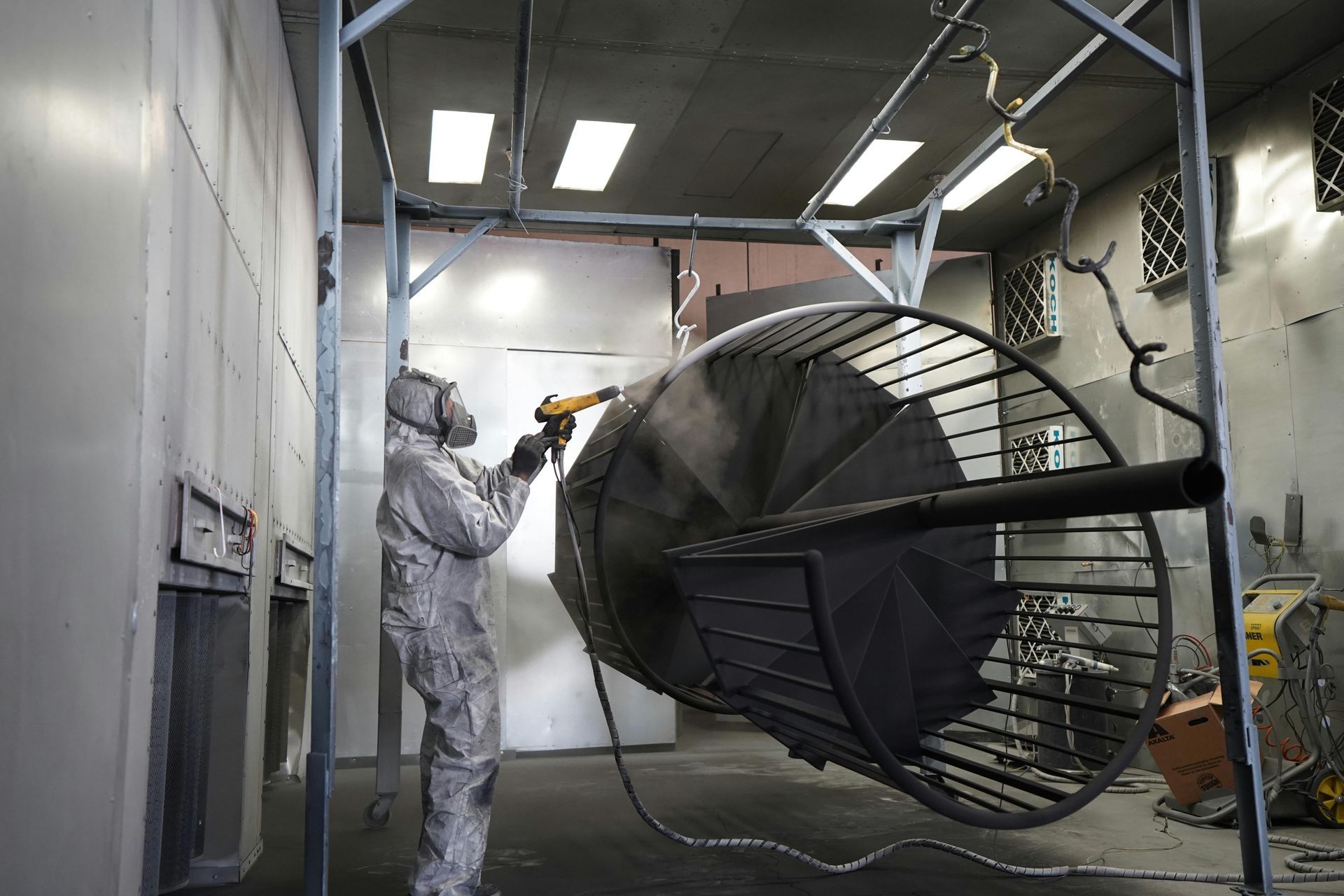
That is why media blasting remains such an important part of professional metal finishing.
Blasting can remove old coatings and corrosion while creating an appropriate surface profile for the new finish. It can also expose problems that were hidden beneath the previous coating, including pitting, poor welds, old repairs, and damaged metal.
The finish you choose affects how much of that surface remains visible.
A bronze fine texture can visually soften minor substrate irregularities. A smooth metallic bronze can make scratches, grinding marks, and uneven fabrication more obvious.
That makes the preparation standard part of the color decision.
Does Bronze Need a Clear Coat?
Sometimes.
Certain metallic powders require or benefit from a compatible clear coat. A clear can help protect the metallic effect, add depth, improve chemical resistance, or support the complete finish system.
Full Blown Coatings currently requires clear coat on metallic and certain specialty colors in its pricing terms, which is something worth discussing when you get a quote.
A clear coat can also change the final appearance. It may deepen the bronze, increase gloss, or slightly change how the metallic particles reflect light.
Again, the complete sample matters more than the color name.
Is Bronze Just a Trend?
Bronze is certainly fashionable in automotive and architectural design, but it has more staying power than many bright custom colors because its roots are much older.
Bronze, brass, copper, blackened metals, and patinated finishes have been used in architecture, furniture, sculpture, and hardware for generations.
Modern powder coating simply gives you a more controlled way to recreate many of those warm metallic appearances.
That is why bronze can work on a modern SUV and a traditional wrought-metal gate without looking completely out of place on either one.
Final Thoughts
Bronze Color is popular because it manages to be distinctive without becoming difficult to live with.
On automotive projects, bronze wheels create contrast and metallic depth while remaining more restrained than gold or chrome. On railings, staircases, gates, furniture, and architectural metal, bronze works particularly well with wood, glass, stone, brick, concrete, and natural landscapes.
You also have considerable control over the final appearance. Dark bronze can approach black. Champagne bronze can lean toward gold. Satin bronze provides a refined metallic finish, while textured bronze can create a rugged architectural look.
The key is to choose more than a color name.
Look at the powder chemistry, gloss level, metallic effect, substrate condition, preparation process, clear coat requirements, and actual environment where the part will be used.
Most importantly, look at a physical sample.
Bronze is one of those finishes that changes with its surroundings. When you choose the right version for the project, that is not a weakness. It is exactly what makes bronze such an appealing metal finish.
Share This Post!