Metal Refinishing: How a Blast and Coat Shop Revives Worn Metal
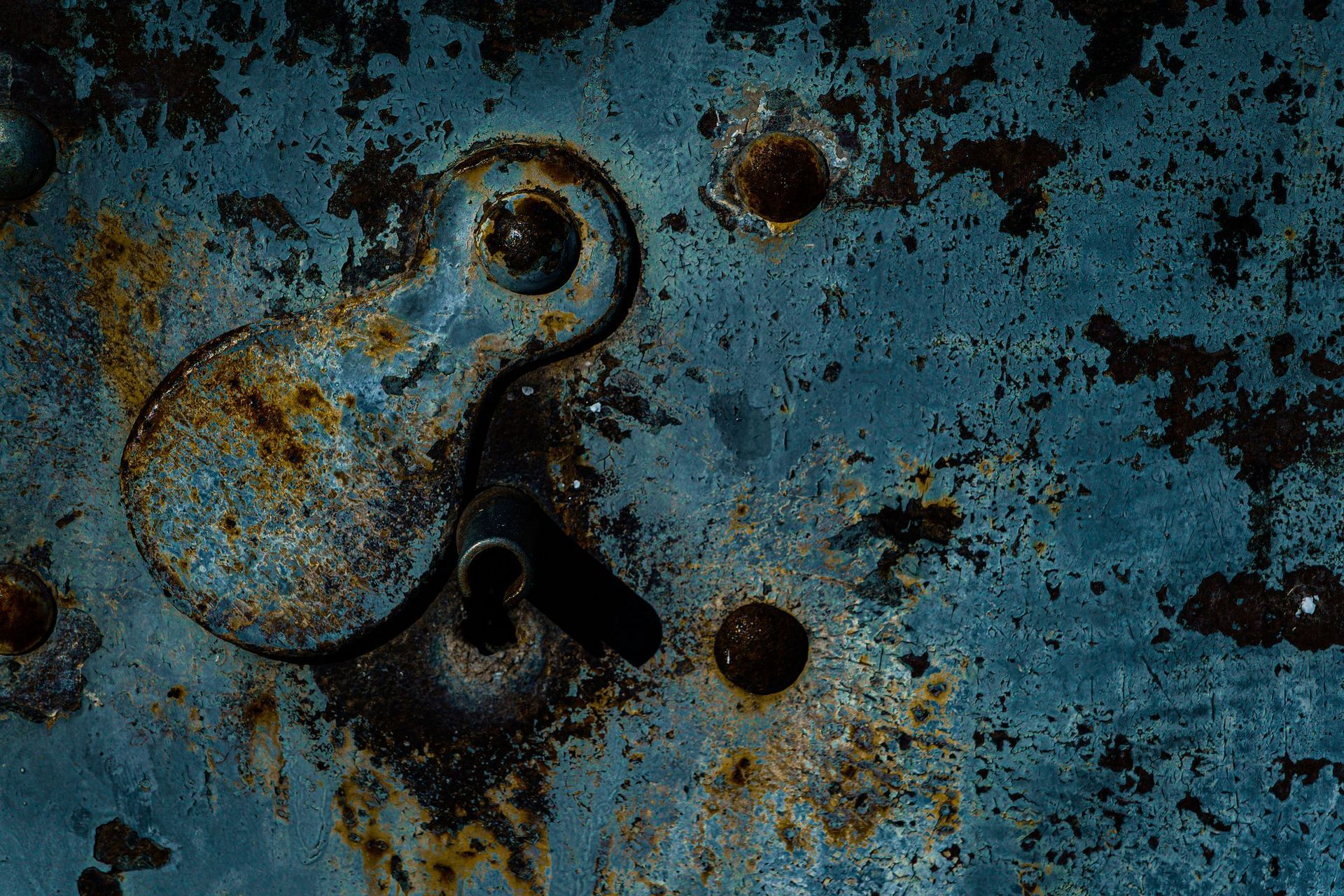
A steam radiator rolls into the shop on a dolly, and the first thing you notice is the color: a beige that went out of style decades ago. Underneath the peeling paint and the rust blooming along the seams, the cast iron is still perfectly sound. The same story shows up with wrought iron gates, pot-bellied stoves, deck railings, and engine parts pulled from project cars. Most of what people call "worn out" metal isn't worn out at all. The finish failed. The metal underneath kept going.
That's the case for metal refinishing. Strip the failed coating, clean the surface down to bare metal, and put a new finish on metal it can actually bond to, instead of over a coat that already let go. If you've ever searched "metal refinishing near me," though, you've probably noticed the results pull up two very different kinds of businesses. Here is how the two differ, what shop-based refinishing actually involves, and how to tell whether your piece is a good candidate.
What "Metal Refinishing" Means at a Blast-and-Powder-Coat Shop
The term "metal refinishing" covers two trades that don't overlap much.
The first is architectural metal refinishing. Those companies come to your building and polish, lacquer, and replate brass, bronze, and stainless steel in place. They restore elevator doors, hotel lobby fixtures, and historic hardware without removing them. It's a skilled trade, and it's a different one from what happens in a blast and coat shop.
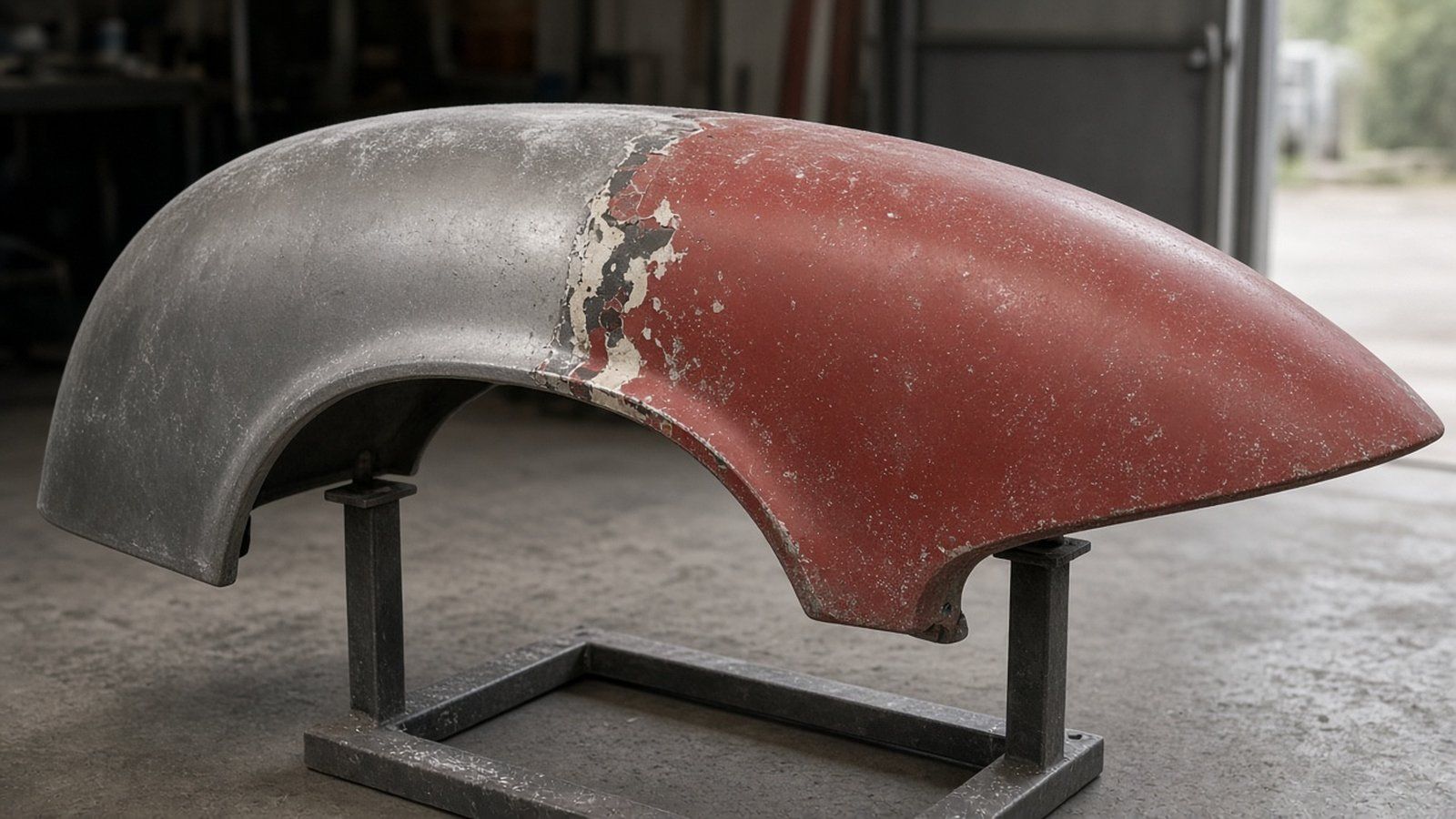
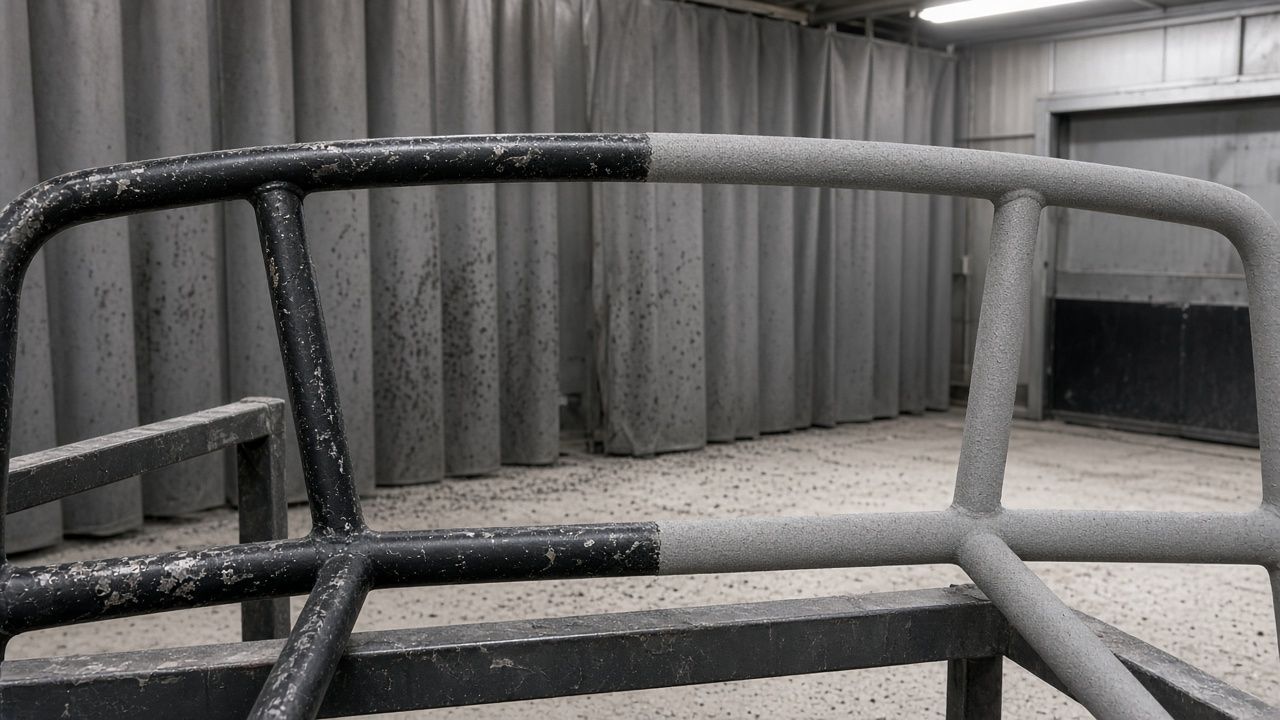
Our lane is shop-based refinishing. Your part comes to us, we inspect it, and then we strip it to bare metal with sandblasting or media blasting, which removes old finish, paint, rust, and oxides while etching the surface so the new coating can grip it. From there, parts get primed where recommended, powder coated, and oven cured. The result is a uniform finish bonded to clean metal rather than layered over whatever was there before. The broader family of
metal finishing covers a range of techniques, and
sandblasting is the stripping step that makes the rest of the process possible.
Shop Refinishing vs. In-Place Architectural Refinishing vs. DIY
| Route | What happens | Best for | Not a fit for |
|---|---|---|---|
| Blast + powder coat at a shop | Strip to bare metal, prime where recommended, powder coat, oven cure | Removable metal: railings, gates, furniture, radiators, stoves, bells, plumbing fixtures, engine parts, equipment parts | Items that can't leave the site; non-metal; chrome already corroding or flaking |
| In-place architectural refinishing (different trade) | On-site polishing, lacquering, plating of brass, bronze, stainless | Fixed architectural metal in commercial and historic interiors | Anything needing stripping, rust removal, or a durable new coating |
| DIY strip and paint | Hand or chemical stripping, brush or spray paint | Small, low-stakes items where budget matters most | Heavy rust, large pieces, anything needing long-term adhesion without a blast profile and oven cure |
The short version: if the piece can come off the wall, out of the yard, or off the vehicle, shop refinishing is usually the right route. If it's fixed architectural brass inside a building, you need the other trade. DIY makes sense only when the stakes are low.
Is the Piece Worth Refinishing?
You can usually make this call in a few minutes of looking.
The good signs are structural soundness under surface failure. Surface rust, chipping, peeling, or a color that dates the piece are all cosmetic problems. Heavy steel and iron often outlast their finishes by a long way, and that is what makes old pieces good candidates. The antique items we list for refinishing include wrought iron fencing, antique Dutch ovens and pot-bellied stoves, metal steam radiators, antique bells, plumbing fixtures, and classic engine parts. Pieces with sentimental or period value are often worth metal restoration even when a replacement exists, because the replacement isn't the same piece. Our
antique restoration page has more on that kind of project.
Here in Northern Utah, outdoor metal takes a beating. Freeze-thaw cycles, road salt, and sprinkler spray all attack coatings and accelerate corrosion once a finish starts to fail. One thing worth knowing before you plan an outdoor project: contact with salt water, chlorine, fertilizers, and sprinkler systems is excluded from our 12-month limited warranty on powder-coated surfaces. The details are spelled out on the
warranty page.
The wrong candidates are pieces that are rusted through, cracked, or carrying broken welds. Refinishing doesn't fix structure. Those repairs belong with a fabricator or welder before the part ever reaches us, because refinishing covers the finish, not the structure. If a repair would cost more than having a quality replacement made and coated from scratch, that comparison is worth making honestly.
The clearest example of a worthwhile project is residential and commercial railing and gates. The metal is heavy, the structure lasts, and the finish is what fails. We cover railing and gate projects in detail on the
railing and gates page.
What the Refinishing Process Looks Like, Step by Step
Inspection and the Confirmed Quote
Every part is inspected when it arrives, and the price is confirmed only after parts are delivered, inspected, and processed. The reason is simple: old paint hides things. Corrosion that looks like light surface rust from the outside can turn out to be deep pitting once the coating is off. When unforeseen conditions like extra sanding or re-coating come up during processing, the quote gets adjusted. That is worth knowing before you drop off a heavily rusted piece.
Stripping and Blasting
Before any coating goes on, every part goes through sand blasting or media blasting. New powder applied over failed paint rarely holds for long, so the old finish comes off first.
Media blasting options include soda, glass, walnut, green diamond, and corn cob, and matching the media to the part matters.
Soda blasting strips paint off thin sheet metal without destroying its texture, while
pressure sandblasters handle frames, housings, and other heavy-duty parts. Sandblasting generates heat, and heat can warp thin metal, which is exactly why media selection isn't a one-size decision.
If rust or old powder is the main problem on your piece, our posts on
rust removal and
powder coat removal go deeper.
One honest note on DIY blasting: it's harder and more hazardous than it looks. The
OSHA abrasive blasting fact sheet lays out the dust, noise, and toxic material hazards involved, including lead paint on the surface being blasted, which is part of why blasting is best done in a controlled shop environment with proper containment and protective equipment.
Priming Where It Matters
Primer is recommended on all aluminum parts and on all outdoor metal. It adds a protective layer under the color coat, and the warranty takes it seriously: declining primer on those parts voids coverage. Plan for it from the start, especially on anything that lives outside.
Powder Coating and the Oven Cure
Once the part is clean and primed where recommended, powder is applied electrostatically and then cured in the oven. We run a large curing oven, so if you're wondering whether a big piece fits, include its measurements when you send your photos.
Final Inspection Before Pickup
Parts are inspected before they leave the shop, and you'll inspect and sign off when you collect them. If you're ordering a specialty finish, read the finish section below first, because those come with specific expectations attached.
What Can and Can't Come Through the Shop
A few boundaries keep expectations clear before you load the truck.
This route is for metal that can be removed and hauled. The stripping, coating, and cure all happen at the shop, so if a piece can't come off the wall or out of the ground, ask before assuming it's a fit.
Chrome has one firm rule: we will not coat chrome that has begun to corrode, flake, or peel. Once the plating itself is failing, coating over it isn't a real fix.
Castings need a heads-up. Porous castings like cast iron, cast aluminum, and magnesium can trap gases that escape during the cure and bubble the finish, a problem called outgassing. Cast pieces can be outgassed before coating, so tell us when a part is cast. TIGER Drylac has a useful
explanation of outgassing in powder coating if you want the technical background.
Heat-sensitive pieces can't take the process. The finish cures in an oven, so rubber, plastic, seals, bearings, and electronics need to come off before drop-off.
Old paint deserves caution. Decades-old paint on radiators, stoves, and antiques may be lead-based. The
EPA's guidance on lead paint at home notes that homes built before 1978 are more likely to have lead-based paint. Lead abatement isn't a service we list, so if you know or suspect a piece carries lead paint, tell us before you bring it in so we can talk through whether it's a fit.
When you're comparing local options from a "metal restoration near me" search, ask one vetting question: does the shop strip and recoat parts in-house, or does it polish in place? You'll know within one conversation which kind of business you've called.
What You Handle Before Drop-Off
A little prep on your end keeps the project on track and protects your warranty coverage.
Disassembly is yours. We don't disassemble or reassemble, so take the piece apart before drop-off, and note anything that needs masking, because masking happens only per written instructions.
Repairs come first. Broken welds, cracks, and holes need to be fixed before the part reaches us. Keep in mind the warranty excludes conditions uncovered during processing, so a hidden crack found mid-job is a problem, not a covered fix.
Round your sharp edges before drop-off. We don't round them, and warranty coverage ties to this prep step.
A few construction details affect coverage on railings and fencing specifically: handrails and fencing that aren't welded solid aren't covered, overlapping metals and non-seal welds aren't covered, and capped tubes need weep holes so vapors and gases can escape during the cure. If you're having new fabrication coated, share these requirements with your welder.
Finally, write a careful part description. Measurements, colors, and instructions drive masking and processing, so the more precise you are, the more precisely the job comes out.
Choosing a Finish
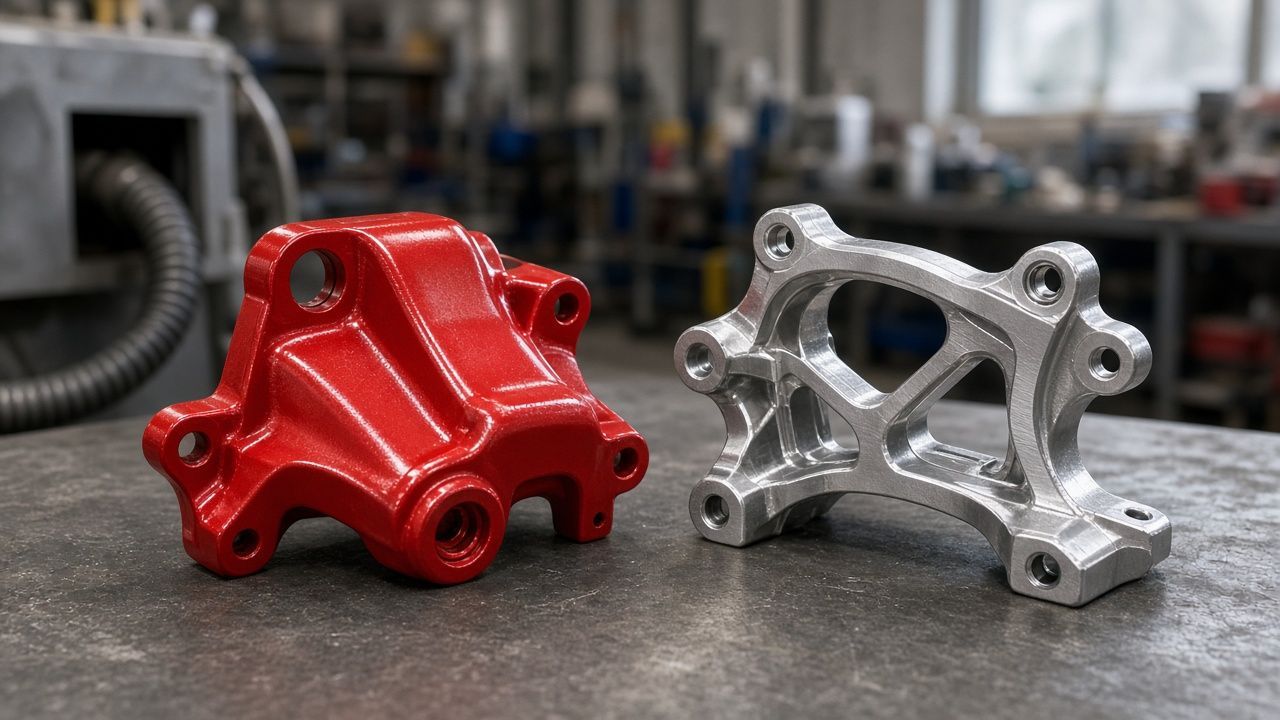
Powder offers a wide palette: gloss, satin, matte, textured, wrinkle, metallic, candy, and clear coats. For outdoor pieces, think about where the item will actually sit. A gate next to a sprinkler head or a railing that catches road salt is fighting its environment no matter what color you pick.
Specialty finishes deserve eyes-open decisions. Candies, chromes, illusions, and wrinkles can bubble over pinholes in the metal, and those finishes are processed one time only, which means a redo for color variance or bubbling is charged as a new job. Chrome, metallic, and silver colors also require a clear coat, which our terms price at an added 50%. If your part has casting porosity or pitting, ask whether a solid or textured color makes more sense.
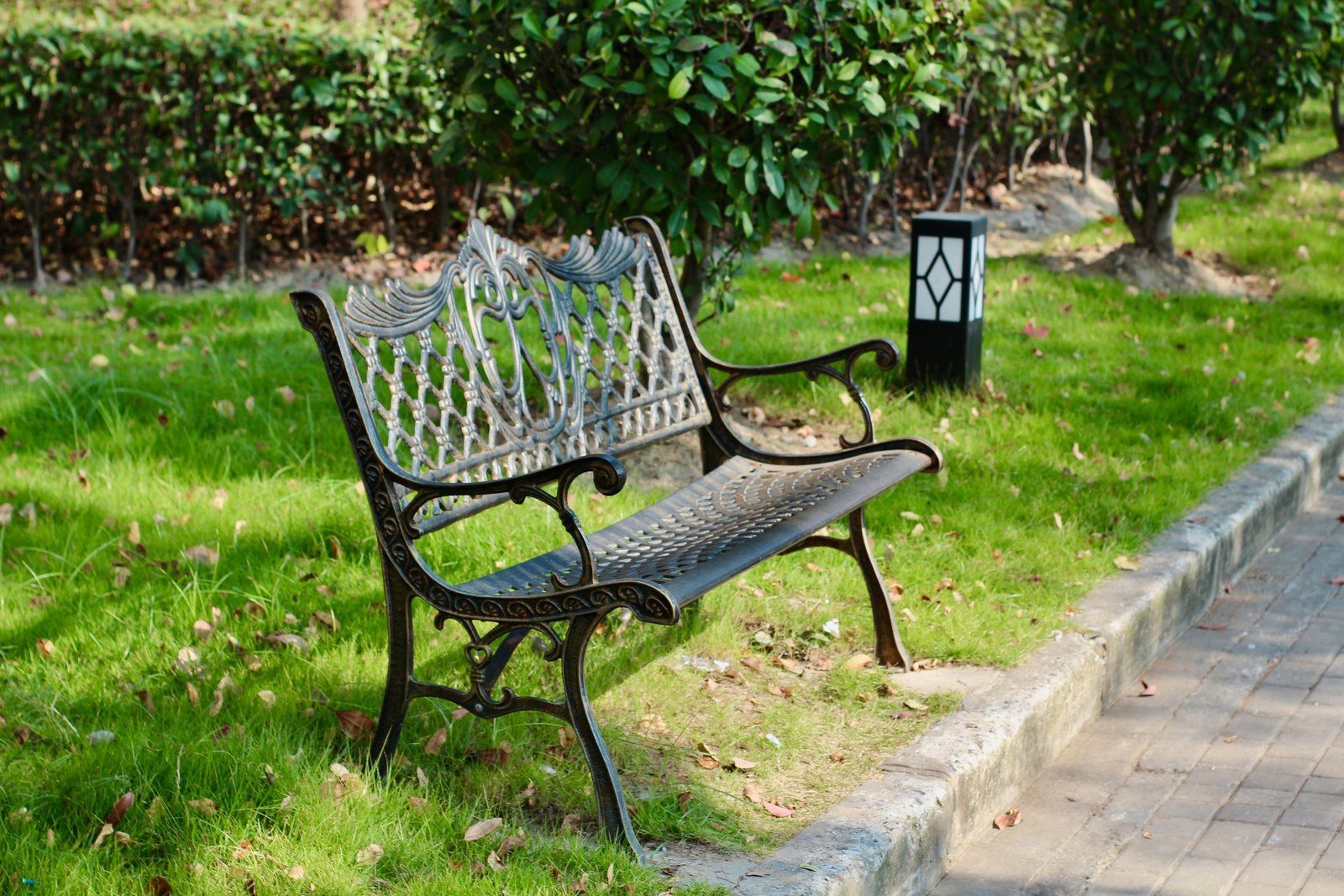
Finish selection is also where projects like metal furniture refinishing come together. A color change on a patio set, a bench, or a bed frame can make an old piece feel new again, and we cover furniture projects on the
furniture powder coating page.
How Pricing Works
Our terms list the rates. Blasting runs $150 per hour with material included, with a $120 minimum per order and a $40 minimum per color.
The number that matters most is the confirmed price, and that comes once we can actually see what is under the old finish. Unforeseen conditions, like hidden corrosion requiring extra sanding or a re-coat, adjust the quote. It's the honest way to price work nobody can fully see until the old finish is off. The full terms are on the
terms and conditions page.
Getting a Quote and Getting Your Parts to the Shop
Photos are the fastest way to start an estimate. Send overall shots of the piece, close-ups of any rust or paint failure, approximate measurements, and a note on whether it lives outside.
Drop-off is at the Sandy shop: 9479 South 500 West, Sandy, UT 84070, behind Titan Cabinetry. If hauling is the obstacle, we offer pickup and delivery within 100 miles of Salt Lake City, and you can read the details on the
pickup and delivery page.
Ready to get started? Request a free quote through the
contact page, call 801.631.1708, or email service@fullblowncoatings.com with your photos and measurements. That worn-out piece you've been looking at might just need a new finish.
Share This Post!