Powder coating Colors, the rundown for utah buyers
Powder coating Colors and Color Charts — Utah Buyer’s Guide
If you are comparing Powder coating Colors for a project in Salt Lake County, Utah County, Davis County, Weber County, or Cache County, this guide will help you choose a color and finish that looks great and lasts in real Utah weather. We will explain how powder coating color charts work, what different finishes do, and how surface prep like sandblasting and media blasting affects the final look. You will also find practical examples from the Full Blown Coatings team to make the choices feel concrete, whether you are planning wheel powder coating in Utah, architectural railings, or off-road parts.
Powder Coating Colors 101
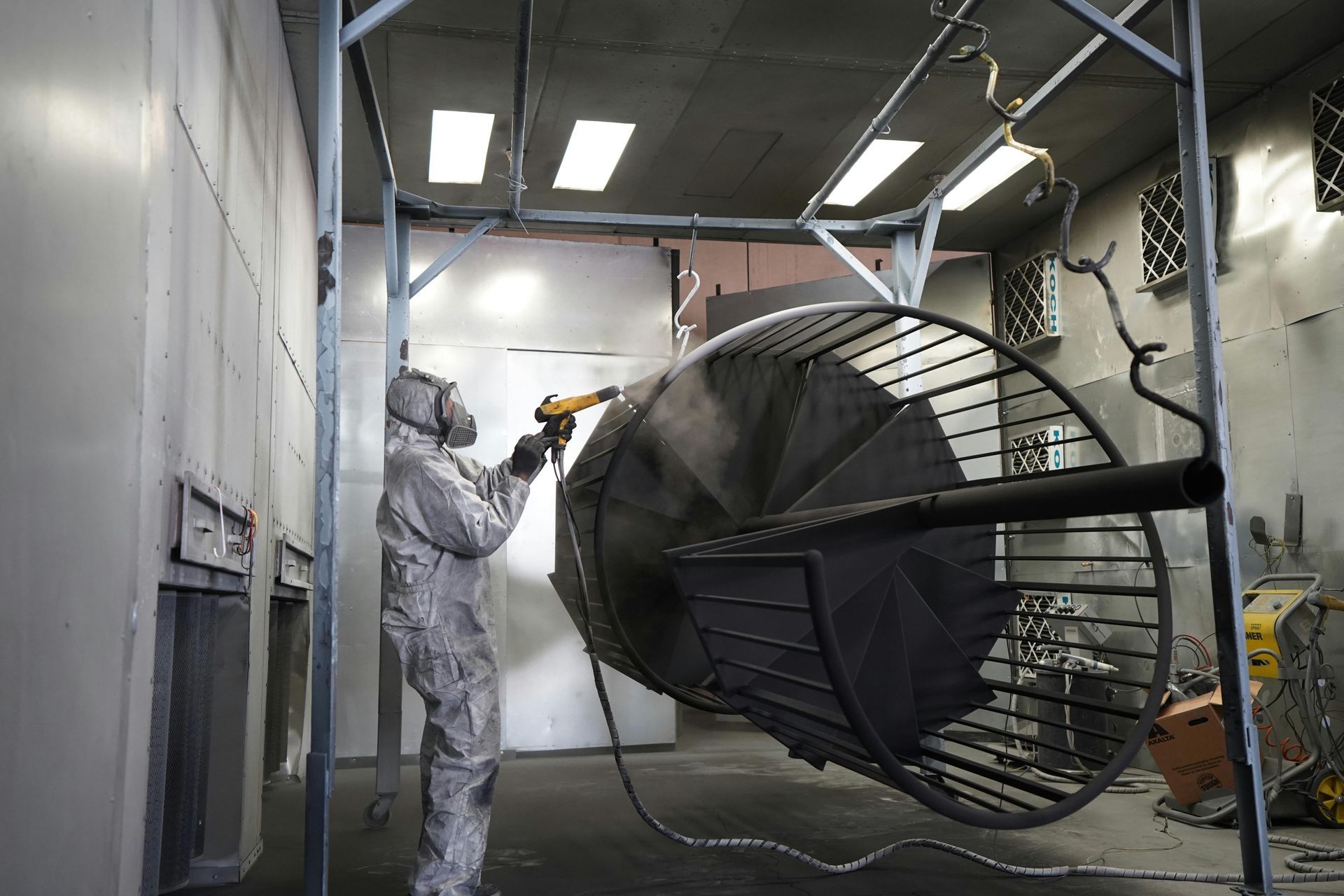
Powder coating is a dry finishing process where pigment, resin, and additives are blended into a free-flowing powder. The powder is charged and sprayed onto a grounded part, then cured in an oven to form a continuous, durable film. The color you see is the result of three things working together:
- Pigments and effects give hue, saturation, metallic sparkle, or special textures.
- Resin chemistry dictates durability and UV resistance. Exterior polyester is the workhorse for Utah projects that live outside. Epoxies are often reserved for primers or indoor parts.
- Additives control flow, texture, gloss level, and special effects.
Preparation is just as important as the color itself. Clean metal and the right surface profile allow the powder to wet out smoothly and show its true shade. That is why professional sandblasting or glass bead blasting is part of a reliable color process.
How to Read a Powder Coating Color Chart
Color charts are your roadmap. Understanding them helps you narrow thousands of choices to a few great options.
RAL Classics and RAL Design
Most Utah buyers encounter RAL charts first. RAL Classic is a standardized set of solid colors identified by numbers, such as RAL 9005 Jet Black or RAL 5015 Sky Blue. RAL is easy to source, which keeps lead times predictable for shops in Salt Lake City, Provo, Ogden, Logan, and surrounding areas. If you need a fast turn, starting with RAL often saves time.
Manufacturer Collections
Suppliers like Cardinal, Tiger, IFS, and Prismatic offer catalogs with solids, metallics, candies, and textures. These collections go beyond RAL and include popular effects like fine texture black, metallic charcoal, candy red with clear, bronze texture, and wrinkle finishes. Always compare physical chips under real light. Phone screens cannot show depth, sparkle, or subtle undertones accurately.
Gloss and Sheen
Gloss level changes both appearance and maintenance:
- Flat and matte hide surface waviness but can show hand oils on dark colors.
- Satin is the Utah favorite for wheels and railings because it hides dust and small scratches while keeping a crisp look.
- High gloss pops on show parts and candy colors but will show micro-marring more readily.
Effects and Textures that Perform in Utah
Solids, Metallics, Candies, and Translucents
- Single-coat solids are efficient and durable. Satin black, bronze, and metallic gray are common requests from homeowners and fleet managers.
- Two coat systems add depth and protection by applying a base color and then a clear or tinted clear. This is popular on custom wheels and brake calipers.
- Candies and translucents produce eye-catching color over polished or machined metal, then are locked in with a clear.
Textures that Hide Wear
Wrinkle black, river texture, hammertone, and fine textures excel on off-road parts, handrails, and patio furniture. Texture scatters light, so dust and micro-chips are less visible after a season of canyon roads or winter salt.
"A homeowner in Logan brought a weathered patio set to Full Blown Coatings. A bronze texture not only matched their stonework but also masked small dings. One year and many snowstorms later, the set still looked freshly installed with simple soap-and-water cleaning."
Choosing Color by Use Case
Wheels and Brake Calipers
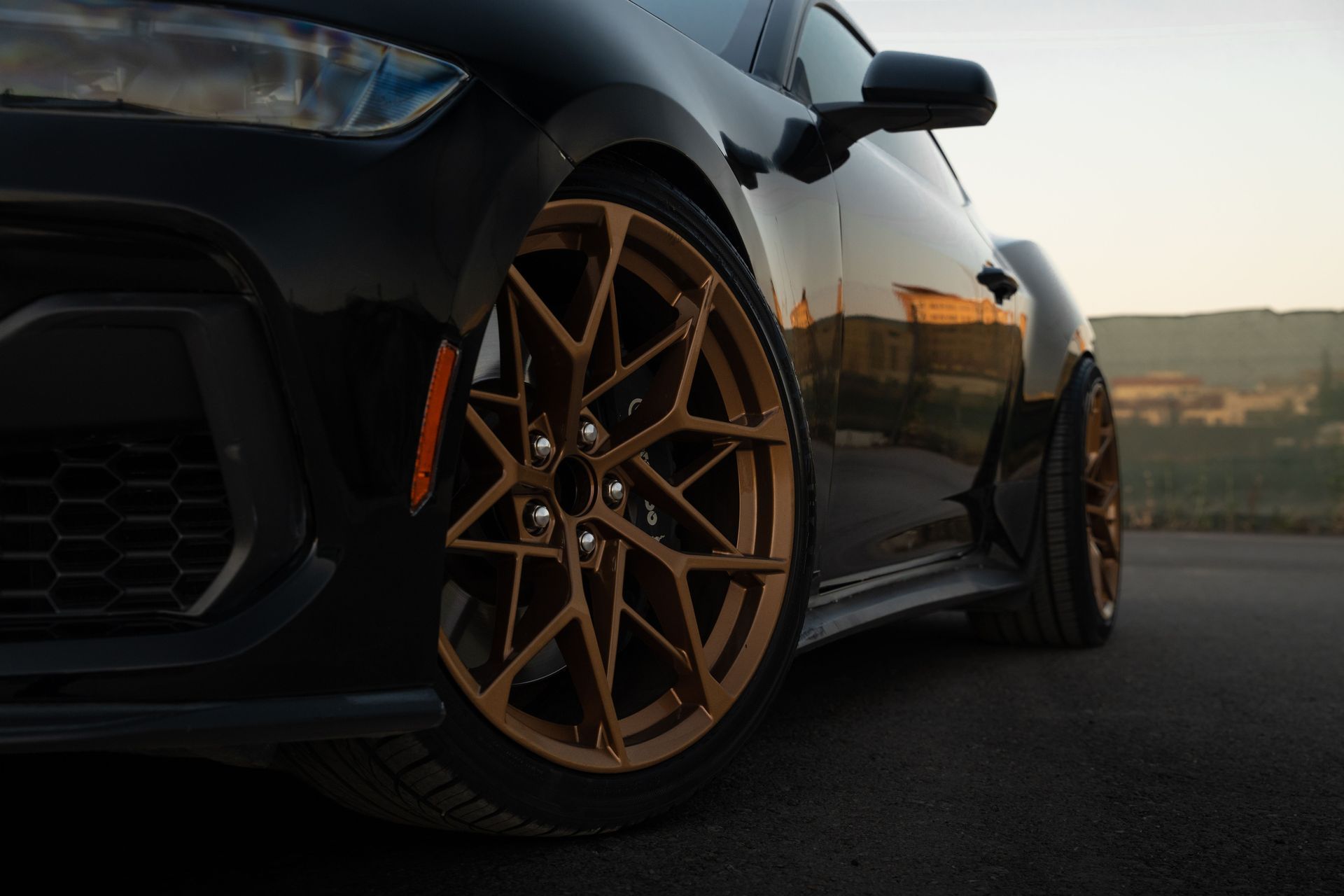
Wheels see heat, brake dust, gravel, and winter treatments. Satin black and metallic charcoal remain top choices because they balance style and easy cleaning. Calipers often get candy red with clear or bright satin colors for contrast behind darker wheels.
"A driver from Sandy brought in stained wheels and asked for a finish that would not show every wash mark. After comparing gloss chips in the parking lot light, they chose satin black. A season later they reported less visible swirls and faster cleanup after snow days."
Railings, Gates, and Architectural Metal
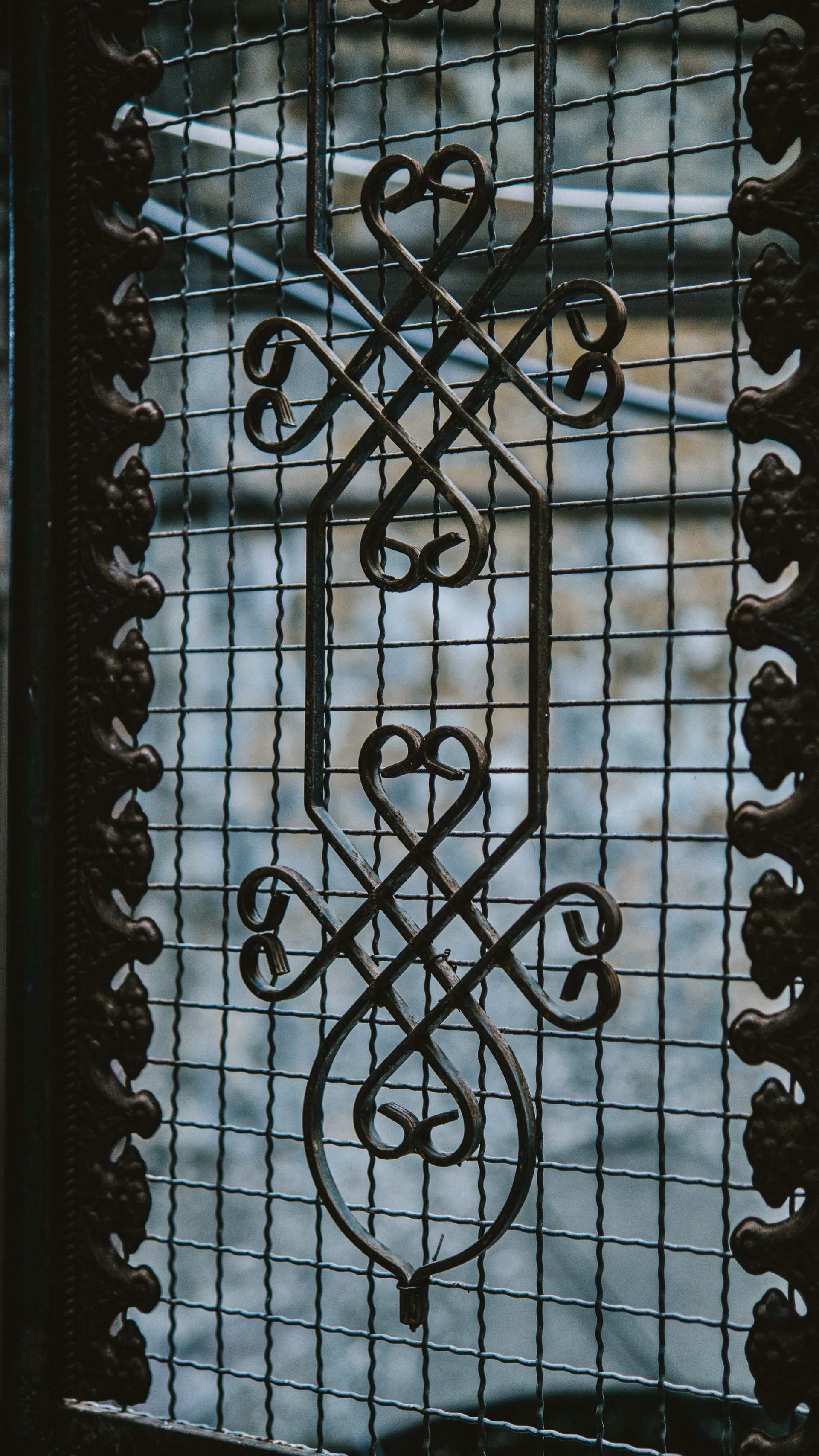
Exterior polyesters with neutral tones like satin black, bronze, and charcoal complement stucco, timber, and modern metal facades from Salt Lake County to Weber County. A clear top coat adds extra UV and chemical resistance in high exposure zones such as pool decks.
"A builder in Park City needed a black that matched existing trim. The Full Blown Coatings team compared RAL chips on site and selected a satin black that matched both in shade and sheen. The inspector praised the uniform look across sections coated months apart."
Off-Road and Utility Parts
Bumpers, sliders, racks, and skid plates take impacts. Fine texture black hides rash while keeping edges crisp. If you want color, a metallic base with a satin clear can maintain depth and still forgive trail wear.
Matching and Custom Colors
When a RAL Match Works
If your goal is a close match to a common black, gray, or architectural bronze, RAL provides a good balance of speed and consistency. Note that batches can vary slightly. Good shops check incoming powder lots against a control chip.
True Custom Mix
When brand or design demands an exact match, a custom blend can be created. Expect longer lead times, minimum order quantities, and a physical approval chip process. Substrate, film thickness, and clear coats can shift the eye’s perception of the same color, so testing on a real part is smart.
Anecdote: An industrial client in West Valley required a safety yellow that matched a paint-coded line. Full Blown Coatings sourced a custom polyester and produced approval panels. After the sign-off, the run coated rapidly with consistent color from rack to rack.
What Affects Cost and Availability
- Stock vs special order: In-stock blacks and grays are most economical and fast. Specialty candies, textures, and custom mixes add cost and lead time.
- Single vs two coat: Base plus clear adds material and oven time but improves depth and UV resistance.
- Masking complexity: Wheels with many spokes, intricate railings, or parts with critical threads require more prep time.
- Prep level: Heavier rust or unknown coatings may need chemical stripping before blasting to protect fine details.
The Finishing Process that Protects Your Color
Prep and Profile
The team selects media based on the substrate. On steel, aluminum oxide or crushed glass creates an anchor profile for adhesion. On aluminum, glass bead can preserve a smooth cosmetic surface. Cast parts are outgassed before color to reduce pinholes.
Application and Cure
Technicians target a film build appropriate to the powder, color, and part geometry. Correct oven temperature and dwell time ensure full cure for chip resistance and color stability.
Quality Checks
Shops that care about appearance check color and gloss under controlled D65 lighting and verify film thickness and adhesion. This reduces surprises when your parts leave the shop and see daylight in Salt Lake City, Ogden, or Provo.
"A performance shop in Ogden requested candy red calipers to match interior stitching. Full Blown Coatings sprayed test coupons of the base and clear, reviewed them with the shop outdoors, and then coated the set. The owner later noted the calipers still matched the interior after a full summer."
Care and Maintenance
- Wash with pH-neutral soap and soft brushes.
- Avoid acid wheel cleaners that can etch clears and dull metallics.
- Rinse after salt exposure in winter.
- Inspect chip-prone edges annually. Early touch-ups and recoats keep systems looking uniform.
FAQs
Do online charts match real life?
Not exactly. Use physical chips and look at them in the same light where the part will live. If possible, request a small test panel on your actual substrate.
Can you match automotive paint codes?
Often, yes, but powder and liquid systems reflect light differently. A physical comparison and, if needed, a custom mix with approval chips produce the best outcome.
What is the best black for hiding dust on wheels?
Satin or fine texture black. High gloss looks deep but shows dust and micro-swirls sooner.
Will candy colors fade in sun?
Modern exterior polyesters with a clear hold up well, but candies are more sensitive to prep and exposure. Use a quality clear and plan for simple maintenance.
Does surface prep change color appearance?
Yes. Smooth surfaces reflect more, textured surfaces diffuse light. Proper blasting and outgassing help colors lay down evenly and reduce defects that catch the eye.
Putting It All Together
Choosing Powder coating Colors is easier when you start with how the part will be used, then pick a chemistry, finish, and sheen that fit Utah conditions. Confirm choices with physical chips and, when appearance is critical, a small test panel. If you are deciding between satin black, bronze texture, metallic charcoal, or a custom candy, a short consult with a professional shop will save time and deliver the look you want.
Full Blown Coatings serves customers across the Wasatch Front with expert prep, large color libraries, approval panels, and consistent results. If you want a finish that looks right in your driveway, on your storefront, or at the trailhead, bring a photo or sample to compare against chips, or send pictures for a fast recommendation. When you search powder coating near me, expect more than a color name. Expect a process that protects your color choice for years in real Utah weather.
Share This Post!