Types of Powders in Powder Coating | powdercoating near me
TL;DR:
- The main types of powders in powder coating include epoxy, polyester, super durable polyester, epoxy-polyester hybrids, fluoropolymers, urethanes, and some thermoplastic powders.
- Epoxy powders are excellent for adhesion, corrosion resistance, and chemical resistance, but they are usually poor choices for long-term outdoor UV exposure.
- Polyester powders are among the most common options because they offer strong all-around performance, good weather resistance, and broad color and finish availability.
- Super durable polyester is often a better choice for exterior work where color retention, gloss retention, and long-term weatherability matter.
- Hybrid powders are popular for indoor products because they balance cost, appearance, and functionality, but they are not usually the best choice for tough outdoor weathering.
- Fluoropolymers and urethanes are higher-performance options used where exterior durability, corrosion resistance, smooth finish quality, or architectural performance are priorities.
- No matter which powder is used, media blasting and surface prep still play a major role in how well the coating bonds and how long it lasts. Choosing the right resin without proper prep is a common mistake. This last point is an inference based on both sources’ emphasis on adhesion, substrate suitability, and pretreatment.
Types of Powders | powdercoating near me
When people search for powdercoating near me, they are usually not just looking for a color chart. They want to know which Types of powders are best for wheels, fabricated parts, railings, equipment, and other metal surfaces, and they want to understand which finish will actually hold up in the real world. The answer depends on the resin system, the environment, the part itself, and the quality of the prep work before coating begins.
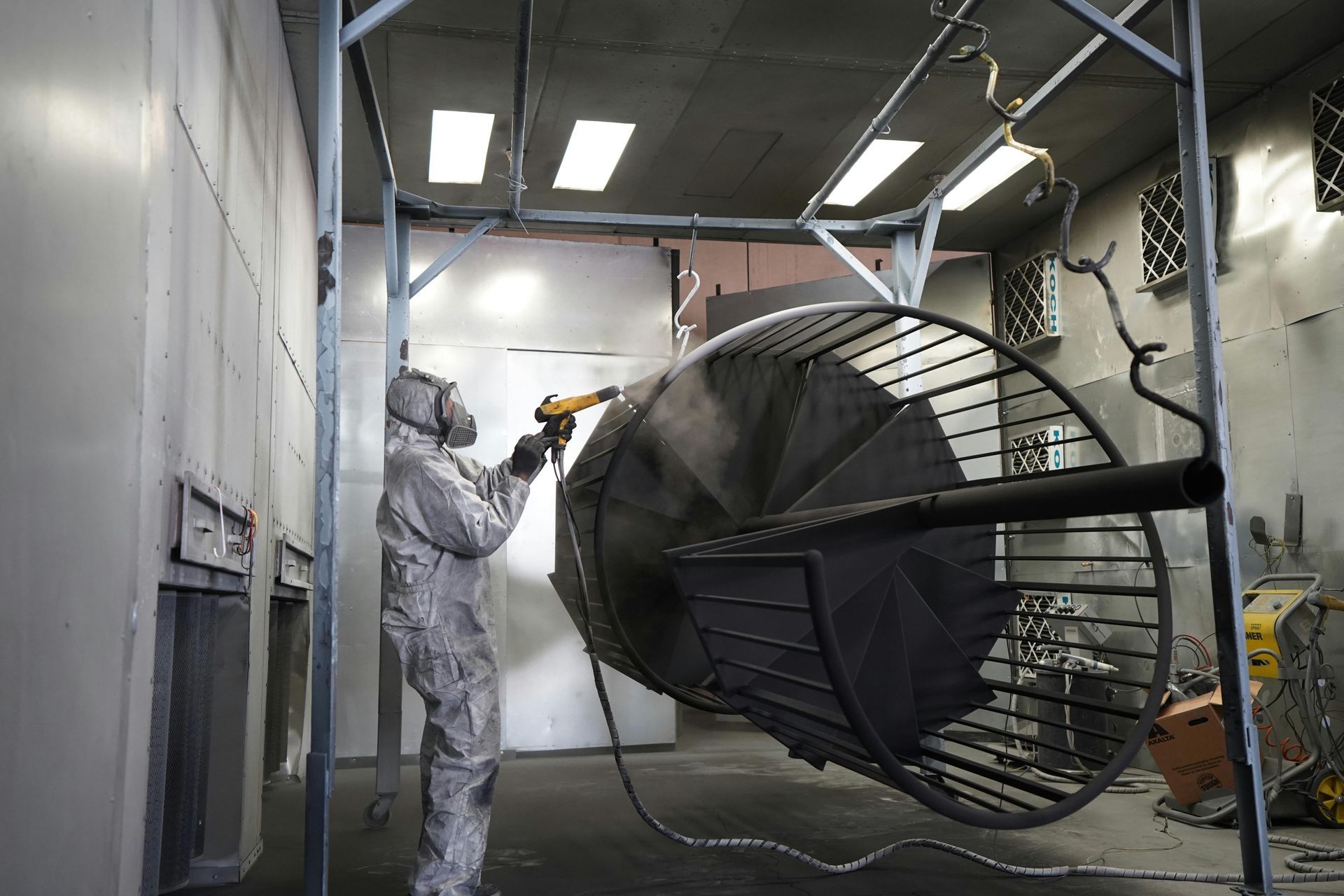
As a foundation, it helps to understand what powder coating actually is here is a solid explination: “Powder coating is a type of coating that is applied as a free-flowing, dry powder. Unlike conventional liquid paint, which is delivered via an evaporating solvent, powder coating is typically applied electrostatically and then cured under heat or with ultraviolet light. The powder may be a thermoplastic or a thermosetting polymer. It is usually used to create a thick, tough finish that is more durable than conventional paint.”
That definition matters because it explains why powder coating is such a popular choice in the metal finishing, media blasting, and powder coating services world. It is not just about appearance. It is about building a finish that can offer stronger durability, better resistance to wear, and longer-lasting performance than many traditional paint systems when the right powder and prep process are used.
At a high level, powder coatings are often grouped into thermoset, thermoplastic, and hybrid categories. In practical shop conversations, though, customers are more likely to hear about epoxy, polyester, super durable polyester, epoxy-polyester hybrids, fluoropolymers, and urethanes. Each one has a different balance of UV resistance, flexibility, chemical resistance, gloss retention, and cost.
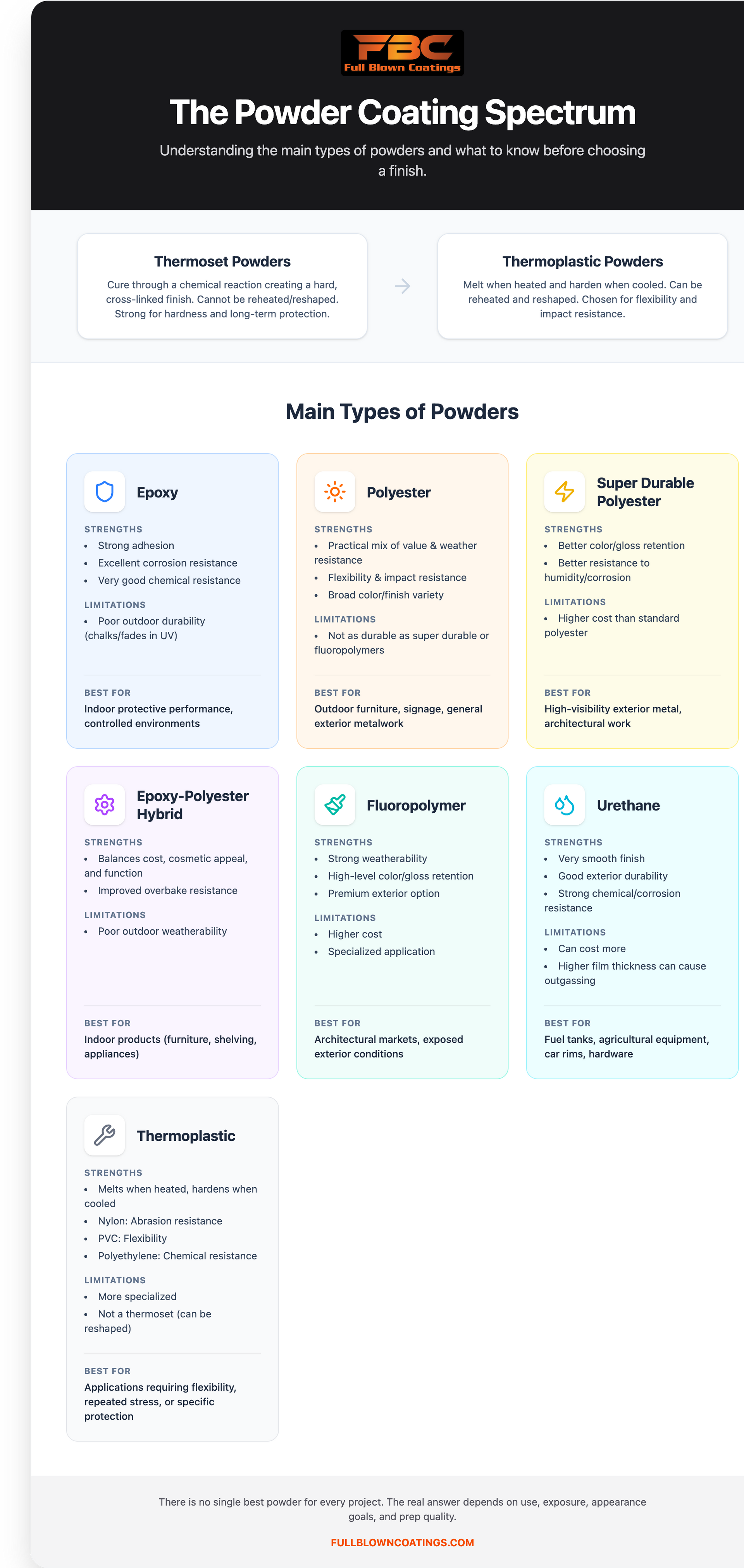
What Are the Main Types of Powders in Powder Coating?
Thermoset vs. Thermoplastic Powder Coatings
Thermoset powders cure through a chemical reaction that creates a hard, cross-linked finish. Once they are cured, they cannot simply be reheated and reshaped. That makes them a strong option where hardness, corrosion resistance, and long-term protective performance matter. Thermoplastic powders behave differently. They melt when heated and harden when cooled, and that allows them to be reheated and reshaped more easily. Thermoplastics are often chosen where flexibility and impact resistance are priorities.
For many buyers, that broad distinction is helpful, but it still does not answer the real question, which is which powder type is best for a specific job. That is where the resin families matter most.
Epoxy Powder Coating
Where Epoxy Performs Well
Epoxy powder coatings are known for strong adhesion, excellent corrosion resistance, and very good chemical resistance. Among common powder types, epoxy is often treated as one of the strongest options for indoor protective performance, especially where the metal may face chemicals or moisture in a controlled environment. It also adheres well to metal, especially when the part is properly pretreated.
Where Epoxy Falls Short
The major limitation of epoxy is outdoor durability. Epoxy powders do not weather well in sunlight and can chalk, fade, and degrade with UV exposure. That makes them a poor fit for many long-term exterior applications unless they are being used as part of a layered system.
In plain language, epoxy is a very strong indoor performer, but usually not the first choice for visible outdoor parts that need to keep their color and finish.
Polyester Powder Coating
Why Polyester Is So Common
Polyester powder is one of the most commonly used options because it offers a very practical mix of value, weather resistance, flexibility, impact resistance, and finish variety. It is often a first-choice powder for many general applications because it performs well without pushing cost too high. It is also widely available in a broad range of colors, gloss levels, and special effects.
Best Uses for Polyester Powder
Polyester is commonly associated with outdoor furniture, signage, architectural components, and general exterior metalwork because of its UV stability and weather resistance. If a customer wants an attractive finish that will live outside, polyester is often one of the first resin systems worth discussing.
For many powder coating shops, polyester is the workhorse category because it covers a lot of everyday needs well.
Super Durable Polyester Powder Coating
When Standard Polyester Is Not Enough
Super durable polyester takes the strengths of standard polyester and pushes them further. According to the source material, it offers better color retention, better gloss retention, and better resistance to humidity and corrosion than standard polyester. It is designed for projects that need stronger long-term appearance retention, especially in more demanding outdoor conditions.
Good Applications for Super Durable Polyester
This type of powder makes sense for high-visibility exterior metal, architectural work, and projects where the finish needs to look good for longer. If the part will live outdoors and appearance matters, upgrading from standard polyester to a super durable system can be a smart move.
Epoxy-Polyester Hybrid Powder Coating
What a Hybrid Powder Is
Hybrid powders combine epoxy and polyester resins. The goal is to create a finish that balances cost, cosmetic appeal, and functional performance. Hybrids can improve overbake resistance compared with straight epoxy and can be more affordable than pure epoxy systems, but they still do not gain true outdoor weatherability.
Where Hybrid Powders Are Common
Hybrid powders are primarily associated with indoor products such as furniture, shelving, interior lighting, power tools, stoves, washers, dryers, and other household or appliance applications. They are useful when appearance and function both matter, but the part will not face harsh long-term exterior UV exposure.
Fluoropolymer Powder Coating
A Premium Exterior Option
Fluoropolymers are used heavily in architectural markets because of their strong weatherability, corrosion resistance, and high-level color and gloss retention. The source article specifically identifies FEVE and PVDF as the two common fluoropolymer types seen in powder coating. These are not usually the first powders people hear about, but they are important in premium exterior applications.
If a project demands a finish that must hold appearance over time in exposed exterior conditions, fluoropolymers belong in the conversation.
Urethane Powder Coating
Smooth Finish and Strong Resistance
Urethanes are chemically similar to polyesters but use different curing agents. They are associated with a very smooth finish, good exterior durability, and strong chemical and corrosion resistance. Common examples mentioned in the source include fuel tanks, agricultural equipment, air conditioner components, car rims, and hardware like doorknobs.
Tradeoffs to Know
Urethanes can cost more than many other powder types, and the source notes that higher film thickness can create outgassing and weakness in some situations. That means they can be excellent in the right application, but they are not always the most forgiving or economical option.
Thermoplastic Powders
Nylon, PVC, and Polyethylene
Thermoplastic powder coatings include options such as nylon, PVC, and polyethylene. Nylon is associated with abrasion resistance and toughness. PVC is known for flexibility, weather resistance, and insulating properties. Polyethylene is valued for chemical resistance and low moisture absorption. These are more specialized than the powder categories most retail buyers ask about, but they can be very useful in applications where flexibility, repeated stress, or specific protective properties are required.
Which Powder Type Is Best for Outdoor Use?
For most standard outdoor applications, polyester is usually a stronger fit than epoxy because polyester handles UV and weathering much better. Super durable polyester pushes that outdoor performance further.
Fluoropolymers also stand out for demanding exterior and architectural uses, while some urethane systems can be strong candidates where chemical and exterior resistance are both important. Epoxy and many hybrid systems are usually better kept to indoor service when long-term sunlight exposure is part of the equation.
Why Surface Prep and Media Blasting Still Matter
Choosing the right powder is only part of the job. Both sources emphasize adhesion, substrate suitability, pretreatment, and environmental conditions, which supports a simple reality in the shop: even a very good powder will not perform the way it should if the part is poorly prepared. This is an inference from the source material rather than a direct quote, but it lines up with what coating professionals see every day.
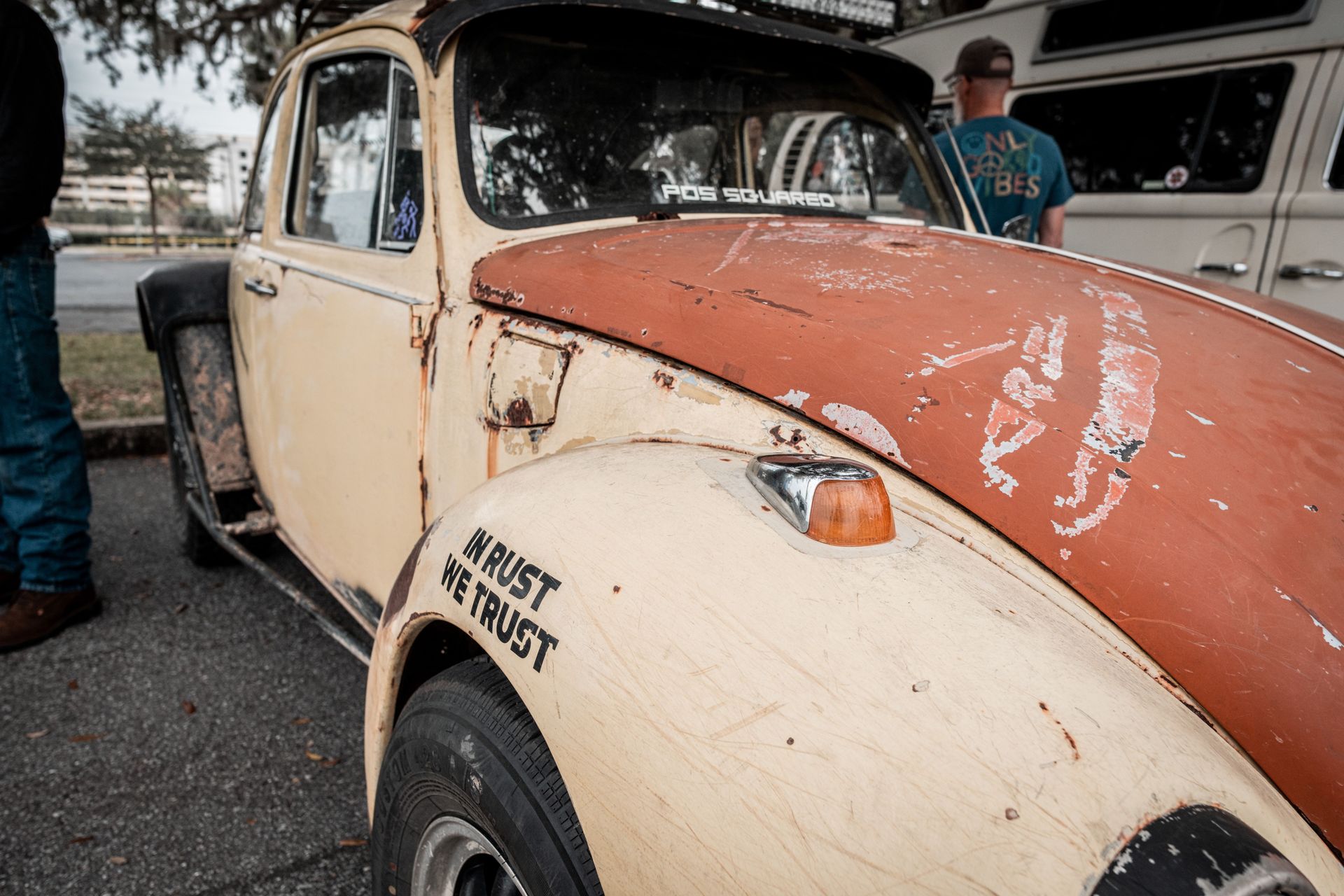
That is why media blasting, sand blasting, cleaning, and proper surface preparation matter so much. Rust, scale, failed coatings, oil, and contamination can all interfere with adhesion. At Full Blown Coatings, this is often where the real difference shows up between a finish that looks good for a few months and one that actually lasts. The powder type matters, but the prep is what gives that powder the chance to do its job.
How to Choose the Right Powder for Your Project
The best powder coating system depends on a few practical questions:
Is the part going indoors or outdoors?
Outdoor exposure quickly narrows the field because UV resistance becomes critical.
Will the part face chemicals, abrasion, or corrosion?
That points the conversation more toward epoxy, urethane, or other higher-performance systems depending on the environment.
Does appearance retention matter?
If long-term color and gloss are priorities, super durable polyester or fluoropolymer systems may make more sense.
Is proper surface prep part of the plan?
Without solid prep and blasting, even the right powder can underperform. This point is an inference from the sources’ emphasis on adhesion and pretreatment.
Final Thoughts
There is no single best powder for every project. The real answer depends on use, exposure, appearance goals, and prep quality. Epoxy is excellent for indoor corrosion and chemical resistance. Polyester is the common all-around exterior choice. Super durable polyester improves long-term weatherability. Hybrids fit many indoor consumer and appliance applications. Fluoropolymers are strong premium exterior options. Urethanes bring smooth finish quality and strong resistance in the right settings. Thermoplastics fill more specialized roles where flexibility and toughness matter.
If you are comparing types of powders, the best next step is not just finding powdercoating near me. It is finding a shop that understands powder selection, substrate prep, and media blasting well enough to match the coating to the actual job. That is where good metal finishing starts.
Share This Post!