powder coating wheels
why you should do it, and which colors we recommend
If you are considering a wheel refresh, powder coating wheels is one of the highest-value upgrades you can make. The finish is tougher than paint, resists chips and winter chemicals, and opens up a huge palette of textures and colors. This guide explains the process, the best color choices for Utah’s light and climate, and the details that separate a showpiece result from a short-lived one. It is written for drivers across Salt Lake County, Utah County, Davis County, Weber County, and Cache County who want a professional, durable finish.
Why powder coating wheels beats paint
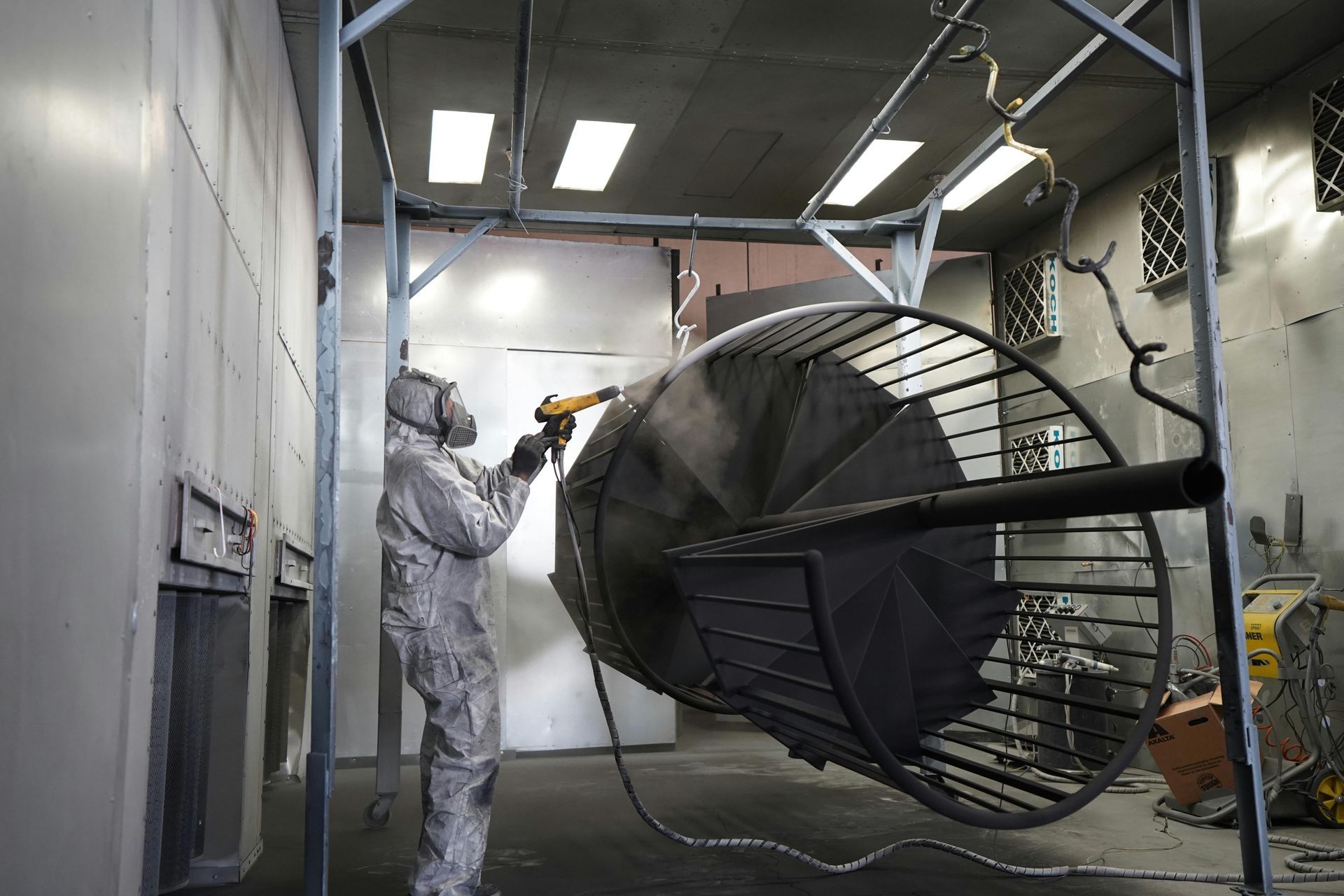
Traditional wet paint looks good on day one, but wheels live in harsh conditions. They heat and cool rapidly, collect brake dust, and take abuse from gravel and winter deicers. Powder coating solves these problems with a tougher, thicker, oven-cured film that bonds mechanically and chemically to a properly prepared surface.
Key advantages
- Durability: A cured powder film resists chipping and abrasion far better than most paints.
- Corrosion protection: With the right primer or pretreatment, powder seals the substrate against moisture and mag chloride.
- Uniform appearance: Electrostatic application and controlled bake give even coverage over complex shapes.
- Color range: From satin blacks to candies and textures, you can match practically any design vision.
Full Blown Coatings: A driver from Kaysville brought in gloss-black painted wheels that showed microchips and gray haze after one winter. After blasting and a two-stage satin bronze powder, the wheels went through the next snow season with no visible chips and washed clean with a mild soap.
The professional process, step by step
The finish is only as good as the prep. Here is what a thorough, shop-grade process looks like.
1) Inspection and disassembly
Wheels are checked for cracks, bends, and porosity. TPMS sensors, valve stems, weights, and center caps are removed. Any curb rash is cataloged for repair.
2) Strip and clean
Existing coatings and contaminants must go. Depending on the wheel, this can involve chemical stripping, heated soak, and thorough degreasing to remove oils that cause fish-eyes or pinholes.
3) Media blasting for a fresh surface
Media blasting (often aluminum oxide or crushed glass on steel, with glass bead finishing for aluminum) removes the final film and creates a uniform anchor profile. The goal is bright metal with a consistent, fine texture that promotes adhesion.
4) Outgassing pre-bake
Cast aluminum wheels can contain trapped air and oils. A pre-bake drives out those volatiles so they do not bubble through the finish during cure. Dark colors are unforgiving; this step prevents pinholes.
Full Blown Coatings : An Ogden customer’s cast wheels kept showing tiny pinholes when coated elsewhere. Pre-baking for an extended cycle, then blasting again before coating, solved the issue. The final satin graphite finish was flawless.
5) Precision masking
Critical areas are masked to bare metal: hub bores, mating faces, lug seats, and threads. This preserves fit and torque integrity and prevents false torque readings.
6) Coating system selection
Some projects use a single color coat. Others add a corrosion-resistant primer and a clear topcoat for depth and easier cleaning. Color plus clear is common for bright whites, candies, bronzes, and metallics to get “wet” depth with better stain resistance.
7) Cure and quality control
Cure is verified at part temperature, not just oven air temperature. Film-thickness gauges confirm the right build, and visual checks ensure even gloss and coverage. Once cool, wheels are reassembled and balanced.
Colors that work best in Utah
Light, altitude, dust, and winter chemicals influence both appearance and upkeep. These families perform well across the Wasatch Front.
Modern neutrals
Satin black, graphite, gunmetal, charcoal
These hide brake dust and small swirls, photograph beautifully, and pair with nearly any body color. Satin finishes are the sweet spot for daily drivers.
Warm metallics
Bronze, sable, champagne
Warm tones add premium contrast to grays, whites, greens, and blues. A satin bronze over a properly prepped wheel is a favorite among SUV owners who want upscale without flash.
Full Blown Coatings: A graphite metallic SUV from Murray swapped gloss black wheels for satin bronze powder. The owner reported less visible dust and a more upscale look in photos and in person.
Bright accents
Gloss white, candy red, deep blue
Show colors shine when you commit to maintenance. A clear topcoat makes cleaning easier and adds depth. Great for sports sedans and weekend cars.
Architectural textures
Fine-texture black or sable
Texture hides fingerprints and trail rash and reduces glare. It is popular on overland builds and trucks that see real dirt, but it still fits a modern neighborhood aesthetic.
Finish and sheen guidance
- Satin: Best all-around balance of cleaning ease and swirl control. Ideal for daily drivers.
- Matte: Striking and purposeful, but requires gentle washes and dedicated towels to avoid polishing the sheen.
- High gloss: Deep, showy look. Plan on a clear for depth and stain resistance, and follow careful wash routines.
- Two-stage color plus clear: Adds visual depth and improves cleanability for bright or delicate colors.
Pairing wheels with trim and calipers
A cohesive look happens when wheels, calipers, and trim are planned together.
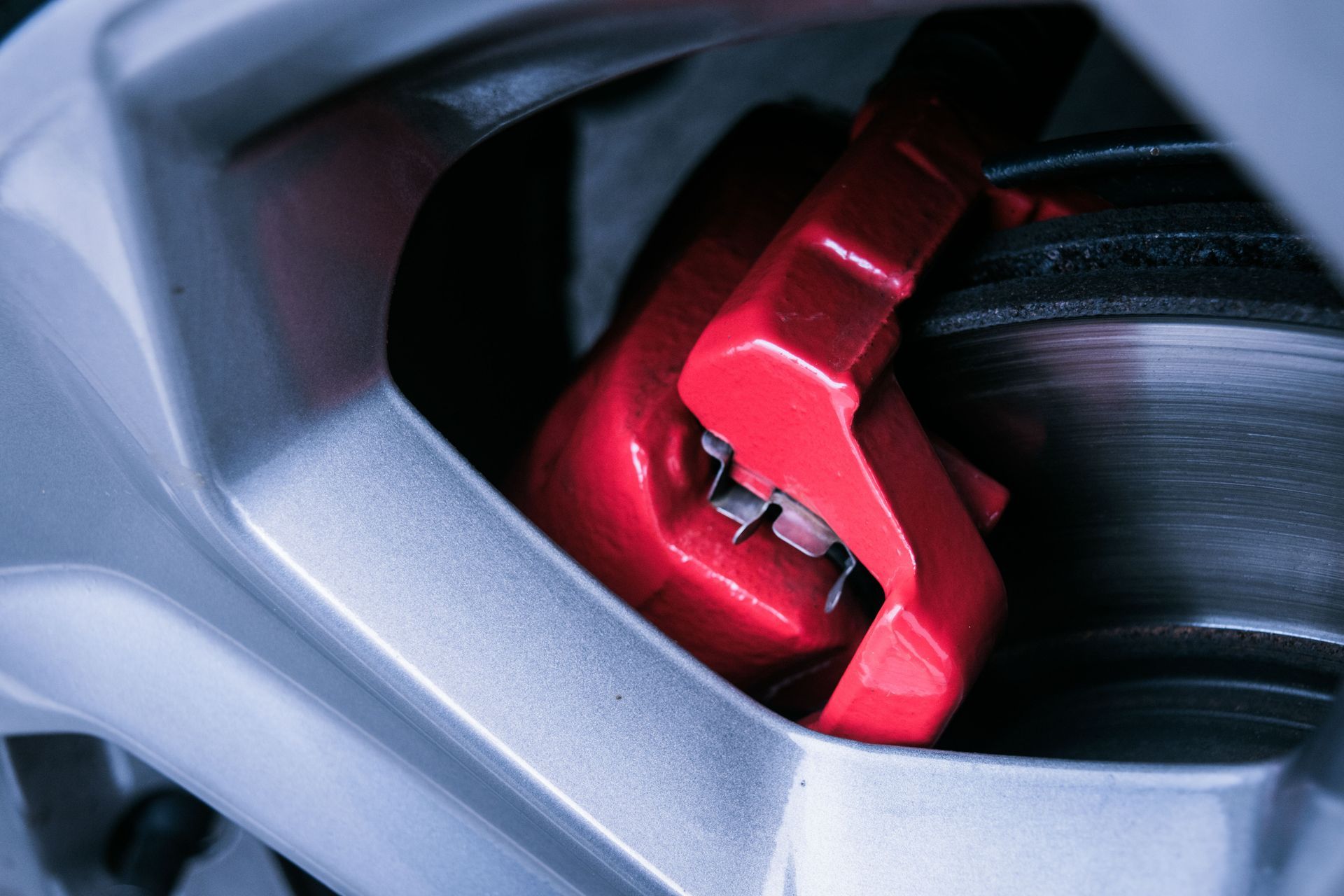
- Classic combo: Satin black wheels with candy red or bright silver calipers.
- Premium combo: Graphite or charcoal wheels with sable or bronze calipers.
- Monochrome combo: Body-matched wheel color with satin black calipers and black trim for quiet luxury.
Full Blown Coatings: A charcoal pearl sedan arrived with gloss black window trim that smudged constantly. Powder coating the trim in fine-texture sable pulled attention back to the paint and made the satin
graphite wheels feel intentional, not aftermarket.
Utah climate considerations
- UV at altitude: Choose exterior-grade powders with strong UV stability. Dark colors hold gloss when chemistries and cure are dialed in.
- Winter mag chloride: A primer under steel wheels and correct film build on aluminum help resist corrosion. Rinse wheels regularly after storms.
- Freeze–thaw and gravel: Chip resistance comes from film thickness, substrate prep, and clear quality. Ask the shop about edge coverage on spokes and barrels.
Cost, timing, and the factors that drive both
What affects price
- Stripping difficulty and prior coatings
- Blasting time and media choice
- Curb rash repairs and porosity management
- Primer and clearcoat steps
- Masking complexity for multi-piece or directional spokes
- Color availability versus special-order powders
Typical timing
- One to three business days for in-stock single-color sets
- Longer if wheels need significant repair, extended outgassing, or special-order powders
- Adding calipers, trim parts, or racks can be scheduled to return everything at once
Budget tip: In-stock colors and batching all four wheels together improve rack density and reduce turnaround. If you are considering a body-color respray or vinyl work, schedule wheel coating to finish last so all tones harmony-check together.
Care and maintenance
- Washing: Use pH-neutral soap and soft brushes. Avoid strong acid wheel cleaners that can haze satin or matte.
- Protection: A compatible sealant helps resist winter grime; be sure it is safe for powder.
- Seasonal checks: Inspect leading edges and lug seats. Touch up early if you notice chips to prevent corrosion undercut.
Common mistakes to avoid
- Skipping media blasting: Coating over old paint or contaminants leads to peeling and chips.
- Coating critical fits: Do not coat hub bores, mating faces, or lug seats; it affects torque and safety.
- DIY ovens and under-cure: Household ovens do not hold stable cure temps; under-cured film chips easily.
- Choosing from a phone screen: Always review physical chips or a test panel in daylight. Metallic “flop” and sheen can surprise you.
FAQs
Will powder coating affect wheel balance?
No, when applied correctly. Film build is uniform, and wheels are balanced after coating.
Can curb rash be repaired before coating?
Yes. Gouges are filled and sanded before blasting, then the surface is re-textured so the repair disappears under powder.
Do I need a clear coat?
Clear is optional but recommended for whites, candies, bright colors, and high-gloss looks. It adds depth and makes cleaning easier.
How long does a powder finish last in daily winter use?
With proper prep, chemistry, and maintenance, many drivers get years of service even with canyon commutes and snow exposure.
Can TPMS stay installed?
Sensors are removed before coating and reinstalled afterward to protect electronics and seals.
The bottom line and local help
For Utah drivers, powder coating wheels delivers a durable, premium finish that stands up to sun, salt, and real use. The best results come from disciplined prep, correct masking, smart color and sheen choices, and verified cure. If you want a team that does this every day, Full Blown Coatings serves Salt Lake County, Utah County, Davis County, Weber County, and Cache County. Bring one wheel or photos of your set, and they will recommend a media blasting plan, show you physical color chips, and quote a coating system that looks great now and still looks great after winter.
Share This Post!