Top powder coater picks in Utah
how to choose the right shop for your needs
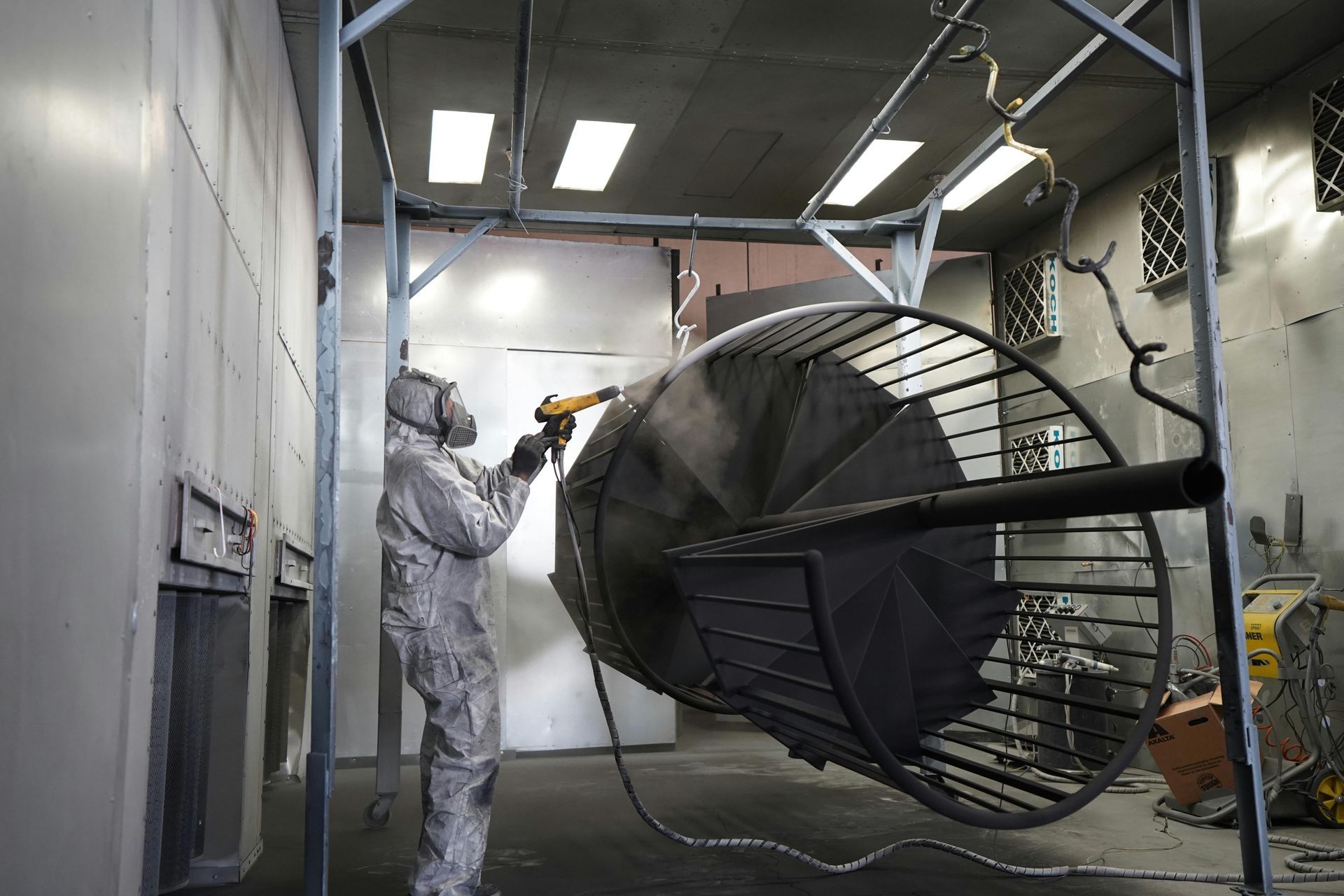
If you are comparing shops to find a top powder coater in Utah, the best decision starts with understanding process, prep, testing, and logistics—not just price. Below is a practical, no-nonsense guide drawn from real finishing workflows in Salt Lake County, Utah County, Davis County, and Weber County. You will learn how to evaluate quality, which services matter for different projects, what affects cost and timing, and how to request quotes that come back accurate the first time. Along the way, I include a few quick anecdotes from Full Blown Coatings that show where great process makes a visible difference.
What actually defines a top powder coater
A great finish is engineered, not guessed. Look for these proof points:
Documented process and portfolio
- A public portfolio with before/after photos and part-level notes (substrate, media used, primer, color, clear, cure spec).
- A written intake and QC workflow: tagging parts, tracking through blast, coat, cure, and final inspection.
Certifications and compliance mindset
- Familiarity with ASTM tests (crosshatch adhesion, impact, salt spray) even if performed in-house at a basic level.
- Safety and environmental stewardship: ventilation, PPE, and waste handling that match real production, not just marketing.
True process control
- Pretreatment: iron phosphate or zirconium conversion on steel, proper aluminum cleaning/passivation.
- Outgassing: pre-bake cycles for cast aluminum to prevent pinholes in dark colors and glosses.
- Cure verification: measuring cure at part temperature with dwell-time logs, not just “oven set to 400°F.”
Full Blown Coatings note: A set of cast SUV wheels from Weber County kept developing tiny pinholes when coated elsewhere. Extending the pre-bake, re-blasting, and then coating solved it—no pinholes, even under satin graphite.
Core services to match by use case
Not every powder coater excels at every niche. Align your needs with a shop’s strengths.
Automotive and powersports
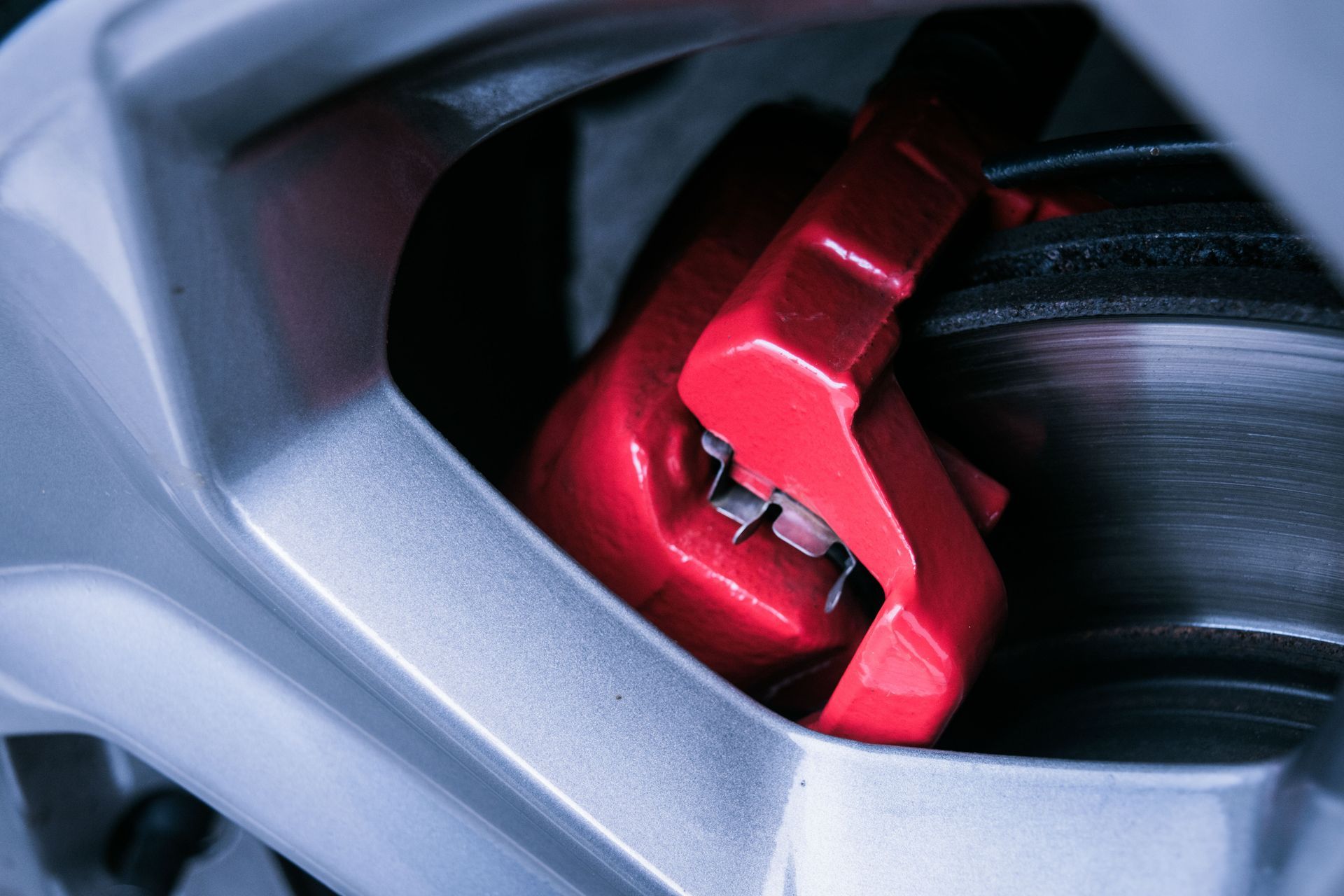
- Wheel powder coating, brake calipers, frames, racks, roll cages.
- Color-plus-clear systems for depth and easier cleaning.
- Careful masking of hub bores, mating faces, lug seats, and threads.
Architectural and residential
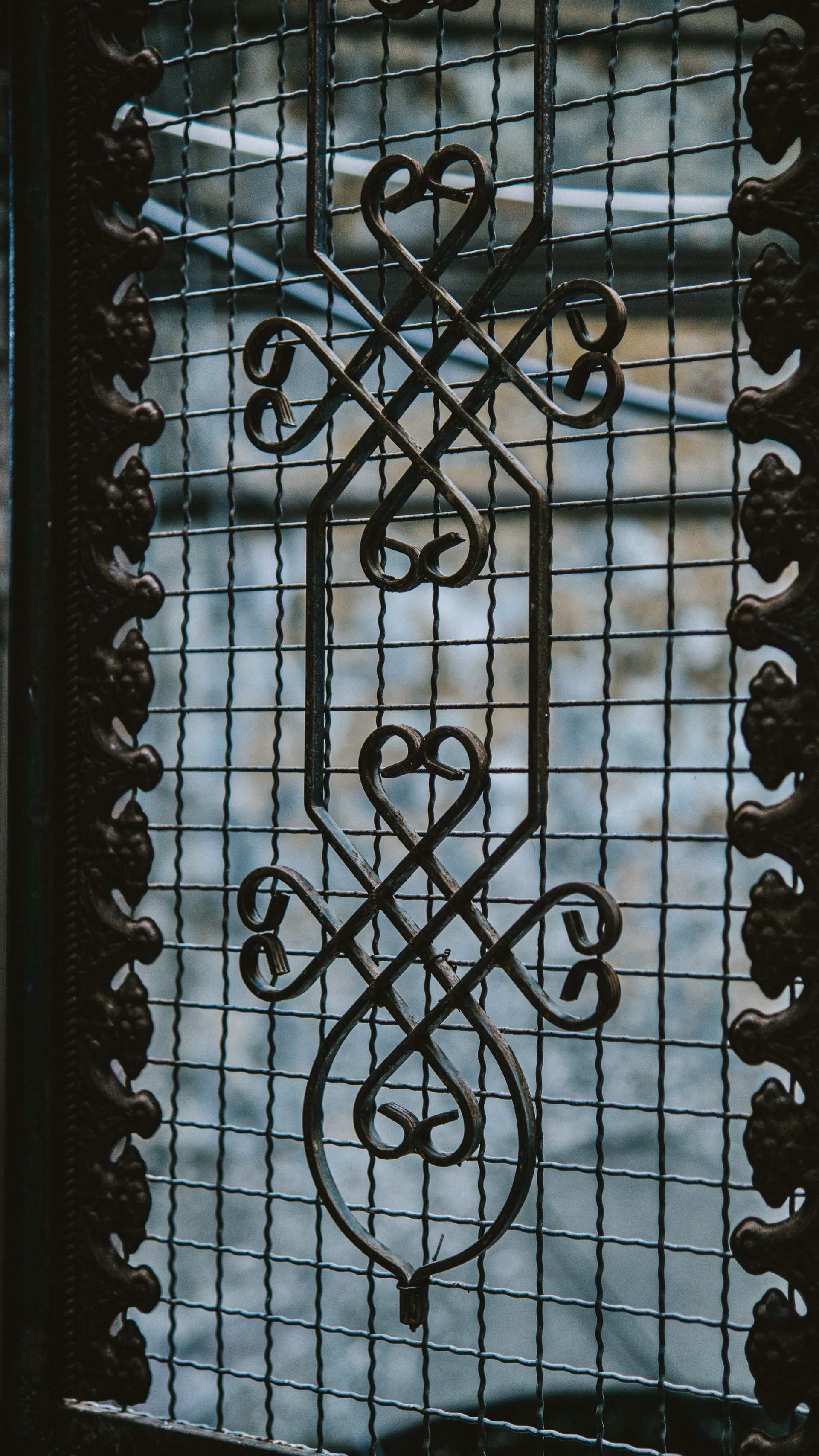
- Railings, gates, pergolas, fencing, patio sets.
- Fine-texture and satin systems that mask fingerprints and trail rash.
- Edge prep on sharp corners for consistent film-build and chip resistance.
Industrial and commercial
- Racks, fixtures, enclosures, handrails, and repetitive SKUs.
- Consistent jigs, labeling, and repeatable DFT (dry film thickness) across large batches.
Full Blown Coatings note: A Davis County railing package returned for a second phase months later. By matching color lot, film build, and cure profile to the original control samples, the new rails blended seamlessly with phase one.
Color strategy for Utah light and climate
Utah’s altitude, bright sun, dust, and winter deicers all influence color choice and upkeep.
- Modern neutrals (satin black, graphite, gunmetal, charcoal) hide brake dust and water spots, and photograph well.
- Warm metallics (bronze, sable, champagne) add premium contrast to white, gray, green, and blue body colors; great for SUVs and architectural metal.
- Bright accents (gloss white, candy red, deep blue) pop in sun; pair with a clear coat for depth and easier cleaning.
- Textures (fine-texture blacks and browns) reduce glare and disguise handling marks; ideal for overland and outdoor builds.
Full Blown Coatings note: A gloss-black wheel set from Murray looked dusty hours after every wash. Refinished in satin bronze, the owner reported far less visible dust and a more upscale look, especially in photos.
Prep and pretreatment: the non-negotiables
The fastest way to ruin a powder job is to skip or skimp on prep.
- Media blasting to bright metal creates a controlled anchor profile. Aluminum oxide or crushed glass for steel; glass bead finishing on aluminum when appropriate.
- Degrease and clean thoroughly; any residue will cause fish-eyes or craters.
- Conversion coat (iron phosphate/zirconium) for adhesion and corrosion resistance.
- Outgassing pre-bake for porous castings to keep dark colors smooth and pinhole-free.
- Precision masking: do not coat hub bores, mating faces, or threads; accuracy here protects safety and torque values.
Quality checks a shop should document
A top powder coater can show you numbers, not just adjectives.
- DFT readings (e.g., 2–4 mils typical): measured with a calibrated gauge.
- Adhesion (crosshatch) and simple impact tests on samples when relevant.
- Gloss and color checks against chips or spectro data for repeat work.
- Cure verification at part temperature: probe logs or tags, not assumptions.
Full Blown Coatings note: For a repeat industrial order in Salt Lake County, spectro data and control chips were kept with the job traveler. Months later, the third run still matched the first under both daylight and LED inspection.
Pricing and turnaround: what really moves the needle
Pricing is the sum of materials, labor, and oven time. Expect variation based on:
- Strip/blast effort: heavy paint, undercoating, or corrosion adds time and media cost.
- Repairs: curb rash, weld cleanup, and straightening before coating.
- System design: primer and two-stage color-plus-clear add material and oven cycles.
- Part complexity: intricate spokes, deep pockets, and masking requirements slow throughput.
- Color sourcing: in-stock powders move fast; special-order or boutique powders extend lead time.
- Batching and oven capacity: sets that rack well together cost less per part and finish sooner.
Tip: Ask for in-stock color lists and whether your parts can be grouped for better rack density pricing.
County-by-county quick guide
- Salt Lake County: Best selection of in-stock colors, larger ovens for long railings, quick batching options.
- Utah County: Strong automotive focus (wheels, calipers), custom accents and high-end clears.
- Davis County: Architectural railings and gates with fine-texture and satin specialties.
- Weber County: Outdoor utility parts, overland builds, and durable textures for real-world wear.
Smart questions to ask any powder coater
- How do you pretreat steel vs aluminum?
- Do you pre-bake cast wheels to outgas?
- What DFT do you target, and how do you measure it?
- Can I see a sample panel in my exact color, sheen, and texture?
- How do you mask critical fits (bores, faces, threads)?
- What cure spec do you follow, and how is part temperature verified?
- What warranty or workmanship guarantee do you offer?
Red flags to avoid
- “We just scuff and shoot”—no blasting or pretreatment plan.
- Cure claims based only on air temperature with no part probe verification.
- Vague quotes lacking line items for strip, blast, primer, clear, masking.
- No examples of parts similar to yours in the finish you want.
RFQ checklist: get accurate quotes the first time
Provide these details to any powder coater you contact:
- Part list with sizes, photos, and material type (steel, aluminum, cast, stainless, galvanized).
- Prep condition (rust, paint type, prior powder, curb rash, weld spatter).
- Color code, sheen, and texture; note if a clear coat is required.
- Performance needs (outdoor UV, chemical exposure, food-contact, high-temp).
- Targets for film thickness, cure spec, and any testing or documentation.
- Schedule constraints, pickup/delivery needs, and budget window.
Maintenance that protects your investment
- Wash with pH-neutral soap and soft brushes; avoid harsh acid wheel cleaners on satin/matte.
- Rinse after winter storms to remove mag chloride.
- Inspect leading edges and mounting points seasonally; touch up early to prevent undercut.
Full Blown Coatings note: A dark red truck’s front valance chipped every winter. Stripped, blasted, epoxied, sealed, and re-coated to spec, it survived the next season chip-free because each layer was given correct flash and cure time.
FAQs
Will powder coating affect wheel balance?
No, when film build is controlled and wheels are balanced after coating.
Do I need a clear coat?
Clear is recommended for bright whites, candies, and high-gloss looks. It adds depth and makes cleaning easier.
Can powder match OEM paint exactly?
Exact matches are rare; coordinated complements (graphite with bronze wheels, white with sable trim) often look better and are easier to maintain.
How long does powder last in Utah winters?
With proper prep, chemistry, and maintenance, many finishes deliver years of service even with canyon commutes and frequent deicing.
Can you coat galvanized or stainless?
Yes, with proper prep: sweep blasting, suitable pretreatment, and compatible primers when needed.
Bottom line and local help
Choosing the right powder coater in Utah comes down to disciplined prep, correct chemistry, verified cure, and a color plan that respects local light and weather. If you want a team that does this daily—from wheel powder coating to architectural railings and industrial batches—Full Blown Coatings serves Salt Lake County, Utah County, Davis County, and Weber County. Bring photos, a part list, and your target color. They can provide test panels, bundle media blasting with coating, and return parts with documentation that proves the job was done right.
Share This Post!