paint the rims vs powder coating the rims
paint the rims or powder coating the rims
If you are deciding whether to paint the rims or powder coat them, you are really choosing between a cosmetic refresh and a true engineered finish. This guide breaks down the processes, durability, cost, and care so you can make the right call for daily driving and Utah’s climate. It is written for drivers and builders across Salt Lake County, Utah County, Davis County, and Weber County who want a result that looks great on day one and still looks great after winter.
The quick answer
Powder coating is the better choice for most drivers who want durability, chip resistance, and long-term value. Painting can make sense for fast, budget updates or for complex artwork that powder cannot replicate. Your use case, expectations, and timeline decide the winner.
What each process actually is
Rim painting (wet paint)
Painting uses a liquid system—typically a primer, a colored basecoat, and a clearcoat—that flashes and cures at room temperature or in a low-heat booth. Film build is thin. It can look excellent on day one, and skilled painters can create fades, pearls, or airbrushed effects that powder simply cannot reproduce. However, paint is vulnerable to chips from gravel, brake-dust abrasion, and winter deicers.
Powder coating the rims
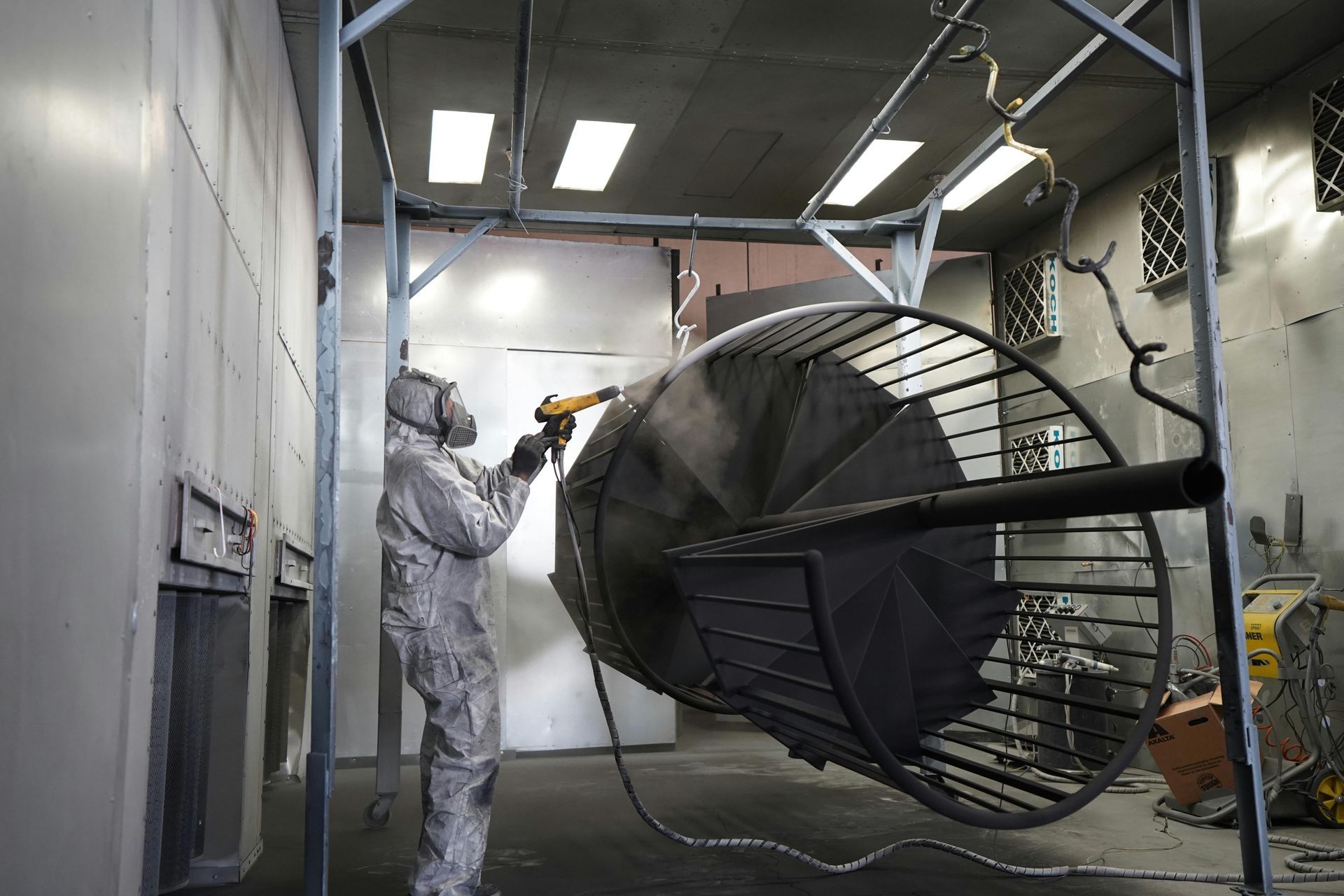
Powder coating is a dry finishing process. The bare wheel is cleaned and media blasted to bright metal, pre-baked to drive out trapped gasses (critical for cast aluminum), then coated electrostatically with powder resin and baked until it flows and cures. The film is thicker and tougher than paint, with excellent edge coverage and corrosion resistance—especially when the system includes a primer and, for many colors, a clear topcoat.
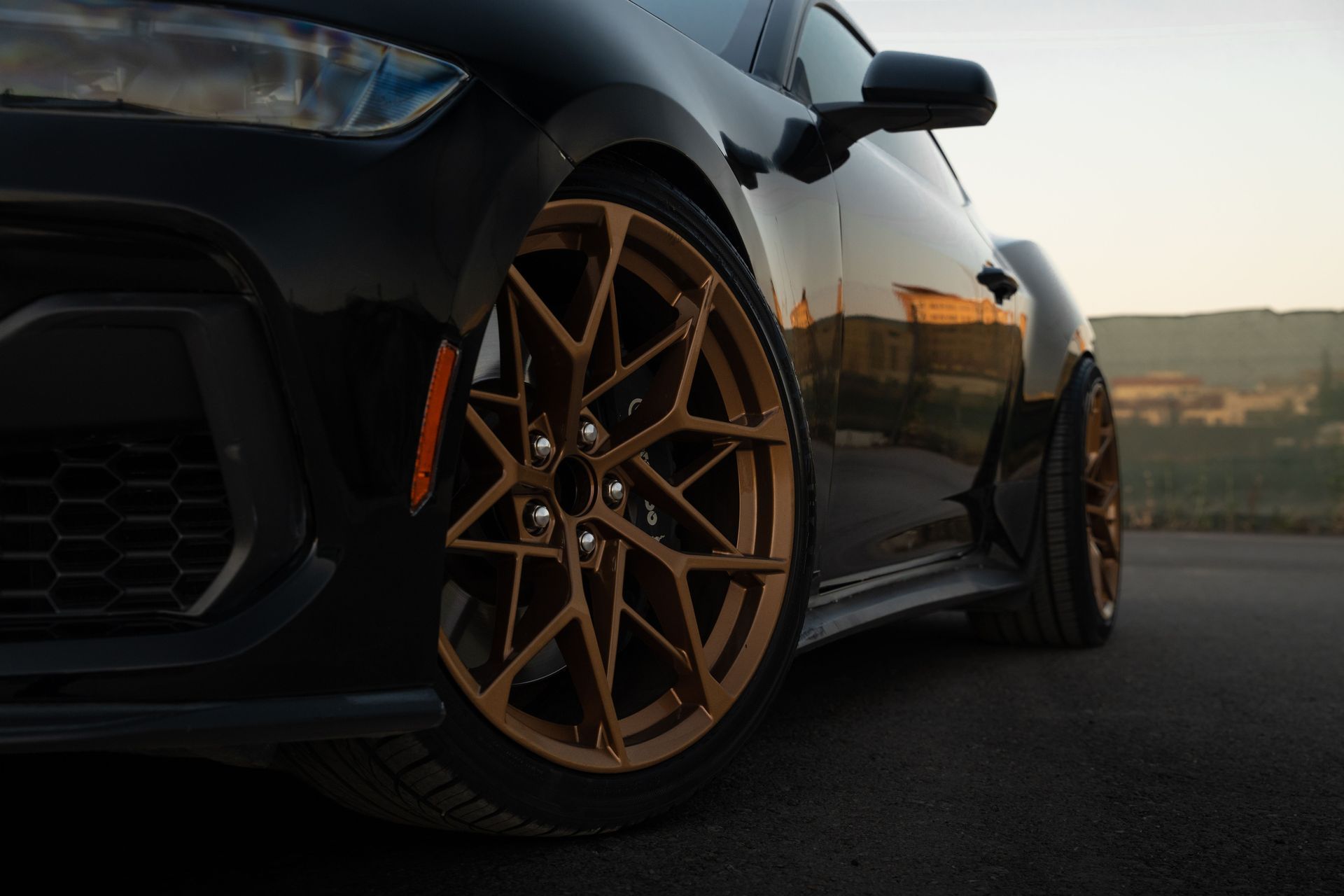
Full Blown Coatings: A Kaysville customer arrived with gloss-black painted wheels that looked tired after one winter—the leading edges were freckled with tiny chips. We stripped, blasted, pre-baked to outgas, and applied a two-stage satin bronze powder. After the next snow season, the wheels showed no new chips and washed clean with mild soap.
Side-by-side comparison
Durability and chip resistance
- Powder wins for daily Utah driving, canyon runs, and winter exposure. The cured film resists impact and abrasion far better than typical paint systems.
Corrosion protection
- With pretreatment and (on steel) a corrosion-resistant primer, powder provides a more reliable barrier to moisture and mag chloride.
UV and gloss holdout
- Paint can dull or haze more quickly under strong sun. Exterior-grade powders—especially when cleared—hold color and gloss longer at altitude.
Finish options
- Paint excels at complex gradients and artwork. Powder provides an enormous catalog of solids, metallics, candies, satins, and textures that are practical to maintain.
Repairability
- Minor paint damage can be spot-sanded and blended. Powder repairs usually require a strip-and-recoat of the entire wheel for an invisible result.
Turnaround
- Paint can be same- or next-day. Powder is typically one to three business days due to blast, bake, and cure steps, plus any special-order powders.
Total cost of ownership
- Paint is often cheaper up front. Powder’s longer service life and better chip resistance frequently make it less expensive over a few seasons.
The professional steps that make or break results
No finish can overcome weak prep. Here is what a disciplined powder process looks like and why each step matters.
1) Inspection and disassembly
Cracks, bends, porosity, and curb rash are identified. TPMS sensors, stems, weights, and caps come off. Repairs are quoted so nothing is hidden.
2) Strip and clean
Old paint or powder, oils, and road grime must go. Clean metal is the only foundation you can trust.
3) Media blasting to bright metal
Blasting creates a uniform anchor profile so powder keys in mechanically. Aluminum oxide or crushed glass is common for steel; glass bead can refine aluminum surfaces.
4) Outgassing pre-bake
Cast aluminum traps air and oils. A pre-bake drives out volatiles so dark colors do not develop pinholes. This step separates professional powder from cut-corner jobs.
Full Blown Coatings: A set of cast wheels from Weber County blistered when coated at another shop. We extended the pre-bake cycle, re-blasted, and recoated in satin graphite. The finish came out glass-smooth with zero pinholes.
5) Precision masking
Hub bores, mating faces, lug seats, and threads should not be coated. Masking these areas preserves fit, torque integrity, and serviceability.
6) Coating system selection
Options include single-color, primer plus color, or color plus clear. Bright whites, candies, and high-gloss colors look deeper and clean easier with a clear.
7) Cure and quality control
Cure must be verified at part temperature, not just oven air temperature. Film thickness is checked with a calibrated gauge. Visual inspection confirms even coverage and sheen.
Utah climate considerations
Utah driving is honest wear: altitude sun, dust, gravel, and winter chemical deicers.
- UV at altitude: Exterior-grade powder chemistries and optional clear hold gloss better in bright sun.
- Mag chloride and moisture: A primer under steel wheels and disciplined film build on aluminum resist undercut corrosion.
- Gravel and freeze–thaw: Chip resistance depends on prep, film thickness, and clear quality. Good shops focus on edge coverage and spoke tips—where chips happen first.
- Practical color picks: Satin black, graphite, gunmetal, charcoal, bronze, and sable hide dust and micro-marring while still looking premium.
Full Blown Coatings: A Murray SUV owner complained that gloss black always looked dusty. We switched to satin bronze. The owner reported less visible dust and a richer look in photos and in person.
Cost, timing, and what drives both
What affects price
- Stripping difficulty and contamination level
- Blasting time and media usage
- Curb rash or weld cleanup before coating
- Primer and two-stage systems (color plus clear)
- Masking complexity for multi-piece or directional spoke designs
- Special-order powders versus in-stock inventory
Typical timelines
- Paint: hours to a day, depending on booth time and dry windows.
- Powder: one to three business days for in-stock colors; more if extensive repairs, extended outgassing, or special powders are required.
Budget tips
- Choose in-stock colors to avoid delays.
- Schedule wheels as a full set to improve rack density and reduce per-wheel cost.
- If you are coating calipers or trim, plan the project so everything returns together and colors harmonize.
Aesthetics and finish choices
Paint strengths
- Exact OEM color matching, fades, pearls, and detailed artwork. Show builds sometimes prefer paint for this reason alone.
Powder strengths
- Deep satins, fine textures that resist fingerprints and trail rash, and high-gloss systems with clear that retain depth over time. Metallics and architectural textures are especially forgiving for daily use.
Pro tip: Always review physical color chips or—better—ask for a small test panel. Metallic “flop,” texture, and sheen can look very different from a phone screen.
When to paint the rims vs when to powder coat
Choose paint if:
- You need a quick, budget refresh for a vehicle sale.
- You want custom art that powder cannot reproduce.
- You are okay with more frequent touchups and careful washing.
Choose powder if:
- You daily-drive in winter or on gravel.
- You want a finish that shrugs off brake dust and cleans easily.
- You plan to keep the vehicle for years and value total cost of ownership.
DIY vs professional
DIY paint kits exist and may improve appearance short term, but they rarely match professional evenness or durability. DIY powder requires a safe, well-controlled oven and enough electrical capacity to reach and hold cure temperatures. The biggest DIY failure modes are poor blasting, no outgassing, and under-cure—each of which leads to premature chipping or pinholes. For most owners, a professional shop is the better investment.
Quality checklist to ask any shop
- Do you blast to bright metal and pre-bake cast aluminum wheels to outgas?
- How do you mask hub bores, mating faces, lug seats, and threads?
- What dry film thickness do you target, and how do you measure it?
- How do you verify cure at part temperature?
- Can I see a sample panel of my exact color and sheen in daylight?
- What warranty or workmanship guarantee do you provide?
Maintenance and care
- Wash with pH-neutral soap and soft brushes.
- Avoid harsh acid wheel cleaners on satin or matte finishes.
- Rinse after storms to remove mag chloride.
- Inspect leading edges and lug seats seasonally; address damage early to prevent undercut corrosion.
- Consider a compatible sealant for extra protection, especially on light colors.
FAQs
Will powder coating affect wheel balance?
When film build is controlled and wheels are balanced after coating, there is no issue.
Do I need a clear coat?
Clear is recommended for whites, candies, and high-gloss colors. It adds depth and makes cleaning easier.
Can powder match my exact OEM paint?
Exact matches are rare. Coordinated complements—like satin graphite wheels with a bronze accent—often look
better and are easier to maintain.
What happens to TPMS sensors?
Sensors are removed before coating and reinstalled afterward to protect electronics and seals.
How long will the finish last in Utah winters?
With correct prep, chemistry, and maintenance, many drivers get years of service even with frequent deicing and canyon commutes.
Bottom line and local help
If your goal is a beautiful finish that lasts, powder coating is the stronger choice for most drivers in Utah. It starts with disciplined prep—blast, outgas, mask—and ends with verified cure and smart color selection for this climate. For a shop that does this every day, Full Blown Coatings serves Salt Lake County, Utah County, Davis County, and Weber County. Bring a wheel or photos of your set, review physical color chips in sunlight, and get a line-item quote that bundles blasting and coating with a realistic turnaround. You will leave with wheels that look the way you imagined—and keep that look long after winter.
Share This Post!