auto paint, car paint colors — colors we recommend
auto paint, car paint colors
Choosing auto paint. car paint colors is about more than style. The right color and paint system will stand up to Utah sun, winter road salt, and daily driving, while still looking sharp next to your wheels and trim. Below is a practical guide from a finisher’s point of view for drivers in Salt Lake County, Utah County, Davis County, Weber County, and Cache County. You will find how color families behave in local light, how finishes affect durability, how to pair body color with powder coated wheels and trim, and what preparation steps protect your investment for the long term.
What makes a great automotive paint system
A quality refinish is a stack of layers that work together. On bare metal, start with an epoxy or etch primer to seal and promote adhesion. High build primer follows to level waves and sanding marks. A sealer locks that work in place and gives a uniform foundation for the color coat. The basecoat brings the color, and the clearcoat adds gloss, UV protection, and chip resistance.
Single stage vs basecoat plus clearcoat
Single stage combines pigment and resin in one layer. It is efficient for solid fleet colors and work trucks. Basecoat plus clearcoat is the standard for most modern finishes, especially metallics and pearls. It gives better depth, easier repair blending, and stronger gloss holdout in summer heat.
Solvent vs waterborne basecoats
Waterborne basecoats lay metallics very evenly and reduce solvent odor in the shop. Solvent basecoats are still widely used and can be a good match when repairs must blend into older solvent systems. Either way, the clearcoat choice and the quality of the prep will drive long term results.
Color families that perform well in Utah
Utah has bright sun, snow glare, dust, and winter deicing chemicals. Some colors handle these conditions better than others.
High visibility light colors
Whites, silvers, and light grays hide dust and minor swirls and reflect summer heat. Many daily drivers pick pearl white or a bright silver metallic because they stay cleaner longer and photograph well.
Modern neutrals
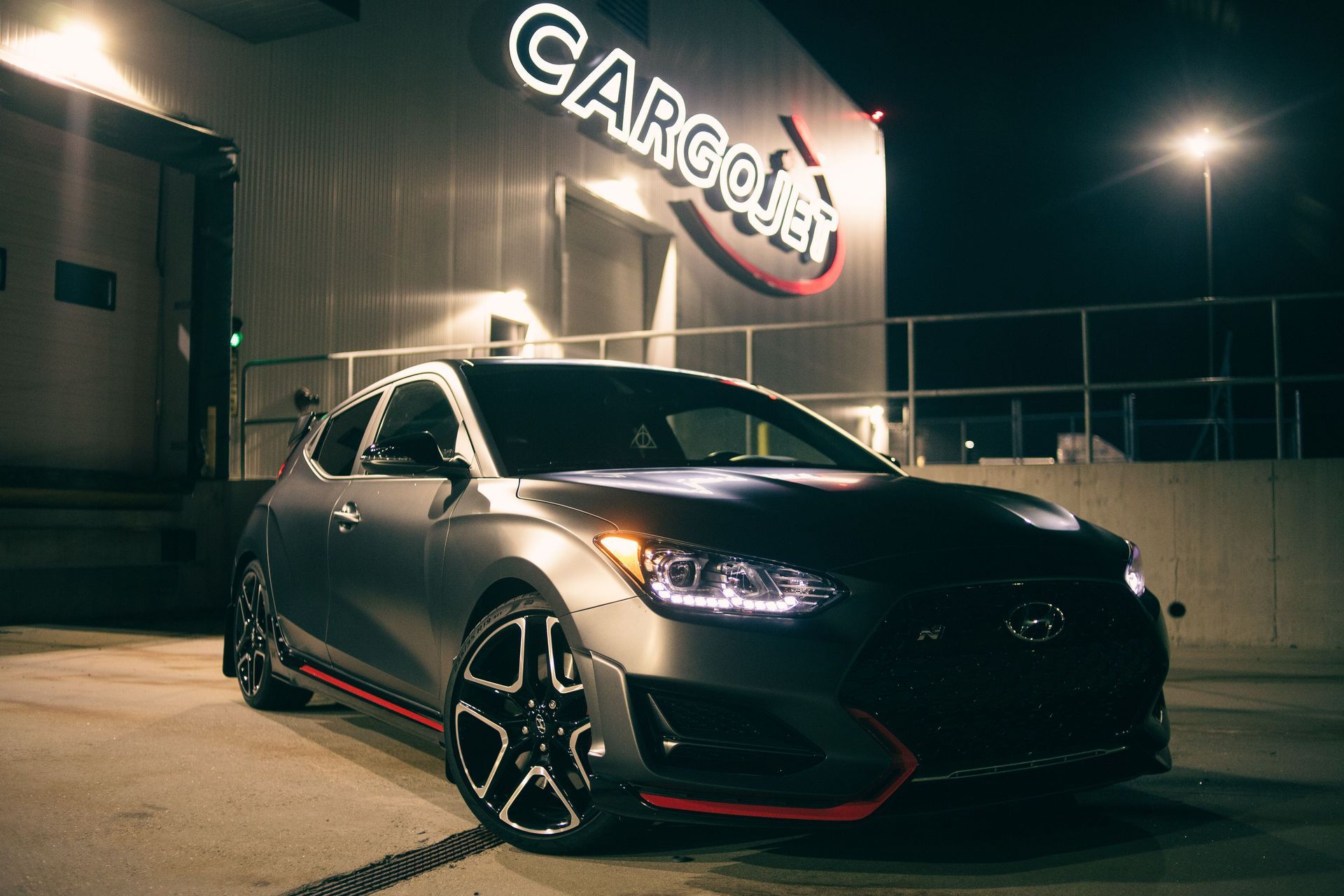
Graphite, charcoal, and sable inspired browns look premium and hide brake dust and water spots better than pure black. These colors pair nicely with textured or satin black trim and bronze or sable wheels.
Rich solids
Deep navy, racing green, and classic red deliver a strong identity with manageable upkeep. A clean solid color on a well prepared body looks expensive even without pearl or candy effects.
Show colors
Candies, pearls, and color shift finishes create drama. They need careful panel alignment and controlled film build for a uniform look. They often cost more to repair because blending and matching takes more steps. If you love a show color, plan for a proper clearcoat and be patient with the schedule.
Finish and effect choices
The same color can look very different with a different finish.
Solid, metallic, and pearl
Solids are simple and bold. Metallics add sparkle with aluminum flake. Pearls add tone depth with mica or synthetic effects. In strong sun, metallics and pearls show more movement on curved panels, so test large spray outs on fenders and doors before committing.
Matte and satin clears
Matte and satin can look amazing on trucks and performance builds. They need the right wash habits since aggressive polishing can change sheen. A premium matte clear with UV inhibitors helps keep the look even across the whole body.
Our recommended car paint colors by use case
Daily driver
Bright white pearl, magnetic gray metallic, and graphite metallic are standouts. They hide daily dust and accept light polishing without obvious swirl marks. On crossovers and sedans, these colors resell well and look fresh with simple wash routines.
Work trucks and SUVs
Fleet white is practical and easy to touch up. Desert inspired sand or stone tones reduce the visual impact of scratches from job sites. Textured satin blacks for bumpers and racks resist scuffs and are easy to refresh.
Performance builds and restorations
Deep navy metallic, candy red over a silver ground, charcoal pearl, and sapphire tones look rich under clear. These colors respond well to careful panel alignment and even film build. If you show the vehicle, consider ceramic protection after the paint has fully cured.
Overland and winter focused
Mid tone grays and stone colors hide salt streaks and trail wear. Satin finishes on trim reduce glare. Pair with powder coated wheels in satin black, bronze, or sable for a cohesive look.
Wheel and trim pairing with powder coating
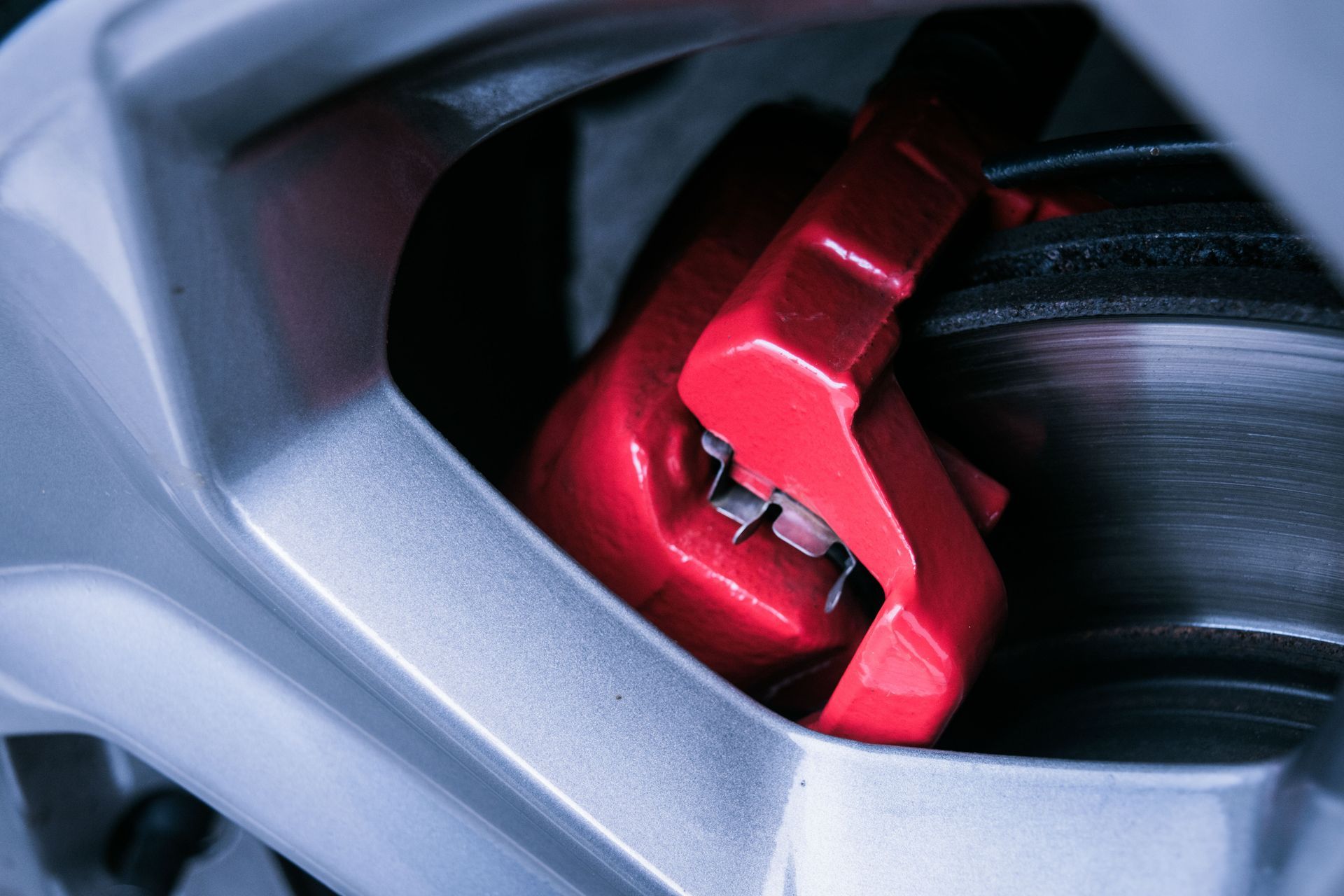
Your body color reaches its full potential when the wheels, calipers, racks, and rails are planned together. Powder coating gives hard wearing color and texture options that match or complement the paint.
Full Blown Coatings: A graphite metallic SUV came in for a winter refresh. The owner noticed black gloss wheels looked dusty within a day. The shop blasted the wheels, then applied a satin bronze powder that balanced brake dust and gave a warm contrast to the graphite body. The owner later ceramic coated the paint and reported easier cleaning and a more upscale look.
A second project involved a charcoal pearl sedan with gloss black trim that showed every fingerprint. The trim was removed and powder coated in a fine texture sable tone. The result was a deep, low glare border that kept the paint looking clean and intentional.
Color selection workflow that avoids regrets
Look at large spray out cards outdoors at noon and again at dusk. Screens lie, and small chips hide metallic flop. Spray a test panel over the actual primer shade that will be on the car. Hold the panel over curved body sections to see how metallic or pearl effects travel. Confirm the exact formula, variant, and clear before the full respray. If you plan wheel and caliper colors, bring those chips to the same review so everything works together.
Prep and compatibility notes from a finisher’s view
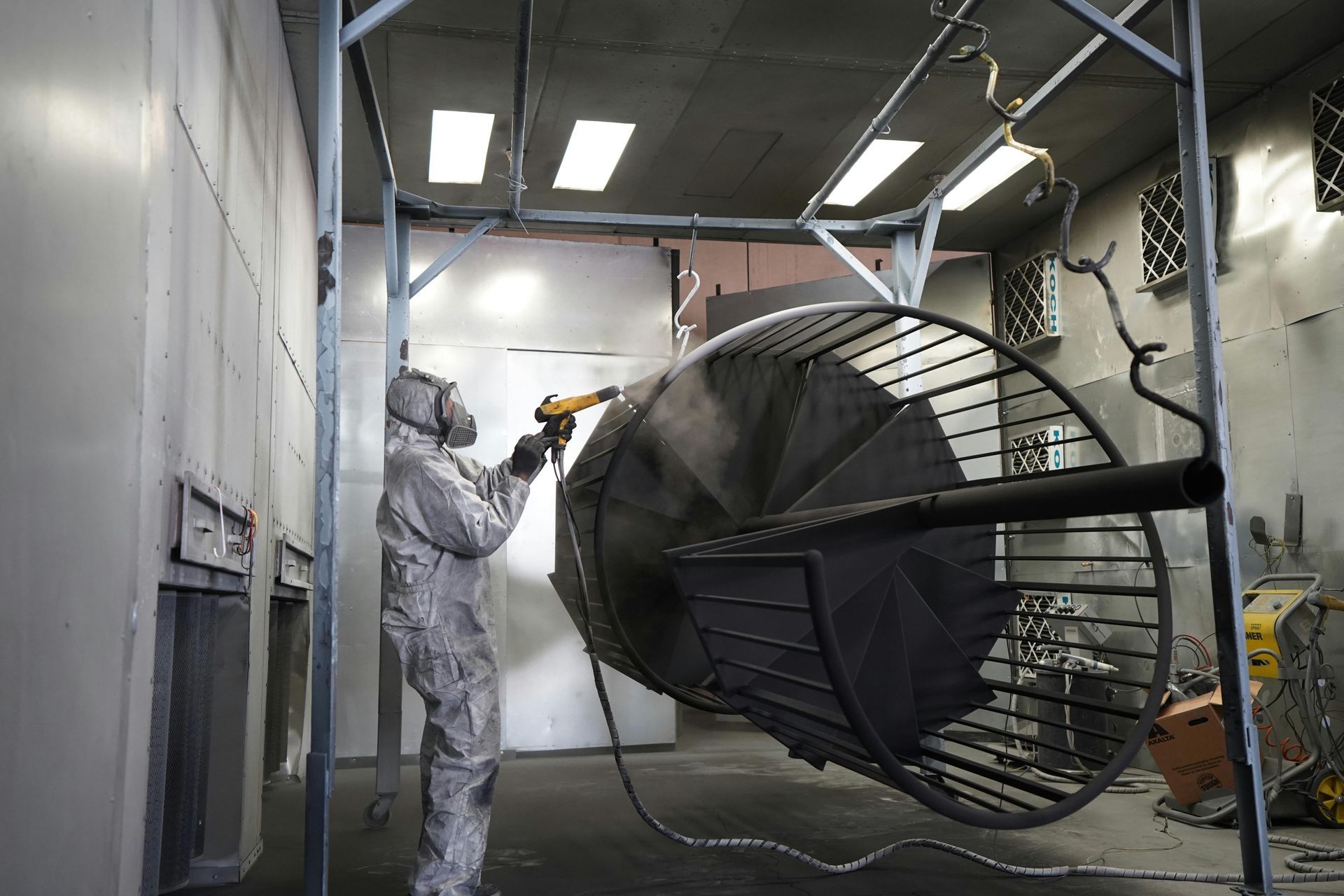
Media blasting has a place, but it should be used with care on body panels. For rusty frames, brackets, and wheel faces, blasting to bright metal followed by epoxy primer is ideal. For large exterior panels, careful sanding and selective blasting prevent distortion on thin sheet metal. Masking strategy matters. Clean edges and minimal tape bridges reduce paint edges that collect dirt. Room temperature, oven values for powder parts, and cure windows for paint should be monitored so coatings reach full hardness before assembly.
Full Blown Coatings: A client with a dark red truck had repeat chip issues on the front valance. The shop stripped the part, blasted it for a controlled anchor, used epoxy primer, then a sealer matched to the basecoat. The new application held up through an entire winter because each layer was given the correct flash and cure time.
Climate and durability in Northern Utah
Sun exposure at altitude is strong, winter brings freeze and thaw cycles, and mag chloride can be tough on coatings. A clearcoat with strong UV inhibitors helps hold gloss on dark colors. Flexible clears and proper film build reduce chipping on leading edges. Underbody and wheel protection using powder coat or corrosion resistant primers extends the life of the finish. If you drive canyons or gravel roads, ask about stone guard films on rockers and bumpers.
Budget and timeline planning
Panel resprays can be budget friendly if color and effect are simple and blending areas are limited. Full resprays cost more because bodywork, primer, color, and clear must be staged, cured, and often cut and buffed. Tri coats and candy colors add material cost and time because coverage and effect must be even. Build in time for wheel and trim powder coating so everything returns to the car at once, with consistent color control.
Common mistakes to avoid
Choosing a color from a phone screen leads to surprises on delivery day. Skipping sealer on a car with mixed panels can cause color drift. Under baked clears during cold months can die back and haze. Waiting until the end to think about wheels and trim leads to mismatched finishes that distract from the paint.
Maintenance that keeps color fresh
Wash with pH neutral soap, soft mitts, and dedicated drying towels. Decontaminate and lightly polish metallics and pearls on a set schedule to keep the clear free of embedded grime. Inspect chip prone edges and touch up early. If you choose matte or satin clears, avoid aggressive polishes that can add shine to a small area. For winter drivers, rinse mag chloride promptly and consider seasonal protection.
FAQs
Are matte clears practical for a daily driver in Utah
Yes, with good wash habits and a high quality matte clear. Expect more careful maintenance to preserve uniform sheen.
Do pearls and tri coats cost more to repair later
Often yes, because blending and color matching take more steps. They can be worth it for the depth and movement.
Can wheels and calipers match the body color
They can match, but many owners prefer a coordinated contrast such as graphite paint with satin bronze wheels or white paint with sable or satin black.
What primer should go under my chosen base
Epoxy primer on bare metal, then a sealer that supports even coverage. Primer color can influence final appearance on semi transparent colors.
How long before I can wash or ceramic coat fresh paint
Follow the product recommendations. Many clears need a cure period before sealing with film or ceramic protection.
The bottom line and local help
The best auto paint. car paint colors for Utah combine a well prepared body, a paint system matched to your goals, and a plan for wheels and trim that completes the look. If you want one source to coordinate blasting, powder coated wheel and trim finishes, and color consultation that respects local climate, Full Blown Coatings serves Salt Lake County, Utah County, Davis County, Weber County, and Cache County. Bring reference photos or stop by with your vehicle, and you will leave with a color plan that looks great on day one and still looks great after many seasons of sun and snow.
Share This Post!