Powder coating services across Utah: pick up and delivery
Powder Coating Services anywhere in Utah
If you are comparing Powder coating services to traditional paint and need a team that can also handle insured pick up and delivery, this guide explains how a professional operation manages prep, quality control, scheduling, and packaging from start to finish. It is written for homeowners, builders, HOAs, and fleet managers across Salt Lake County, Utah County, Davis County, Weber County, and Cache County who are searching for reliable media blasting, architectural and automotive finishes, and predictable timelines.
Why powder coating over paint for Utah conditions
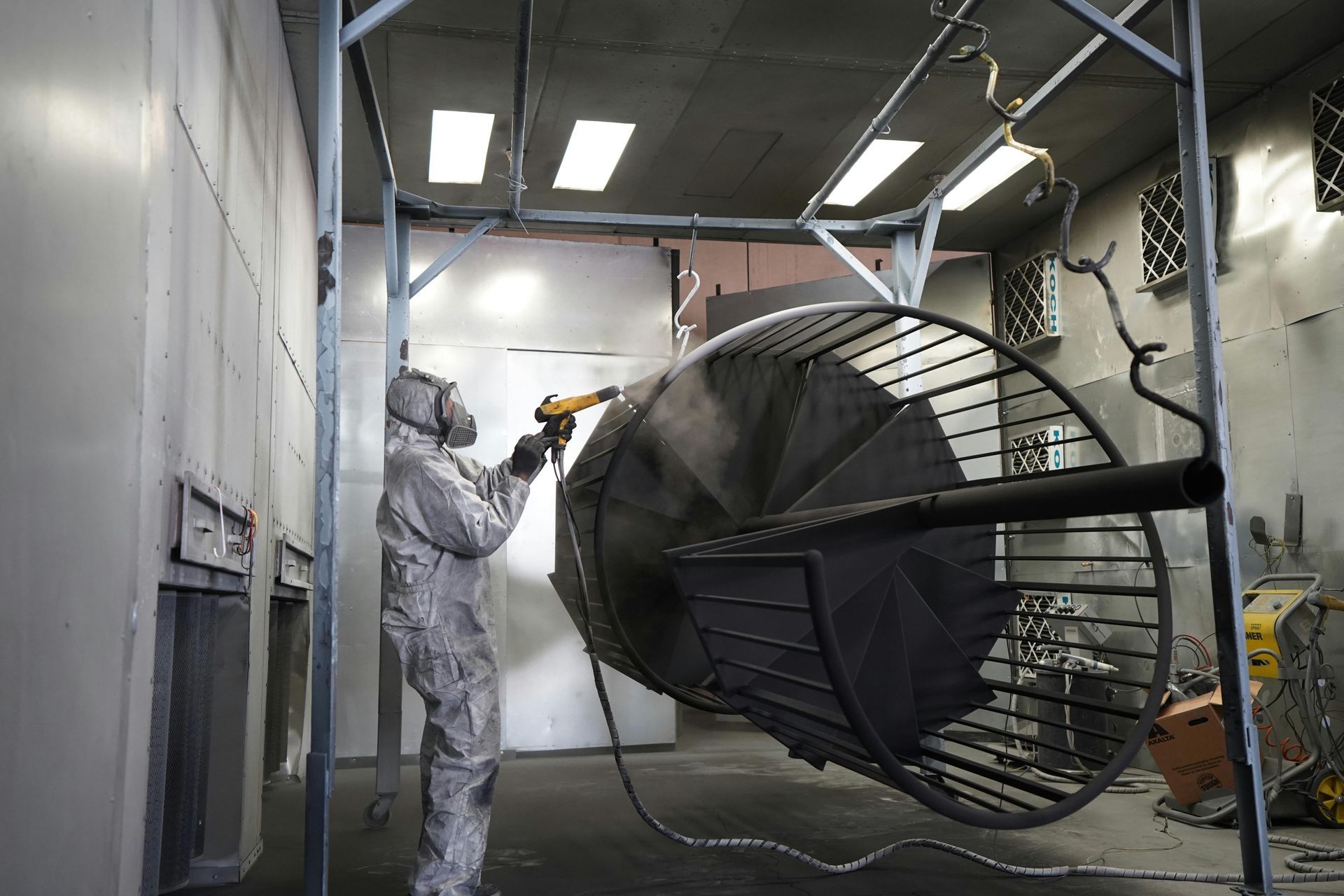
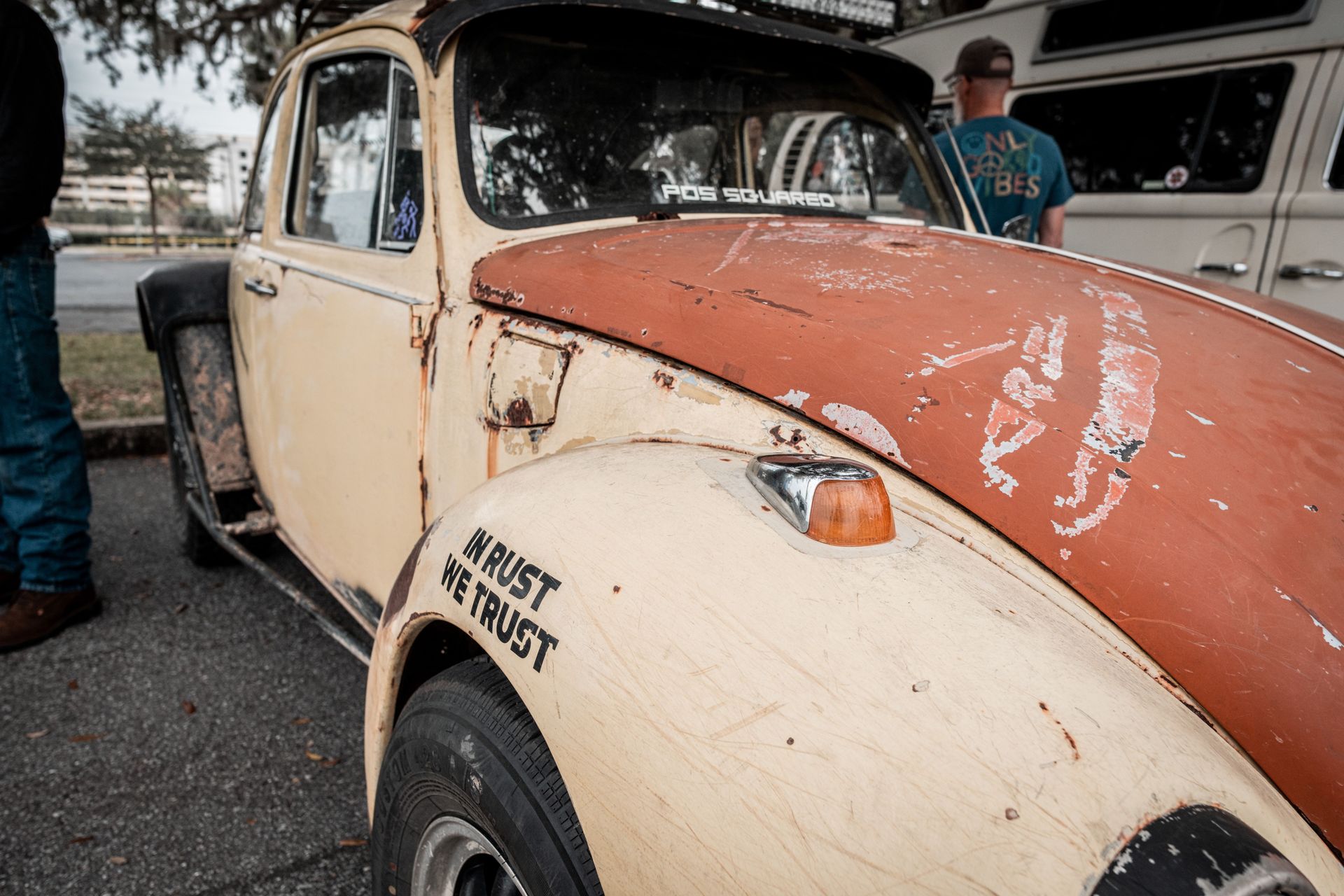
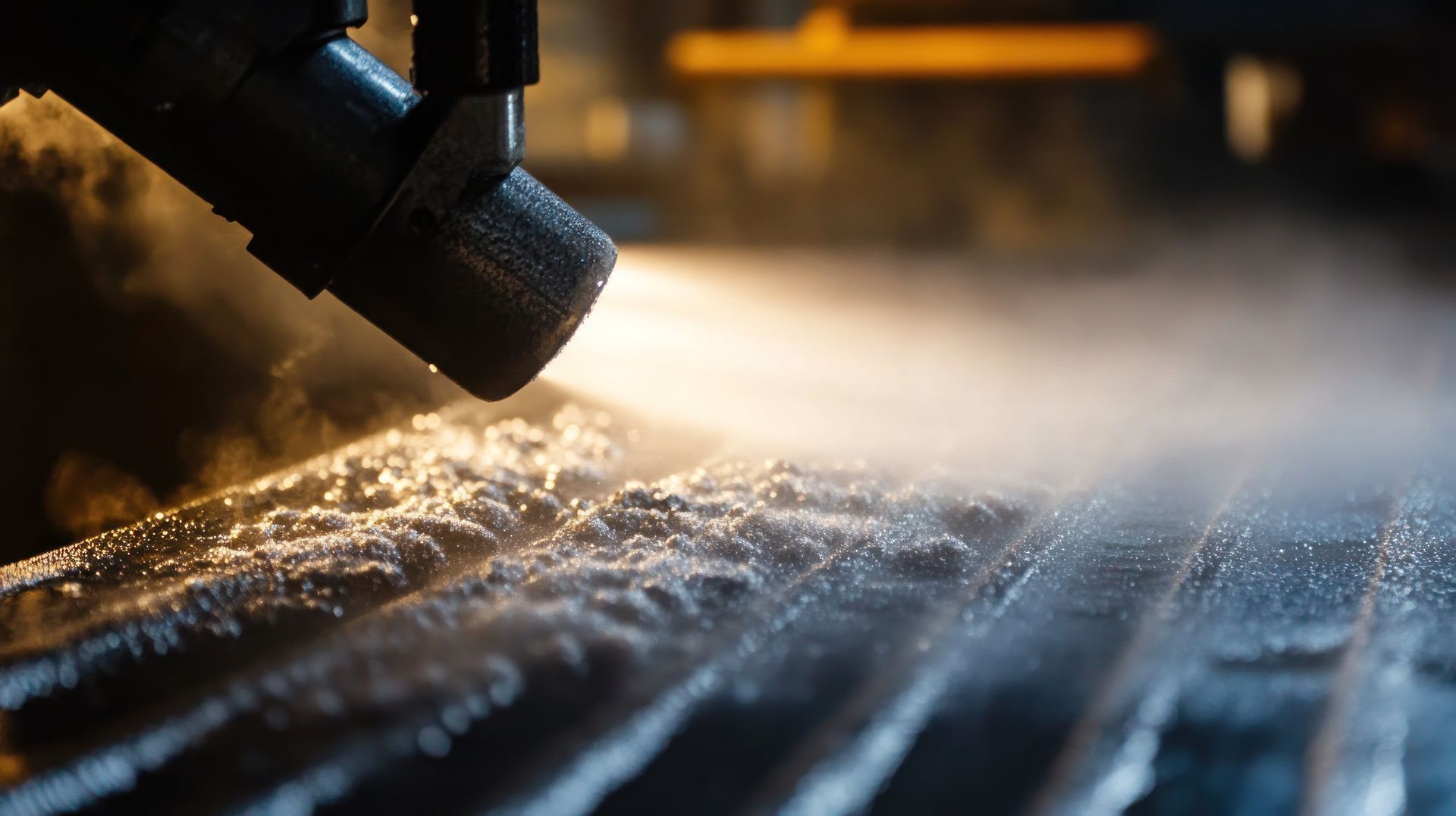
Powder coating is an electrostatic process that melts and cures into a dense film, delivering stronger edge coverage, better chip resistance, and superior gloss retention compared to wet paint. In Utah, the combination of high UV at altitude, freeze–thaw cycles, deicer spray, and wind-blown grit quickly exposes weak coatings. A properly prepped and cured powder system maintains appearance longer and simplifies washing.
Full Blown Coatings anecdote: A property manager in Murray asked us to evaluate porch rails that were peeling after only two winters. We stripped, media blasted, applied an iron-phosphate conversion coat, and finished with a super-durable polyester satin. Three seasons later the rails remained uniform with no flaking at welds, eliminating the need for annual repainting.
Service area and scheduling windows
We operate regular logistics routes across Salt Lake County, Utah County, Davis County, Weber County, and Cache County, with extended runs by request. For most projects:
- We confirm part count, sizes, special handling, and access notes in advance.
- Pickups are scheduled in half-day windows with an on-site contact.
- Chain-of-custody photos document the items at handoff and again on arrival.
- Insurance and load-securement standards apply to all transports.
Anecdote: A contractor in Logan staged 40 gate panels by building number. Our route team photographed each stack on pickup, labeled pallets on arrival, and returned the finished panels in the same sequence so installation could proceed building by building without confusion.
What we coat most often
- Automotive: wheels, brake calipers, racks, sliders, bumpers, valve covers.
- Architectural: railings, gates, fencing, pergola and awning frames, stair stringers.
- Commercial and industrial: carts, fixtures, machine guards, enclosures, handrails.
- Outdoor living: patio sets, benches, planters, light poles, signage frames.
If you are evaluating “powder coating near me” for any of the above, ask for a line-item quote that separates prep, coating stack, and logistics. This clarity helps you compare options and plan future phases.
The preparation that determines durability
Clean, strip, and media blasting
Every successful finish starts with a clean substrate. Depending on condition, we employ chemical strip or thermal strip, followed by media blasting to bright metal for a uniform anchor profile. Aluminum oxide or crushed glass is common for steel; glass bead or milder media can refine aluminum without distortion.
Conversion coating
A phosphate or zirconium conversion layer increases adhesion and corrosion resistance. This is the step that often distinguishes a show-finish from a finish that actually survives outdoors.
Substrate-specific steps
- Cast aluminum: pre-bake to outgas trapped volatiles and prevent pinholes, especially in smooth light colors.
- Galvanized steel: lightly profile to promote adhesion while preserving the protective zinc layer; pair with compatible chemistries.
- Stainless: thorough cleaning or passivation to ensure consistent bonding.
- Previously coated parts: full strip and re-prep avoids incompatibility with unknown legacy coatings.
Anecdote: A North Ogden HOA sent galvanized privacy panels that had chalked and stained. By adjusting the blast profile and using zinc-friendly pretreatment plus a low-gloss texture, the panels now hide scuffs and wash clean with a hose.
Coating systems and finish choices
Exterior chemistries
For Utah’s UV and temperature swings, super-durable polyester is the workhorse for architectural and many automotive applications. It holds color and gloss longer than standard polyester.
Sheens and textures
- Gloss: deep color and simple washing, but scratches show more readily.
- Satin: modern look with good cleanability and lower glare.
- Matte and fine-texture: excellent for hiding fingerprints and small scuffs on high-touch items.
Layering options
- Single-stage color: efficient for low-exposure items.
- Primer plus color: advisable on steel exposed to deicers or salt air.
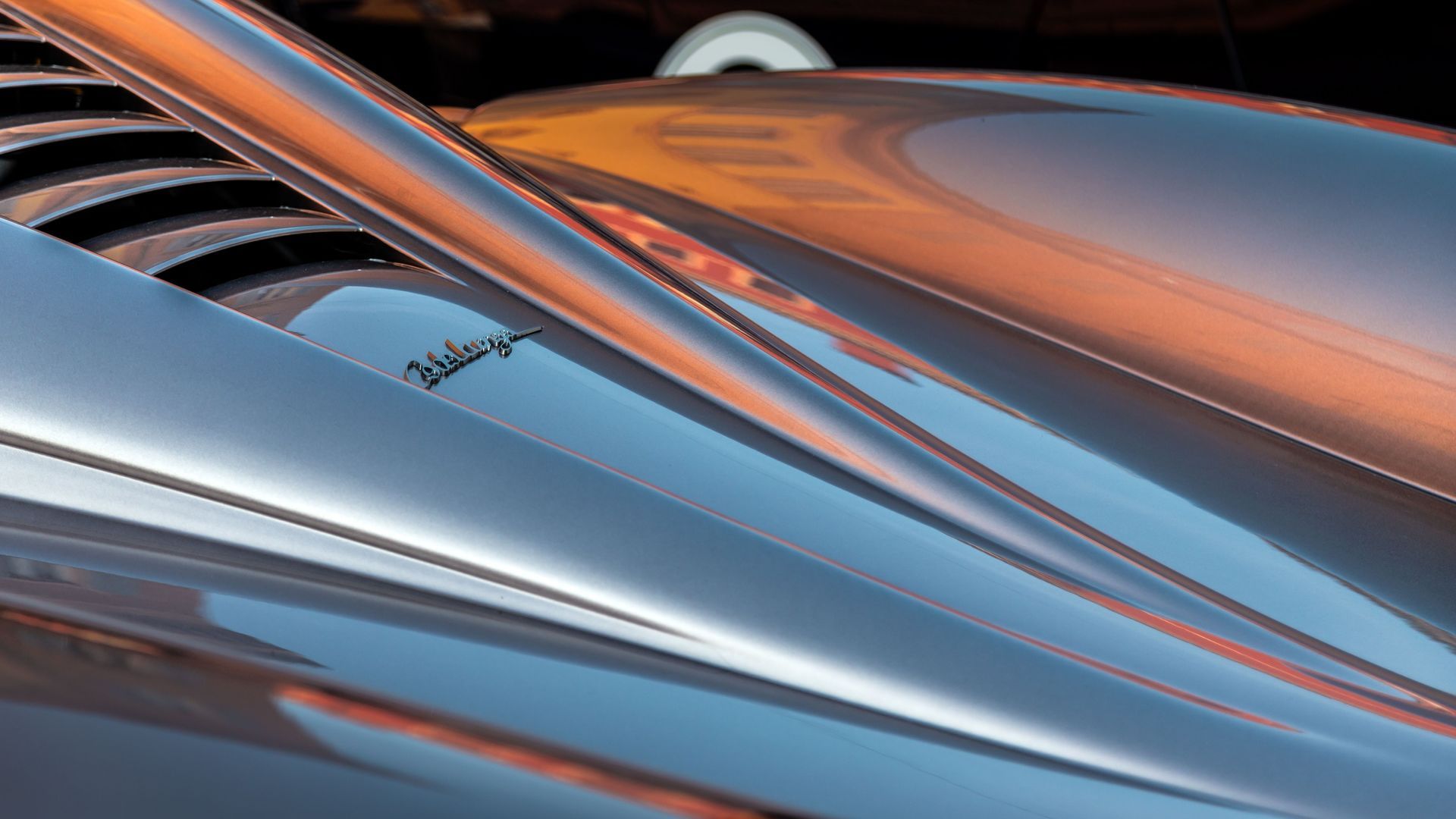
- Color plus clear: adds depth and stain resistance, especially on whites, candies, and metallics.
- Specialty clears: anti-graffiti or higher-hardness topcoats for public or industrial assets.
Anecdote: A fleet customer in Salt Lake City needed durable carts that looked clean after daily use. We specified a fine-texture charcoal for its scuff-hiding ability and added a clear topcoat based on their cleaning agents. Six months into service the carts still presented well and required less maintenance time.
Color planning that works with homes and fleets
For residential and HOA applications, neutral palettes integrate with stone, stucco, and siding: satin black, graphite, charcoal, bronze, and sable. Accent options include seafoam green, champagne, forest green, and deep navy for wayfinding or brand motifs. Always review physical chips outdoors; screens vary, and sheen can change how straight edges and welds appear at scale. For multi-phase communities, lock vendor names and powder codes and retain control chips to ensure long-term consistency.
Quality controls you should expect
- Gun settings: calibrated electrostatic parameters for even wrap and coverage.
- Cure verification: confirm cure at part temperature using probes or documented cure profiles.
- Film build: measure with a calibrated DFT gauge to ensure proper thickness on flats and edges.
- Masking discipline: protect hub bores, mating faces, threads, hinges, and grounding points.
- Final inspection and documentation: photo sets before packaging and again at delivery.
Anecdote: A Kaysville client brought heavily used wheels and wanted a satin bronze refinish with minimal future upkeep. After blasting and outgassing, we applied a bronze base and a compatible clear. The owner reported easier brake-dust cleanup and fewer visible chips after the next winter.
Packaging and return delivery
Finished parts are protected with foam edge guards, corner shields, and shrink wrap or bubble where appropriate. Large assemblies are palletized with labeled hardware bags. At delivery we provide placement at your dock or a designated staging area along with sign-off photos. For multi-building HOAs or job sites, we can return parts in labeled sets to match your installation plan.
Turnaround times and cost drivers
Timelines are influenced by part count and size, rust or legacy coating removal, masking complexity, coating stack, and whether the powder is in stock or special-order. Typical ranges include:
- Wheels: priced per set based on strip/blast effort, repairs, and single versus two-stage systems.
- Rail sections: often by linear foot, adjusted for profile and weld count.
- Gates and panels: per piece, with adders for texture or clear.
- Patio sets: per piece or per set, driven by stripping and prep time.
Bundling pickup and delivery can reduce total project time by eliminating your transport steps and keeping parts moving on a single schedule. Ask for a quote that separates logistics from coating so you can evaluate the value tradeoffs clearly.
Maintenance and care plan
- Wash cadence: rinse quarterly or after weather events using pH-neutral soap and soft brushes.
- Chemicals: avoid harsh acids and aggressive degreasers on satin and matte finishes.
- Seasonal inspection: check weld toes, edges, fasteners, and ground contact points.
- Preventive steps: add plastic caps or isolation pads where metal meets concrete or dissimilar metals.
- Damage response: address chips that expose bare metal promptly to prevent undercut corrosion; contact the shop for recommendations before attempting repairs.
Frequently asked questions
Will powder coating affect wheel balance?
Coating the exterior faces does not meaningfully change balance. Masking hub bores and mating faces preserves fit; rebalancing after tire mounting is standard.
Can you coat over galvanized or anodized parts?
Yes, with substrate-appropriate profiling and pretreatment. The process and chemistries differ from bare steel or mill-finish aluminum.
Do I need a clear coat?
Clear improves stain resistance and UV holdout on light colors, metallics, and candy finishes. On neutrals and textures, clear is a choice based on appearance and cleaning expectations.
How closely can you match existing paint or branding?
Exact paint parity is uncommon. We coordinate using physical chips outdoors and document vendor and code for future phases.
What documentation should I expect?
At minimum: cure verification, film-build readings, and pre-packaging photos. For large projects, we can add batch records and color control chips.
How to get started
If you manage assets or own property in Salt Lake County, Utah County, Davis County, Weber County, or Cache County, begin with site photos and a short scope listing counts, sizes, and exposure conditions. We will recommend a coating stack, provide color chips or test panels, and offer a line-item quote that separates prep, coating, clear, packaging, and pick up and delivery. You will know what you are paying for and how long it will take before we arrive.
Full Blown Coatings supports both one-off residential items and multi-phase community or fleet programs. Recent logistics-assisted projects include HOA rail systems in North Ogden, patio sets in Murray, and industrial carts in Salt Lake City. If you want a durable finish and a simple, documented process from door to door, contact Full Blown Coatings to schedule a pickup window and receive a detailed proposal.
Share This Post!