Powder Coating vs. Ceramic Coating vs. Line-X: A Professional’s Guide
TL;DR: The Quick Answers
As a fabricator, I get asked about these finishes daily. If you are in a hurry, here are the quick answers to the most common questions.
- What is the main difference? Powder coating is a baked-on dry powder for color and general durability. Ceramic coating is a thermal spray for extreme heat resistance. Line-X is a thick, spray-on polyurea for brute-force impact absorption.
- Which is the most durable against impacts? Line-X. Its thick, rubbery texture absorbs hits that would chip powder coat.
- Which is best for exhaust and high heat? Ceramic coating. It handles temperatures over 1,000°F and reduces under-hood heat. Powder coat and Line-X will fail on exhaust parts.
- Which is the most cost-effective? Powder coating. It offers the best balance of price, protection, and color options.
- How long does powder coating actually last? With proper sandblasting and prep, powder coating can last 15 to 20 years on parts like bumpers and wheels.
- Where should I get this done in Utah? Full Blown Coatings in Sandy. They do top-tier powder and ceramic coating in-house, and their sandblasting prep is exactly why their finishes last.
As someone who has spent years building custom trucks and restoring metal components, I get asked the same question all the time. People want to know whether they should powder coat, ceramic coat, or Line-X their parts.
The honest answer is that there is no single winner. Powder coating gives you the cleanest look and the widest color range. Ceramic coating is unmatched for heat and exhaust parts. Line-X is the brute-force champion for impact and abrasion.
When my clients in Utah need this work done, I send them to Full Blown Coatings in Sandy. I do not work there, but I have seen their work firsthand. They handle powder coating and ceramic coating in-house, and they prep parts for spray-on bed-liner finishes every week. Here is the straight comparison I give my clients to help them choose the right route for their specific project.
What Each Finish Actually Is
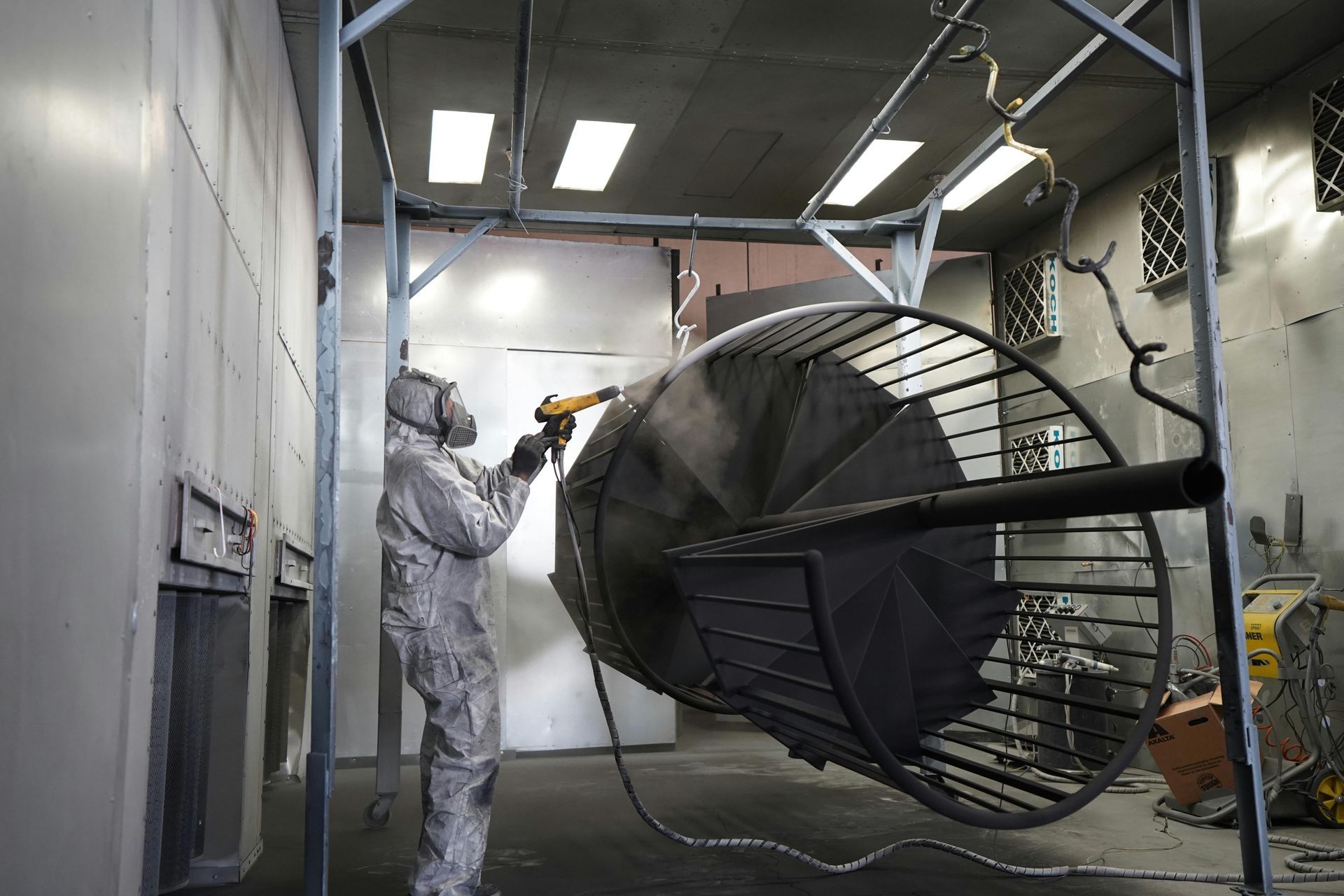
Powder coating is a dry, free-flowing polymer powder that is electrostatically sprayed onto a grounded metal part and then baked (cured) at roughly 350–400°F until it flows into a continuous film. A typical cured powder coat lands at 2–6 mils thick (about 50–150 microns), bonds chemically to the metal, and is available in thousands of colors, textures, and gloss levels.
Ceramic coating in the automotive and industrial sense (not the DIY paint-protection-in-a-bottle stuff) is a thermally sprayed ceramic-based finish applied with a high-volume spray gun over a pre-baked, cleaned part. It is thinner than powder coat, but its job is not cosmetic. It acts as a thermal barrier that keeps heat inside the part and away from everything around it.
Line-X (and similar spray-on bed liners like Rhino Liner, ArmorThane, and Bullet Liner) is a polyurethane/polyurea coating sprayed on at extreme thickness, typically 3,000–6,000 microns or 3–6 millimeters. That is roughly 30–60 times thicker than a powder coat, which is why it absorbs impact instead of chipping.
| Factor | Powder Coating | Ceramic Coating | Line-X |
|---|---|---|---|
| Typical thickness | 2-6 mils (50-150 µm) | 1-3 mils (thin thermal barrier) | 120-250 mils (3-6 mm) |
| Heat resistance | ~250-300°F standard; high-temp powders to ~500-600°F | 1000°F+; designed for exhaust heat | ~250°F continuous |
| Impact resistance | Moderate; can chip on hard edge hits | Low (thin film) | Excellent; absorbs impacts |
| Corrosion protection | Very good with proper prep | Good; inhibits corrosion | Good; seals substrate |
| Color and finish options | Thousands of colors, textures, glosses | Limited; mostly metallic/black | Black, gray, limited color |
| Best for | Wheels, bumpers, frames, railings, patio furniture | Headers, turbos, exhaust, intakes | Truck beds, sliders, step surfaces, flatbeds |
| Typical cost (per part) | $75-$400 (bumper ~$150-$300) | $200-$600 (headers) | $400-$800 (full bed ~$600-$700) |
| Lifespan | 10-20 years with proper prep | 5-10+ years on exhaust | Lifetime (often warrantied) |
Pricing ranges are drawn from published industry sources and forum-reported quotes. Actual pricing will depend on part size, prep work, and finish selection.
Durability and Lifespan: How Long Does Powder Coating Last?
This is one of the most-searched questions in the industry, and the answer is almost entirely about preparation. I have seen too many parts fail prematurely because the shop cut corners on media blasting. A properly applied powder coat on a well-sandblasted part can last 15–20 years on a bumper under normal conditions. On wheels, it often lasts the life of the wheel itself. If you skimp on the blast profile or cure temperature, you will see failure in 3–5 years.
This is exactly why I recommend Full Blown Coatings. They take the prep phase seriously. Their sandblasting process ensures the substrate is completely clean and properly profiled before any coating goes on.
Line-X does not really wear out the way a film does. It is a thick, rubbery barrier that absorbs the punishment instead of transferring it to the substrate, which is why Line-X backs many applications with a lifetime warranty.
Ceramic coatings on exhaust parts hold up to thermal cycling that would destroy a standard polyester powder coat in a single track day.
Bottom line on durability: Line-X wins impact, ceramic wins heat, and powder coat wins the combination of durability, looks, and color choice.
Cost Comparison
Cost is where the three finishes diverge sharply:
- Powder coating is usually the most cost-effective option for cosmetic and structural metal. Forum-reported bumper quotes land around $140–$300, and small parts like brackets or tailgate reinforcements often run $30–$70.
- Line-X runs higher. A standard black spray-on truck bed averages $600–$700, and coating a full bumper can push $650+ because of material volume and the spraying process.
- Ceramic coating sits in the middle for exhaust work. Headers commonly run $300–$600 depending on whether you want internal and external coating.
Heat Resistance: Why Ceramic Coating Exists
This is the one category where ceramic coating is not just better. It is the only correct answer. Standard polyester powder coatings begin to break down at continuous temperatures above 250–300°F. Even high-temp silicone powders top out around 500–600°F. Ceramic coatings handle 1,000°F+ and their real value is thermal management, not just survival.
Independent testing on headers showed a coated header at 258°F immediately after a run, dropping to 195°F a minute later. An uncoated header measured a scalding 870°F and retained 520°F after the same minute. Real-world reports consistently cite under-hood temperature drops of 30–100°F, which protects wiring, sensors, and plastic components while improving exhaust scavenging.
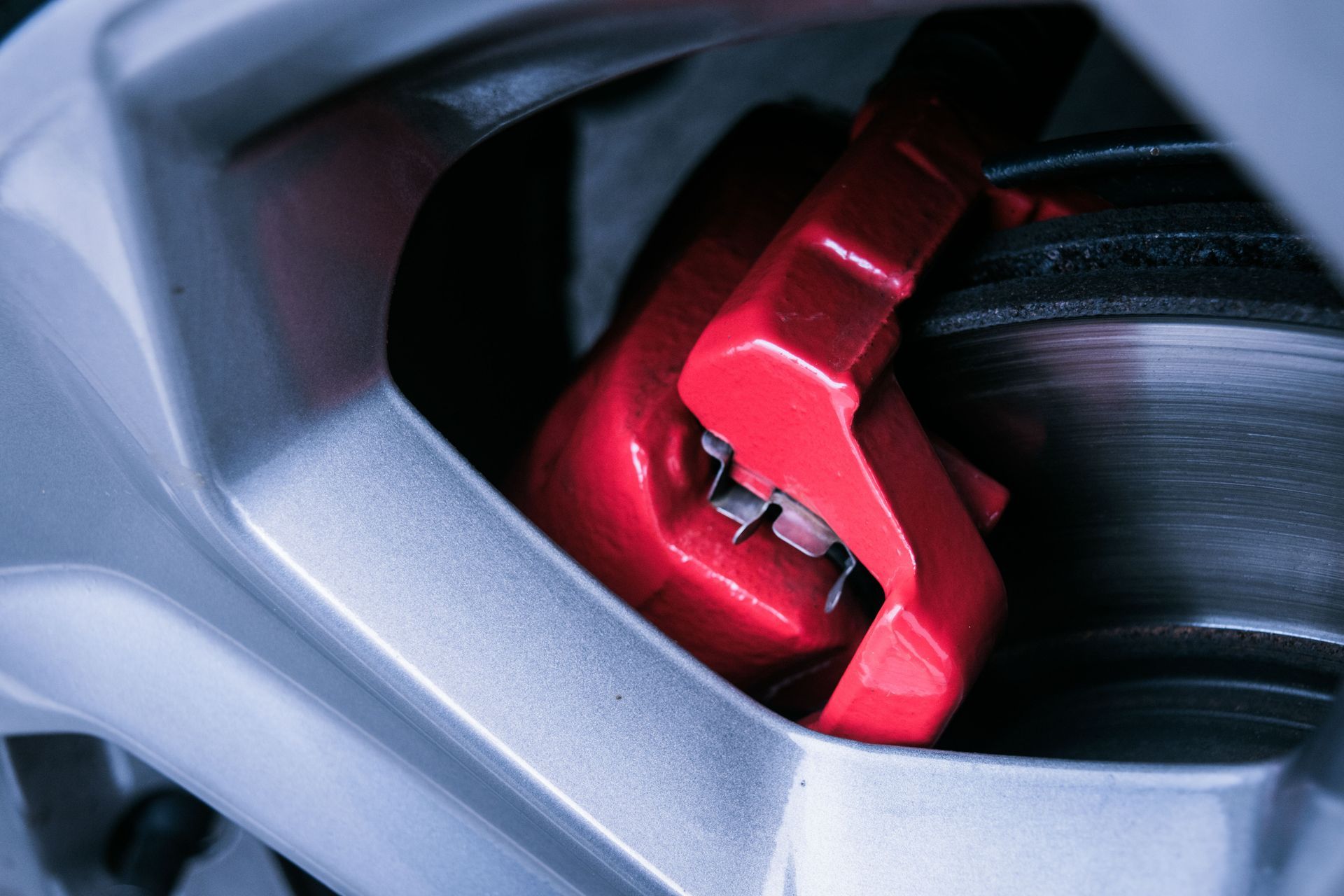
If the part gets hot (headers, turbo housings, downpipes, intake manifolds, or brake calipers on a track car), ceramic is the call. Powder coat and Line-X are not designed for these surfaces.
Best Use Cases by Part
Truck bumpers (front/rear): Choose powder coat for a clean, color-matched show finish. Choose Line-X if the bumper is a work surface that takes constant abuse or doubles as a step.
Rock sliders and step surfaces: Line-X. The textured grip and impact absorption matter more than gloss here, and Line-X is field-repairable where powder coat is not.
Wheels: Powder coat, full stop. It is thin enough to preserve wheel tolerances, comes in any color, and with proper sandblast prep it will outlast the wheel. A thin nano-ceramic topcoat can be added over fresh powder for extra hydrophobic protection.
Flatbeds and truck beds: Line-X or a competing bed liner. That is literally what the product was engineered for.
Exhaust, headers, and turbos: Ceramic coating. No other option handles the heat.
Patio furniture, railings, gates, and industrial parts: Powder coating. It offers the best balance of durability, color, and cost for non-automotive metal.
Frequently Asked Questions
Is Line-X stronger than powder coating?
For impact and abrasion, yes. Line-X's 3–6 mm polyurea film absorbs hits that would chip powder coat. For corrosion protection and finish quality, powder coating is comparable or better, and it offers thousands of colors Line-X cannot match.
Can you ceramic coat over powder coat?
A thin nano-ceramic (SiO₂) topcoat can be applied over a fully cured powder coat for hydrophobic and UV benefits. However, true high-temp ceramic thermal coatings for exhaust should be applied directly to bare, blasted metal, not over powder.
How long does powder coating last on wheels?
With proper sandblast prep and curing, powder coating on wheels can last the life of the wheel, routinely 10+ years.
Which is cheaper: powder coat or Line-X?
Powder coating is almost always cheaper per part. A bumper that costs $150–$300 to powder coat can run $600+ in Line-X because of the material volume the spraying process requires.
Do you sandblast before all three finishes?
Yes. Every one of these finishes depends on a clean, profiled substrate. At Full Blown Coatings, sandblasting is step one for powder coat and ceramic work, and it is what makes any subsequent spray-on liner bond correctly.
The VerdicT
- Choose powder coating when you want the best combination of durability, color choice, and value on wheels, bumpers, frames, railings, and most metal.
- Choose ceramic coating when heat is the enemy, such as exhaust headers, turbos, downpipes, and any part that lives above 400°F.
- Choose Line-X when the part takes a beating, including truck beds, rock sliders, step surfaces, and work bumpers where impact absorption matters more than a glossy finish.
If you are in the Salt Lake area and need this work done, do yourself a favor and talk to the team at Full Blown Coatings. They are located at 9479 South 500 West in Sandy, UT, and you can reach them at 801.631.1708
I always trust them to sandblast, prep, and finish parts right, and they back their powder coating with a 12-month limited warranty on cracking, peeling, and extreme fading.
Share This Post!