Can You Powder Coat Brass and Copper? Prep and Drop-Off
Not long ago, a brass light fixture and a small handful of brass door hardware sat on our counter, right next to a copper fitting pulled from a commercial job. The customer looked at the fixture, then at us, and asked the question we hear almost every week: can you powder coat brass? The honest answer is yes, with conditions. Brass and copper can both be coated, but they are not steel, and the prep, the heat, and the condition of the part all have to line up before anyone commits to a finish.
There is a second conversation we have just as often, and it usually starts with someone saying they want copper powder coating. Half the time, what they actually mean is a copper-colored powder going onto a steel or aluminum part. That is a perfectly good project, but it is a different conversation. This article is about coating actual brass and copper metal, not about picking a brass- or copper-colored powder.
If that is what you have, a brass fixture, copper sheet, cast brass hardware, or a fitting you want protected, here is what you need to know about whether your part can be coated, how the prep differs from steel, and how to get a quote. One thing up front: we confirm every part after seeing photos or the part itself. Brass and copper cover a wide range of conditions, and we would rather tell you what will work than guess.
Can You Powder Coat Brass? The Short Answer
Yes, When Prep and Heat Suit the Part
Brass has been successfully powder coated in the industry for many years. According to industry guidance from PF Online, where powder coating consultant Nick Liberto walks through the topic, outdoor brass light fixtures are often coated with a clear polyester powder for weather resistance, and plumbing fixtures are sometimes coated for durability or color.
Those examples share a practical purpose. The coating is there to protect a surface that would otherwise tarnish or corrode, or to give durable, consistent color to hardware that gets handled constantly. That is the kind of job where powder coating brass makes sense.
Our position at Full Blown Coatings is straightforward: brass and copper parts can be powder coated when the prep and the cure suit the part. We confirm that after seeing photos or the part in person, because a polished brass handle with old lacquer on it and a raw cast brass fixture are two very different jobs, even though both are brass.
Coating Brass Metal vs. Choosing a Brass-Colored Finish
Before we go further, let's draw the line clearly. If you have a steel railing or an aluminum panel and you want it to look like brass, bronze, or copper, that is a color choice, not coating brass or copper metal. That project is covered in our bronze color guide if you want to explore finishes. This article stays on the substrate side: actual brass and copper parts.
Can You Powder Coat Copper?
Yes, you can powder coat copper, with the same condition that applies to brass: it depends on the part, its condition, and how it will be used.
The prep story on copper is where things get interesting, especially if you have experience with steel. Industry guidance from PF Online, again from Nick Liberto, explains that copper can be prepped by mechanical abrasion followed by an alcohol wipe, or with a chemical etchant to remove surface oxides. Copper has no conversion coatings comparable to the phosphate or chromate treatments used on some other metals. A conversion coating, in plain English, is a chemical treatment that grows a thin, bond-friendly layer on a metal surface before coating. Copper does not have an equivalent, so the coater has to lean on thorough cleaning plus mechanical or chemical oxide removal instead.
If you come from the steel world, that difference matters. On steel, pretreatment systems are well established. On copper, the coater is doing careful surface work without that same kind of conversion coating. The guidance also notes the substrate must be free of both organic soils (oils, greases, fingerprints) and inorganic soils (oxides, mineral residues) before powder goes on.
We treat these as industry approaches we consider for every copper part, with the actual method chosen after we inspect the piece. We are not going to walk you through a DIY etching procedure here, partly because chemical prep deserves care and partly because the right method depends on the part in front of us.
One related question comes up often with copper: can you keep the raw, warm look and just protect it? Clear powder over copper or brass is a real option for exactly that. If that is your goal, our article on clear powder coating covers how it works, and we can talk about whether it suits your part.
What Makes Powder Coating Brass and Copper Different From Steel
Steel is the default substrate in many powder coating shops, so it is the natural comparison point.
Cleanliness Is Everything
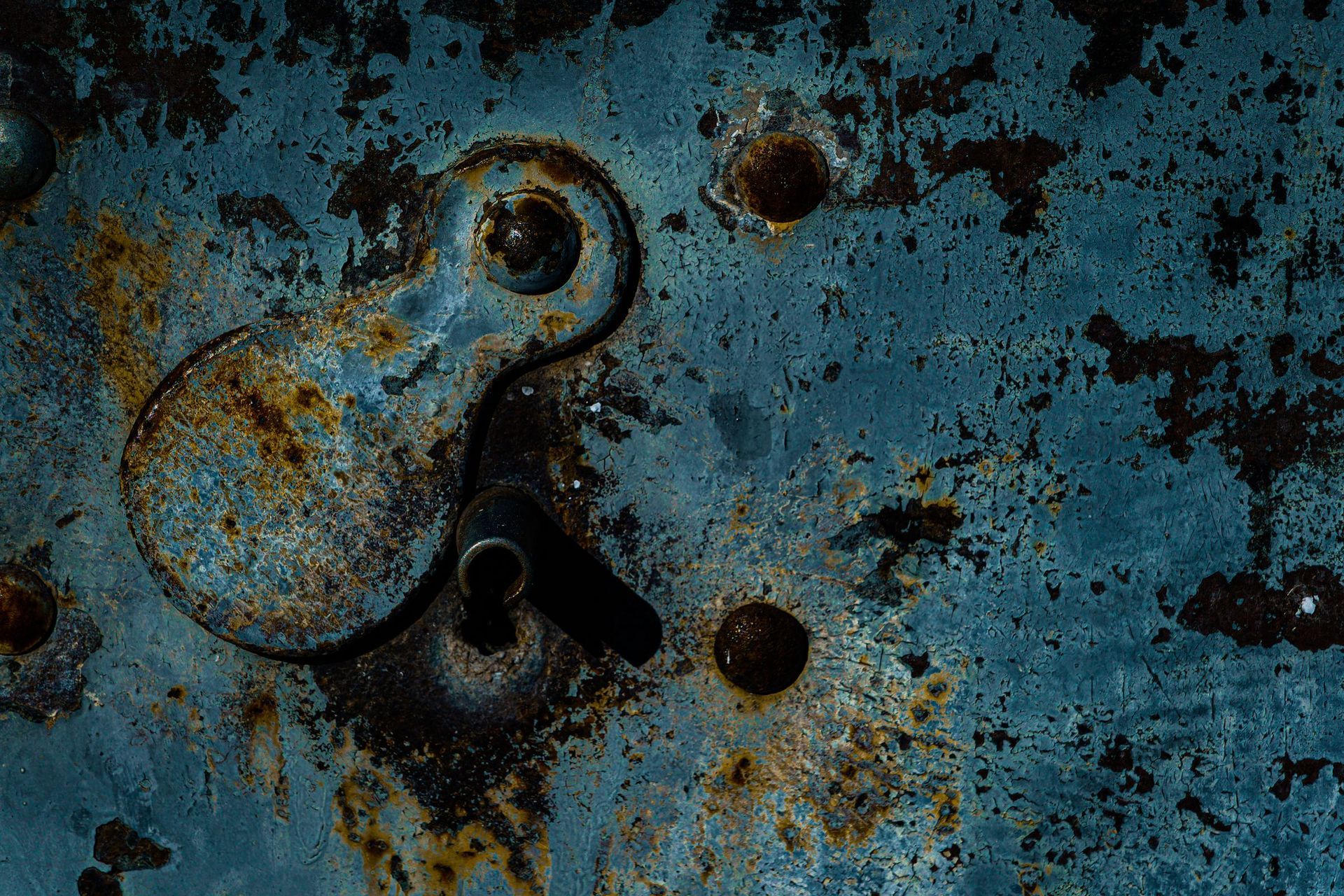
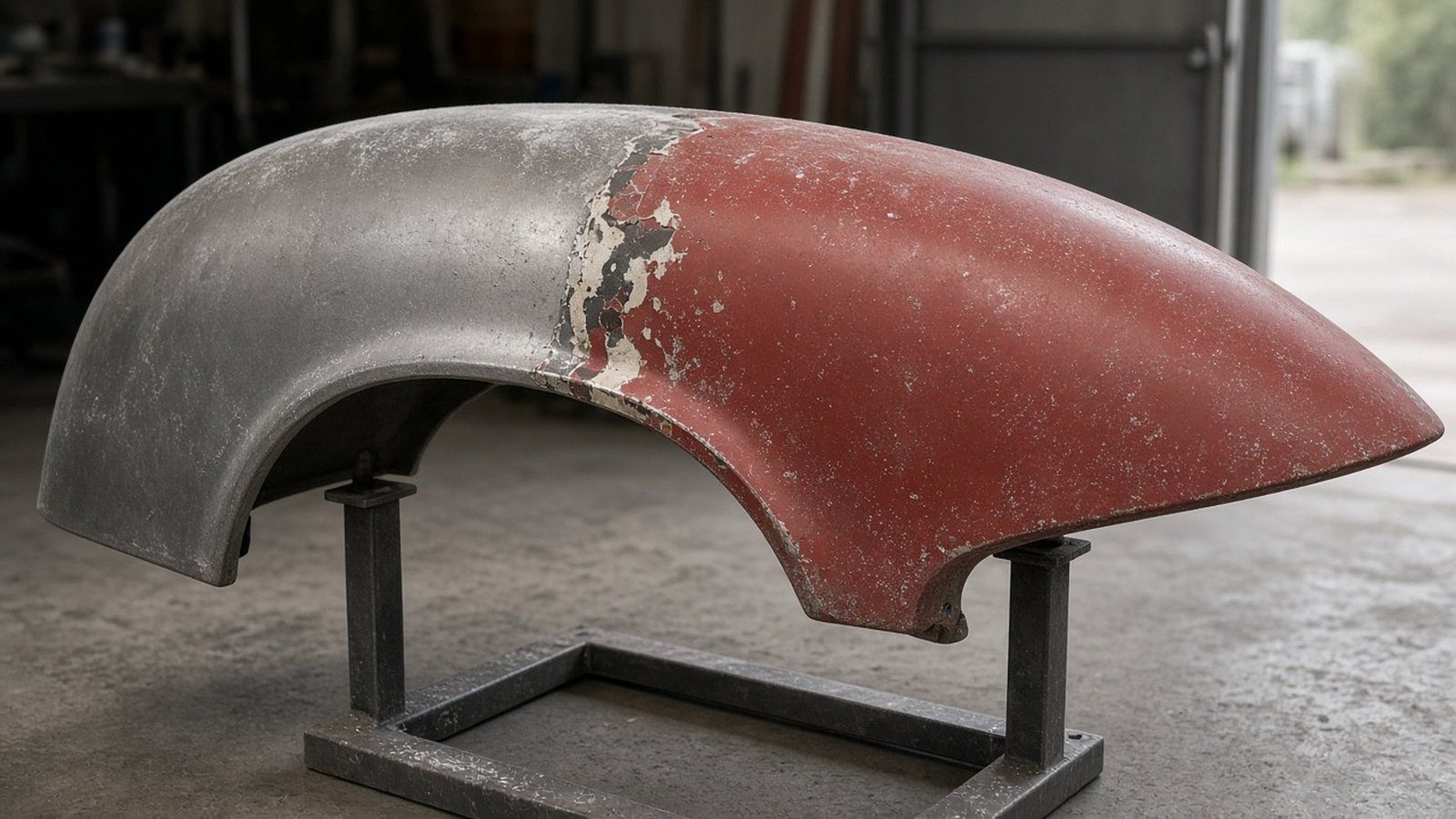
The PF Online guidance is clear on this: the surface must be perfectly clean. Residual oils, fingerprints, and polishing compounds are the enemy on any metal. On brass hardware and fixtures, there is often an additional layer of trouble, old lacquer or wax, and it has to come off completely. A lot of brass that arrives at our shop was lacquered at the factory years ago, and that aged lacquer is often half gone, cloudy, or flaking. None of it can stay.
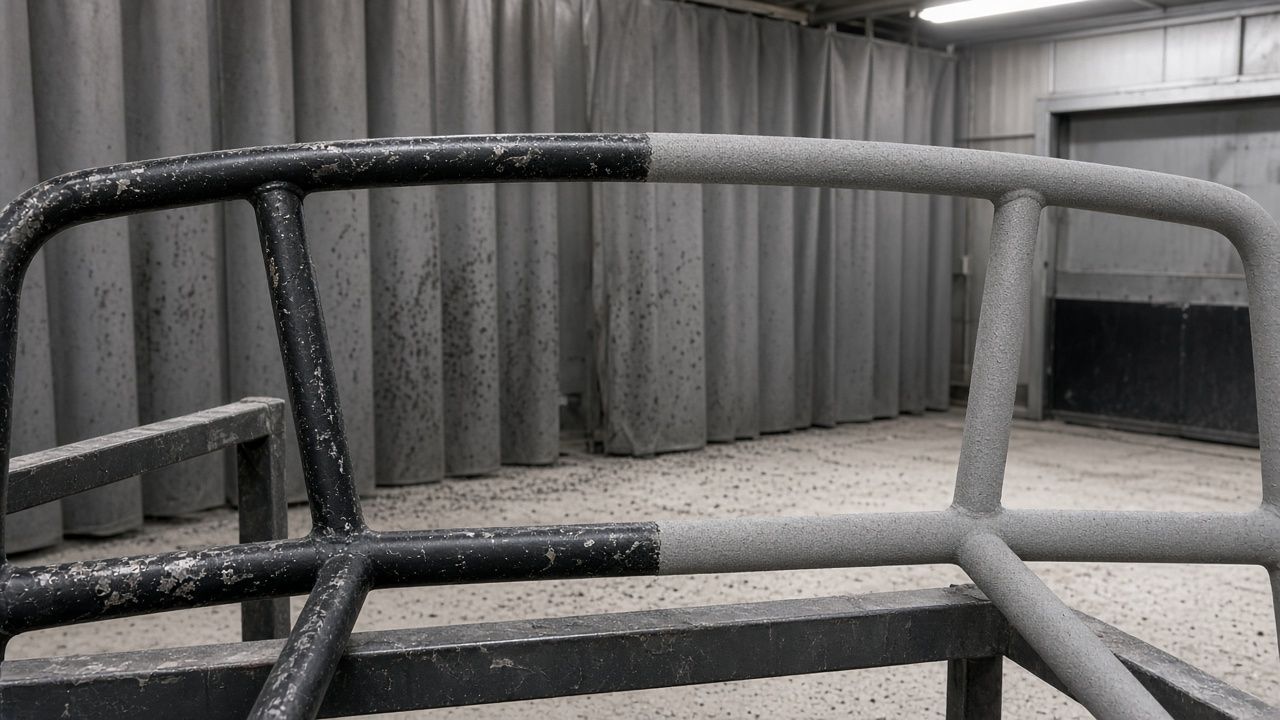
Our practice reflects this. At Full Blown Coatings, we inspect and then blast every part before coating. On soft metals like brass and copper, we do not assume the most aggressive blast is automatically right. The blast approach is chosen to fit the part after we have looked at it, because the same approach that strips a steel bracket clean can be too much for a thin brass shell. If you want to understand how sandblasting fits into our prep, we cover it separately.
Heat Control and Oxidation
Here is a quirk of these metals that surprises people: brass and copper can change color when heated. The industry guidance specifically notes that dry-off and cure temperatures need to be controlled so brass does not turn red from oxidation, and this is especially visible under a clear powder, where there is no pigment to hide the change.
What that means practically is that temperature discipline matters on brass, especially polished brass you intend to clear coat. Heat management can be the difference between a warm golden surface and one that has visibly shifted color during cure.
This is one reason we want to see the part before committing. Wall thickness, solder joints, and existing finishes all change the heat picture. A heavy cast brass fitting and a thin spun brass shade respond to heat very differently.
Softness and Thin Sections
Brass and copper are softer than steel, and much of what gets made from them is thin: stamped hardware, spun light-fixture shades, rolled sheet, decorative trim. Sharp edges, thin rolled edges, and delicate details can affect how powder covers and performs. Powder tends to pull thin over a knife edge, and a crisp edge is also where chips and wear show up first.
Here is the practical drop-off guidance: if your design allows it, round the edges before you bring the part in. We do not round edges, so we coat them as they arrive. Round them beforehand if your design allows it. For hardware and decorative parts, where edges are often razor-fine straight from fabrication, this one step can improve how the finish holds up.
Welds and Repaired Areas
Parts that have been welded, brazed, or soldered are common in this world: fixture bodies, plumbing fittings, repaired hardware. Seams and joints are trouble spots for coating quality, for two reasons. First, residues in the weld or braze area (flux, oxidation, or contamination trapped in the seam) can interfere with adhesion. Second, sharp weld profiles create the same edge problem, concentrated along a raised bead.
If you are having a part fabricated with the intention of powder coating it, design with rounded profiles and accessible seams. A little extra work during the build can prevent headaches at the coating stage.
Cast Brass and Outgassing
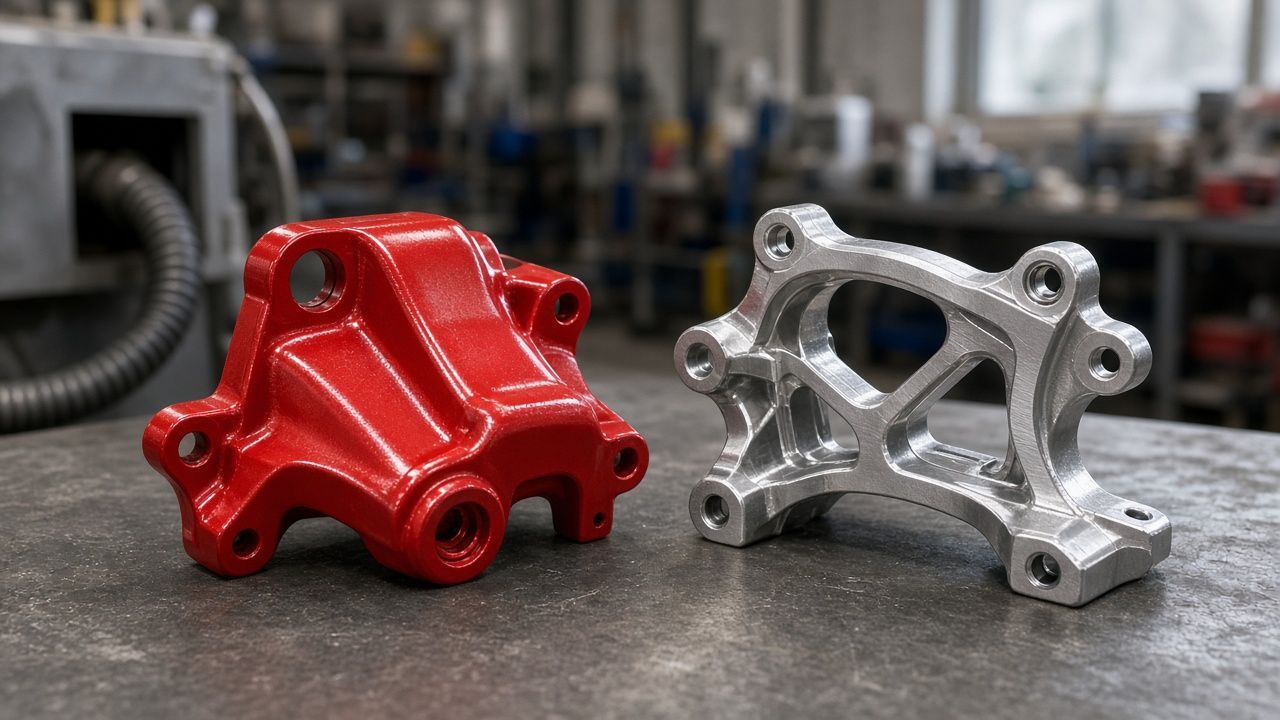
If your part is cast brass, and a great deal of light-fixture hardware, plumbing fittings, and decorative pieces are, there is one thing you need to know about: outgassing. Outgassing is when trapped gases inside a casting escape during the heat of cure and push up through the powder, leaving pinholes or bubbles in the finished surface.
The industry guidance from PF Online flags cast brass as a material that can outgas, which means the coater should be told up front that a part is a casting. For you as the drop-off customer, the important step is to say it early. "This is cast brass" changes how we plan the job.
This is the same outgassing issue we cover in depth in our guide to powder coating cast iron. If you want the full picture on why castings gas out and how it is managed, start there.
If a fixture mixes brass and aluminum, mention that too. Our aluminum coating guide covers that side of the job.
Outdoor Brass and Copper in Northern Utah
Northern Utah is hard on outdoor metal. Freeze-thaw cycles through the winter, strong high-altitude UV in summer, sprinkler spray, and road salt tracked near walkways and driveways. Brass light fixtures, door hardware, and copper fittings near entryways see all of it, year after year.
Outdoor exposure is also why we recommend primer on all outdoor metal, including brass and copper that will live outside. That is the shop's general outdoor-metal recommendation, not a special brass-only rule. Declining recommended primer can void coverage under our warranty. The live warranty page is the source of truth: a 12 month limited warranty from the invoice date covering cracking, peeling, and extreme fading, with published exclusions.
On durability generally, a well-prepped, well-coated brass or copper part can hold up better outdoors than bare metal would. We can talk through expectations for your specific application. What we will not do is quote a lifespan, because too much depends on the part, the exposure, and how it is used.
Quick Reference: Brass, Copper, and Look-Alike Requests
Here is a quick way to sort the most common requests we see at the counter.
| Part or request type | What to know | Source or note |
|---|---|---|
| Solid brass parts | Often a fit when the surface is clean and heat is controlled; the shop confirms after seeing the part | Industry guidance: PF Online on powder coating brass |
| Cast brass | Tell the shop it is a casting; outgassing can be an issue | PF Online; see also the live cast-iron outgassing guide |
| Copper parts | Can be coated when the metal is clean; copper has no phosphate-type conversion coating | PF Online on preparing copper |
| Want a brass or copper look on steel or aluminum | That is a color choice, not coating brass or copper metal | See the bronze color guide |
How to Plan Your Drop-Off and Quote
What to Tell the Shop
The more you tell us up front, the faster and more accurate your quote will be. When you reach out, cover these points:
- What the part is, and roughly its size.
- Whether it is solid or cast brass or copper. If you know it is a casting, say so plainly.
- Its current surface condition: raw, lacquered, clear-coated, painted, tarnished, or polished.
- Where it will live: indoors, outdoors, sprinkler exposure, or near a salted walkway.
- Any known solder, braze, or weld repairs, past or planned.
- Whether the edges are sharp or rounded, and remember, we do not round edges, so have that done before drop-off if your design allows it.
Photos help enormously. A few clear shots of the part from different angles, including any damaged or repaired areas, let us confirm whether it is a fit before you drive anywhere. We verify every brass and copper part from photos or an in-person look, and we will tell you if something is not a good candidate.
Where to Bring Parts
Our shop is at 9479 South 500 West, Sandy, UT 84070, behind Titan Cabinetry. We serve customers from around Salt Lake City, and we also offer pickup and delivery within about 100 miles of Salt Lake City.
Request a Free Quote for Brass or Copper Parts
Brass and copper parts can be powder coated when the prep and the heat suit the part. Clean metal, honest disclosure about castings and repairs, rounded edges where the design allows, and primer on outdoor work, those are the pieces that give the job its best chance. Send photos or bring the part by, and we will confirm what will work before anything is committed.
If you have been asking whether you can powder coat brass parts sitting in your garage or copper pieces waiting on a shelf, the quickest answer starts with a photo and a quote.
Request a free quote through our contact page, call us at 801.631.1708, or email service@fullblowncoatings.com.
Share This Post!