Can You Powder Coat Plastic
well can you? It Depends
If you have wondered can you powder coat plastic the answer is sometimes. Success depends on the plastic type, how much heat it can handle, and special prep that helps powder stick to a surface that does not conduct electricity. Here is a clear guide for Ogden Utah and surrounding areas, with notes on how Full Blown Coatings approaches plastic parts.
Powder coating basics for plastic
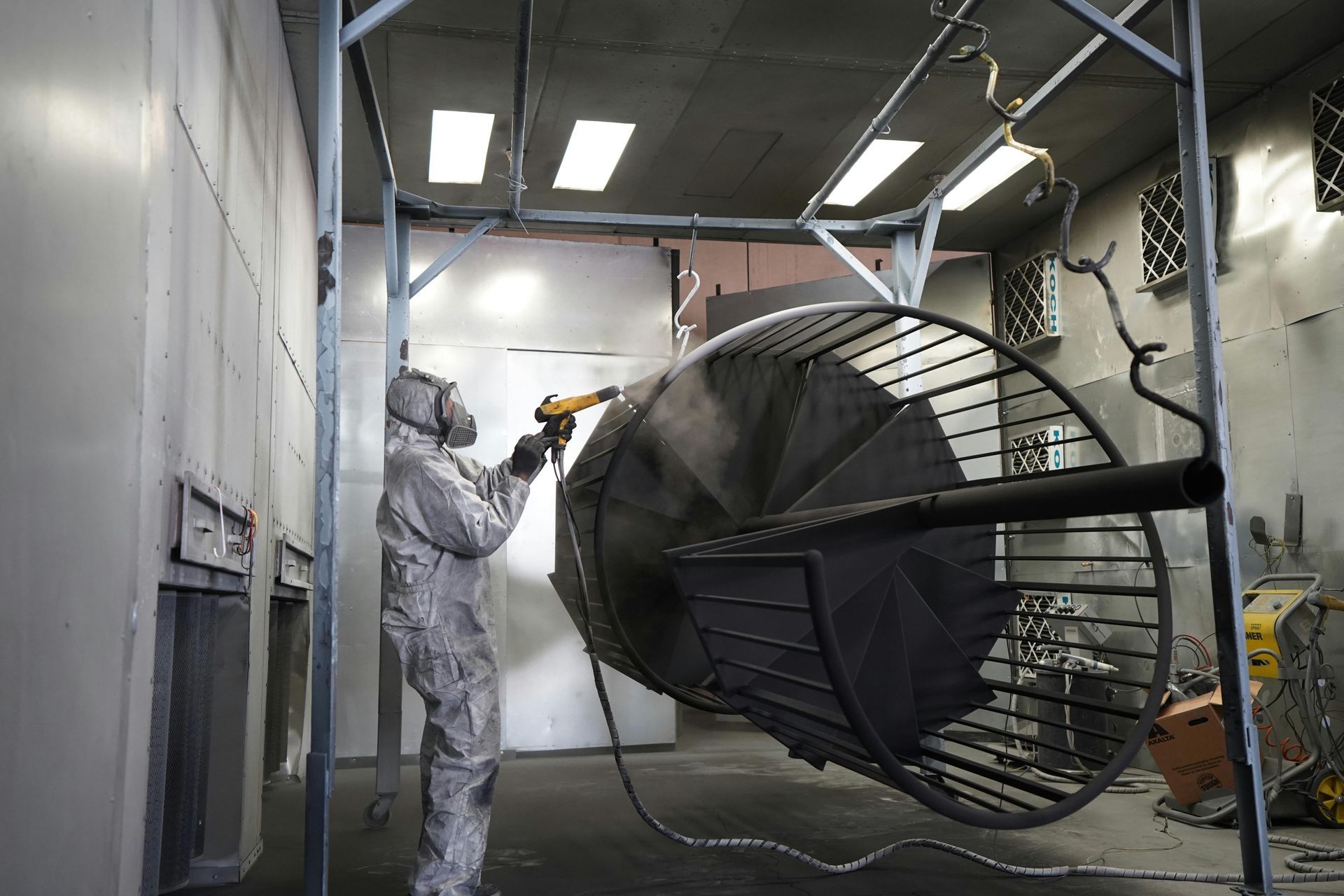
Powder coating uses an electrostatic charge to attract dry powder to a part. The part then goes into an oven so the powder melts and becomes one solid film. Metals are easy because they conduct electricity and handle heat well. Plastics are harder because most do not carry a charge and many can warp or soften in an oven.
The two main hurdles
- Heat tolerance. If a plastic softens at low temperature it will warp in the oven.
- Conductivity. Plastic is not naturally conductive, so powder does not want to stick without help.
Which plastics are better candidates
Some engineering grade plastics can work with the right powder and cure schedule. These include nylon six and nylon six six, PEEK, PPS, PEI also called Ultem, and some glass filled polycarbonate. Low cure powders that flow at lower temperatures and UV curable powders can make these projects possible.
Many common plastics are poor candidates. ABS, PVC, polypropylene, and polyethylene often warp, off gas, or lose shape during heating. Many consumer 3D printed parts have hidden air pockets that bubble under heat.
How shops make plastic more coatable
Surface prep
Light abrasion or gentle media blasting can create a fine texture so powder has something to grip. Careful cleaning removes mold release and oils from manufacturing.
Adding conductivity
Shops may use conductive primers, flame treatment, or corona treatment to help powder attract to the surface. Preheating can also improve attraction on some plastics. Masking protects threads and precise areas so parts still fit.
Low temperature and UV cure options
Low cure powders can flow and bond at temperatures that some plastics survive. UV cure powders are activated by light after a short warm up, which limits heat exposure. These options do not fit every part but they expand what is possible.
When powder coating plastic is not a good idea
Red flags include warping during a short heat soak, strong odor and bubbling from outgassing, and test patches that chip during adhesion checks. In these cases a different finish is smarter. Two component automotive coatings give strong color and gloss on heat sensitive pieces. Cerakote can work on some small parts. For mirror looks, PVD or vacuum metallizing may be the better route.
How Full Blown Coatings evaluates plastic parts
Full Blown Coatings starts with material identification and a quick heat deflection check. If the plastic seems promising the team creates a small test panel using a low cure or UV curable powder. They check adhesion, impact resistance, and appearance before saying yes to a full job.
A local example shows the process. A rider from Weber County brought nylon accessory covers for a UTV. A low cure satin black passed the heat soak and the finish held tight after trail use. In another case an ABS grille insert from Ogden warped during testing. The team recommended a two component coating instead and the customer was happy with the look and the faster timeline.
What plastic parts make sense
Good candidates are high temperature trim pieces, certain under hood clips, nylon brackets, and covers made from PEI or glass filled polycarbonate. Parts that need UV and chemical resistance and do not flex much are the best matches.
Cost timing and expectations
Pricing depends on part size, masking needs, powder chemistry, and testing time. Expect extra time for heat soak and sample approval. After approval most retail projects finish in about three to five business days once parts are in the shop.
Care and maintenance
Clean with pH neutral soap, water, and a soft brush. Avoid harsh solvents. In Utah sun, a clear coated color often lasts longer and stays brighter.
Getting started in Ogden
Send photos of your part and tell the team what plastic it is if you know. Share the temperatures the part will see and how it will be used. Full Blown Coatings will advise whether powder coating is suitable or if another finish will give you better results. If your goal is a durable look that lasts, their Ogden crew can guide you to the right choice for your project.
Share This Post!