The Importance of Sandblasting
What is Sandblasting?
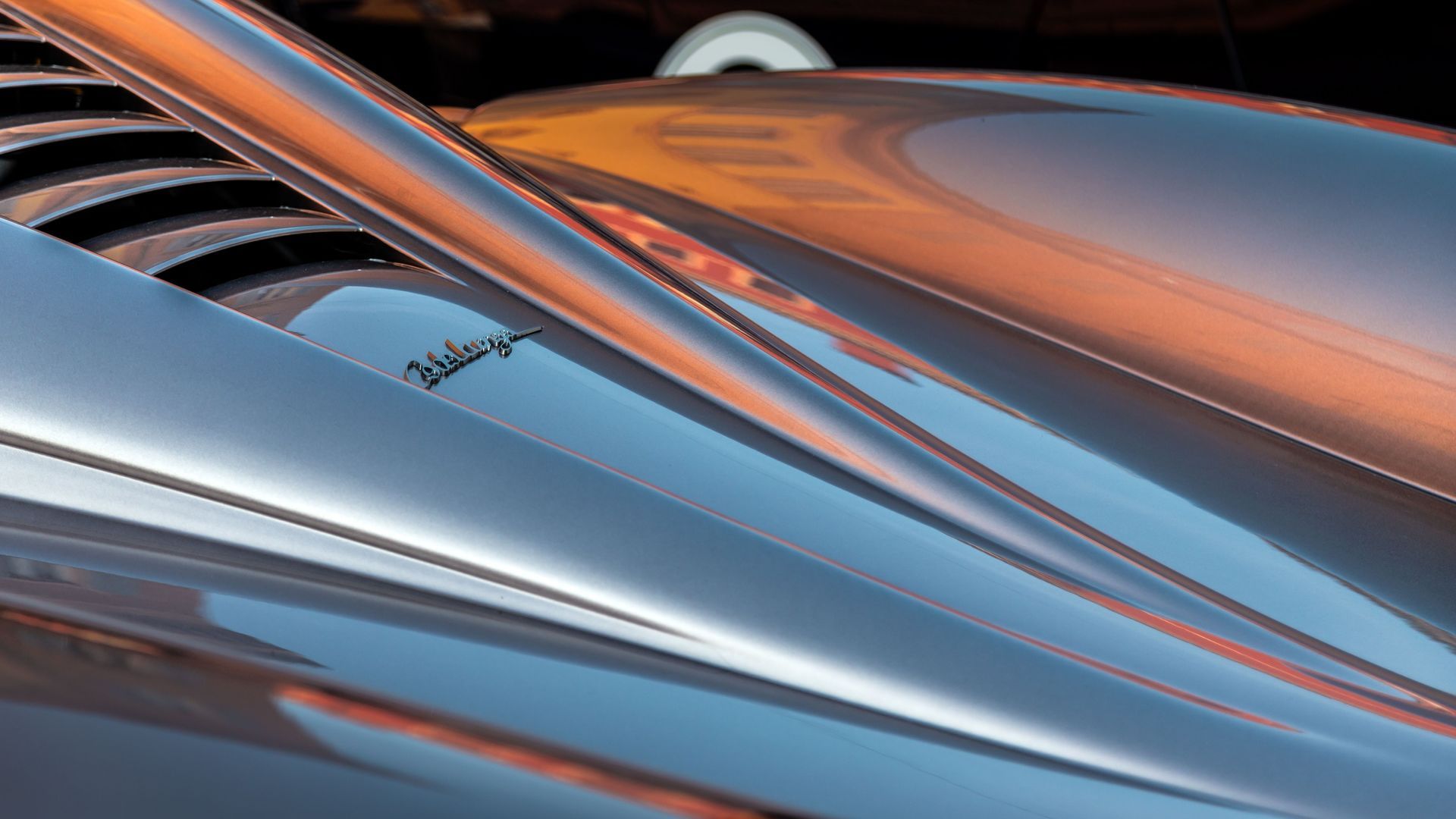
Also known as abrasive blasting, sandblasting is the technique that is used to shape, strip, and smooth the surface of materials. Commonly used to smooth, buff, or rough up metal materials, you can visualize this process like a person using sandpaper. Although it’s the same technique, sandblasting allows for a more “proper” finish; one that provides an even texture throughout the surface of whatever material is being used. If the object has a bit of curvature or sharp edges, this method will make sure that no random points or deep crevices are left without being fully sanded. This process can even make an item look new again, rejuvenating it completely.
How Does It Work?
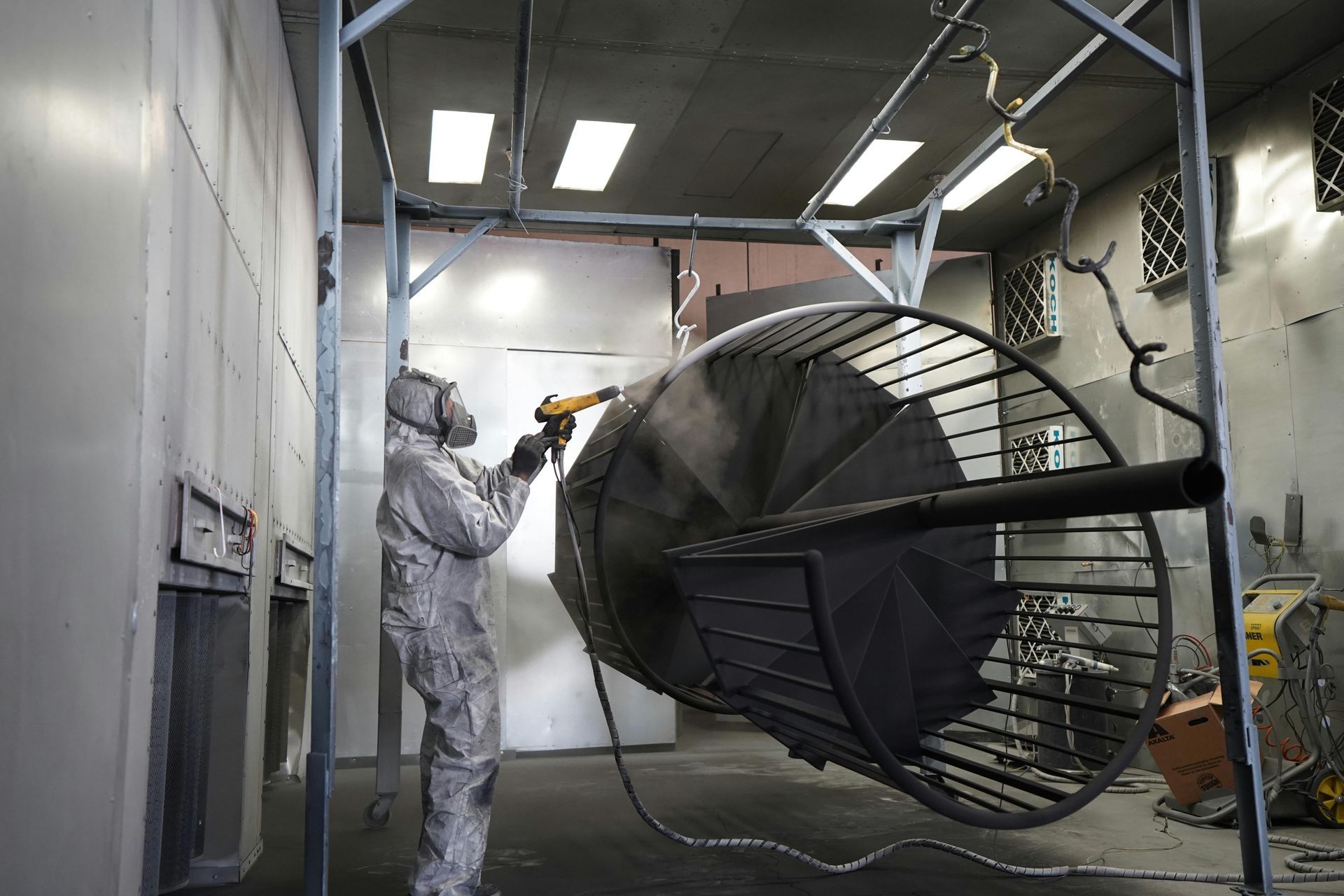
Sandblasting is essentially the use of highly compressed air and sand particles (or other abrasive, high grit materials) through a hose and nozzle. As this blast of material and air makes contact with the surface of the object, it effectively removes the top layer of the object, leaving behind a clean and smooth surface.
Although sand is commonly used, thus giving the technique its popular name, there are other materials with high grit abilities that can also produce the same smooth outcome. It’s common to see steel shot, metal grit, glass particles, glass beads, and various powdered forms of abrasives being used to perform the same task.
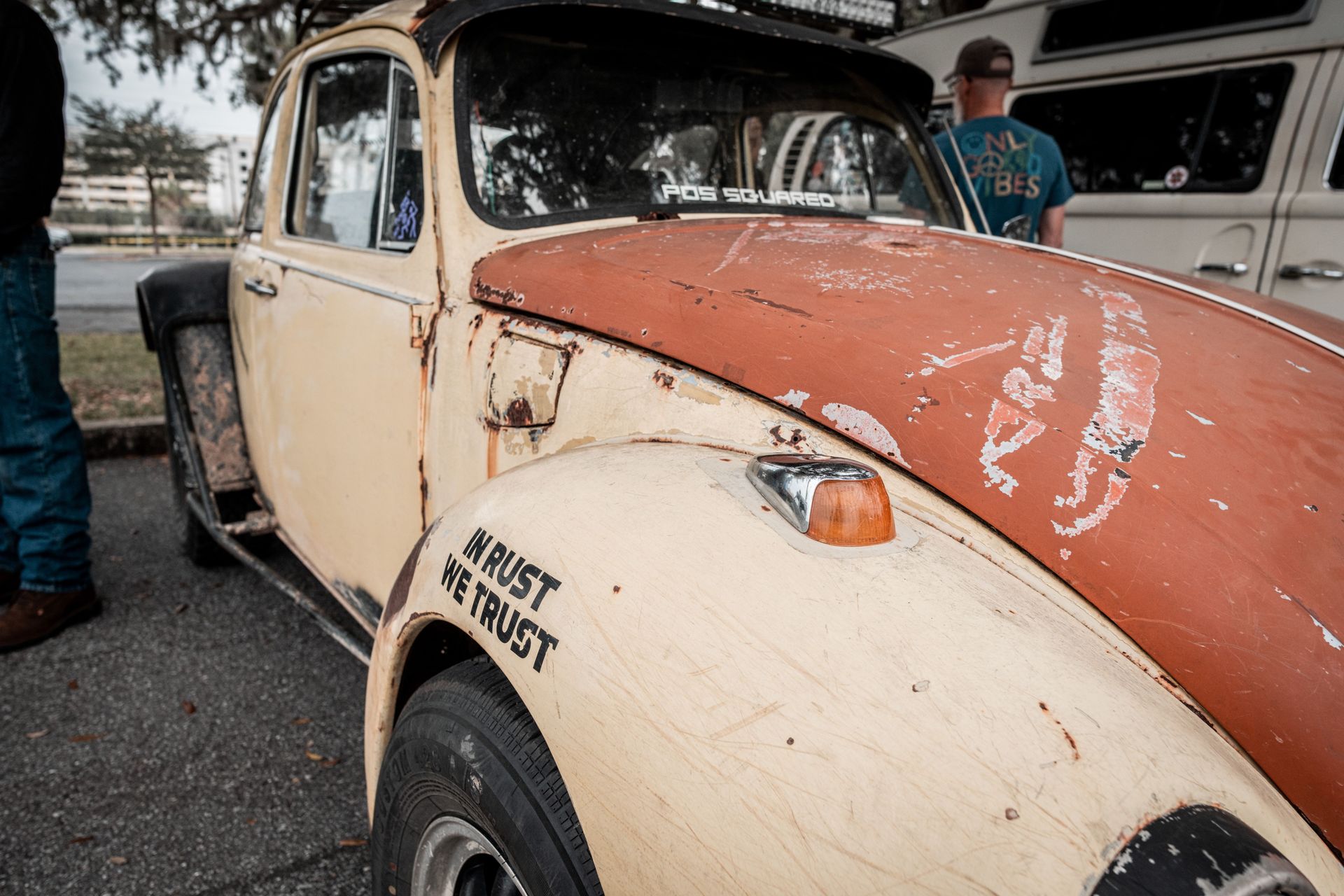
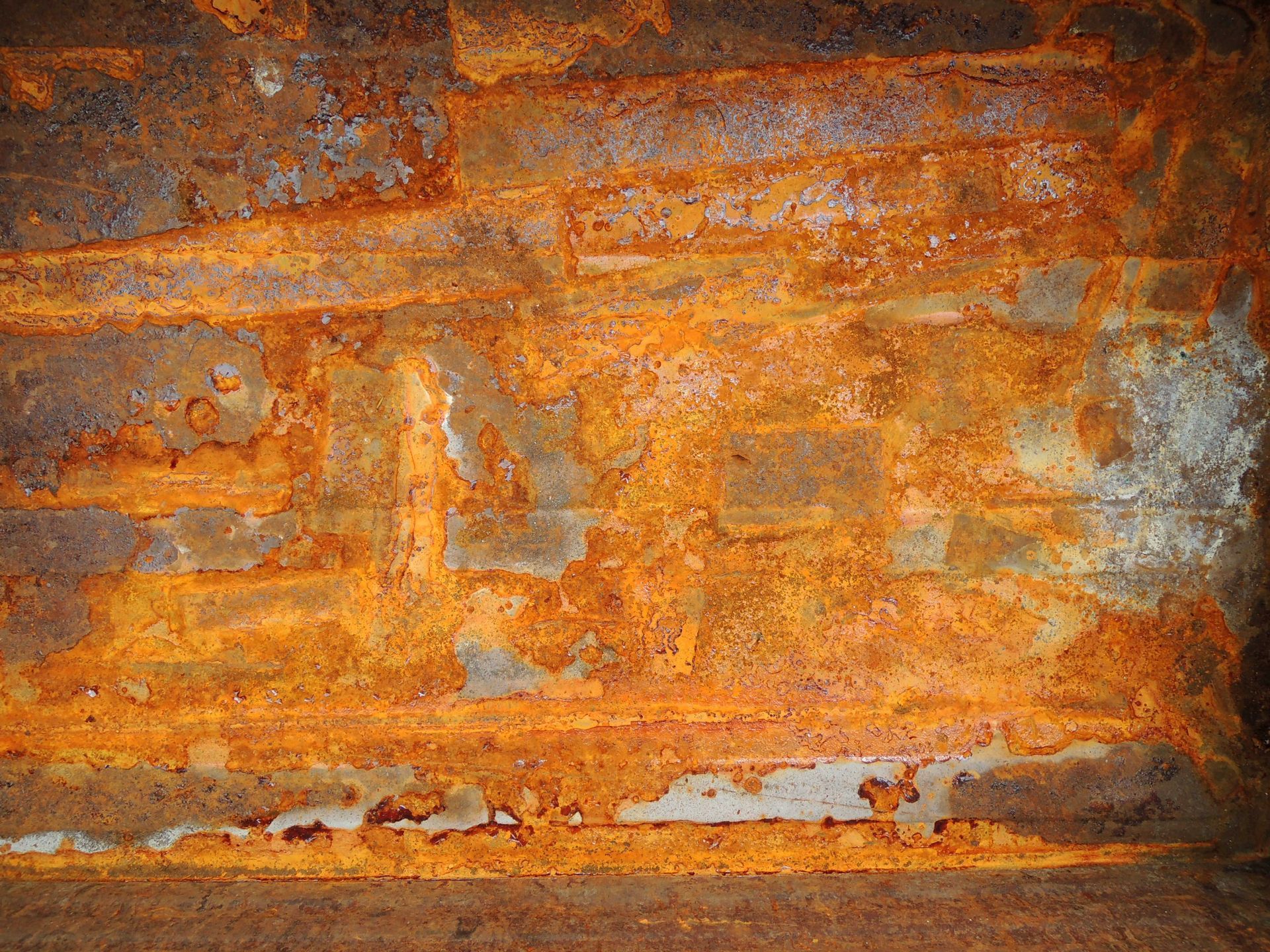
Although sandblasting won’t always be followed by a painting process, it is a vital step to prepping a material if it will. By sandblasting an item, the surface of the material is essentially cleaned. The process removes:
- Rust
- Dust
- Grease
- Previous applications
- Imperfections
In the case of newly manufactured steel, grease, oil, and rust are easily formed on the material. Manually cleaning large manufactured steel items would take an incredible amount of time. By using a hose and nozzle method of sandblasting, a person can quicken the process. It’s less effort for a great amount of payoff.
Is Sandblasting Always Necessary?
Without any sort of abrasive blasting, any post coating application wouldn’t properly adhere to its surface. As the surface is cleaned, it’s also itched and scratched making it easier for any future paint to adhere. If you plan to remove old layers of paint, off of car parts, for example, sandblasting would be the most effective way to remove the built-up layers of old paint, leaving a perfect surface for a fresh coat. If you’re looking for a polished, professional look to any outdoor or indoor metal item, automobiles, or motorcycle parts, sandblasting is an important step to take. Be sure to use a professional and experienced company to sandblast, powder coat, or paint your materials. All these processes, although highly recommended for the ideal finish, can be difficult and even dangerous to perform without professional tools.
The post The Importance of Sandblasting appeared first on Full Blown Coatings.
Share This Post!