How Powder Coating Works
Since its creation, powder coating has quickly risen in popularity and is on track to replacing paint and other liquid finishes as the most common way to protect and decorate furniture, cars, and many other items. It is a brilliant but surprisingly simple process that is easy to do, but it can be difficult to understand how it works. Here’s a quick explanation of the science behind the world’s fastest-growing finishing process.
Summary
Simply put, powder coating is a finishing process that involves spraying a powder over an item and then using heat to bind the small particles together to form a durable, lasting, beautiful finish.
What’s in the Powder
The powder itself is a mixture of different ingredients that are melted, mixed, cooled and ground to form a powder. Color pigments, specialized resins, and other fillers such as leveling agents, flow modifiers, and curing agents are combined together to form the powder that is applied to the object. The powder has a consistency similar to baking flour.
Applying the Powder
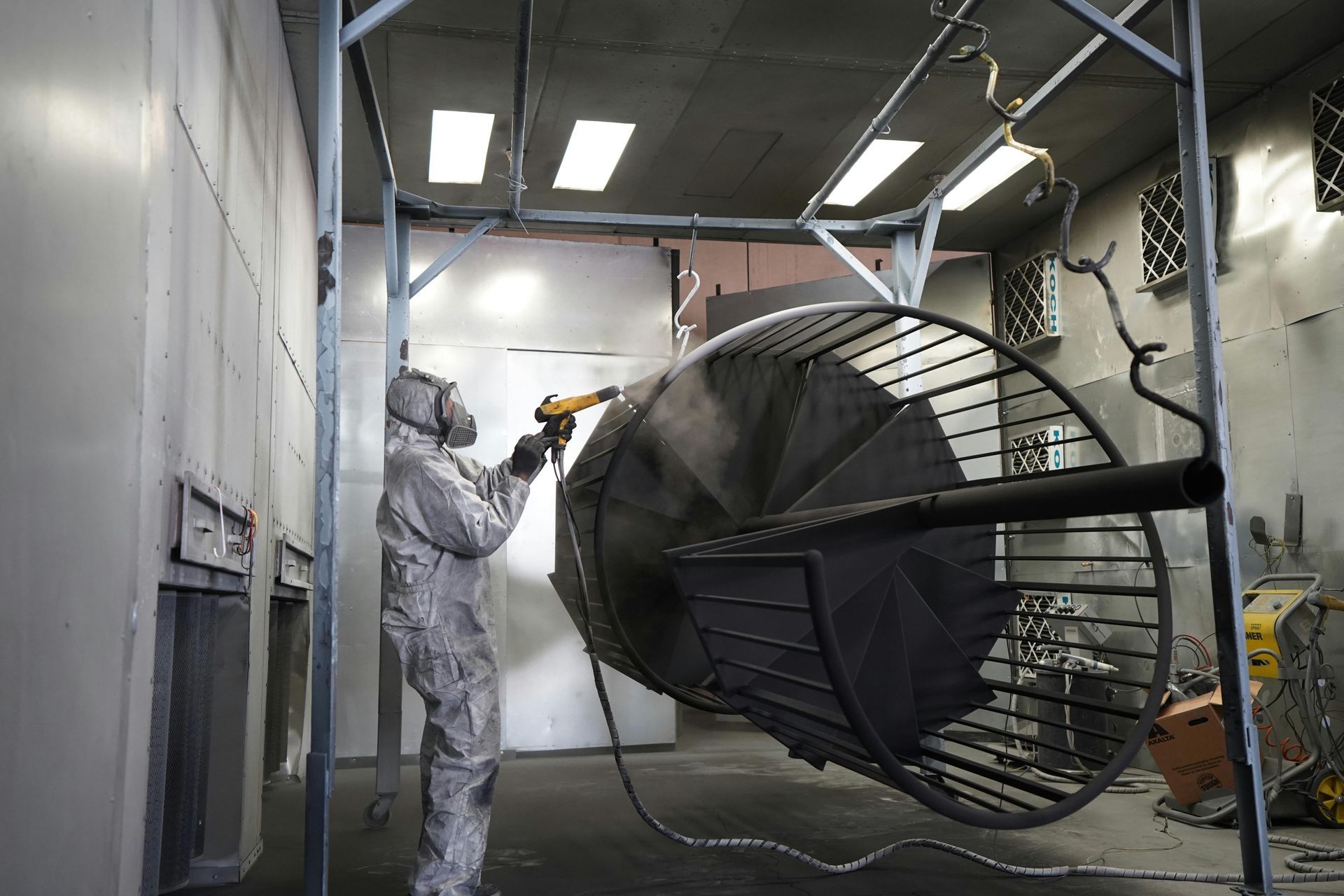
The application process is surprisingly simple. It relies on electric charges to attract the powder to the part that is being coated. Here is a breakdown of the required steps:
- The part that is being coated is connected to a power supply. The power supply “grounds” the part, or gives it a positive electric charge. On the other end of the power supply is another cord that emits a negative electric charge.
- The cord with the negative electric charge is connected to the powder coating gun.
- A pressurized tank of filtered air is connected to the gun. This is what blows the powder out of the gun.
- When the trigger of the gun is pulled, the powder coating is blown out of the gun. As it passes through the tip of the gun, it receives a negative charge as it passes by a metal rod that is connected to the power supply.
- The negatively-charged particles are now attracted to the positively-charged part. When the particles make contact with the part, they stick firmly to it.
Curing the Powder
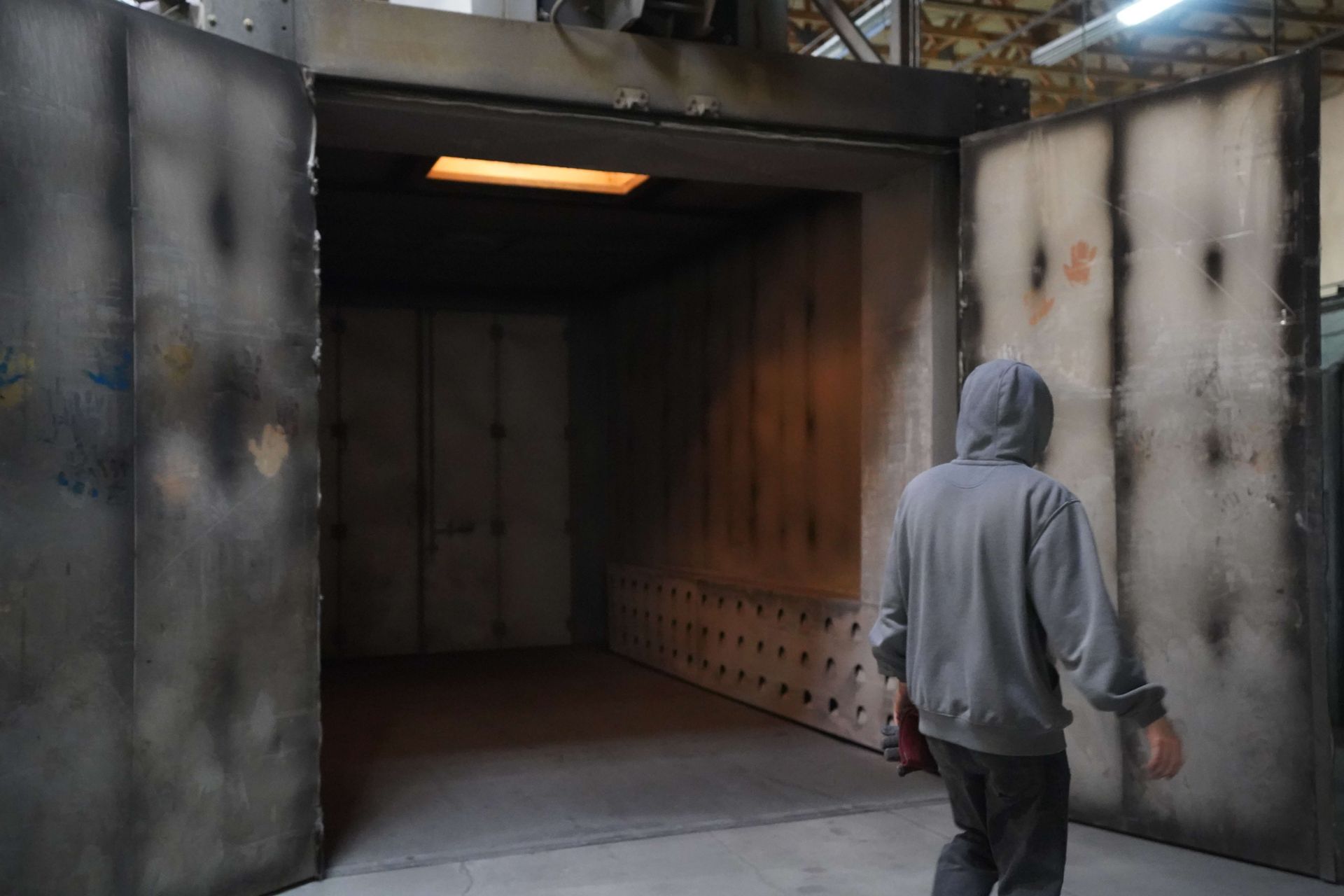
Once the part has been coated with the powder, it must be cured. Before it is cured, the powder can be easily brushed off of the surface (which makes fixing mistakes very easy to do — unlike with paint). The most common method of curing the powder is to introduce it to temperatures of around 375° Fahrenheit. When the powder reaches that temperature, it melts and binds together to form a finish that is stronger, longer-lasting, and often times more beautiful than paint or other liquid finishes.
The post How Powder Coating Works appeared first on Full Blown Coatings.
Share This Post!