Powder Coating – What Does It Take to Powder Coat a Car?

Admin • June 20, 2025

Powder Coating and Sand Blasting – What Does It Take to Powder Coat a Car?

If you're thinking about powder coating parts of your car and you're located in Salt Lake County, Utah County, Davis County, Weber County, or Cache County, it's important to understand exactly what goes into the process. At Full Blown Coatings, we specialize in both powder coating and sand blasting for automotive components. Whether you're restoring a classic car or customizing your ride, powder coating offers durability, protection, and a custom finish that paint simply can't match.

Why Powder Coat Car Parts?


Extreme Durability in Harsh Utah Conditions


Powder coating provides a resilient barrier against the elements. Unlike traditional liquid paint, powder coating is resistant to:


  • Chipping and scratching


  • UV radiation


  • Corrosion from salt and moisture


With Utah's icy, salt-covered roads in winter and intense summer UV exposure, powder coating is the smart choice. A client from Layton brought in a set of steel bumpers that had rusted from just one winter. After we blasted and coated them in textured black, they were ready to face years of rough weather and off-road abuse.


Aesthetic Versatility


Powder coating allows for a wide range of finishes:


  • Glossy, matte, or satin


  • Metallic, candy, or textured


  • Custom color matching


A recent project from Ogden involved powder coating a custom roll cage in a high-gloss safety orange to match the client’s Jeep build. The result was both functional and visually stunning.


Eco-Friendly Finish


Powder coating contains no volatile organic compounds (VOCs) and generates minimal waste, making it safer for the environment and shop workers.


What Parts of a Car Can Be Powder Coated?


At Full Blown Coatings, we commonly coat:


  • Wheels and rims


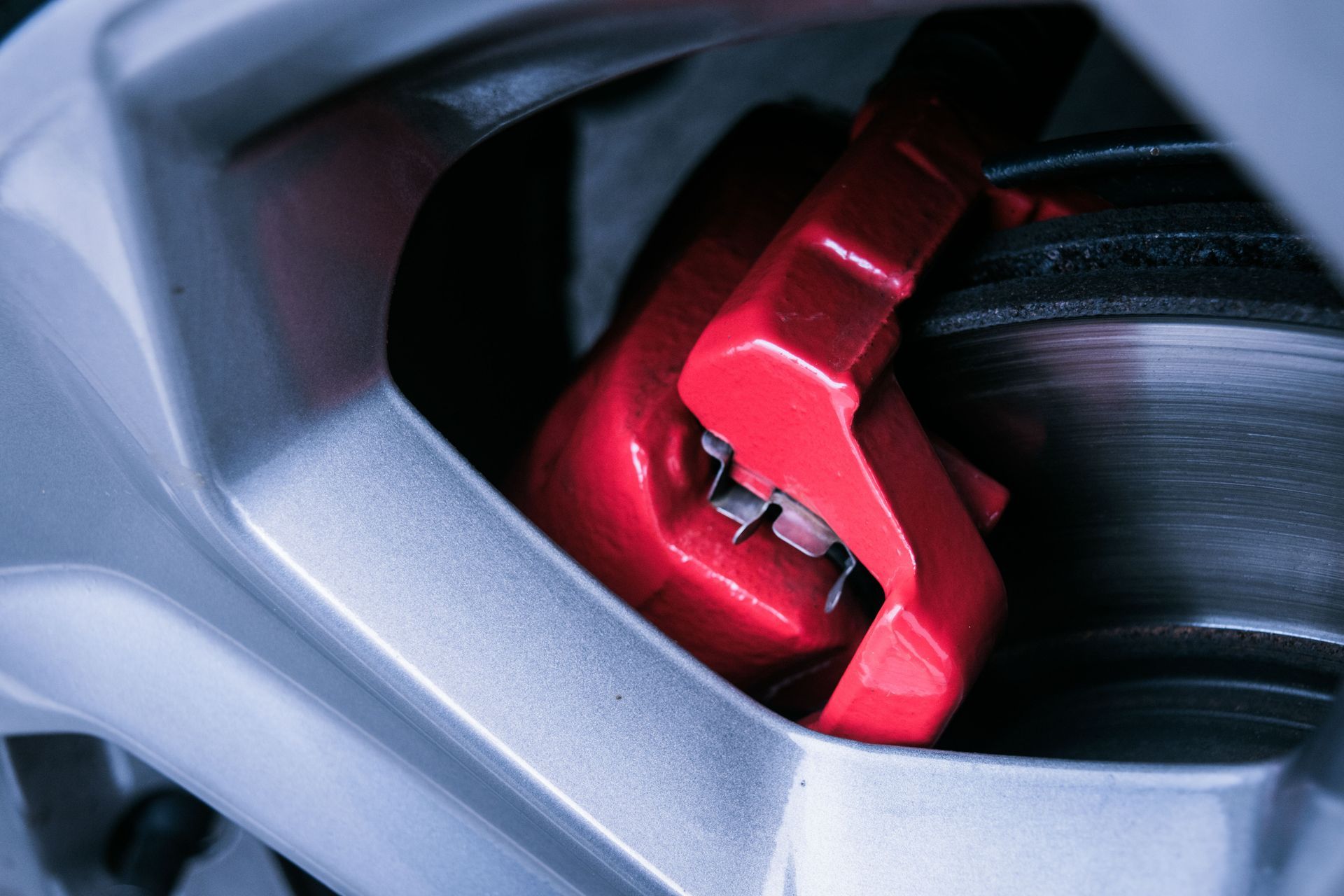
  • Brake calipers


  • Valve covers


  • Suspension components


  • Roll cages and frames


  • Engine brackets and skid plates


  • Bumpers and grilles


From show cars to off-road builds, powder coating can enhance both performance and appearance.


Step-by-Step: How Powder Coating Works


Step 1: Sand Blasting for Surface Prep


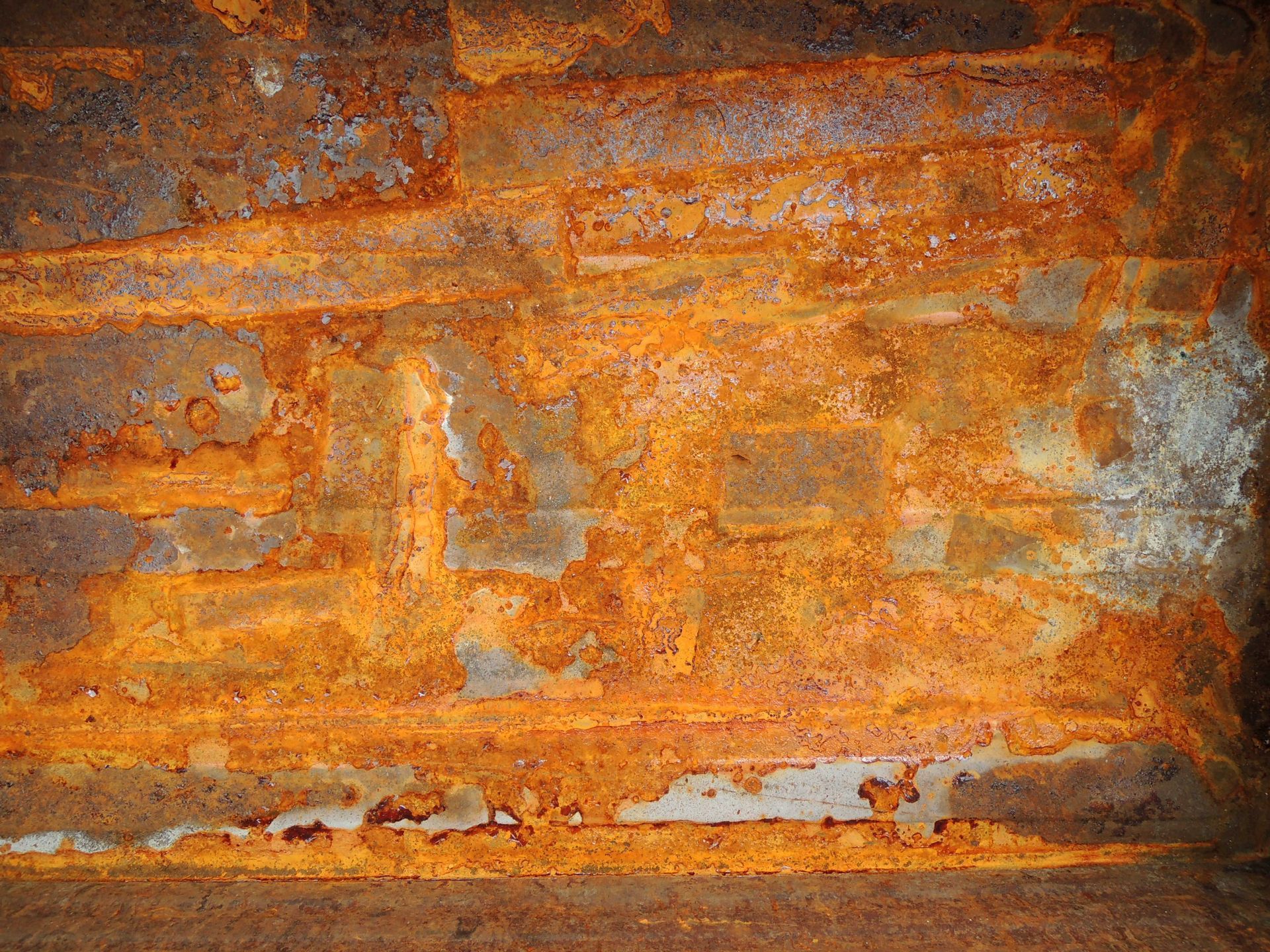
Proper surface prep is critical. We use abrasive blasting to remove old paint, rust, and grime. This creates a clean, textured surface for the powder to bond to.

We had one customer from Provo who tried DIY coating without blasting first—the finish started peeling after just a month. When they brought it to us, we sand blasted the parts correctly and applied a fresh coat that has held up flawlessly.


Step 2: Cleaning and Degassing


After blasting, parts are cleaned and pre-baked in an oven to release any gases or oils trapped inside the metal. Skipping this step can result in bubbling and flaking during curing.


Step 3: Powder Application


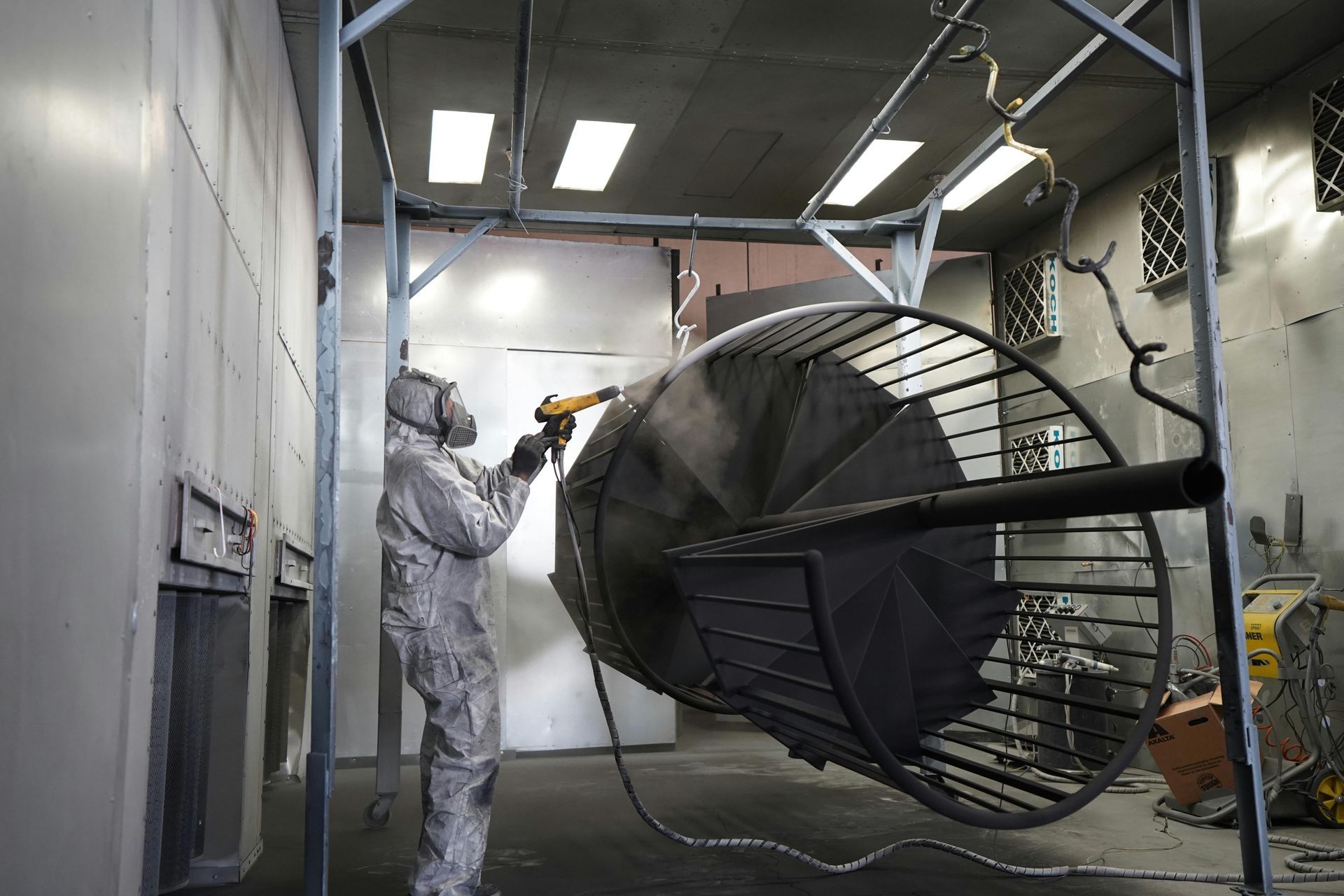
We use electrostatic guns to apply a dry powder that adheres evenly to every curve and corner of the part. The charged powder clings instantly, ensuring even coverage.


Step 4: Curing in an Industrial Oven


The parts are then baked at around 375-400°F for 15 to 20 minutes. This heat melts the powder into a smooth, continuous, and durable coating.


How Long Does It Take?


Most jobs are completed in 3–7 business days. Complex or multi-part jobs may take longer. We offer rush service for customers on tight deadlines.

We recently had a customer from Spanish Fork preparing a car for a SEMA event. We coated multiple suspension and engine components in a candy red finish with a clear top coat—all completed in just four days.


How Much Does It Cost?


Pricing depends on:


  • Size and number of parts


  • Condition and prep time


  • Type of finish (standard, candy, metallic)


Examples:


  • Wheels: $100–$200 each


  • Valve covers: $75–$150


  • Full suspension set: $300+


You get premium, lasting results for far less than replacing parts or repeatedly repainting.


Common Questions


Can you powder coat over chrome? Yes, but it requires complete removal of the chrome layer first. We use chemical stripping and aggressive blasting to prep the part properly.


Can you match factory colors? Yes. We have a vast inventory of stock and custom powders, and we can usually match most OEM colors.


Is powder coating safe for high-heat components? Yes, up to certain temperatures. We use special high-temp powders for parts like brake calipers and engine bay components.


Do you offer sand blasting only? Yes, we provide standalone blasting services for customers preparing for welding, painting, or custom fabrication.


Why Choose Full Blown Coatings?


We serve Salt Lake, Utah, Davis, Weber, and Cache Counties with full-service powder coating and sand blasting. Our state-of-the-art facility and experienced technicians ensure flawless results. From custom colors to industrial-grade prep, we treat every part with precision.


Final Thoughts


Powder coating automotive components is more than just a cosmetic upgrade—it’s a smart investment in durability and protection. From initial blasting to final curing, Full Blown Coatings delivers quality you can see and toughness you can trust.

Ready to transform your ride? Contact Full Blown Coatings today for a quote or to schedule your project.

Share This Post!
Person in a gray hoodie walking toward a large industrial doorway with open metal doors.
By Admin August 14, 2026
Learn the temperature required for powder coating, how Part Metal Temperature affects cure time, and what happens when powder is undercured or overbaked.
Black sports car with bronze color wheels parked on a road at sunset
By Admin August 12, 2026
Learn why Bronze Color is so popular for wheels, railings, gates, and metal projects, plus how satin, gloss, and textured bronze finishes compare.
Yellow caution sign showing a worker digging on a road at night with cones and tape in the background
By Admin August 3, 2026
Learn what a Sand Blaster does, how blasting equipment works, required skills, safety training, certifications, and career paths in metal finishing.
Blue suspension arm and shock absorber under a vehicle in a garage, viewed from below
By Admin July 30, 2026
Explore the latest powder coating technology advances, including low-temperature curing, recycled materials, stronger corrosion protection, and smarter application.
Silver Mercedes sedan parked on a wet street at dusk with an orange bus in the background
By Admin July 23, 2026
Learn what chrome powder coat is, its best uses, how it compares to real chrome, and when clear coating polished metal may be the better choice.
Close-up of clear plastic sleeves on a brown cardboard surface with a metal rail and mounting holes
By Admin July 14, 2026
Meta Description: Learn what aluminum oxide media blasting is, its benefits and common uses, and how it removes rust and coatings before powder coating.
Close-up of a yellow alloy wheel rim with black bolts and silver metal trim
By Admin July 11, 2026
TL;DR: How long does powder coating rims take? A standard set of four rims commonly takes about three to seven business days. The powder application and oven cure are fast. Stripping, media blasting, repairs, cooling, tire service, and scheduling create most of the turnaround. Tires, valve stems, wheel weights, and center caps generally need to be removed. Bent rims, cracks, curb rash, corrosion, custom colors, and multi-stage finishes can add time. Same-day service is possible in limited cases when the shop is equipped and the wheels need little or no repair.
Close-up of a black surface with scattered white paint chips beside a white sheet of paper
By Admin July 9, 2026
TL;DR: Wrought iron paint is usually a liquid-applied coating system designed to protect metal and improve appearance, often with brush, roller, or spray application. Powder coat is usually better for durability when the part can be properly removed, blasted, coated, and cured in a professional setup. Paint is usually easier to apply and easier to touch up , especially for on-site repairs, fixed railings, gates, and older metal that is hard to remove. Powder coating is usually the better choice for new or removable metalwork when you want a more uniform, harder, longer-lasting finish. The real answer depends on the project. If the metal is large, highly visible, or too important to risk, powder coating usually makes more sense than trying to paint or coat it casually. For most staircases, gates, and railings, the biggest difference is not just paint vs powder. It is the prep, blasting, and cure behind the finish. Wrought Iron Paint vs Powder Coat: Which Finish Makes More Sense for Your Metal Project? If you are comparing wrought iron paint vs powder coat , you are really comparing two very different finish systems. Both can make metal look cleaner and more finished. Both can protect the surface. But they do not go on the same way, they do not age the same way, and they do not make sense for the same kinds of projects. If you want to understand the bigger process behind powder coating before choosing, it helps to look at How Powder Coating Works , Media Blasting , and Industrial and Commercial Powder Coating first. Those pages give a clearer picture of what actually separates a durable finish from one that just looks decent on day one. A useful expert quote from Full Blown Coatings says it simply: “Powder coating isn’t just about looks, it’s about performance.” That matters in this comparison because a lot of people choose a finish based on color or convenience first, then only later realize that maintenance, prep, and durability were the real decision. What Wrought Iron Paint Usually Means When most people say wrought iron paint , they usually mean a liquid-applied coating system designed for metal railings, gates, fences, staircases, and decorative ironwork. It might be brushed on, rolled on, or sprayed on. In many cases, it is chosen because it is familiar, easier to buy locally, easier to touch up, and easier to apply on site. That last point matters. Paint is often the more practical option when: the part is already installed the metal cannot be removed easily the owner wants a repairable finish the project needs a faster field-applied solution There is nothing wrong with wrought iron paint when it is chosen for the right reason. The problem is that people sometimes expect paint to perform like powder coat without giving it the prep or maintenance that would help it get there. What Powder Coat Usually Means Powder coating is a different process altogether. Instead of brushing or spraying a liquid coating onto the metal and letting it dry, powder coating uses a dry powder that is electrostatically applied to a grounded metal part and then cured under heat. That cure process turns the powder into the final protective film. That means powder coating is usually best suited for parts that can be: removed from the site cleaned thoroughly blasted or otherwise prepped correctly coated in a controlled environment cured in an oven large enough for the part When all of those conditions are met, powder coating usually produces a finish that is thicker, harder, and more uniform than conventional paint.
Rows of small cups filled with brightly colored powder in blue, pink, purple, yellow, and green
By Admin June 26, 2026
Learn how to powder coat at home, what equipment and prep it really takes, and why most staircases, gates, and large metal projects are better left to a professional powder coating shop.
Abstract close-up of a metallic spiral tunnel with gray and blue reflections
By Admin June 10, 2026
Learn whether the type of metal matters when powder coating and how steel, aluminum, stainless, and galvanized metal affect prep, adhesion, cost, and long-term finish performance.