Plasti Dip vs Powder Coating
Powder Coating Near Me or Plasti Dip? Here’s What You Need to Know
If you're trying to decide between plasti dip and powder coating and have been searching for "powder coating near me," you're not alone. Many customers across Salt Lake County, Utah County, Weber County, Davis County, and Cache County come to Full Blown Coatings with this exact question. Whether you're looking to refinish a set of wheels, give your patio furniture a facelift, or restore a piece of equipment, knowing the difference between these two finishing methods can save you time, money, and frustration.
What Is Powder Coating?
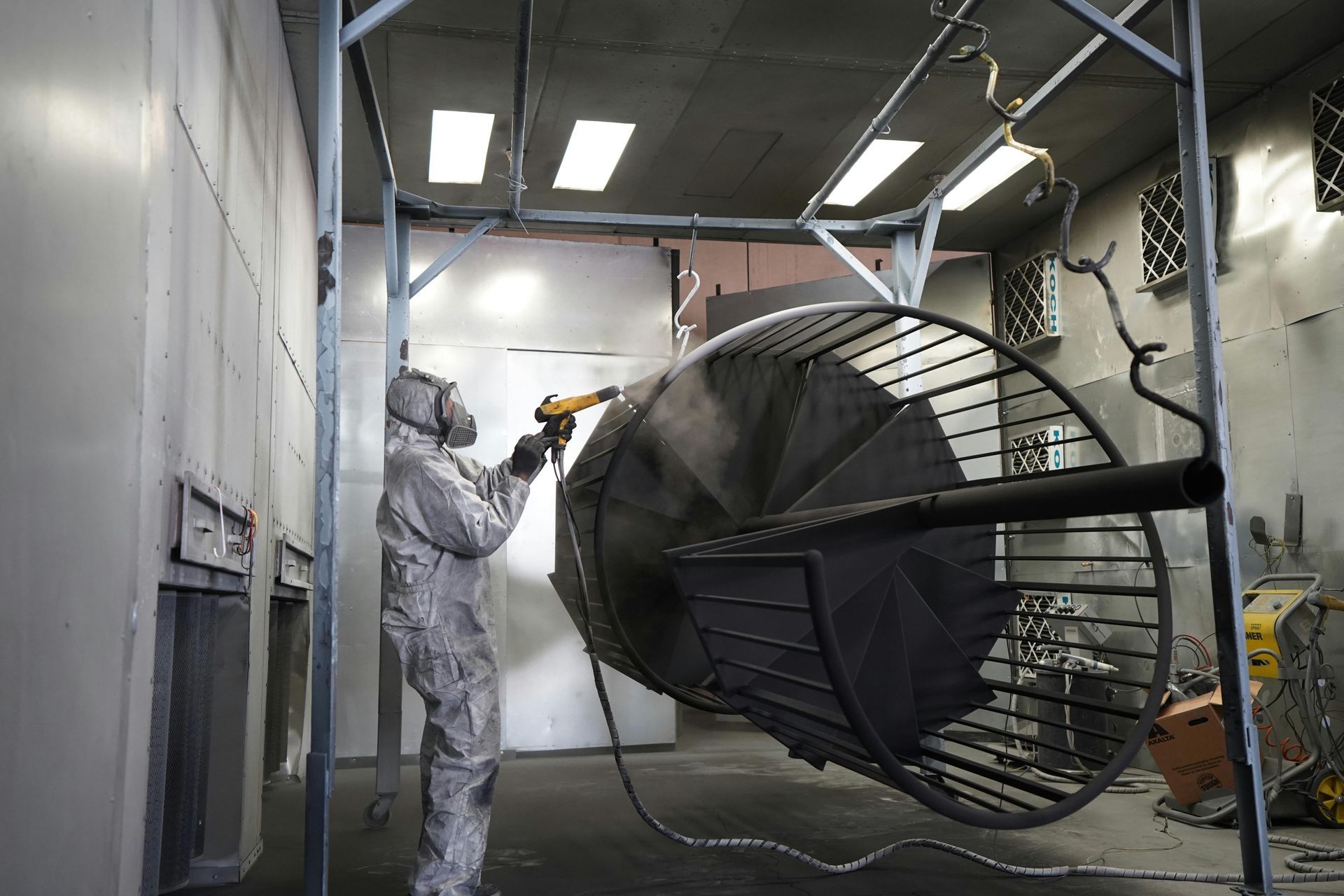
Powder coating is a professional-grade metal finishing process that involves applying a dry powder electrostatically to a metal surface. The coated object is then baked in a curing oven, where the powder melts and forms a tough, protective skin.
Key Benefits:
- Extremely durable: Resistant to chipping, scratching, fading, and corrosion
- Weather-resistant: Holds up to UV exposure, rain, snow, and heat
- Wide variety of finishes: Gloss, matte, satin, textured, metallic, and more
- Long-lasting: Powder coating often lasts 10 to 20 years or more
At Full Blown Coatings, we’ve powder coated everything from massive commercial racks to intricate automotive parts. A recent project for a client in Clearfield involved restoring old lawn furniture with a hammered black powder coat. Three years later, they returned for more work—the original pieces still looked brand new.
What Is Plasti Dip?
Plasti dip is a spray-on, rubberized coating that gained popularity in the DIY community for its ease of application and removability. Originally developed for tool handles, it’s now commonly used for car wheels, badges, and trim pieces.
Key Benefits:
- Easy to apply: Comes in aerosol cans or gallons for spray-gun use
- Removable: Can be peeled off without damaging the surface underneath
- Affordable: Lower upfront cost than powder coating
- Decent short-term protection: Resists minor scratches and moisture
Some customers from Ogden and Bountiful have tried plasti dip for their car rims. While it looked good initially, the coating started to peel within a few months due to road salt and frequent car washes. Many eventually brought their wheels to us for a permanent powder coat instead.
Comparing Powder Coating and Plasti Dip
Durability
- Powder Coating: Industrial-strength; built to last under stress and weather
- Plasti Dip: Temporary; peels with friction, washing, or prolonged exposure
Appearance and Finish
- Powder Coating: Offers smooth, even, and professional-looking results with a range of textures
- Plasti Dip: Has a rubbery, matte look and can be uneven if not applied properly
Application Process
- Powder Coating: Requires professional equipment including sand blasting, a powder coating gun, and a curing oven
- Plasti Dip: Can be applied by anyone using spray cans or a basic sprayer
Customization
- Powder Coating: Hundreds of colors and finishes available
- Plasti Dip: Limited to select matte and satin shades, though specialty sprays exist
Longevity
- Powder Coating: 10–20 years depending on use and environment
- Plasti Dip: Several months to a year in optimal conditions
Cost Comparison
- Plasti Dip: Lower initial cost, ideal for temporary solutions
- Powder Coating: Higher upfront cost, but better value over time due to longevity
When Should You Choose Powder Coating?
- You want a permanent, professional finish
- The item will be exposed to outdoor elements or heavy use
- You're refinishing auto parts, furniture, or commercial equipment
- Appearance and long-term durability matter most
One of our commercial clients from Salt Lake City brought in a set of structural brackets that had been plasti dipped for corrosion protection. The coating was already peeling after one winter. We stripped the dip, blasted the surfaces, and applied a heavy-duty powder coat. The client was amazed at the difference.
When Is Plasti Dip a Better Fit?
- You want a temporary or easily reversible finish
- You're experimenting with color options on a personal vehicle
- The item won’t see heavy wear or direct exposure to weather
- You're on a tight budget and need a DIY solution
While we specialize in powder coating, we respect plasti dip for its convenience. We’ve even helped clients remove old dip to prepare for more durable coatings.
FAQs About Powder Coating vs Plasti Dip
Can you powder coat over plasti dip?
No, the surface must be completely stripped and sand blasted before applying powder coat.
Is powder coating worth the higher cost?
Yes, especially if you want a finish that lasts for years without maintenance.
Can you remove powder coating like plasti dip?
No. Powder coating is permanent and must be sand blasted off if removal is needed.
Is plasti dip waterproof?
It resists water, but not as effectively or long-term as powder coating.
Which is better for wheels?
Powder coating. We’ve had dozens of customers upgrade from plasti dip to powder coat for this exact reason.
Final Thoughts
When comparing plasti dip to powder coating, the right choice depends on your needs. If you want long-term performance, a polished look, and zero peeling, powder coating is the clear winner. If you're testing colors or just want a short-term fix, plasti dip has its place.
At Full Blown Coatings, we offer expert powder coating services to customers throughout Salt Lake, Davis, Weber, Utah, and Cache Counties. Whether it’s one rim or a full batch of commercial parts, we provide durable, professional results built to last.
Ready to ditch the dip and upgrade your finish? Contact us today for a free quote or stop by the shop.What Is Powder Coating?
Powder coating is a professional-grade metal finishing process that involves applying a dry powder electrostatically to a metal surface. The coated object is then baked in a curing oven, where the powder melts and forms a tough, protective skin.
Key Benefits:
- Extremely durable: Resistant to chipping, scratching, fading, and corrosion
- Weather-resistant: Holds up to UV exposure, rain, snow, and heat
- Wide variety of finishes: Gloss, matte, satin, textured, metallic, and more
- Long-lasting: Powder coating often lasts 10 to 20 years or more
At Full Blown Coatings, we’ve powder coated everything from massive commercial racks to intricate automotive parts. A recent project for a client in Clearfield involved restoring old lawn furniture with a hammered black powder coat. Three years later, they returned for more work—the original pieces still looked brand new.
What Is Plasti Dip?
Plasti dip is a spray-on, rubberized coating that gained popularity in the DIY community for its ease of application and removability. Originally developed for tool handles, it’s now commonly used for car wheels, badges, and trim pieces.
Key Benefits:
- Easy to apply: Comes in aerosol cans or gallons for spray-gun use
- Removable: Can be peeled off without damaging the surface underneath
- Affordable: Lower upfront cost than powder coating
- Decent short-term protection: Resists minor scratches and moisture
Some customers from Ogden and Bountiful have tried plasti dip for their car rims. While it looked good initially, the coating started to peel within a few months due to road salt and frequent car washes. Many eventually brought their wheels to us for a permanent powder coat instead.
Comparing Powder Coating and Plasti Dip
Durability
- Powder Coating: Industrial-strength; built to last under stress and weather
- Plasti Dip: Temporary; peels with friction, washing, or prolonged exposure
Appearance and Finish
- Powder Coating: Offers smooth, even, and professional-looking results with a range of textures
- Plasti Dip: Has a rubbery, matte look and can be uneven if not applied properly
Application Process
- Powder Coating: Requires professional equipment including sand blasting, a powder coating gun, and a curing oven
- Plasti Dip: Can be applied by anyone using spray cans or a basic sprayer
Customization
- Powder Coating: Hundreds of colors and finishes available
- Plasti Dip: Limited to select matte and satin shades, though specialty sprays exist
Longevity
- Powder Coating: 10–20 years depending on use and environment
- Plasti Dip: Several months to a year in optimal conditions
Cost Comparison
- Plasti Dip: Lower initial cost, ideal for temporary solutions
- Powder Coating: Higher upfront cost, but better value over time due to longevity
When Should You Choose Powder Coating?
- You want a permanent, professional finish
- The item will be exposed to outdoor elements or heavy use
- You're refinishing auto parts, furniture, or commercial equipment
- Appearance and long-term durability matter most
One of our commercial clients from Salt Lake City brought in a set of structural brackets that had been plasti dipped for corrosion protection. The coating was already peeling after one winter. We stripped the dip, blasted the surfaces, and applied a heavy-duty powder coat. The client was amazed at the difference.
When Is Plasti Dip a Better Fit?
- You want a temporary or easily reversible finish
- You're experimenting with color options on a personal vehicle
- The item won’t see heavy wear or direct exposure to weather
- You're on a tight budget and need a DIY solution
While we specialize in powder coating, we respect plasti dip for its convenience. We’ve even helped clients remove old dip to prepare for more durable coatings.
FAQs About Powder Coating vs Plasti Dip
Can you powder coat over plasti dip?
No, the surface must be completely stripped and sand blasted before applying powder coat.
Is powder coating worth the higher cost?
Yes, especially if you want a finish that lasts for years without maintenance.
Can you remove powder coating like plasti dip?
No. Powder coating is permanent and must be sand blasted off if removal is needed.
Is plasti dip waterproof?
It resists water, but not as effectively or long-term as powder coating.
Which is better for wheels?
Powder coating. We’ve had dozens of customers upgrade from plasti dip to powder coat for this exact reason.
Final Thoughts
When comparing plasti dip to powder coating, the right choice depends on your needs. If you want long-term performance, a polished look, and zero peeling, powder coating is the clear winner. If you're testing colors or just want a short-term fix, plasti dip has its place.
At Full Blown Coatings, we offer expert powder coating services to customers throughout Salt Lake, Davis, Weber, Utah, and Cache Counties. Whether it’s one rim or a full batch of commercial parts, we provide durable, professional results built to last.
Ready to ditch the dip and upgrade your finish? Contact us today for a free quote or stop by the shop.
Share This Post!