Why Powder Coat Chips and Cracks: What Powder Coating Failures Really Mean and How to Prevent Them
TL;DR:
- Powder coat can chip or crack for two broad reasons: the finish was compromised during prep, application, or cure, or the part took real-world abuse that exceeded what the coating system was designed to handle.
- Chipping, cracking, and peeling are not the same failure. Chips often start at edges, corners, fastener points, or impact zones. Cracking is more often tied to brittle film, excessive thickness, poor cure balance, or substrate movement. Broad peeling usually points more directly to adhesion failure.
- Surface prep is foundational. TIGER notes that pretreatment improves adhesion and limits corrosion spread if the coating is damaged. Without proper cleaning and pretreatment, even a good-looking finish can fail early.
- Edge and corner coverage matter because sharp edges are naturally vulnerable. If those areas are thin or undercovered, moisture, abrasion, and corrosion can get started there first.
- Cure matters just as much as coverage. An older powder coating pretreatment guide puts it plainly: “Any drastic loss of adhesion properties should point your investigation at cure!”
- Film thickness matters both ways. Too thin can reduce protection. Too thick can contribute to cracking, poor flow, or other film problems. IFS also notes that poor thickness or coverage can cause visible and performance-related issues.
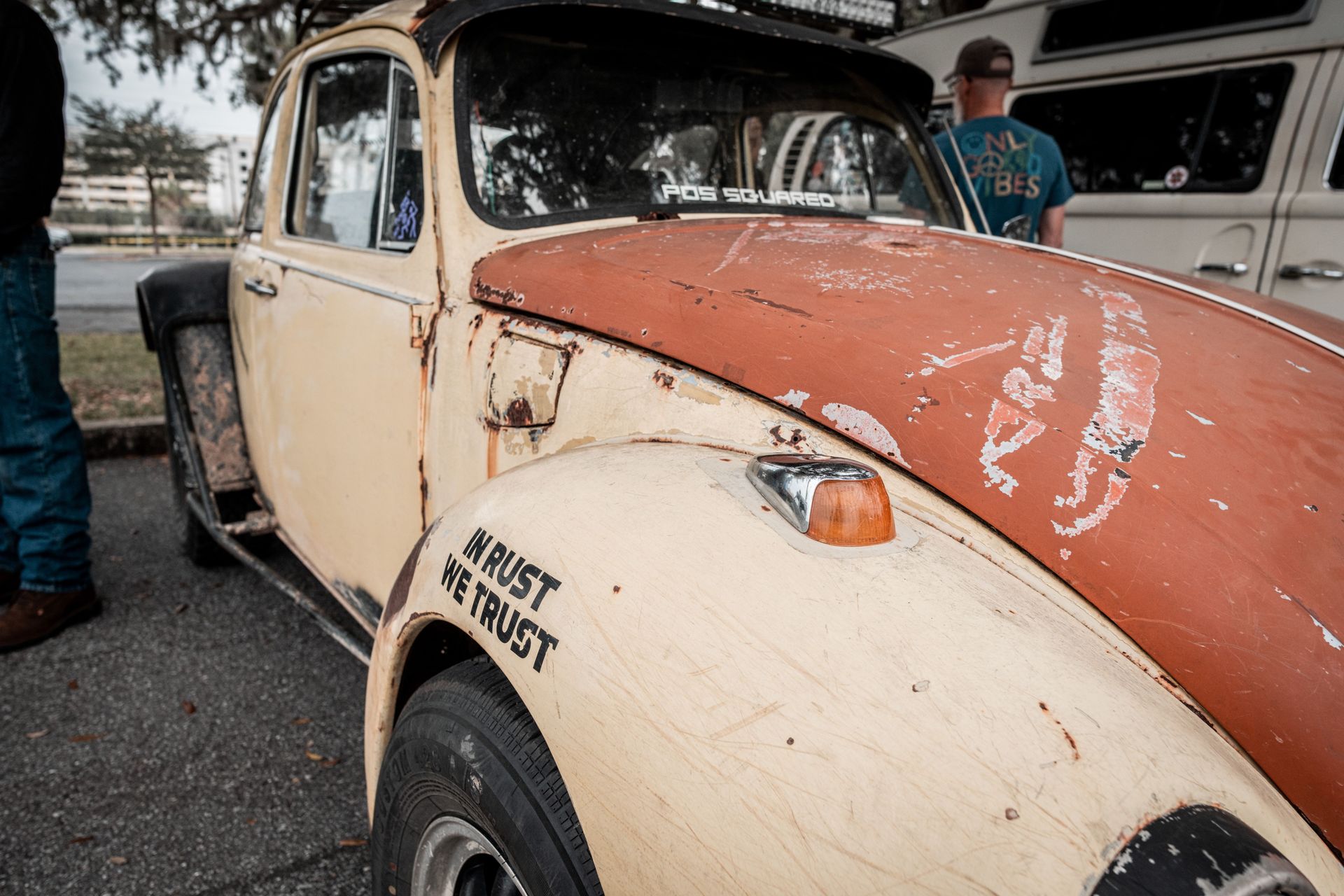
 Sometimes powder coating will chip or crack, and continue peeling just like an egg shell. Not only does chipped powder coating look bad, it can it allows the elements to wear away the precious parts you tried so hard to protect. If powder coating is so strong and durable, what causes it to crack or chip?
Why Powder Coat Chips and Cracks
When customers see powder coat damage, the first assumption is often that the powder coating itself was weak. Sometimes that is true, but often it is not that simple. A chipped or cracked finish is usually the end result of a chain of factors that may include prep, substrate condition, edge geometry, cure, film thickness, installation damage, environmental exposure, or plain old impact in service.
A useful way to think about powder coating failure is this: some failures begin in the shop, and some begin in the field. The shop side includes incomplete prep, thin edges, bad cure, and poor thickness control. The field side includes rock strikes, dragging, metal-to-metal contact, over-tightened hardware, flexing parts, and years of sun, moisture, or salt exposure. If you do not separate those two categories, it becomes very easy to blame the wrong thing and repeat the same problem on the next recoat.
What Is the Difference Between Chipping, Cracking, and Peeling in Powder Coating?
What chipping usually looks like
Chipping is usually localized. It often starts where the coating is already at a disadvantage, such as:
- sharp corners
- exposed edges
- bolt holes
- mounting points
- parts that get hit, dragged, or bumped
A chip may come from impact, but it can also expose where adhesion or coverage was marginal to begin with. This is one reason edges and corners matter so much. Those areas are harder to coat well, and once even a tiny weak spot is exposed, wind, water, friction, or corrosion can enlarge the failure.
What cracking usually looks like
Cracking is different. A crack is a fracture in the coating film itself. It may show up as hairlines, split corners, failures over bends, or fractures across stressed areas. Cracking is more often associated with a brittle film, excessive build, poor flexibility for the application, improper cure balance, or a part that flexes more than the coating can tolerate. That does not mean impact never plays a role. It means that cracking often points to stress in the coating film, not just a strike from the outside.
What peeling usually looks like
Peeling usually points more directly to an adhesion problem. If coating comes off in broader flakes or sheets, especially if it separates cleanly from the metal, prep and cure move much higher on the suspect list. In practice, broad peeling is one of the clearest signs that the coating never bonded to the substrate as well as it should have.
Why Powder Coat Chips and Cracks in the First Place
Powder coating is durable, not indestructible
Powder coating is known for strong durability, but that does not make it immune to damage. A well-applied coating can still fail if the part is struck, flexed, over-tightened during installation, or exposed to long-term abrasion and corrosion. The important point is that durability is always tied to the whole system: prep, application, cure, design, and service conditions.
Failure usually comes from one of two sources
Most failures trace back to one of two buckets:
- process-related failure
- service-related failure
Process-related failures begin before the part ever leaves the shop. Service-related failures happen later through real-world use. Separating those categories makes it much easier to identify the true cause and avoid repeating the problem.
Incorrect Pretreatment and Surface Preparation
Why pretreatment is the foundation of adhesion
The coating only bonds as well as the surface allows it to. TIGER explains that pretreatment improves adhesion and helps reduce corrosion spread if the coating is damaged. That is why prep is not just a cleaning step. It is part of the coating system itself.
Common prep problems that lead to chipping
Prep-related failure often starts with:
- rust left behind in pits or seams
- oil or grease contamination
- incomplete stripping of old coating
- poor blast profile
- oxidation on the metal
- contamination introduced after prep
A part may look visually clean and still fail because the surface was not actually ready for coating.
Abrasion vs chemical pretreatment
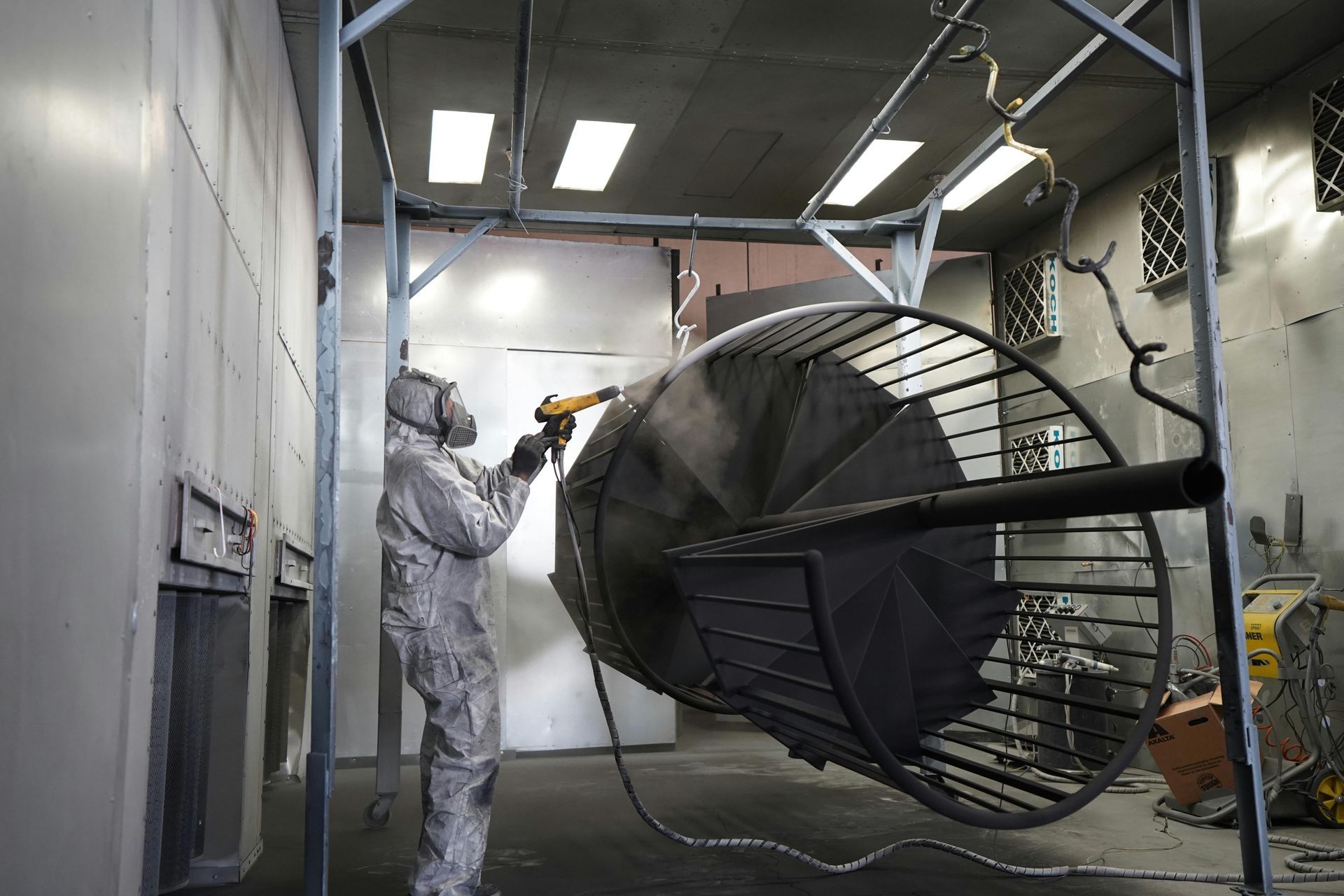
Good prep may involve media blasting, chemical cleaning, or both. Blasting removes rust, scale, failed coatings, and surface contamination while also creating an anchor profile. Chemical pretreatment helps improve adhesion and corrosion resistance. The right process depends on the substrate, the part condition, and the finish system being used.
Why a surface can look clean but still fail
This is one of the biggest misunderstandings in powder coating. Clean-looking metal is not always coating-ready metal. A surface can appear bare and still carry oils, oxidation, or a poor profile that weakens adhesion. That is why real prep has to be more intentional than just making the part look better.
Poor Edge and Corner Coverage
Why edges are the most vulnerable areas
Edges and corners are naturally harder to coat consistently. They also tend to be the first places hit by friction, impact, and moisture. If the film is weak there, failure usually starts there.
Sharp edges, weak build, and early breakdown
Sharp edges do not give the coating much room to build durable coverage. If the powder lays too thin there, those spots become the easiest place for corrosion and wear to begin. Once a coating is breached at an edge, moisture can work under the film and grow the failure.
How edge failures turn into chipping
A thin edge may survive initially, then start failing through:
- repeated contact
- installation abrasion
- outdoor moisture exposure
- small impacts that would not hurt a stronger section of film
How good shops help prevent edge failure
Good shops reduce edge risk through:
- better prep at sharp areas
- careful spray technique
- consistent grounding
- inspection of vulnerable geometry before cure
- sometimes softening or rounding high-risk edges when part design allows it
Incorrect Curing
What proper cure actually means
Powder coating cure is not just about putting a part in a hot oven. The metal itself has to reach the correct temperature and stay there long enough for the coating to fully cure. That is why oven temperature alone does not tell the full story.
What happens when powder is undercured
Undercured powder may:
- chip more easily
- wear faster
- have weaker adhesion
- fail earlier in service
A coating can look good at first and still be undercured. That is what makes cure problems tricky.
What happens when powder is overcured
Overcured powder may:
- discolor
- become more brittle
- lose some performance characteristics depending on the chemistry
- be more prone to stress-related cracking
Why cure problems can be hard to diagnose
One of the toughest things about cure issues is that they may not appear immediately. A part may install normally, look fine, and then start failing earlier than expected. As one pretreatment guide states, “Any drastic loss of adhesion properties should point your investigation at cure!”
Powder Applied Too Thick or Too Thin
Why film thickness matters so much
Film thickness affects appearance, protection, flexibility, and long-term performance. IFS notes that poor coverage or incorrect thickness can create both visual and functional problems.
Problems with too thin a powder coat
When the coating is too thin, you may see:
- weak corrosion protection
- poor edge protection
- early wear
- inconsistent appearance
- exposed substrate features
Problems with too thick a powder coat
When the coating is too thick, you may see:
- brittle behavior
- cracking
- poor flow
- fitment issues
- bubbling or trapped defects depending on the substrate and process
Why more powder is not better
This is a common myth. Heavier film does not automatically mean stronger performance. The right amount of powder is the amount the system calls for. Too much can be just as harmful as too little.
Substrate Design, Flex, and Movement
When the metal moves more than the coating can
Some parts flex in real use. Thin sheet metal, tabs, brackets, and spring-like parts can move enough to stress the coating film. If the coating is too brittle or too thick, that movement may show up as cracking.
Weld seams, sharp bends, and fabrication stress points
Certain fabricated parts concentrate stress at corners, bends, and welded transitions. Those areas are naturally higher-risk because the geometry itself creates strain. Even a decent finish may struggle if the design is harsh enough.
Why the right powder chemistry matters
Not every powder chemistry behaves the same way. Some systems are better suited for flexibility, some for exterior durability, and some for harder industrial use. Matching the chemistry to the real application matters, especially on parts that bend, vibrate, or take impact.
Environmental Causes of Powder Coat Damage
Sun, salt, dirt, heat, and cold
The environment plays a major role in coating life. Outdoor parts may face:
- UV exposure
- moisture
- freeze-thaw cycles
- road salt
- dirt abrasion
- thermal expansion and contraction
A small defect in an indoor environment may remain small for a long time. The same defect outdoors can become a corrosion pathway quickly.
Impact and abrasion in real-world use
Some chips are simply service damage. Rocks, tools, dragging, hauling, and repeated contact can all damage powder coating, especially at exposed points. Not every chip means the coating process was defective.
Moisture and corrosion creep
Once the film is breached, corrosion can begin underneath it. That is why a tiny chip can eventually turn into broader coating loss if the part is exposed to moisture and salt.
Common Powder Coating Failure Scenarios
Chipping around bolt holes and fasteners
Fastener zones are common failure points because they see friction, pressure, and installation stress. Over-tightening can crack the film or start local damage.
Cracking on corners and tight bends
Corners and bends often fail because they combine stress, thinner coverage, and difficult geometry. If the film is too thick or brittle there, cracks can appear sooner.
Peeling in sheets or large flakes
Broader peeling usually points more strongly toward adhesion failure than impact damage. When the coating lets go in larger sections, prep and cure become major suspects.
Damage on outdoor railing, automotive, and equipment parts
Different applications fail in different ways. Outdoor railings may suffer edge corrosion and weather wear. Automotive parts may chip from gravel. Equipment parts may fail at contact points or repeated handling zones. Good diagnosis always starts with how the part is actually used.
How to Tell Whether It Was a Process Problem or Normal Wear
Signs it may be a prep or cure failure
Possible indicators include:
- failure soon after installation
- broad peeling
- multiple unrelated failure points
- widespread edge loss
- finish failure without obvious impact damage
Signs it may be impact or service damage
Possible indicators include:
- localized chips
- visible strike points
- damage concentrated at contact areas
- wear at fasteners, edges, or mounting zones
Why diagnosis matters before recoating
If the root cause is not identified, the next coating may fail the same way. Recoating a poorly designed or poorly prepped part without changing the underlying problem just repeats the cycle.
How Professional Shops Prevent Chipping and Cracking
Better media blasting and surface prep
Good blasting removes contamination and creates the right surface condition for adhesion. This is one of the biggest defenses against early failure.
Proper chemical pretreatment when needed
Pretreatment improves adhesion and helps protect against corrosion under the coating, especially if the film is later damaged.
Correct grounding and spray technique
Consistent application helps avoid weak edges, uneven coverage, and patchy film build.
Better edge coverage strategy
Edges need special attention because they are naturally vulnerable. Good shops know that those areas cannot be treated casually.
Film thickness control
Proper thickness is part of quality control, not just appearance control.
Accurate cure schedules and part temperature tracking
Good cure practices help ensure the finish is not just attractive, but fully developed and durable.
What Customers Can Do to Help Prevent Powder Coat Damage
Bring parts in clean and fully disassembled
This reduces the chance of hidden contamination or inaccessible problem areas.
Tell the shop how the part will actually be used
Outdoor exposure, road salt, flex, vibration, and heavy contact all matter.
Mention high-risk conditions early
If the part lives outside, gets hit often, or has sharp edges, say so upfront. That helps the shop choose the right prep and coating approach.
Avoid damaging the finish during installation
Even a strong finish can be compromised by careless handling, dragging, or over-tightened hardware.
Can Chipped or Cracked Powder Coating Be Repaired?
When spot repair might work
Very small, localized damage may sometimes be addressed in a limited way, depending on the part and the expectations.
When full strip and recoat is the better option
If there is broader peeling, hidden corrosion, multiple cracks, or systemic failure, full strip and recoat is usually the more reliable long-term fix.
Why underlying corrosion changes the answer
Once corrosion has spread under the coating, cosmetic touch-up alone is rarely enough. The substrate usually has to be addressed properly before recoating.
Why Powder Coat Still Makes Sense Even When Failures Happen
Properly applied powder coating is still highly durable
Powder coating remains a strong choice for many metal parts because it offers real durability when matched to the right prep, application, and environment.
The real issue is usually process, design, or exposure
Most failures can be traced to understandable causes. That makes prevention possible.
Better prep and better application greatly reduce failure risk
The goal is not to promise a finish that can never be damaged. The goal is to build a finish that performs well for the part, the environment, and the way it will actually be used.
Final Thoughts
Powder coat chips and cracks for understandable reasons. The most common ones are not random bad luck. They usually come back to prep, edge coverage, cure, thickness, part design, or real-world service damage.
The bigger lesson is that these failures are easier to prevent when you treat powder coating as a system instead of just a color finish. When a finish fails, the best next step is not just to recoat blindly. It is to ask what actually happened. Was the substrate prepared properly? Were the edges protected? Was the cure correct? Was the film build appropriate? Did the part flex or get hit?
Once you know that, the next coating job has a much better chance of lasting the way it should.
The post Common Reasons for Chipped Powder Coating appeared first on Full Blown Coatings.
Share This Post!