Why Is Metal Best for Powder Coating?
 Ever wondered why powder coating is most frequently used on metal, while on other materials powder coating is used with more caution? Here is a look at why metal and powder coating work so well together. You’ll also learn about how advancing technology is making powder coating other materials possible.
How the powder coating process works
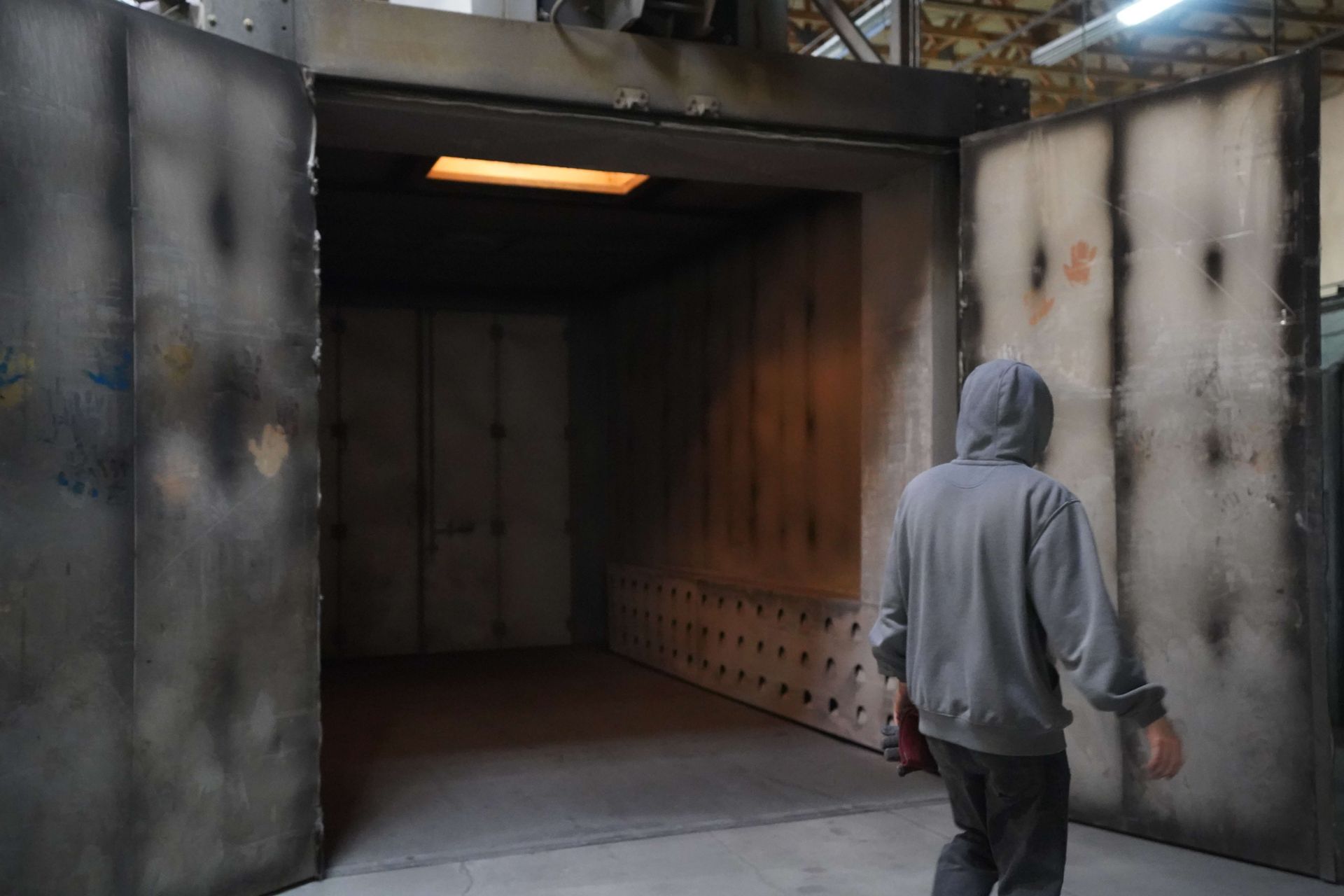
There are two major factors that come into play during the powder coating process: temperature and charge. In order for powder coating to adhere to a material successfully, that material must be able to withstand a temperature of about 400 degrees Fahrenheit (and this means the object itself will need to be that temperature—not just withstand an oven at that temperature). And the object must be able to withstand that temperature for a period of, say, ten minutes or more.
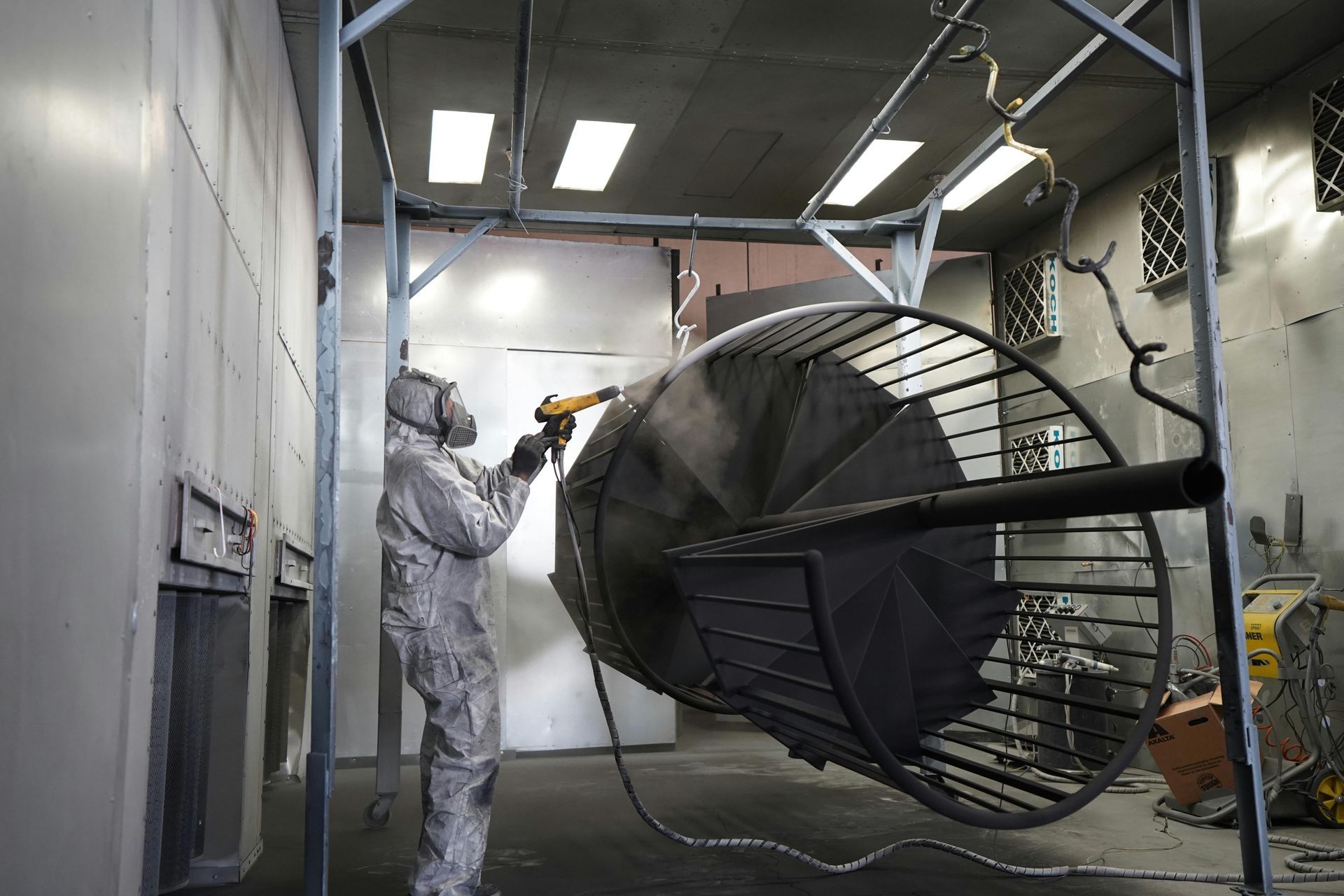
And when you powder coat metal, metal’s electrostatic properties become central. During the powder coating process, the solid powder particles that will eventually coat the material are electrostatically charged when exiting an air powered spray gun. These particles will not stick to an object’s surface unless that surface also has an electrostatic charge.
Not all metals are made alike
You should also know that certain metals are better than others when it comes to powder coating. Mild steel, galvanized and electroplated steel, aluminum, stainless steel, and most other steel alloys are some of the best candidates for powder coating.
Powder coating for other materials
While metal remains the most popular candidate for powder coating, there are ways to powder coat other materials such as plastic, glass, wood, and composites (as long as these specific materials can still withstand the high temperatures required for the powder coating process). You may be wondering how materials like plastic and wood can be powder coated when clearly they are not electrically conductive, which as was described above, plays a central role in powder coating metal. The workaround here involves pre-heating the object, heating the object first and then applying the powder while it is still hot. The heat of the object causes the powder to melt slightly upon contact, causing it to stick. Technologies continue to progress in the powder coating industry in order to make powder coating more and more materials possible.
The post Why Is Metal Best for Powder Coating? appeared first on Full Blown Coatings.
Share This Post!