Preventing Metal Corrosion in Harsh Winter Climates

admin • November 20, 2019

What is Metal Corrosion?

Whether you live in Utah or another state that experiences harsh winter weather, metal corrosion of vehicles, furniture, and the like can be difficult to keep from happening. Corrosion, of course, is a deterioration of the metal material mainly caused by interactions with environmental elements. Although this is a completely natural occurrence, there are three main conditions that cause corrosion to happen quickly:

  • The metal material itself
  • Moisture
  • An electron acceptor (an oxidizing agent)

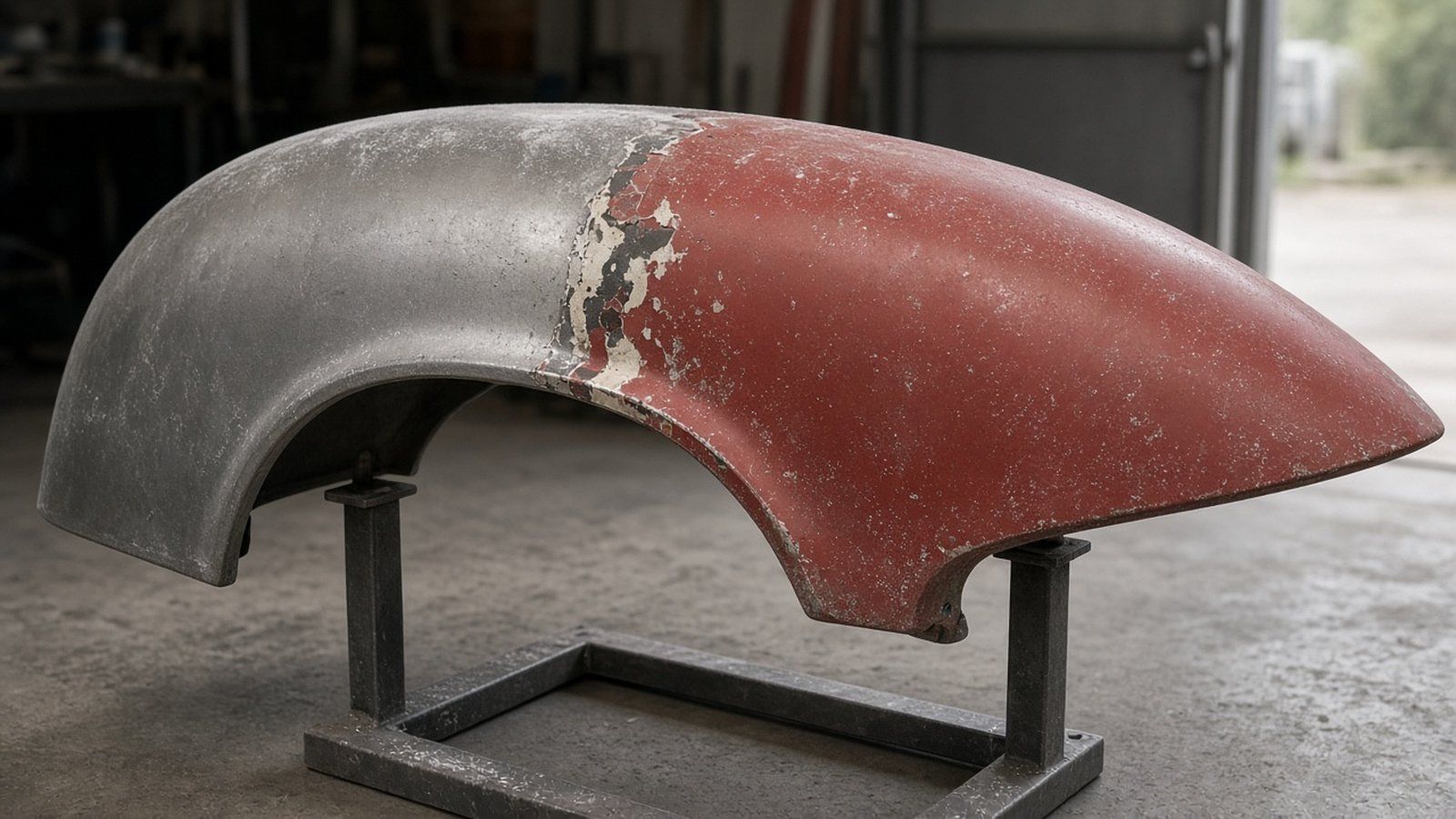
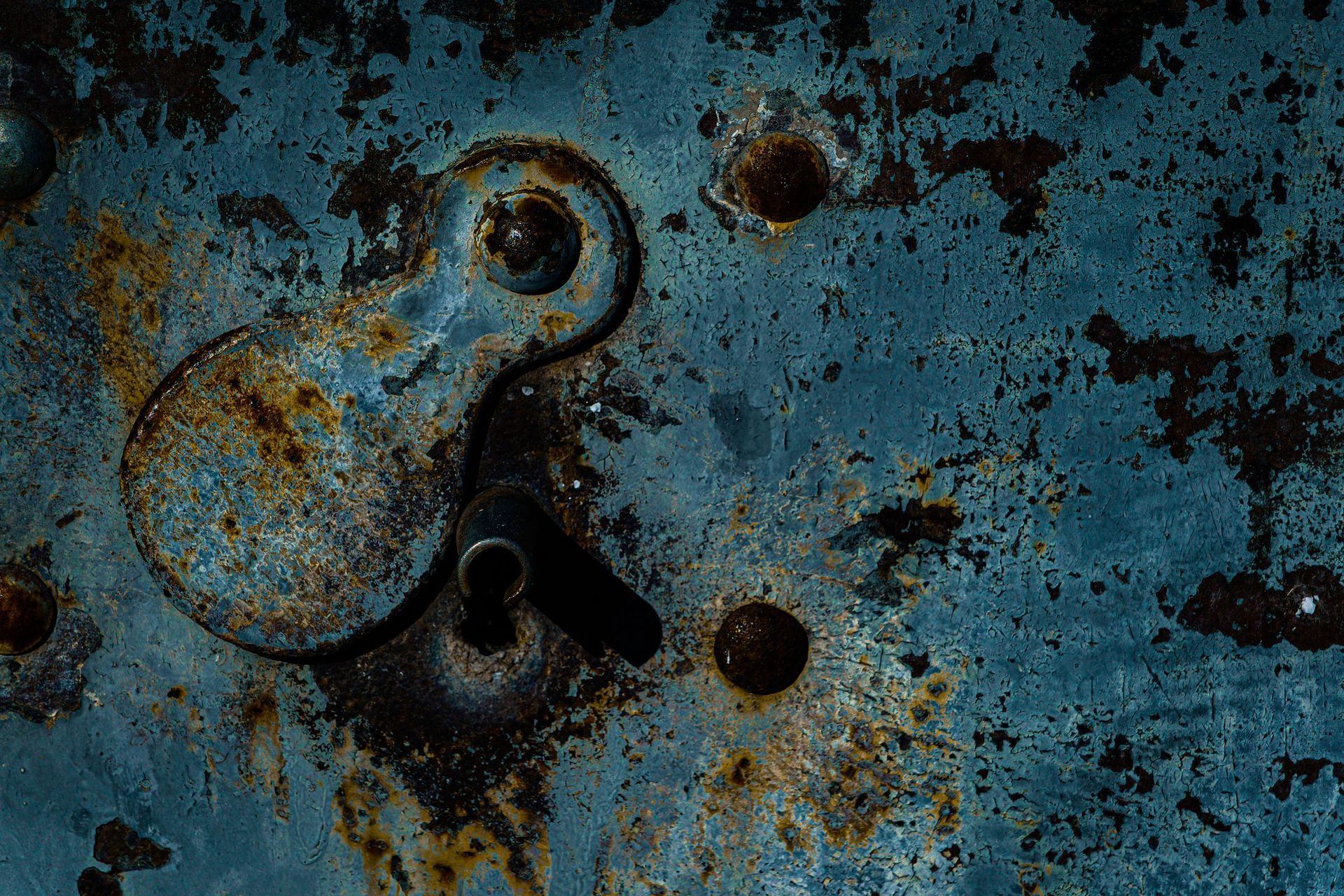
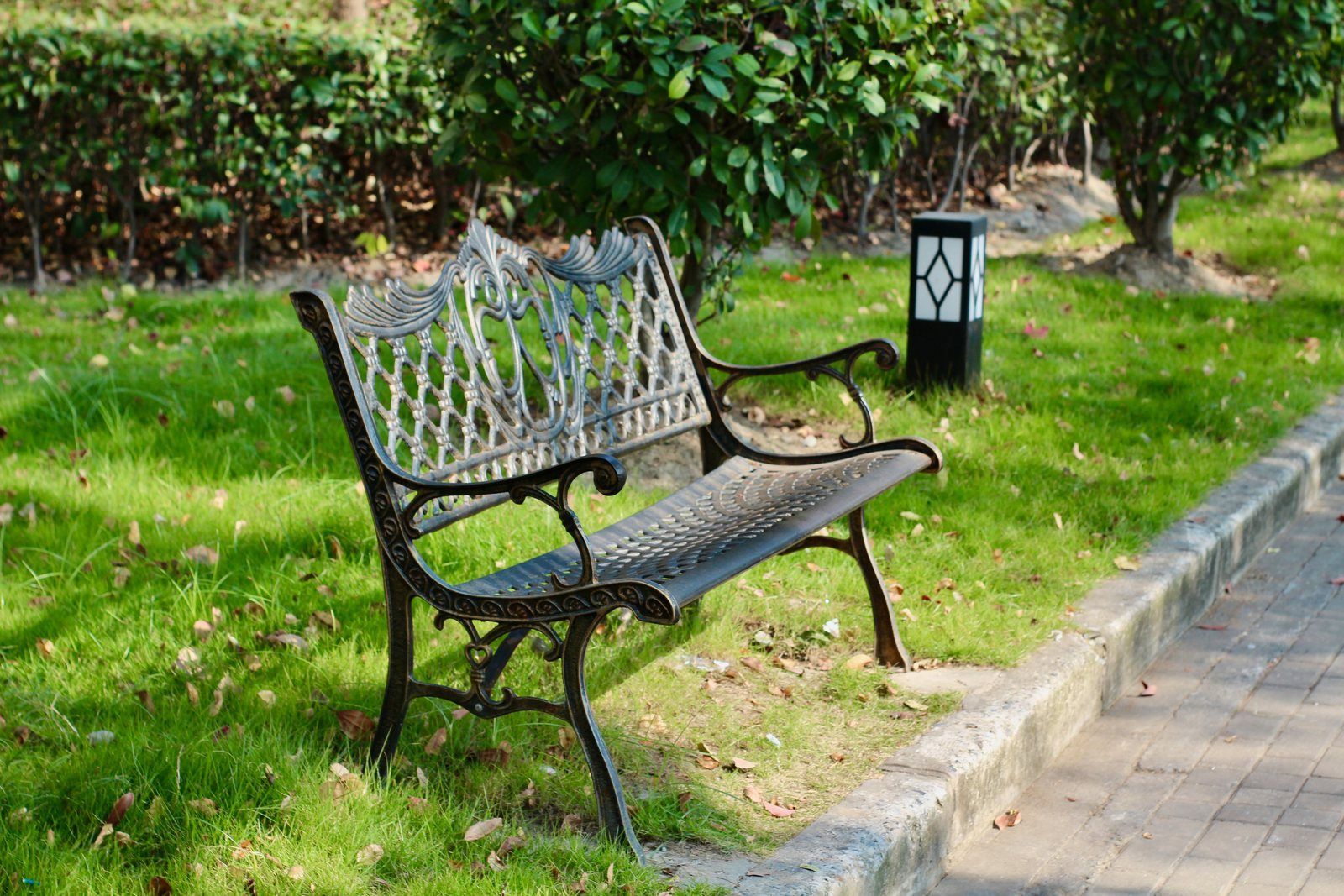
The three together make the surface of the metal more reactive. We see this work often in the form of rust. Of course, corrosion of any kind is something we want to happen to our metal objects. It may be natural, but its effects on the material aren’t positive. Rust can be an annoyance on our outdoor furniture and around the home, but rust on larger objects such as vehicles or agricultural equipment can prove dangerous. Even corrosion that could be considered minor should undergo proper maintenance and repair. All metals eventually corrode, but corrosion can be prevented with the right protection. 

How Do I Prevent Corrosion?

Choose metal material wisely. Whenever purchasing new metal items that may be exposed to rain and snow, choose a corrosion-resistant metal. The simplest to find are aluminum and stainless steel. These metals may or may not need additional corrosion protection. For objects like rain gutters and outdoor tools, choosing a less penetrable metal can save you from spending money on near-annual replacements. But what about the outdoor furniture, recreational equipment, and vehicles that aren’t made of stainless steel or aluminum?

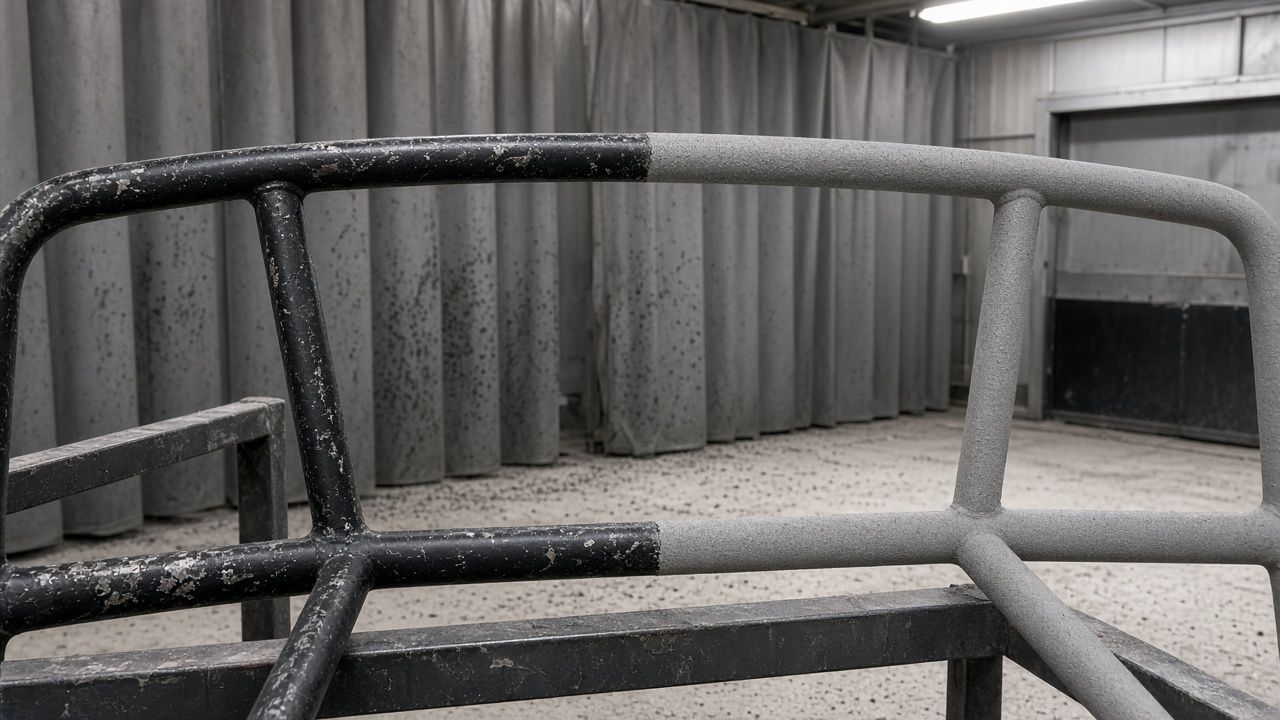
Use a protective coating. Not every metal will be able to keep corrosion at bay. For those objects small or large that need help keeping natural corrosion away, use a protective coating, like powder coating. Powder coating is more cost-effective than replacing and helps to prevent corrosion from starting in the first place. A layer of powder coat acts as a barrier, preventing the chemical reaction that causes corrosion in most metals. During the powder coating process, a dry powder mix is applied to the surface on an object, after it has been blasted clean of any debris or rust sticking to it’s top. 

Prepare for its environment. Regardless of if you choose powder coating or another type of protective or sacrificial coating, be sure the take proper measures to keep those objects protected from the elements. You can prevent corrosion by simply reducing exposure to rain, snow, and salt. Make sure to cover metal outdoor furniture, store bikes, camping gear, and other seasonal items in a dry environment, and always spray your vehicle after salt or snow has adhered to its surface.

Share This Post!

Silver Mercedes sedan parked on a wet street at dusk with an orange bus in the background
By Admin July 23, 2026
Learn what chrome powder coat is, its best uses, how it compares to real chrome, and when clear coating polished metal may be the better choice.
Close-up of clear plastic sleeves on a brown cardboard surface with a metal rail and mounting holes
By Admin July 14, 2026
Meta Description: Learn what aluminum oxide media blasting is, its benefits and common uses, and how it removes rust and coatings before powder coating.
Close-up of a yellow alloy wheel rim with black bolts and silver metal trim
By Admin July 11, 2026
TL;DR: How long does powder coating rims take? A standard set of four rims commonly takes about three to seven business days. The powder application and oven cure are fast. Stripping, media blasting, repairs, cooling, tire service, and scheduling create most of the turnaround. Tires, valve stems, wheel weights, and center caps generally need to be removed. Bent rims, cracks, curb rash, corrosion, custom colors, and multi-stage finishes can add time. Same-day service is possible in limited cases when the shop is equipped and the wheels need little or no repair.
Close-up of a black surface with scattered white paint chips beside a white sheet of paper
By Admin July 9, 2026
TL;DR: Wrought iron paint is usually a liquid-applied coating system designed to protect metal and improve appearance, often with brush, roller, or spray application. Powder coat is usually better for durability when the part can be properly removed, blasted, coated, and cured in a professional setup. Paint is usually easier to apply and easier to touch up , especially for on-site repairs, fixed railings, gates, and older metal that is hard to remove. Powder coating is usually the better choice for new or removable metalwork when you want a more uniform, harder, longer-lasting finish. The real answer depends on the project. If the metal is large, highly visible, or too important to risk, powder coating usually makes more sense than trying to paint or coat it casually. For most staircases, gates, and railings, the biggest difference is not just paint vs powder. It is the prep, blasting, and cure behind the finish. Wrought Iron Paint vs Powder Coat: Which Finish Makes More Sense for Your Metal Project? If you are comparing wrought iron paint vs powder coat , you are really comparing two very different finish systems. Both can make metal look cleaner and more finished. Both can protect the surface. But they do not go on the same way, they do not age the same way, and they do not make sense for the same kinds of projects. If you want to understand the bigger process behind powder coating before choosing, it helps to look at How Powder Coating Works , Media Blasting , and Industrial and Commercial Powder Coating first. Those pages give a clearer picture of what actually separates a durable finish from one that just looks decent on day one. A useful expert quote from Full Blown Coatings says it simply: “Powder coating isn’t just about looks, it’s about performance.” That matters in this comparison because a lot of people choose a finish based on color or convenience first, then only later realize that maintenance, prep, and durability were the real decision. What Wrought Iron Paint Usually Means When most people say wrought iron paint , they usually mean a liquid-applied coating system designed for metal railings, gates, fences, staircases, and decorative ironwork. It might be brushed on, rolled on, or sprayed on. In many cases, it is chosen because it is familiar, easier to buy locally, easier to touch up, and easier to apply on site. That last point matters. Paint is often the more practical option when: the part is already installed the metal cannot be removed easily the owner wants a repairable finish the project needs a faster field-applied solution There is nothing wrong with wrought iron paint when it is chosen for the right reason. The problem is that people sometimes expect paint to perform like powder coat without giving it the prep or maintenance that would help it get there. What Powder Coat Usually Means Powder coating is a different process altogether. Instead of brushing or spraying a liquid coating onto the metal and letting it dry, powder coating uses a dry powder that is electrostatically applied to a grounded metal part and then cured under heat. That cure process turns the powder into the final protective film. That means powder coating is usually best suited for parts that can be: removed from the site cleaned thoroughly blasted or otherwise prepped correctly coated in a controlled environment cured in an oven large enough for the part When all of those conditions are met, powder coating usually produces a finish that is thicker, harder, and more uniform than conventional paint.
Rows of small cups filled with brightly colored powder in blue, pink, purple, yellow, and green
By Admin June 26, 2026
Learn how to powder coat at home, what equipment and prep it really takes, and why most staircases, gates, and large metal projects are better left to a professional powder coating shop.
Abstract close-up of a metallic spiral tunnel with gray and blue reflections
By Admin June 10, 2026
Learn whether the type of metal matters when powder coating and how steel, aluminum, stainless, and galvanized metal affect prep, adhesion, cost, and long-term finish performance.
Industrial interior with towering metal stairs, pipes, and catwalks in a dimly lit factory
By Admin June 2, 2026
Learn where industrial powder coating is commonly used, from equipment housings and factory piping to railings, fixtures, and commercial metalwork, and why blasting and prep matter so much.
Close-up of cracked turquoise painted surface with dark fissures and a thin border line
By Admin May 26, 2026
Learn when powder coating needs to be redone, the warning signs of cracking and peeling, what causes finish failure, and how proper blasting and recoating restore metal protection.
Modern building facade with bright multicolored vertical panels and white curved bands
By Admin May 18, 2026
Explore standard RAL colour options for Utah projects and learn which RAL colors work best for staircases, railings, gates, and custom powder coated metalwork.
Technician in a white suit spray-paints a large aircraft part inside an industrial workshop.
By Admin May 13, 2026
See how Full Blown Coatings helped transform a custom two-story spiral staircase in a Park City home with a matte black powder coated finish that elevated the entire space.